


High Pressure Pneumatic Systems: Why PA6 Beats PU and PE When Temperatures Rise and Cycles Count
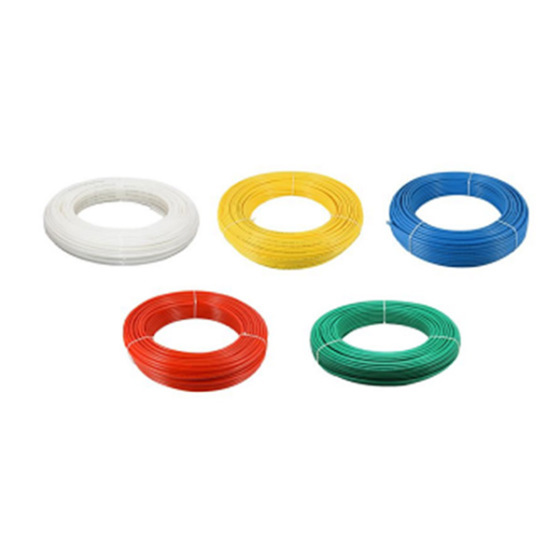
Heavy equipment designers and process engineers in mining, petrochemical plants, and automated assembly lines know this headache all too well. You pick out pneumatic tubing for a new robot cell or a high-cycle valve manifold. Everything checks out fine on the drawings. Then, barely six months later, the lines start getting soft, kinking up, or popping under sudden pressure jumps. Downtime kicks in hard. Maintenance guys scramble to fix it. Suddenly you’re hunting down the cause in 80°C heat with millions of flex cycles already on the clock.
That’s exactly where Nylon 6 tubing — also known as PA6 tubing — really shines. In tough high-pressure pneumatic systems, it holds up better than polyurethane or polyethylene once the temperature climbs and the duty cycle turns mean. This isn’t just numbers pulled from a catalog. Actual field results from factory air lines and robotic arms prove that PA6 delivers longer service life with fewer headaches.
Let’s walk through why it beats the others when the heat builds and the cycles keep stacking up.
The Real Limits of High-Pressure Pneumatic Tubing in Tough Environments
Today’s pneumatic systems get pushed harder than ever before. Picture automated welding robots swinging through thousands of moves every shift. Or control valves in petrochemical skids that face constant pressure pulses right next to hot process pipes. Temperatures swing from normal room levels up to 80°C or higher near motors and compressors. At the same time, the tubing has to manage working pressures that often start at 10 to 15 bar and spike even higher during surges.
Standard picks like PU tubing and PE tubing handle lighter jobs without much trouble. But they show their weak spots pretty quickly in these rough conditions. PU gives you great initial bendability and snap-back — especially in spiral formats like Flexcoil PU Tubing. That stuff pulls back clean after stretching and fights off scratches well in tight robot spots. Still, that same softness causes problems when heat builds up. PE stays cheap and holds up against chemicals okay, but it lacks the backbone for steady high pressure or endless bending.
Engineers out in the field see the same story repeat. Lines that looked solid at startup begin showing pressure loss, leaks at the fittings, or tiny fatigue cracks after 500,000 to a million cycles in warmer spots.
Why Temperature and Cycle Fatigue Hit PU and PE Harder
Take temperature derating first. At 20°C, plenty of PU tubes handle around 10 bar working pressure. Raise the air temp to 60 or 80°C and that rating falls off noticeably — sometimes by 30 to 50 percent, depending on the exact mix. The material gets softer. The walls stretch a bit. You lose your safe operating cushion fast. In a high-pressure setup, that forces you to either dial back performance or risk a burst.
PE struggles even more with heat. Its upper limit sits lower, and it slowly deforms under constant load. In hot factory air supply runs, PE can stretch permanently. That leads to loose fits at push-in connectors and leaks that appear out of nowhere.
Now add bending fatigue on top. Robotic arms and moving tools whip the tubing through tight curves millions of times. PU starts out very flexible and resists kinking in cooler areas. But repeated flexing at higher temps speeds up tiny cracks in the tube wall. PE feels stiffer in some versions yet turns brittle overall. It often fails sooner from stress building at the bend points.
Here’s a real story from an automotive assembly plant. A set of pneumatic grippers ran on PU tubing fine for the first year at about 40°C average. Once summer heat pushed the enclosure temps to 75°C and cycle counts reached 1.2 million per quarter, the team started swapping lines every four months. They kept finding pinhole leaks and sluggish pressure response.
How Nylon 6 Tubing Stands Out in High-Temp, High-Cycle Service
PA6 tubing brings a tougher profile to the job. It mixes high tensile strength with solid heat stability and strong resistance to repeated bending fatigue. The semi-crystalline makeup of Nylon 6 helps the tube keep its wall strength and pressure rating even when temps head toward 80°C and stay there for long stretches.
The main edges show up clearly when you compare real test results and on-site performance:
-
Pressure holding at higher temps stays stronger. While PU and PE lose rating fast, PA6 keeps a bigger share of its room-temperature capability. Many grades still support 15 to 25 bar working pressure with less drop at 80°C.
-
Fatigue life under constant flexing jumps way up. The material’s toughness lets it take millions more bending cycles before cracks start. In moving applications, this often means two to four times longer runs between changes compared to PU in hot zones.
-
Size stability holds better. Less creeping and swelling under heat and pressure keeps fittings tight and flow steady.
In one extended test on factory utility air lines feeding automated tools, PA6 tubing went past 3 million flex cycles at 70-80°C with almost no pressure drop and zero leaks at the connections. The same setup using PU needed two complete replacements during that same time. Another case in a mining process control skid showed PA6 handling pulsing pressures near hot slurry lines for 28 straight months. Previous PE runs only lasted under 10 months on average.
These numbers come straight from maintenance logs, not clean lab sheets. They’re the kind of results that matter when systems must stay running.
Quick Comparison: PA6 vs PU vs PE in High-Pressure Conditions
| Property | Nylon 6 (PA6) Tubing | Polyurethane (PU) Tubing | Polyethylene (PE) Tubing |
|---|---|---|---|
| Working Pressure at 20°C | Higher (often 15-25+ bar) | ~10 bar typical | Lower (0.3-1.0 MPa range) |
| Pressure at 80°C | Minimal drop | Noticeable drop (30-50%) | Big loss |
| Max Continuous Temp | Up to 100-120°C in many grades | -15°C to 60°C (Flexcoil PU) | Narrower, lower upper limit |
| Bending Fatigue Life | Excellent (millions of cycles) | Good at first, drops with heat | Moderate, cracks earlier |
| Flexibility | Good with right sizing | Excellent, great memory and recoil | Stiffer, less forgiving in tight bends |
| Typical Failure Mode in Heat/Cycles | Slow, steady wear | Softening, kinking, small holes | Creep, stretching, sudden bursts |
These details come from standard material checks and real plant experience. Actual results still depend on the exact grade, wall thickness, and how you design the system.
Field-Proven Performance in Demanding Applications
Plant utility air lines and automotive assembly robots really put tubing to the test. In heavy automation cells, PA6 handles the mix of motor heat and nonstop movement better than softer options. One robotics integrator saw tubing-related stops drop by more than 60 percent after moving critical high-cycle sections over to Nylon 6.
In petrochemical process control, where lines run close to hot equipment and face occasional pressure surges, PA6 cuts the chance of sudden failures that could hurt safety or ruin a batch. Maintenance crews like the predictable wear — no surprise softening or quick loss of snap-back like you sometimes get with PU after long heat exposure.
Partnering with a Trusted Pneumatic Tubing Manufacturer
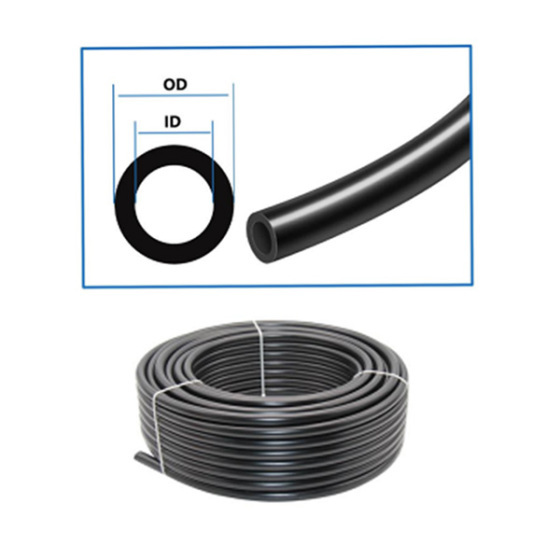
When you need tubing that performs reliably in these rough spots, it pays to work with specialists who really know the materials. Aisili Pneumatic stands as a professional manufacturer dedicated to the development and production of polyurethane pneumatic tubing and related pneumatic materials. Since 2007, they have built solid expertise across high-quality pneumatic solutions. They serve global automation needs with dependable products, custom options, and steady supply from their plants in China. Their strong focus on durability and real performance makes them a practical partner for engineers who specify parts that must last.
Conclusion
In high-pressure pneumatic systems, rising temperatures and high cycle counts quickly reveal the limits of any tubing material. PU like Flexcoil gives excellent flexibility and works great in many moving setups. PE brings low cost for lighter jobs. But when the heat climbs toward 80°C and the cycles head into the millions, Nylon 6 tubing pulls ahead. It keeps better pressure ratings, fights fatigue longer, and lasts overall. The difference shows up as fewer replacements, steadier system response, and much less surprise downtime — exactly what design engineers and plant operators care about most.
If your current lines keep struggling under heat and motion, it might be worth testing PA6 in those key spots. The reliability gains can pay for themselves fast.
FAQs
What makes Nylon 6 tubing a better choice than PU for high-temperature pneumatic systems?
Nylon 6 keeps higher working pressure ratings as temperatures near 80°C. PU tends to soften and lose rating more quickly. This extra stability helps systems run safely in hotter areas without constant checks or early swaps.
How does PA6 compare to PE in bending fatigue for robotic applications?
PA6 usually survives far more flex cycles before cracks appear, especially in repeated motion like assembly robots. PE often develops permanent stretch or early breaks under the same hot, high-cycle conditions.
Can I use Nylon 6 tubing in the same applications where Flexcoil PU Tubing performs well?
In many cases, yes — particularly where you need strong pressure handling and durability instead of maximum snap-back. Flexcoil PU works great in tight spaces that need quick automatic retraction. But PA6 takes over when heat and pressure demands go up.
What kind of cycle life improvement can I expect switching to Nylon 6 tubing?
Field reports from high-cycle pneumatic lines often show two to four times longer service life in hot conditions. Some setups have run past 3 million cycles with very little wear compared to PU or PE.
Where can I get samples of Aisili Nylon 6 Tubing to test in my system?
Just reach out to Aisili Pneumatic. They offer ways to request free samples so you can check the performance yourself in your exact high-pressure, high-cycle setup before making a full commitment.