


How to Store and Inspect Opened PU Pneumatic Tubing Coils Before Reuse
Half a roll of blue tube comes back from an assembly bench. It has enough length for another job, but the wrapper went into the bin yesterday. Someone has written “8 mm PU” on a scrap of tape. Can the remainder go back into stock?
Start by finding the original order or label. Until the grade, size and history are clear, keep that roll on hold. There is little point finding a better shelf for a product nobody can identify. Once that is settled, protect the remaining length and check it before cutting again. Whoever takes the coil next should be able to find the inspection decision.
The procedure below concerns unused material. Tube taken off a working machine has already been used. Treat that return separately, however tidy it looks.
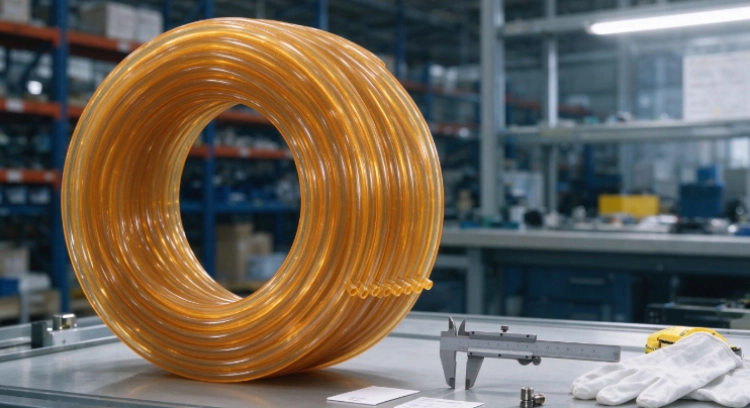
Keep the Coil’s Identity After the First Cut
The easiest time to save the label is before opening the package. A photograph helps, but it needs to be attached to an identifiable stock record. A photograph somewhere on a technician’s phone won’t help the next person choosing a roll.
Retain the Grade and Dimensions
The Aisili range includes straight PU tube, coils and spiral tubing, plus the fittings used with them. Orders can specify both diameters, the color and the length. OEM and ODM options also cover hardness and performance specifications. That makes “PU tube” an incomplete stock description. Which of those versions was actually ordered?
The original product designation and batch details need to stay attached. Add a receipt date and update the quantity after a cut. Be explicit about dimensions. In Aisili’s 5 × 8 mm example, 8 mm is the outside diameter and 5 mm is the bore; the nominal wall is 1.5 mm thick. Write those labels out. The two numbers don’t always appear in the same order on purchasing forms.
Separate Unused Remainders From Removed Tube
A short length returned from a machine and an unused length cut from a new roll can look alike. Give them separate places. Used tube may have carried a different medium or sat beside a hot machine part. That history won’t be visible on a neatly wound coil.
Nor should two unidentified remnants become one stock item. Keep each return separate while checking its order reference. Photograph a damaged label before doing anything else to it. A few legible characters may still connect the return to an order. Let the supplier check those first.
Protect the Remaining Tube During Storage
An empty space on a shelf is not necessarily a good place for the coil. Think about what will be stacked above it and how the tube ends will stay clean. With a cap or suitable wrapping, avoid anything that leaves adhesive on the outside of the tube. The seal in a push-in fitting needs that surface later.
Preserving the received condition of rubber and plastics hoses before use is the purpose of ISO 8331 hose storage guidance. That is a useful starting point for a stockroom procedure. The details still depend on the particular product, so retain its own storage instructions with the purchasing information.
Limit Moisture, Heat and Chemical Exposure
PU tubing can age or suffer hydrolysis if it sits in damp storage or is kept too long. Fracture can follow that deterioration. Heat and chemical vapors present another problem: they can crack the tube. In service, corrosive substances or fluid that is too hot can cause damage as well. For that reason, check what actually happens around a shelf near a cleaning station. Can spray reach it? Are wet containers being put beside the rolls?
For a roll that has already been exposed, the useful details are quite specific. Was its wrapper open? Which cleaner was in use, and did it reach the tube? Keep the roll on hold with those observations. The outside may now be dry, but the supplier or engineer still needs to know what reached it.
The PU tubing hydrolysis explanation covers the moisture issue in more detail. It should not be used to assign an expiry date to an unknown batch.
Avoid Crushing and Forced Bends
Aisili’s PU tubing has a smooth, flexible body and uses resilient polyurethane. The material is light and abrasion resistant. Its ability to bend in a small space helps with pneumatic tools and the air lines on automation and packaging machinery. Storage puts different demands on it, though. A heavy box can trap the coil against a shelf edge for weeks.
Give the coil room to sit without a forced bend. The permitted bend limit still applies. If tightening a tie leaves a mark in the tube, loosen it and assess that section; it should not be hidden under the next turn. Put a partly used roll where it can be lifted out. Pulling it through a gap beneath other stock is an avoidable way to damage the next usable section.
Inspect Before Releasing Another Length
Check the record before examining the tube. A good surface inspection cannot supply a missing material grade. If the identity is sound, look over the length needed for the next job rather than just the loose end.
Check the Bore, Surface and Coil Shape
Unwind the section that will actually be used. Begin with the opening and check for dirt in the bore, then work back along the tube. Are there cuts or cracks? Has rubbing left a deep mark? Look closely where a tie was fitted, or where another object pressed on the coil. If the shape, color or feel has changed, note exactly where. Comparing that section with an acceptable sample of the same product can make a small change easier to see.
A sticky or discolored patch is an observation, not an explanation. Its cause still has to be investigated. Trying to remove it with an unapproved solvent can complicate the investigation: now the tube has also been exposed to that solvent. Leave it on hold until an appropriate cleaning or rejection decision has been made.
Hold Material That Cannot Be Cleared
|
Finding |
What happens to the roll |
|
Its grade or batch cannot be identified |
Hold it while the order and supplier reference are checked |
|
Moisture or chemical exposure is uncertain |
Record the circumstances and request a review |
|
Cracks, cuts or persistent flattening are found |
Segregate it and follow the rejection procedure |
|
Unused material is identified and undamaged |
Apply the approved release criteria for the intended use |
The inspection record should say what was observed. It cannot promise retained pressure strength from appearance. Any required testing needs an agreed method, appropriate equipment and protection; do not attempt a compressed-air burst test at the storage bench.
Confirm the Requirements for the Next Application
Being available in stock is only one part of the decision. The tube still needs to suit its destination. The pressure and temperature ratings apply whenever PU tube goes into service. Warmer conditions call for a lower working pressure. Running beyond the permitted limits risks a ruptured line. The rating used on a cooler machine may not cover the next installation.
Ether-based PU tubing is one specific option to review for moisture exposure. The admitted fluid for this product is compressed air. Don’t read that as approval to convey cleaning liquid. Record the actual grade, size and operating limits on the issue request.
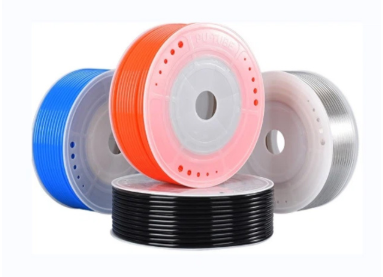
Aisili screens raw materials and checks quality through production. Its quality checks address burst and hydrolysis resistance as well as flexibility. Bend behavior and the forces involved in inserting or withdrawing tube are also covered. These are manufacturing checks. A purchaser must still deal with any damage or exposure after delivery, including a roll left beneath a leaking roof.
Use the product designation when asking for missing storage instructions. Include photographs and the known conditions. There is no useful universal expiry date to write onto every PU roll regardless of grade and exposure.
Record the Release or Replacement Decision
Date the decision and identify the person who made it. Add any restriction on use. A roll awaiting review needs a clear hold label and a separate place, especially when the next request from assembly is urgent. Rejected tubing belongs outside the usable-stock location, under the site’s disposal procedure.
For replacement, send the OD, ID, grade and remaining label details along with pressure, temperature and medium. Aisili offers custom dimensions, colors and lengths, matching fittings, and guidance on product use. Include the storage concern in that inquiry. Once the specification is resolved, give the new roll a label that survives the first cut.