


زيادة وقت التشغيل: كيف تقلل الأنابيب المقاومة للتآكل من الصيانة في أنظمة الأتمتة
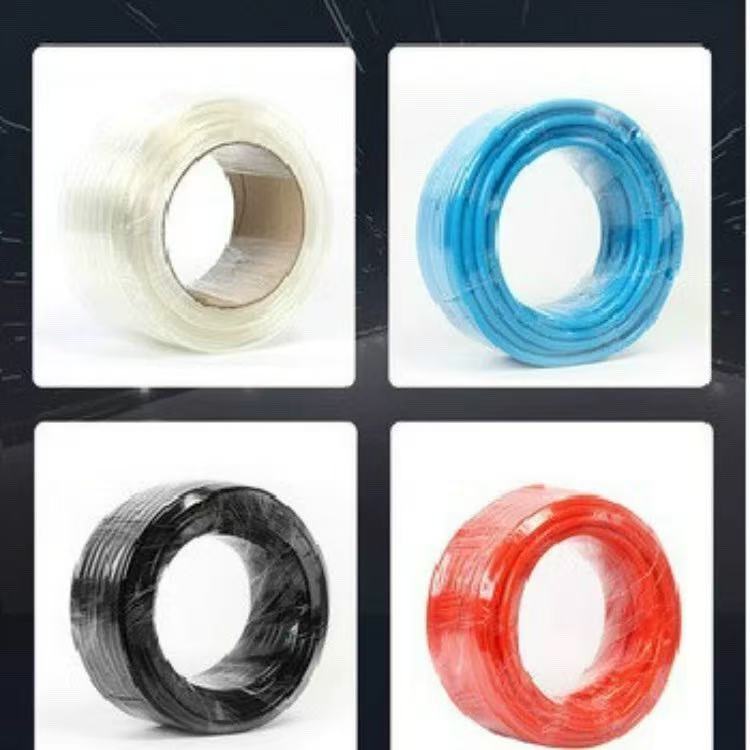
تخيل هذا: أنت في خضم وردية عمل مزدحمة في مصنعك. فجأة، يتعطل أحد خطوط الهواء المضغوط. تتوقف الآلات فجأة. ويتوقف العمال عن العمل. وتواجه ساعات - وربما أيام - من الوقت الضائع. يعرف مديرو المصانع والفنيون الميدانيون هذا الوضع جيدًا. إنها ليست مشكلة بسيطة، بل تؤثر سلبًا على أرباحك. تشير إحصائيات حديثة من مجلة هندسة المصانع لعام 2025 إلى أن تكلفة التوقفات غير المخطط لها تصل إلى 260 ألف دولار في الساعة للعديد من المصانع. هذه هي الحقيقة المرة. إذن، ما هي الحلول الذكية للحفاظ على استمرارية خطوط الإنتاج؟ إنها بالغة الأهمية. هنا، سنشرح كيف تقاوم الأنابيب المتينة والمقاومة للخدش هذه الأعطال. فهي تقلل من عمليات الإصلاح، وتزيد من سلاسة التشغيل في أنظمة الإنتاج الآلية.
التكاليف الخفية لتوقف العمل في المصانع الحديثة
يتسلل التوقف عن العمل بهدوء. في لحظة، تدور التروس بسلاسة. وفي اللحظة التالية، يتسرب الهواء من أنبوب مكسور أو زنبرك خرطوم مهترئ. يرى الفنيون في خطوط التجميع أو منصات الروبوتات هذا الأمر كثيرًا. تحدث الأعطال نتيجة الاستخدام اليومي الشاق. تحتك أنابيب الهواء المضغوط بالزوايا الحادة، أو تنضغط عند تغيير التروس، أو تنحني باستمرار، مما يؤدي إلى تآكلها بسرعة.
يدرك قادة المصانع ذلك. أي عطل يعني إعادة توزيع الورديات، وطلبات عاجلة للقطع الصغيرة، ومحادثات صعبة مع المشترين. تشير التقارير إلى أن ورشة نموذجية تفقد 800 ساعة عمل سنويًا بسبب توقفات مفاجئة، ما يُشبه انقطاعًا تامًا للتيار الكهربائي لمدة شهر. خسارة الإنتاج مؤلمة، لكن فرق الصيانة تُهدر ساعات في إصلاحات مؤقتة، متجاهلةً عمليات الفحص المسبق. أسوأ ما في الأمر يصيب الأقسام سريعة الوتيرة، مثل مصانع السيارات أو تعبئة المواد الغذائية، حيث تُكلّف كل ثانية ثمنًا باهظًا.
لكن لا يزال هناك أمل. استبدلها بأخرى أكثر متانة. ستقلبها رأسًا على عقب. الأنابيب المتينة تتحمل الخدوش بسهولة. وتتحمل التعديلات المتكررة. وتحافظ على ثبات ورشتك.
لماذا تتعطل الأنابيب وكيف يؤثر ذلك على سير عملك
لنركز على التفاصيل. تنقل الأنابيب الهوائية الهواء المضغوط إلى المحركات والبوابات والمعدات. إنها بمثابة شريان الحياة للنظام. أما الأنابيب العادية؟ فهي سهلة الكسر. تتسبب احتكاكات الآلات في تلفها. وتؤدي التمزقات أو الشد إلى تمزقها. وفي مناطق الشرر، مثل أحواض اللحام، قد تتسبب شرارة ساخنة في ذوبانها بالكامل.
لقد شاهدتُ ذلك عن كثب في طوابق العمل المزدحمة التي تتسابق مع المواعيد النهائية. تخيّل روبوت لحام. تتشابك الأسلاك بين أذرعه التي تدور على مدار الساعة. تتلف المواد الضعيفة في غضون أشهر. وهذا يُؤدي إلى توقفات لمدة ساعتين أسبوعيًا. ينخفض الإنتاج بشكل كبير. يعمل الفنيون ساعات إضافية. تتذمر الفرق. إنها مطاردة لا تنتهي - كل رقعة تُولد أخرى.
تنتشر الأعطال على نطاق واسع. السرعات المنخفضة تعني دورات تشغيل مطولة. المزيد من أكوام الخردة. حتى المخاطر في حال انفجار الخطوط أثناء التشغيل. يتابع المديرون الحسابات. فواتير الإصلاح تستنزف 10% من تكاليف التشغيل السنوية، وفقًا لبيانات شركة سوكاي لعام 2025. تصل النسبة في بعض المواقع إلى 20%. كيف يمكن خفض هذه النسبة؟ يبدأ ذلك باختيار دقيق للأجزاء.
الأنابيب المقاومة للتآكل: نقلة نوعية في الموثوقية
إليكم الأنابيب المقاومة للتآكل. إنها ليست مجرد أنابيب عادية متوفرة في الأسواق، بل مصممة لتدوم طويلاً في أصعب الظروف. مواد مثل البولي يوريثان المعدل بخصائص مقاومة للهب تقاوم الخدوش والقطع والحرارة. تتميز هذه الأنابيب بمرونتها دون تشقق، وتقاوم التمزقات التي قد تُتلف الأنواع الأقل جودة.
على سبيل المثال، انظر أنابيب مضادة للشررخيار متخصص من شركة أيسيلي نيوماتيك. مصنوع من مادة البولي يوريثان المعدلة المقاومة للهب، ويتميز بصلابة تتراوح بين 95 و98 على مقياس شور A، مما يجعله شديد المقاومة للتآكل. متوفر بأحجام المصنع الأصلية من 4 مم إلى 16 مم، وهو مصمم خصيصًا للأنظمة الهوائية التي تتعرض باستمرار للشرر أو الاحتكاك. لا يقتصر الأمر على بقاء هذا الأنبوب فحسب، بل يتطور بشكل ملحوظ، مما يطيل عمر خطوطك الهوائية حتى ثلاثة أضعاف مقارنةً بالأنواع القياسية.
لماذا يُعدّ هذا الأمر مهمًا؟ تعني مقاومة التآكل العالية تقليل تلف الأسطح الناتج عن الاحتكاك. كما أن البنية المقاومة للتمزق تتحمل عمليات السحب والالتواء دون أن تنشق. في مجال الأتمتة، يُترجم ذلك إلى فترات أطول بين عمليات الفحص والاستبدال. ويُقدّر المهندسون قدرة هذه البنية على الحفاظ على ضغط ثابت، مما يمنع التسريبات التي قد تُعطّل الروبوتات أو السيور الناقلة.
الميزات الرئيسية التي تعزز الأداء
- مقاومة فائقة للتآكلالطبقة الخارجية تقاوم الاحتكاك والخدوش، وهي مثالية للخطوط القريبة من التروس أو الأحزمة المتحركة.
- مواد مقاومة للتمزقيتميز البولي يوريثان المقوى بقوة تحمل عالية تحت الضغط، مما يقلل من نقاط الضعف.
- تصميم مقاوم للهب: خصائص مقاومة الشرر تحمي من النقاط الساخنة، كما هو الحال في صناعة المعادن.
- المرونة مع المتانةينحني بسهولة ولكنه يعود إلى وضعه الأصلي، مما يجعله مناسبًا للأماكن الضيقة دون أن ينثني.
عمليًا، يقلل هذا التصميم من وتيرة استبدال الأنابيب. تخيل خط تعبئة وتغليف تتعرض فيه الأنابيب لحركة مستمرة. مع الخيارات المقاومة للتآكل، قد تنتقل من تغيير الخطوط كل ثلاثة أشهر إلى مرة واحدة في السنة. هذا توفير حقيقي - مخزون أقل، ساعات عمل أقل، وعمليات تشغيل أكثر سلاسة.
أمثلة من واقع الحياة: من الإخفاقات إلى الإنجازات
دعونا نتحدث عن العمل. في مصنع لقطع غيار السيارات في الغرب الأوسط الأمريكي، واجه المهندسون أعطالًا متكررة في أنابيب مقابضهم الهوائية. تسبب الاحتكاك الناتج عن حركة الذراع في تآكل الأنابيب بسرعة، مما أدى إلى توقف الإنتاج لمدة ساعتين أسبوعيًا. غيّر التحول إلى أنابيب مقاومة للاحتكاك كل شيء. استمرت الخطوط الجديدة ستة أشهر إضافية، وانخفضت طلبات الصيانة بنسبة 40%. ارتفع الإنتاج بشكل ملحوظ، وركز الفريق على التحسينات بدلًا من الإصلاحات.
حالة أخرى: مصنع لتجهيز الأغذية مزود بآلات تعبئة عالية السرعة. تسببت التمزقات في الأنابيب القياسية في تسرب الهواء، مما أدى إلى تلف دفعات من المنتجات وتوقف خطوط الإنتاج. صمدت الأنابيب المقاومة للتآكل والتمزق في وجه البيئة الرطبة والكاشطة. والنتيجة؟ ارتفع وقت التشغيل إلى 98%، وانخفضت التكاليف بمقدار الثلث. هذه ليست مجرد قصص خيالية، بل هي تجارب حقيقية من خبراء مروا بهذه الظروف.
تؤكد البيانات ذلك. تشير معايير الصناعة إلى أن الأنابيب المتينة يمكن أن تقلل من إجمالي نفقات الصيانة بنسبة تتراوح بين 25 و50% في الأنظمة المؤتمتة. بالنسبة لمصنع متوسط الحجم، فإن ذلك يوفر آلاف الدولارات سنويًا. بالإضافة إلى ذلك، مع عدد أقل من التوقفات، يمكنك تحقيق الأهداف بسهولة أكبر - فكر في زيادة الإنتاجية ورضا أصحاب المصلحة.
مقارنة خيارات الأنابيب: دليل سريع
ولتوضيح الأمر، إليكم جدول بسيط يوضح كيف تقارن الأنابيب المقاومة للتآكل بالأساسيات:
|
ميزة |
الأنابيب القياسية |
أنابيب مقاومة للتآكل (مثل أنابيب البولي يوريثان المضادة للشرر) |
|
عمر |
من 3 إلى 6 أشهر من الاستخدام المكثف |
12-18 شهرًا أو أكثر |
|
التعامل مع الاحتكاك |
تتآكل الحواف بسرعة |
يقاوم الخدوش والاحتكاك |
|
مقاومة للتمزق |
عرضة للانقسام تحت الضغط |
يثبت بقوة في وجه الشد |
|
تواتر الصيانة |
استبدال متكرر |
تم تخفيض السعر بنسبة تصل إلى 50% |
|
توفير التكاليف |
ارتفاع التكاليف على المدى الطويل بسبب فترات التوقف |
انخفاض من خلال الاستخدام المطول |
الأمر لا يتعلق بالتكنولوجيا الفاخرة؛ بل بالأمور العملية التي تحافظ على أرضيتك تعمل.
نصائح لدمج الأنابيب المقاومة للتآكل في أنظمتك
هل أنت مستعد للتغيير؟ ابدأ بخطوات صغيرة. قيّم نقاط الضعف لديك - أين تحدث الأعطال في أغلب الأحيان؟ بالنسبة للمهندسين، حددوا الخطوط المعرضة للتآكل أو الشرر. قيسوا وقت التوقف الحالي وحددوا معايير مرجعية.
عند الاختيار، ضع في اعتبارك الحجم، ومعدلات الضغط، والبيئة. اختر خيارات مثل أنابيب منع الشرر التي تناسب احتياجاتك - حيث يغطي نطاقها من 4 إلى 16 مم معظم التطبيقات. التركيب سهل: استخدم وصلات مناسبة لتجنب نقاط الضغط. درّب فريقك على الفحوصات السريعة، مثل اكتشاف التآكل المبكر.
على المدى الطويل، تتبع النتائج. تحقق العديد من المصانع عائدًا على الاستثمار في غضون أشهر من خلال توفير الوقت وقطع الغيار. الأمر ليس معقدًا، بل هو مجرد هندسة ذكية تُؤتي ثمارها.
نبذة عن شركة أيسيلي للمعدات الهوائية
.jpg)
Aisili الهوائية تتميز الشركة بكونها شركة تصنيع محترفة متخصصة في تطوير وإنتاج أنابيب هوائية من البولي يوريثان والمواد الهوائية ذات الصلة. تأسست الشركة عام 2007 في يانتاي، الصين، ونمت لتضم مصنعين وخطوط بثق متطورة، مما يضمن جودة فائقة وسرعة في التنفيذ. وبتركيزها على الابتكار، فإنها تقديم حلول مرنة ومتينة للصناعات العالمية، الاجتماع معايير مثل RoHS وتقديم خدماتها للعملاء في أكثر من 30 دولة.
خاتمة
باختصار، لا تُعدّ الأنابيب المقاومة للتآكل مجرد ترقية، بل هي ضرورة لأي مصنع يسعى إلى تحقيق أعلى مستويات الأداء. فمن خلال معالجة التآكل والتمزق بشكل مباشر، تُقلّل هذه الأنابيب من وقت التوقف، وتُخفّض التكاليف، وتُعزّز الكفاءة. بالنسبة للمديرين والمهندسين، يعني ذلك ضغطًا أقل وإنتاجية أكبر. إذا كنتَ قد سئمتَ من الإصلاحات المتكررة، فقد حان الوقت لاستكشاف هذه الخيارات المتينة والموثوقة. سيشكرك مصنعك على ذلك.
الأسئلة الشائعة
ما الذي يجعل أنابيب منع الشرر مثالية لتقليل وقت توقف المعدات؟
تتألق أنابيب البولي يوريثان المضادة للشرر في البيئات القاسية بفضل تركيبتها المعدلة من البولي يوريثان، التي تقاوم التآكل والشرر. وهذا يعني عمرًا أطول للأنابيب، مما يقلل الحاجة إلى استبدالها ويضمن استمرار تشغيل الآلات. وفي أماكن مثل ورش اللحام، تمنع هذه الأنابيب الأعطال التي قد توقف الإنتاج تمامًا.
كيف تساهم الأنابيب المقاومة للتآكل في خفض تكاليف الصيانة في مجال الأتمتة؟
المتانة هي الأساس. الملابس المقاومة للتمزق تتحمل الاستخدام اليومي الشاق دون تلف سريع. تقلل ورش الصيانة من تكاليف الإصلاح بنسبة 30-50%. تتحسن الميزانيات. يتجه الفنيون إلى أعمال أخرى. العمل المتواصل يجنبنا التكاليف الباهظة للتلف أو بهتان الألوان.
هل يمكن لأنابيب منع الشرر التعامل مع تطبيقات الضغط العالي؟
بالتأكيد. مصمم لتحمل الظروف القاسية بصلابة تتراوح بين 95 و98 على مقياس شور A، ويحافظ على سلامته تحت الضغط. تتوفر مقاسات من 4 مم إلى 16 مم لتناسب أنظمة متنوعة، مما يضمن تدفق هواء موثوقًا دون التآكل الذي يصيب الأنابيب الأكثر ليونة.
ما هو العمر الافتراضي المتوقع للأنابيب المقاومة للتآكل مقارنة بالخيارات القياسية؟
في الاستخدام الفعلي، يمكن أن يضاعف هذا المنتج عمره ثلاث مرات - أي سنة أو أكثر بدلاً من بضعة أشهر. تلعب عوامل مثل البيئة دورًا في ذلك، لكن التصميم المقاوم للهب والتآكل يعني تغييرات أقل تكرارًا، مما يعزز وقت التشغيل الإجمالي.
كيف أعرف ما إذا كان نظام منع الشرر باستخدام أنابيب PuTubing مناسبًا لمصنعي؟
انظر إلى نقاط ضعفك. إذا كان الاحتكاك أو الشرر يسببان مشاكل متكررة، فهذا المنتج مناسب. يُشيد به المهندسون في المصانع التي تعتمد بشكل كبير على الأتمتة لإطالة فترات التشغيل وتقليل وقت التوقف - جرّبه في خط إنتاج واحد لتلاحظ الفرق.