


كيفية وصل الأحزمة الدائرية المصنوعة من البولي يوريثان في 5 دقائق: دليل خطوة بخطوة للحام في الموقع
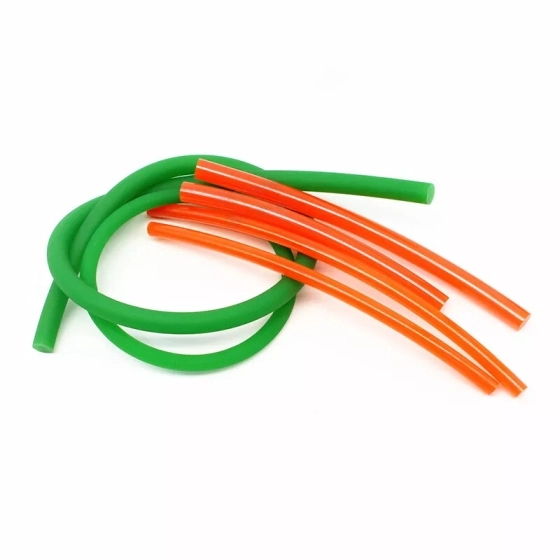
التوقف عن العمل أمرٌ مؤلم. انقطاع سير ناقل على خط الإنتاج يُوقف الإنتاج تمامًا. يقف العمال في انتظار استبداله أو إصلاحه، وهو ما قد يستغرق ساعات. ولكن مع حزام حبل البولي يوريثانيُطلق عليها غالبًا اسم حزام البولي يوريثان الدائري أو حبل البولي يوريثان، لكن الأمر يختلف تمامًا. يمكنك لحامها مباشرةً في مكانها. لا حاجة لتفكيك النظام بأكمله، ولا حاجة لشحنها إلى ورشة. عملية سريعة بالتسخين والضغط تُعيدك إلى العمل في دقائق. يُرشدك هذا الدليل خطوة بخطوة. لقد استندنا إلى خبرة عملية حقيقية في ورش العمل والمواصفات الدقيقة لهذه الأحزمة لضمان حصولك على وصلة قوية وموثوقة في كل مرة.
لماذا تتفوق الأحزمة الدائرية المصنوعة من البولي يوريثان على الخيارات التقليدية للحلول السريعة؟
تُستخدم الأحزمة الدائرية المصنوعة من البولي يوريثان في آلات التعبئة والتغليف، وآلات الطباعة، وخطوط إنتاج المنسوجات، وخطوط السيراميك، ومعدات معالجة الأغذية، وسيور نقل المواد. فهي تُشغّل المحركات، وتُدير الأجزاء، وتنقل المنتجات. وعندما ينكسر أحدها أو يتمدد، فأنت بحاجة إلى إصلاح سريع.
الأحزمة المطاطية العادية؟ تتشقق، وتتمدد أكثر من اللازم، أو تحتاج إلى غراء لا يلتصق جيدًا. أما الأحزمة الدائرية المصنوعة من البولي يوريثان، فتقاوم التآكل بشكل أفضل بكثير. فهي تتحمل الزيوت والشحوم والمواد الكيميائية دون أن تتلف. كما أنها تحافظ على مرونتها على البكرات الصغيرة وفي المناطق الباردة. والأفضل من ذلك؟ أن اللحام الحراري يُنتج حلقة متصلة لا نهائية. يصبح المفصل جزءًا من الحزام، بنفس قوة باقي أجزائه. لا توجد نقاط ضعف، ولا نتوءات تُسبب الاهتزاز.
تتوفر هذه الأحزمة بأقطار تتراوح من 1.5 مم إلى 25 مم، بأحجام شائعة مثل 3 مم، 4 مم، 5 مم، 6 مم، 8 مم، و10 مم. تتراوح صلابتها بين 70 و85 على مقياس شور A. يمكنك اختيار السطح الأملس لقيادة سلسة أو السطح الخشن لمزيد من الثبات. عادةً ما تأتي اللفائف بطول 100 متر، وتتوفر بألوان تناسب احتياجاتك.
في مصنع تعبئة وتغليف مزدحم أعرفه، انقطع سير ناقل بعرض 6 مم خلال وردية ليلية. كان الحل التقليدي هو انتظار وصول الشحنة الصباحية. فقاموا باستبداله بسيور ناقل دائرية من البولي يوريثان. أحضر عاملٌ عدة لحام بسيطة، وأعاد وصل السير في أقل من خمس دقائق. عاد خط الإنتاج للعمل قبل أن يبرد القهوة. وانخفض وقت التوقف من ساعات إلى دقائق.
الأدوات التي تحتاجها للحام في الموقع
اجعل الأمر بسيطاً. لست بحاجة إلى تجهيزات فاخرة.
-
سكين حاد متعدد الاستخدامات أو مقص لإجراء قطع نظيفة
-
أداة لحام حزام البولي يوريثان (مشبك ذوبان ساخن مع سخان أو مكواة لحام)
-
مشبك أو أداة تثبيت المحاذاة (تتضمن العديد من المجموعات هذا)
-
قفازات مقاومة للحرارة
-
مؤقت أو ساعة
تتميز مجموعات التصفيف الأساسية بأسعارها المعقولة وعمرها الطويل. بعضها يستخدم شفرة ساخنة أو رأسًا حديديًا. بينما تحتوي مجموعات أخرى على أدوات تحكم قابلة للتعديل في درجة الحرارة - استهدف حوالي 250 درجة مئوية لمعظم أنواع البولي يوريثان القائمة على الإستر.
خطوة بخطوة: كيفية لحام حزام من حبل البولي يوريثان
اتبع هذه الخطوات. تدرب مرة واحدة على قطعة خردة إذا كنت مبتدئًا. السلامة أولاً - اعمل في مكان جيد التهوية، وارتدِ قفازات.
1. قم بالقياس والقص حسب الطول
أوقف تشغيل الآلة. أزل الحزام القديم أو قِس المسار. أضف مساحة إضافية لتداخل اللحام إذا كانت طريقتك تتطلب ذلك، ولكن معظم عمليات اللحام التناكبي تستخدم نهايات مستقيمة.
اقطع كلا الطرفين بشكل مستقيم تماماً باستخدام شفرة حادة. فالقطع غير المستقيمة تُضعف الوصلات. لذا، من المهم أن يكون السطح مستوياً بزاوية 90 درجة.
2. تجهيز الأطراف
نظّف الغبار أو الزيت بقطعة قماش. الأطراف الخشنة لا تلحم جيدًا. إذا كان الحزام متسخًا من الطعام أو الشحوم، فامسحه جيدًا.
3. تجهيز أداة اللحام
قم بتوصيل جهازك بالكهرباء أو سخّنه. اتركه حتى يصل إلى درجة الحرارة المطلوبة - عادةً ما يستغرق ذلك من 8 إلى 10 دقائق للمكاوي، وأقل من ذلك لأجهزة اللحام المتخصصة. اختبره على قطعة خردة إذا كنت غير متأكد.
ثبّت أحد طرفي الأداة في جهاز المحاذاة. تحتوي العديد من الأدوات على فتحات مصممة خصيصًا لقطر الأداة.
4. سخّن الأطراف
قرّب كلا الطرفين من مصدر الحرارة. قم بإذابتهما بالتساوي. لطريقة الشفرة، سخّن قطعة معدنية مسطحة حتى الاحمرار، ثم قم بإذابة كل طرف عليها لمدة 10-30 ثانية. لا تحرقها، فقط اجعلها لينة حتى تصبح لزجة.
باستخدام ماكينات اللحام ذات المشبك، ثبّت كلا الطرفين في مكانهما، ثم قم بتطبيق الحرارة. يختلف وقت الانصهار حسب الحجم - فالسمك 8 مم يستغرق وقتًا أطول من 4 مم.
5. انضم واضغط
بسرعة - ادفع الأطراف المنصهرة معًا بإحكام. رتبها بشكل مثالي في المشبك. اضغط بثبات. ستخرج المادة الزائدة على شكل قطرة.
اضغط عليه لمدة تتراوح بين دقيقتين وخمس دقائق حتى يبرد. لا تحركه. يعمل المشبك أيضاً كمشتت حراري، مما يسرع عملية التصلب.
6. قص وفحص
بعد أن يبرد، قم بإزالة أي زوائد باستخدام سكين. انزع الخرزة إن تشكلت. مرر إصبعك على المفصل - يجب أن يكون ملمسه ناعماً، بدون أي نتوءات.
اختبر باليد. اسحب بقوة. اللحام الجيد يثبت مثل الحزام نفسه.
أعد تشغيل الجهاز. قم بتدويره يدويًا أولًا. استمع إلى صوت التشغيل السلس. ثم قم بتشغيله ببطء.
| خطوة | تقدير الوقت | نصيحة أساسية |
|---|---|---|
| القياس والقطع | دقيقة واحدة | قطع مربعة فقط |
| انتهاء التحضيرات | 30 ثانية | النظافة قوة |
| أداة التسخين | 5-10 دقائق (إعداد) | انتظر حتى تصل درجة الحرارة إلى المستوى المطلوب |
| أطراف قابلة للذوبان | 10-30 ثانية | ذوبان متساوٍ، بدون احتراق |
| انضم واحتفظ | من 2 إلى 5 دقائق | ضغط ثابت |
| تقليم واختبار | دقيقة واحدة | مفصل أملس = جيد |
الأخطاء الشائعة وكيفية تجنبها
-
انصهار غير متساوٍ: يؤدي ارتفاع درجة حرارة أحد الجانبين إلى ظهور مناطق ضعيفة. قم بتدويره أو استخدم حرارة متساوية.
-
الضغط الزائد: يضغط على المادة للخارج، ويرقق الوصلة. يجب أن يكون متماسكاً، وليس ضاغطاً.
-
التحرك بسرعة كبيرة: يستغرق التبريد وقتاً. إذا استعجلت الأمر، فسيتلف المفصل تحت الضغط.
-
درجة حرارة غير مناسبة: منخفضة جدًا - لا تلتصق المادة. مرتفعة جدًا - تتلف مادة البولي يوريثان. استخدم درجة حرارة قريبة من 250 درجة مئوية.
-
الأطراف المتسخة: الزيت أو الغبار يُفسد الالتصاق. امسحها دائماً.
في مصانع النسيج، رأيتُ عمالاً يهملون التنظيف. تتلف المفاصل في غضون أسبوع. أما المفاصل النظيفة فتدوم لأشهر، وأحياناً لسنوات.
متى تُستخدم الأحزمة الدائرية المصنوعة من البولي يوريثان ولماذا يُعدّ اللحام في الموقع هو الخيار الأمثل؟
تتألق هذه الأحزمة في أنظمة الأتمتة، والناقلات، وأنظمة القيادة حيث يؤدي توقف الإنتاج إلى توقف الإنتاج. اللحام السريع يعني عدم الحاجة إلى تفكيك كامل. يمكن استبدالها أو تقصيرها في مكانها. بالنسبة لخطوط إنتاج الأغذية، تعني الوصلات الملساء نقاط تشابك أقل، وتنظيفًا أسهل.
مقاومة التآكل تقلل من الحاجة إلى قطع الغيار. مقاومة الزيوت تجعلها مناسبة للبيئات الدهنية. المرونة في البكرات الصغيرة تجعلها مناسبة للآلات الضيقة.
نقدم لكم شركة أيسيلي للمعدات الهوائية
بصفتنا شركة تصنيع محترفة متخصصة في تطوير وإنتاج أنابيب البولي يوريثان الهوائية والمواد الهوائية ذات الصلة، Aisili الهوائية بدأت الشركة عملها في هذا المجال منذ عام 2007. ولديها مصنعان في مقاطعة شاندونغ وسبعة خطوط بثق متطورة، وتنتج كميات كبيرة من حلول من الدرجة الأولى لصناعات الروبوتات والسيارات والتعبئة والتغليف. ويركزون على المواد الخام عالية الجودة، التخصيص من خلال تصنيع المعدات الأصلية (OEM) وتصميمها الأصلي (ODM)، والتزامها بالمعايير العالمية، تُشحن منتجاتها إلى أكثر من 30 دولة. إنها تُركز على المنتجات الموثوقة والمتينة التي تضمن سير عملياتك بسلاسة.
خاتمة
يتطلب تركيب أحزمة البولي يوريثان في الموقع بعض التدريب، ولكنه يوفر الكثير من الوقت والجهد. لحام لمدة خمس دقائق يعيد خط الإنتاج إلى العمل بسرعة، دون الحاجة لانتظار الأحزمة الجاهزة. تتوافق الوصلة مع قوة الحزام بفضل خاصية اللحام الحراري السهلة. استخدم الأداة المناسبة، واتبع الخطوات، وستتمكن من إصلاح الأعطال بسرعة. ستبقى آلاتك تعمل، وسيستمر الإنتاج بسلاسة، وستقل المشاكل.
الأسئلة الشائعة
كم من الوقت يستغرق لحام حزام من خيوط البولي يوريثان بشكل صحيح؟
من القطع إلى التجهيز، ينهي معظم الناس العمل في غضون 5 دقائق بمجرد أن تسخن الأداة. يستغرق الصهر من 10 إلى 30 ثانية، والتبريد من دقيقتين إلى 5 دقائق تحت المشبك. يستغرق الإعداد بعض الوقت، لكنه في الموقع أسرع بكثير من استبدال الأحزمة بالكامل.
ما هي أحجام الأقطار الأنسب للحام السريع في الموقع لأحزمة حبال البولي يوريثان؟
تُلحم الأحجام الشائعة مثل 3 مم إلى 8 مم بسهولة باستخدام مجموعات اللحام الأساسية. كما يُمكن لحام الأحجام التي تصل إلى 10 مم أو حتى 16 مم بشكل جيد. أما الأحجام الأكثر سمكًا (أكثر من 10 مم) فتحتاج إلى وقت أطول للتسخين والتثبيت، ولكن تبقى عملية اللحام كما هي.
هل أحتاج إلى أدوات خاصة لربط حزام حبل البولي يوريثان، أم يمكنني الارتجال؟
تُعدّ مجموعة لحام البولي يوريثان المخصصة مفيدةً للغاية، حيث تُسهّل المشابك والسخانات عملية المحاذاة وتُقوّي الوصلات. يُمكنك استخدام شفرة ساخنة وقالب تثبيت إذا كنتَ حذرًا، ولكنّ المجموعات تُقلّل الأخطاء وتُسرّع العمل في ظروف الورشة الحقيقية.
هل ستصمد الوصلة الملحومة على حزام حبل البولي يوريثان تحت الأحمال الثقيلة أو الظروف الزيتية؟
نعم، عند إتمام اللحام بشكل صحيح، يصبح اللحام سلسًا ويتوافق مع قوة الشد العالية ومقاومة الزيوت للحزام. كما أنه يتحمل الاحتكاك والمواد الكيميائية والانثناء المتكرر تمامًا مثل باقي أجزاء الحزام. عادةً ما تنشأ الوصلات الضعيفة من سوء التحضير أو التسرع في وقت التبريد.
هل يمكنني تقصير أو إصلاح حلقة حزام من سلك البولي يوريثان الموجود دون إزالته من الجهاز؟
هذا هو المكسب الحقيقي. قم بإزالة الجزء التالف، ولحّم قطعة جديدة، أو أعد توصيل الأطراف فقط. لا حاجة إلى تفكيك كامل في معظم السيور الناقلة أو المحركات. هذا يقلل وقت التوقف إلى أدنى حد في عمليات التعبئة والتغليف أو الطباعة.