


Häufige Probleme mit pneumatischen Schläuchen und bewährte Verfahren zur Vermeidung von Systemausfällen
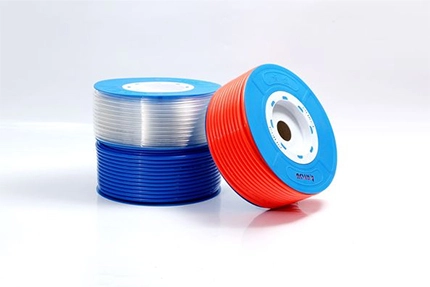
Pneumatiksysteme sorgen für einen reibungslosen Fabrikbetrieb. Sie treiben alles an, von Roboterarmen bis hin zu Montagelinien. Das Herzstück dieser Anlagen bilden die Schläuche. Insbesondere PU-Schläuche sind weit verbreitet, da sie sich leicht biegen lassen und sehr robust sind. Doch manchmal läuft etwas schief. Es entstehen Lecks. Schläuche verschleißen schnell. Oder schlimmer noch: Eine Leitung platzt ohne Vorwarnung.
Stellen Sie sich Folgendes vor: Ein Automobilwerk mit hohem Durchsatz. Zylinder zünden hunderte Male pro Stunde. Plötzlich setzt einer aus. Produktionsausfall. Die Ursache? Ein gerissenes Rohr, durch das Luft entweicht. Das kostet Tausende an Produktionsausfall. Oder denken Sie an eine Verpackungsanlage in einer feuchten Umgebung. Feuchtigkeit dringt ein und greift die Schläuche über Monate hinweg an. Solche Ausfälle kommen häufiger vor, als man denkt.
Dieser Artikel befasst sich mit den häufigsten Problemen bei pneumatischen Rohrleitungen. Wir gehen auf die tatsächlichen Ursachen ein, die im täglichen Betrieb auftreten. Anschließend zeigen wir Ihnen einfache Lösungen zur Behebung dieser Probleme. Mit den richtigen Gewohnheiten können Sie Ausfälle reduzieren und Ihre Rohrleitungen am Laufen halten.
Warum pneumatische Schläuche in industriellen Systemen wichtig sind
Druckluft strömt durch Schläuche zu Ventilen, Zylindern und Werkzeugen. PU-Druckluftschläuche zeichnen sich durch ihre Kombination aus Robustheit und Flexibilität aus. Sie sind knickfest, auch an schwer zugänglichen Stellen, und kehren nach dem Biegen in ihre ursprüngliche Form zurück. Zudem halten sie dem täglichen Verschleiß in Automatisierung, Robotik und Fertigung stand.
Doch Schläuche werden stark beansprucht. Sie sind ständigen Druckschwankungen ausgesetzt. Vibrationen setzen ihnen zu. Abrieb an den Kanten führt zu weiteren Problemen. Hinzu kommen Feuchtigkeit oder Chemikalien, und die Probleme verschärfen sich. Branchenkenner wissen, dass bis zu 30 % der pneumatischen Probleme auf minderwertige Schläuche oder eine fehlerhafte Installation zurückzuführen sind. Eine frühzeitige Behebung dieser Probleme erspart viel Ärger.
Häufige Probleme mit pneumatischen Schläuchen
Probleme können sich auf unterschiedliche Weise äußern. Manche treten plötzlich auf, andere schleichen sich langsam ein. Hier ist eine Übersicht der häufigsten Probleme, mit denen Ingenieure konfrontiert werden.
|
Problem |
Häufige Ursachen |
Auswirkungen in der Praxis |
|
Luftlecks |
Lose Verbindungen, Risse, verschlissene Dichtungen |
Senkt den Druck, verlangsamt Aktuatoren, verschwendet Energie |
|
Abrieb und Verschleiß |
Reibung an Maschinen, Schleifen über Böden |
Dünne Wände, führt zu Bersten oder plötzlichem Versagen |
|
Knicken oder Zusammenfallen |
Scharfe Kurven, zu enge Wendungen |
Blockiert den Durchfluss, verursacht unregelmäßige Zylinderbewegung |
|
Feuchtigkeitsschäden |
Kondenswasser in Leitungen, feuchte Umgebungen |
Zersetzt das Material und verkürzt die Lebensdauer der Röhre um Monate. |
|
Überdruckbeulen |
Überschreiten des Nenndrucks, Druckspitzen von Kompressoren |
Gefährliche Explosionen, Ausfallzeiten für Reparaturen |
|
Chemischer Abbau |
Kontakt mit Ölen, Reinigungs- oder Schmierstoffen |
Macht Schläuche weich oder spröde, führt zu Rissen |
|
Alterung und Rissbildung |
UV-Strahlung, Hitze, Langzeitnutzung |
Spröde Rohre versagen in älteren Systemen unerwartet. |
Das kommt häufig vor. In Lebensmittelbetrieben ist oft die Feuchtigkeit der entscheidende Faktor. Die Schläuche zersetzen sich unbemerkt, bis sie platzen. In trockenen Lagerhallen mit viel Bewegung hingegen dominiert der Abrieb.
Luftlecks: Der stille Energiedieb
Leckagen verschwenden Druckluft. Eine kleine Leckage mag unbedeutend erscheinen. Doch in der Summe können sie 20–40 % der Kompressorleistung verbrauchen. Achten Sie auf zischende Geräusche an den Anschlüssen. Oder verwenden Sie Seifenwasser, um Blasen zu erkennen. Lose Verbindungen oder durchtrennte Schläuche sind die häufigsten Ursachen. In einem Lager führten unsaubere Verbindungen zu Leckagen, die die Kommissionierroboter während der gesamten Schicht verlangsamten.
Abrieb: Verschleiß durch tägliche Beanspruchung
Rohre schleifen über Kanten oder vibrieren an Rahmen. Die Außenschicht wird dünner. Und dann – zack – entsteht ein Loch. Außengeräte sind häufig davon betroffen, verursacht durch Schmutz und Erschütterungen. Fabriken mit Förderbändern berichten, dass Rohre ohne Schutz innerhalb eines Jahres verschleißen.
Knickbildung und eingeschränkter Durchfluss
Wird der Schlauch zu stark gebogen, knickt er ein. Die Luft kann nur schwer hindurchströmen. Die Zylinder bewegen sich langsam oder ruckartig. Mobile Werkzeuge wie Druckluftpistolen leiden, wenn sich die Spiralschläuche während des Gebrauchs verdrehen.
Feuchtigkeits- und Hydrolyseprobleme
Druckluft enthält Feuchtigkeit, wenn sie nicht ordnungsgemäß getrocknet wird. Bei PU-Druckluftschläuchen führt dies mit der Zeit zu deren Beschädigung. Feuchte Sommer beschleunigen diesen Prozess. In Anlagen in warmen Klimazonen reißen die Schläuche ohne geeignete Trockner schneller.
Druckstöße durch Überdruck
Überschreitet man die Belastungsgrenzen, können Rohre explodieren. Defekte Regler oder verstopfte Entlüftungsöffnungen verursachen Spannungsspitzen. Hier steigen die Sicherheitsrisiken – umherfliegende Teile können Personen in der Nähe verletzen.
Beispiele für Rohrbrüche aus der Praxis
Nehmen wir eine Roboterlinie in einem Autowerk. Die in der Nähe der beweglichen Arme verlegten Schläuche verschleißen durch die ständige Reibung. Der Abrieb führt zu Leckagen. Die Produktion stand stundenlang still. Durch die Änderung der Schlauchführung und das Anbringen von Schutzhülsen konnte das Problem behoben werden.
Oder in einer Verpackungsanlage. Hohe Luftfeuchtigkeit und unzureichende Lufttrocknung. Die Schläuche verschleißen schnell. Austausch alle paar Monate. Der Einbau besserer Trockner und die Überprüfung der Kondensatabscheider reduzieren die Ausfälle erheblich.
Die Daten belegen dies. Geschäfte mit regelmäßigen Kontrollen verzeichnen 40 % weniger Stopps aufgrund von U-Bahn-Problemen. Manchmal machen einfache Dinge einen großen Unterschied.
Bewährte Vorgehensweisen für die Installation
Wenn man es von Anfang an richtig macht, erspart man sich die Hälfte der Probleme.
- Sauber und rechtwinklig schneiden.Verwenden Sie einen scharfen Rohrabschneider. Unsaubere Enden führen zu Undichtigkeiten an den Verbindungsstellen.
- Lassen Sie etwas Spielraum.Enge Spannungen belasten die Schläuche mit der Zeit. Zusätzliche Länge ermöglicht Bewegungen ohne Dehnung.
- Beachten Sie den Kurvenradius.Vermeiden Sie scharfe Kurven. Beachten Sie die Herstellerangaben – üblicherweise das 5- bis 10-fache des Außendurchmessers.
- Ordnungsgemäß sichern.Klammern oder Kabelbinder verhindern das Aneinanderreiben der Schläuche. Aber bitte nicht zerdrücken.
- Verwenden Sie die passenden Verbindungsstücke.Schnellkupplung für einfaches Arbeiten. Achten Sie auf die richtige Schlauchgröße.
- Vor Schaden schützen.Ärmel oder Schutzvorrichtungen an den Stellen, wo Abrieb auftritt.
Bei einer Installation wurde an einem Roboterarm zu wenig Spielraum für die Schläuche gelassen. Dadurch wurden die Schläuche während der Bewegung gedehnt und geknickt. Durch das Hinzufügen von Schlaufen ließ sich das Problem beheben.
Wartungstipps zur Verlängerung der Lebensdauer von Schläuchen
Regelmäßig prüfen. Kleine Probleme frühzeitig erkennen.
- Führen Sie wöchentlich eine Sichtprüfung durch. Achten Sie auf Abnutzungserscheinungen, Risse oder Verfärbungen.
- Kondenswasser aus Filtern und Abscheidern täglich ablassen. Hält Feuchtigkeit fern.
- Monatlich mit Seifenlauge auf Undichtigkeiten prüfen.
- Abgenutzte Teile schnell ersetzen. Nicht flicken – austauschen.
- Reinigen Sie die Bereiche um die Leitungen herum. Schmutz beschleunigt den Abrieb.
- Den Druck überwachen. Die zulässigen Grenzwerte einhalten.
Pflanzen, die regelmäßig Abflüsse entwässern, berichten von einer deutlich längeren Lebensdauer der Siphonrohre. Ein Fachhändler konnte die Kosten für Ersatzrohre allein durch die bessere Trocknung halbieren.
Die richtige PU-Druckluftleitung auswählen
Wählen Sie das passende Modell für Ihre Anwendung. Hohe Luftfeuchtigkeit? Dann greifen Sie zu hydrolysebeständigen Modellen. Starke Beanspruchung? Dickere Wände oder Verstärkungen sind empfehlenswert. Individuelle Farben erleichtern die schnelle Kennzeichnung von Leitungen in großen Systemen.
Qualität ist entscheidend. Gute Rohstoffe bedeuten eine bessere Beständigkeit gegenüber Ölen, Kälte oder Hitze.
Über Aisili Pneumatic
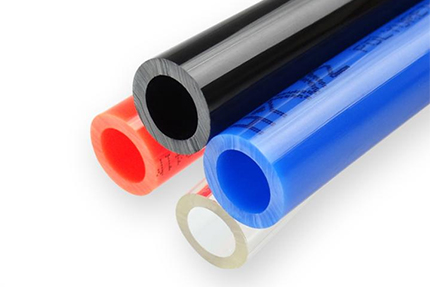
Aisili Pneumatik ist ein professioneller Hersteller, der sich der Entwicklung und Produktion von Polyurethan-Pneumatikschläuche und verwandte pneumatische Materialien. Das Unternehmen wurde 2007 in Yantai, China, gegründet und betreibt heute moderne Anlagen mit fortschrittlichen Extrusionslinien. Der Fokus liegt auf Hochleistungs-PU-Schläuchen für Automatisierung, Robotik und weitere Anwendungen. Mit über 17 Jahren Erfahrung in diesem Bereich nutzt Aisili erstklassige Materialien für Flexibilität und Langlebigkeit. Die Produkte erfüllen die RoHS- und REACH-Standards. Wir betreuen Kunden in über 30 Ländern mit individuellen Größen, Farben und schneller Lieferung.
Abschluss
Probleme mit Druckluftleitungen wie Leckagen, Verschleiß und Rohrbrüchen müssen Ihren Betrieb nicht lahmlegen. Erkennen Sie die häufigsten Ursachen – Feuchtigkeit, fehlerhafte Installationen, Abrieb – und beheben Sie diese gezielt. Saubere Schnitte, korrekte Verlegung, regelmäßige Kontrollen und gute Trocknung tragen wesentlich dazu bei. Wählen Sie eine robuste PU-Druckluftleitung, die für Ihre Umgebung geeignet ist. Befolgen Sie diese Schritte, und Sie werden weniger Stillstände, geringere Kosten und einen reibungsloseren Betrieb feststellen. Ihr System bleibt Tag für Tag zuverlässig.
Häufig gestellte Fragen
Was sind die häufigsten Ursachen für Leckagen in PU-Druckluftschläuchen?
Lose Verbindungen oder unsaubere Schnitte stehen ganz oben auf der Liste. Risse durch Abnutzung folgen an zweiter Stelle. Überprüfen Sie die Anschlüsse regelmäßig – Seifenwasserflecken bilden schnell Blasen.
Wie kann ich Abriebschäden an pneumatischen Schläuchen verhindern?
Vermeiden Sie scharfe Kanten. Bringen Sie Schutzhüllen an Stellen an, an denen es reibt. Klemmen fixieren es sicher, ohne zu schleifen.
Warum wird PU-Druckluftschlauch durch Feuchtigkeit so schnell zerstört?
Wasser zersetzt das Material mit der Zeit, besonders an feuchten Stellen. Reinigen Sie die Siphons täglich und verwenden Sie Trockner, um das Eindringen von Wasser zu verhindern.
Wie lassen sich Knicke in pneumatischen Schläuchen am besten vermeiden?
Lassen Sie genügend Spielraum und beachten Sie die Biegeregeln. Vermeiden Sie scharfe Drehungen. Spiralkabel eignen sich hervorragend für Werkzeuge, die sich stark bewegen.
Wie oft sollte ich PU-Druckluftschläuche in einer stark frequentierten Fabrik austauschen?
Das hängt von den Bedingungen ab, aber eine monatliche Überprüfung ist empfehlenswert. Verschleißteile sollten umgehend ausgetauscht werden. Durch gute Wartung kann die Lebensdauer unter anspruchsvollen Bedingungen verdoppelt werden.