


Ester Based vs Ether Based Polyurethane Tubing Which Is Better for Industrial
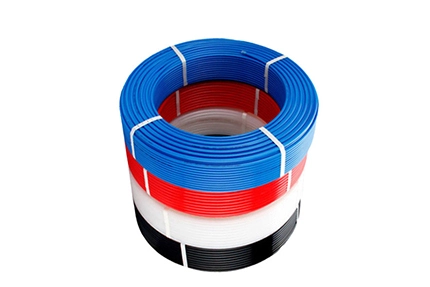
Polyurethane, or PU, pneumatic tubing has turned into a popular pick for engineers and buyers in factories and automation setups. It stays tough yet bends easily. It handles repeated twisting, high pressure, and rough use without breaking down fast. But here’s the thing—not every PU tubing acts the same. The main difference lies in their chemical makeup: some are ester-based, others ether-based.
If you pick the wrong kind for your factory floor, robotic arms, or production lines, you might face early breakdowns, stopped work, and higher bills. Imagine a fast-moving packaging factory. Tubes carry pressurized air to cylinders. Humidity from the air or wet surroundings can ruin the wrong tubing in just months. The right choice, however, can last for years with few problems.
This post dives into the true differences. We base it on real performance in tough industrial spots. You’ll see the main features, good and bad sides, and situations where one clearly beats the other in pneumatic setups.
Understanding Polyurethane Pneumatic Tubing
PU pneumatic tubing works great in systems that run on compressed air. It mixes the stretch of rubber with the strength of plastic. It fights off kinks well. It springs back after sharp bends. And it stands up to scratches from sliding over machines or shaking parts.
In factory pneumatics, these tubes move air to valves, actuators, and hand tools. Sizes often run from 4mm to 12mm outside diameter. They handle pressures of 10 to 15 bar in normal use. Bending ability matters a lot. Tubes must twist through narrow spots in robot arms or around conveyor belts.
The split between ester and ether comes from the ingredients used to make them. Ester-based tubing relies on polyester polyols. That gives it a stiffer build. Ether-based uses polyether polyols. These create softer, more forgiving links. Both types perform strongly. Yet, things like moisture or temperature often decide the winner.
Key Differences Between Ester-Based and Ether-Based PU Tubing
Let’s look closer at what sets them apart. The table below shows a clear side-by-side view of traits that count most for pneumatic work.
|
Immobilien |
Ester-Based PU Tubing |
Ether-Based PU Tubing |
|
Hydrolysis Resistance |
Weak – it breaks down quickly in damp or humid places |
Very strong – it fights off water damage well |
|
Microbial/Fungal Resistance |
Okay – more likely to grow fungus in wet areas |
Excellent – it blocks mold and bacteria effectively |
|
Abrasionsbeständigkeit |
Outstanding – its hard surface takes scraping better |
Solid – works fine for typical wear |
|
Low-Temperature Flexibility |
Decent, but it gets stiff in cold weather |
Superb – remains soft and bendy even in freezing conditions |
|
Chemical/Oil Resistance |
A bit stronger against oils and fuels |
Good, though not quite as tough on some oils |
|
Tensile Strength |
Higher – harder to tear or stretch permanently |
Reliable, but usually not as high as ester |
|
Kosten |
Generally cheaper |
Often more expensive because of better moisture protection |
These aren’t only numbers from tests. They show up in everyday factories. For instance, ester-based tubing in a steamy food plant might split after one year from water attack. Ether-based, though, can keep going strong for three years or longer.
Advantages and Disadvantages of Ester-Based PU Tubing
Ester-based PU tubing really stands out in places with lots of physical stress and little moisture.
Pros:
- Excellent scratch resistance.It suits lines that drag over metal edges or rough surfaces. In dusty mining sites or heavy construction gear, ester lasts longer against constant rubbing.
- Greater pull strength.You need more force to rip it or stretch it too far. That’s helpful in setups with sudden pressure spikes or heavy vibrations.
- Stronger against oils.If your air tools leak a bit of lubricant, ester won’t swell up or go soft as fast.
Cons:
- Poor with water.Moisture slowly eats it away through hydrolysis. This happens faster in hot, humid areas or with wet air lines. Outdoor automation in rainy regions has seen ester fail in less than 18 months.
- Easy target for mold.Damp storage rooms let fungus grow and weaken the material.
Many engineers pick ester for clean, dry indoor spots like car manufacturing lines. There, physical toughness matters more than humidity protection.
Advantages and Disadvantages of Ether-Based PU Tubing
Ether-based tubing takes the lead when dampness or changing weather plays a role.
Pros:
- Top moisture protection.It shrugs off water easily. This makes it perfect for air systems where dryers aren’t flawless or for outdoor use.
- Great in the cold.Freezing warehouses with pneumatics at -10°C or below? Ether keeps its bend without cracking.
- Strong against fungus.Steamy factories like cloth mills stay safe from microbial damage.
Take this example from real life. A robot builder had constant breakdowns with ester tubing during humid summers. They switched to ether. Failures dropped sharply. Tube life grew by about 50%.
Cons:
- A touch softer.It handles wear well, but not as strongly as ester in super-rough scraping jobs.
- Costs more upfront.The extra stability adds to the price.
In many current pneumatic systems, especially those with possible water in the air, ether often comes out ahead for long-term use.
Real-World Applications in Industrial Pneumatics
Think about a quick packaging line. Cylinders activate many times each minute. Tubes bend over and over. Poor air drying lets moisture build inside. Ester tubing could fail soon. Ether manages it without trouble.
Robotic arms twist constantly. Ether’s softness stops kinks during fast movements.
Car factories stay dry but oily. Ester wins there with its wear and chemical strengths.
Farm machines face rain and dirt outside. Ether fights off breakdown from wet conditions.
Reports from the industry note that ether-based PU tubing leads in wet climates. It cuts replacements by up to 40% over ester types.
Factors to Consider When Choosing
There’s no single best answer for everyone. Think about these questions:
- How humid is your workspace? Over 60% often? Ether is safer.
- Lots of scraping or rubbing? Ester could perform better.
- Big temperature changes? Ether for cold snaps. Ester handles steady heat fine.
- Money now versus later? Ether’s higher tag frequently saves cash through fewer swaps.
Always try samples in your own setup. Many issues come from ignoring hidden moisture. Compressed air nearly always carries some water if drying isn’t perfect.
About Aisili Pneumatic
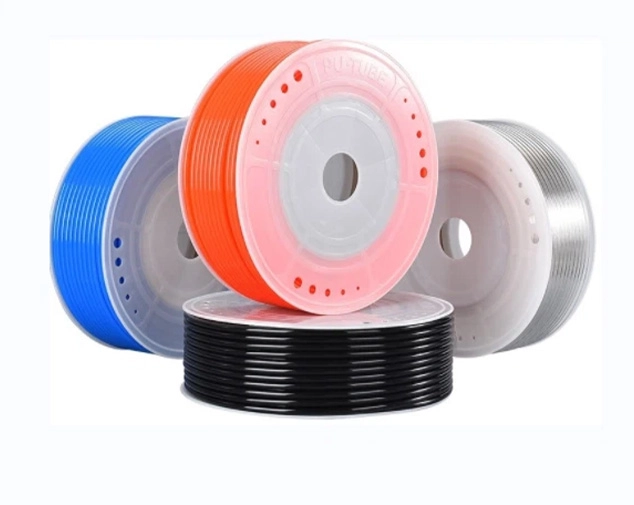
Aisili Pneumatik is a professional manufacturer dedicated to the development and production of polyurethane pneumatic tubing and related pneumatic materials. The company started in 2007 in Yantai, China. Over the past 17 years, it has gained deep knowledge in making high-quality PU tubing. Modern machines and careful choice of raw materials help Aisili create dependable, flexible tubes for automation, robotics, and other fields. Their products follow RoHT and REACH rules. Customers in more than 30 countries rely on them. Aisili offers custom choices for sizes, colors, and details to fit specific needs.
Conclusion
In the end, picking ester-based or ether-based polyurethane tubing depends on your exact workspace. Ester brings solid mechanical power and great wear protection for dry, tough jobs. Ether delivers unmatched defense against moisture and mold. That makes it the smarter option for most everyday pneumatic systems where dampness hides. Often, ether’s longer life makes up for the small extra cost. It reduces stops and fix-up work. Consider your conditions closely. The proper PU pneumatic tubing will keep air lines working smoothly for many years.
FAQs
What is the main difference between ester-based and ether-based PU pneumatic tubing?
The biggest gap shows in how they handle water. Ester-based PU pneumatic tubing weakens faster in wet or humid spots because of hydrolysis. Ether-based fights water much better and stays strong.
When should I choose ether-based PU pneumatic tubing for my system?
Pick ether-based if your setup faces high humidity, outside weather, or water drops in air lines. It also works best in chilly places where you need tubes to stay flexible.
Is ester-based PU pneumatic tubing better for abrasion-heavy applications?
Yes. Ester-based usually wins with its harder outside and better resistance to scratches. It’s a good choice for tubes that scrape against machines or get rough treatment in dry areas.
Can ether-based PU pneumatic tubing resist fungal growth?
Yes, it can. Ether-based really shines in blocking mold and bacteria. That’s a major advantage in moist factories over ester-based kinds.
Which type of PU pneumatic tubing lasts longer in typical industrial pneumatics?
Most times, ether-based PU pneumatic tubing holds up longer than ester-based. This is true especially with any moisture around. It can last 50% longer or more thanks to its strong stand against water breakdown.