


PU vs Nylon vs PVC Pneumatic Tubing: Best Choice Guide
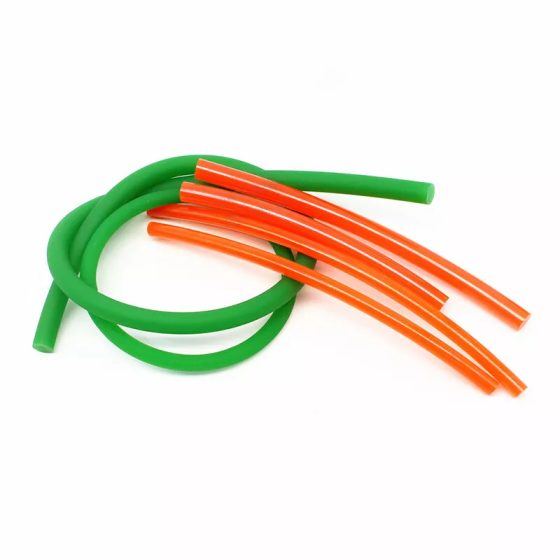
Imagine this. You’re standing on a noisy plant floor. Robots swing overhead. Conveyors never stop. One tiny hose fails, and the whole line freezes. Money burns by the minute. We’ve all been there. Choosing the right air line isn’t glamorous, but it keeps everything moving. Today we’re putting three big players under the spotlight: PU pneumatic tube, Nylon, and PVC. By the time you finish reading, you’ll know exactly which one fits your machines, your budget, and your sanity.
Why Pneumatic Tubing Matters in Your Setup
These hoses carry compressed air from the compressor to every valve, cylinder, and gripper. They’re the veins of your system. Pick poorly and you get kinks, leaks, or sudden bursts. One industry report says bad tubing choices cause up to 15% of unexpected downtime. That can cost $50,000 an hour on a busy line. Pick smart, though, and maintenance drops hard—sometimes by 30% or more. Real shops I’ve walked through swear by it.
Breaking Down the Big Three: PU, Nylon, and PVC
Three materials. Three personalities. Let’s meet them.
Polyurethane (PU) Pneumatic Tubing: The Flexible All-Rounder
PU pneumatic tube feels soft yet tough. You can twist it tight—around a 20 mm circle on a 6 mm line—and it never complains. Ether-based versions laugh at moisture. Ester ones shrug off oil splashes. Most hold 10–15 bar without blinking and work happily from –20 °C to 60 °C. Hardness sits around Shore A 85–98, so it springs back after you step on it or bend it a thousand times.
I watched a bottling plant in Ohio swap old lines for PU. Leaks fell from 8% to almost zero in three months. The maintenance guys smiled for the first time in years. Only real complaint? Direct sunlight can yellow it over time. Easy fix—just add UV protection or run it indoors.
Nylon Pneumatic Tubing: The Tough Guy for High-Stress Jobs
Nylon feels stiff and proud. Drag it across rough steel all day; it barely shows scratches. Smaller sizes laugh at 20 bar bursts. It stays happy down to –40 °C, so freezer warehouses love it. Heat up to 80 °C is no problem either. Fuels and solvents don’t scare it.
A steel mill outside Pittsburgh runs miles of Nylon on overhead cranes. Everything else got chewed up in months. Nylon just keeps going. Trade-off? It hates tight corners. An 8 mm line wants at least a 50 mm bend radius. That stiffness also pushes the price 20–30% above PU.
PVC Pneumatic Tubing: The Budget Pick for Everyday Tasks
PVC is the cheap, cheerful option. Clear walls let you spot dirt or water instantly. Colors help you code your lines fast. It handles 6–8 bar and temperatures from –10 °C to 60 °C without drama. Acid spills? PVC barely notices.
The catch is simple. It hardens and cracks when it moves a lot. I pulled cracked PVC off a shaker table after six months—total mess. It also releases plastic smells over time, so clean rooms hate it. Great for light, static runs. Anything rougher, and it waves the white flag.
Head-to-Head: PU, Nylon, and PVC Compared
Here’s the quick cheat sheet.
|
Eigenschaften |
PU Pneumatic Tube |
Nylon |
PVC |
|
Flexibilität |
Killer (20–30 mm bend radius) |
Decent (40–60 mm bend radius) |
So-so (gets stiff quick) |
|
Pressure Rating |
10–15 bar burst |
15–25 bar burst |
6–10 bar burst |
|
Temp Range |
–20 °C to 60 °C |
–40 °C to 80 °C |
–10 °C to 60 °C |
|
Abrasionsbeständigkeit |
Solid (ether is the champ) |
Beast mode |
Weak (scuffs and cracks) |
|
Chemische Beständigkeit |
Great vs. oil & water |
Loves fuels & solvents |
Acids don’t faze it |
|
Cost per Meter |
$0.50–$1.00 (8 mm) |
$0.80–$1.50 (8 mm) |
$0.20–$0.50 (8 mm) |
|
Typical Life |
2–5 years |
3–7 years |
1–3 years |
Quick hits:
- Crazy tight spots → PU wins every time.
- Freezing docks → Nylon.
- Watching every penny on light duty → PVC.
In a poll last year, 62% of automation techs picked PU for the sweet spot between flex, toughness, and price.
Picking the Right One: Step-by-Step for Your Operation
- Check your pressure. Under 10 bar? PU or PVC. Over 15 bar? Nylon.
- Look around. Wet and oily? PU. Bitter cold? Nylon.
- How much does it move? Constant flex = PU. Mostly still = PVC saves cash.
- Grab samples. Run real air through them. Watch what happens.
- Add up the total cost. A few extra cents up front with PU can save thousands later.
Example: Warehouse sorter, 8 bar, sharp turns, temps 0–40 °C. PU pneumatic tube slides in perfectly. Nylon would be overkill. PVC would split in a month.
Aisili Pneumatic: Your Go-To for Top-Notch PU Solutions
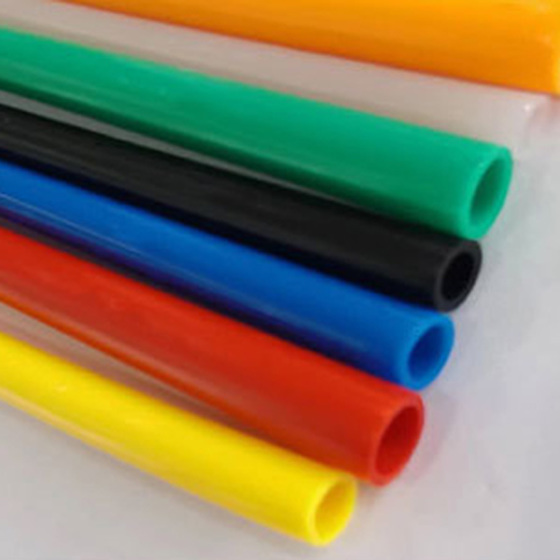
Aisili Pneumatik has been cranking out polyurethane tubing since 2007 out of Yantai, China. Two plants, seven extrusion lines, and a single focus: making PU pneumatic tube that just works. They offer ether and ester versions, diameters from 3 mm to 25 mm, hardness tuned exactly where you need it. Need flame-retardant or custom colors? They’ve got you. Coils up to 15 meters, RoHS and REACH certified, shipped to over thirty countries. From Detroit robots to Singapore packaging lines, their hose keeps the air flowing.
Wrapping It Up: Make the Smart Call for Your Line
In short, precisely matching the most suitable pipe material for your specific application environment is the core to enhancing system reliability. This is not only the sole criterion for avoiding failures and downtime, but also a solid guarantee for ensuring the efficient and stable operation of the entire line. May this guide become a reliable reference for your next selection, helping you make decisions that satisfy both the production line and the team.
FAQs
What makes PU pneumatic tube the everyday hero in most plants? It bends like crazy without kinking and shrugs off oil and moisture. Air keeps flowing smooth even after months of twisting around valves and cylinders.
How does Nylon stack up against PU pneumatic tube when it’s freezing cold? Nylon stays tough down to –40 °C. PU starts getting nervous around –20 °C. So if your lines run through an unheated dock in January, Nylon has the edge.
Can I just use PVC to save money instead of PU pneumatic tube? You can—if the line barely moves and pressure stays low. PVC costs half as much. But once things start flexing hard, PVC cracks fast while PU pneumatic tube keeps smiling.
When should I grab PU pneumatic tube instead of Nylon for robot arms? Anytime space is tight. PU coils in a 20 mm loop. Nylon needs double that. On a fast pick-and-place arm, those extra millimeters make life way easier.
Can I get PU pneumatic tube tweaked for my specific job? Totally. Add flame-retardant sleeves for welding cells or go full ether-base for steamy food plants. Pressure ratings, colors, lengths—most good makers will build exactly what you need.