


5 consideraciones clave para elegir la pistola de aire comprimido adecuada
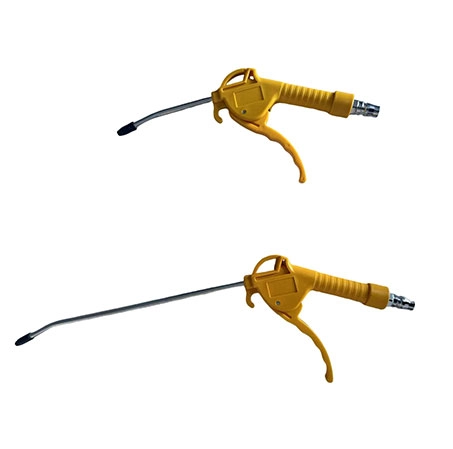
¿Alguna vez has entrado en un taller donde las herramientas neumáticas zumban, pero el equipo de limpieza sigue quitando virutas de las piezas a mano? ¿O tal vez te encuentras en un banco de trabajo electrónico estrecho, luchando contra el polvo con un trapo que más pelusa que ayuda? Esos momentos se acumulan: tiempo perdido, superficies rayadas, técnicos frustrados. Ahí es donde entra en juego una buena pistola de aire comprimido. Elimina la suciedad de forma rápida y limpia, sin complicaciones. Pero no todas las pistolas de aire comprimido son iguales. Si eliges la incorrecta, tendrás que lidiar con soplidos débiles o una herramienta que parece que te está dando problemas. ¿Pero si eliges la correcta? Tu flujo de trabajo se acelera, la seguridad mejora y todo el sistema funciona como debe.
En este artículo, repasaremos cinco aspectos clave a tener en cuenta al buscar una pistola de aire comprimido. Compartiremos experiencias reales y datos relevantes. Tanto si estás equipando una nueva línea de producción como si estás renovando equipos antiguos, estos consejos te guiarán hacia una opción que realmente cumpla con tus expectativas.
Comprender sus necesidades de limpieza
Para empezar, averigua a qué te enfrentas realmente. Las pistolas de aire comprimido no son universales. Una limpieza rápida durante el montaje es diferente a la eliminación de virutas gruesas durante el mecanizado.
Polvo ligero en componentes electrónicos o embalajes.
Las partículas finas requieren chorros suaves y concentrados. Si se aplica demasiada fuerza, se dispersan más partículas de las que se limpian, o peor aún, se dañan componentes sensibles. Piense en plásticos antiestáticos para la carcasa de los compartimentos electrónicos. Un ensamblador con el que hablé el año pasado cambió a un modelo de baja presión después de que la electricidad estática dañara un lote de placas de circuitos. Su tasa de rechazo se redujo un 8 % de la noche a la mañana. Sin complicaciones, solo trabajo constante.
Escombros pesados en talleres metalúrgicos o de automóviles.
Aquí se necesita potencia. Las virutas y el refrigerante requieren un mayor caudal para desplazar la carga sin que se acumule. Un capataz de taller en Detroit me contó que su equipo solía hacer una pausa cada 20 piezas para la limpieza manual. Las nuevas pistolas de soplado con boquillas de latón redujeron ese tiempo a cinco. La producción aumentó un 15 %. Son esos pequeños cambios los que se traducen en horas de trabajo reales ahorradas.
Empieza por planificar tus tareas. Anota el tipo de suciedad, el alcance necesario y la frecuencia con la que se utilizará. Esa lista convierte las ideas vagas en especificaciones precisas.
Ergonomía y comodidad del usuario
Nadie se acostumbra a usar una herramienta que le resulta incómoda. Las jornadas largas provocan fatiga rápidamente, y los resbalones no tardan en aparecer. Una buena pistola de aire comprimido se siente como una extensión de la mano, no como una carga.
Diseño de la empuñadura y equilibrio del peso
Busca mangos ergonómicos que se adapten a un puño enguantado. Los cuerpos de aluminio los mantienen ligeros (menos de 225 gramos en la mayoría de los modelos), mientras que las aleaciones de zinc les aportan durabilidad sin aumentar su volumen. Las versiones de plástico reducen aún más el peso y resisten mejor en ambientes secos.
En una encuesta realizada por el Manufacturing Institute el otoño pasado, el 62% de los operarios señalaron el uso de herramientas pesadas como su principal queja. Una planta de envasado cambió a gatillos ergonómicos. Los informes de lesiones disminuyeron un 25%. Los operarios también se movían más rápido, con menos molestias en las muñecas durante el turno.
Reducción de la sensación de activación y la fatiga
Los gatillos suaves son mejores que los rígidos. Los gatillos de acero inoxidable con resortes ligeros permiten dosificar el aire sin cansarse. Los protectores ajustables evitan disparos accidentales.
Imagínese a un soldador en Ohio. El gatillo de su vieja pistola se atascó después de 30 minutos. ¿Y la nueva? Empuñadura de goma, fácil de accionar. Terminó el trabajo un 10 % más rápido y sin ampollas. Pequeños ajustes, gran comodidad.
Durabilidad del material y calidad de fabricación
Tu cerbatana tiene que aguantar golpes. Caídas, aceites, agarres constantes... todo se acumula. Las cosas baratas se agrietan; las de buena calidad duran.
Resistencia a la corrosión en ambientes húmedos
Las boquillas de latón o acero inoxidable resisten bien la corrosión en zonas con mucho refrigerante. Los cuerpos de aluminio con acabado anodizado soportan bien la humedad del taller. Evite el acero simple a menos que se trate de un banco de trabajo completamente seco.
Un operario de CNC contó cómo su pistola sin recubrimiento se corroía tras seis meses cerca de la zona de lavado. La cambió por una con punta de latón. Dos años después, sigue funcionando a la perfección. Ya no hay paradas inesperadas.
Tolerancia al impacto y al desgaste
Las carcasas de plástico reforzado o zinc resisten bien las caídas desde carros de herramientas. Busque modelos que hayan sido probados para resistir caídas de hasta 3 metros sin fugas.
|
Opción de material |
Lo mejor para |
Borde de durabilidad |
Ejemplo de caso de uso |
|
Carrocería de aluminio |
Uso general de la tienda |
Ligero, buena resistencia a la corrosión |
Líneas de montaje con manejo moderado |
|
Aleación de zinc |
Zonas de alto impacto |
Resistente a caídas y golpes. |
Talleres de reparación de automóviles con tráfico intenso |
|
Plástico reforzado |
Áreas sensibles a la ESD |
Antiestático, ultraligero |
salas blancas de electrónica |
|
Boquilla de latón |
Exposición a líquidos o productos químicos |
Flujo preciso y resistente a la corrosión |
Mecanizado con refrigerantes |
Según datos de un informe de Fluid Power de 2024, los modelos duraderos tienen una vida útil tres veces mayor que los básicos. Menos reemplazos significan presupuestos más estables.
Características de seguridad que no puedes pasar por alto
El aire a presión no es ninguna broma. Una explosión inesperada puede pellizcar la piel o lanzar escombros. La seguridad inteligente convierte los riesgos en rutinas.
Prevención de ruido y descargas eléctricas conforme a las normas de OSHA
Su funcionamiento silencioso (menos de 90 dB) protege tus oídos sin necesidad de usar tapones. Las boquillas de seguridad ventilan hacia los lados en caso de obstrucción, evitando así picos de presión que podrían reventar los tímpanos.
Un taller de fabricación de lámparas recibió multas tras un incidente con una boquilla de descarga. Se instalaron boquillas ventiladas. Desde entonces, no se han presentado reclamaciones y el equipo trabaja sin ese constante sobresalto.
Opciones de presión y protección ajustables
Las válvulas de pulgar permiten ajustar el volumen desde un susurro hasta un silbido. Los protectores de extensión evitan activaciones accidentales en bancos abarrotados.
En electrónica, los plásticos antiestáticos (ESD) se conectan a tierra. Una empresa de fabricación de placas de circuitos redujo las descargas eléctricas en un 40 % con modelos conectados a tierra. Tranquilidad total, literalmente.
Especificaciones de rendimiento: caudal, presión y precisión.
Los números lo dicen todo. El caudal (CFM) y la presión (PSI) determinan la fuerza del impacto; la forma de la boquilla lo dirige.
Variedad de boquillas para una limpieza precisa.
Las puntas rectas permiten barridos amplios. Las curvas se introducen en las grietas. Los brazos extendidos, de hasta 30 cm, permiten llegar a los puntos ciegos.
- Boquilla estándar: Abanico ancho para superficies planas, como zonas libres de cintas transportadoras.
- Boquilla de seguridad: Ventilado para cumplir con las normas, ideal para equipos.
- Punta flexibleExtensiones de goma para partes delicadas, sin arañazos.
En una encuesta realizada a 200 talleres, el 78 % afirmó que el intercambio de boquillas mejoraba la versatilidad. Un equipo mantenía tres boquillas a mano, cambiándolas en cada estación de trabajo, lo que reducía el desorden de herramientas.
Caudal de aire y presión nominal
Los modelos estándar ofrecen una presión de 100 a 150 PSI y un caudal de 20 a 30 CFM para la mayoría de los trabajos. Las versiones de alto rendimiento alcanzan los 200 PSI para la suciedad más incrustada.
Un metalúrgico comparó tres pistolas de vapor. La de 25 CFM vació un banco en 45 segundos; la de 15 CFM tardó el doble. Elija la pistola adecuada para la potencia de su compresor: una de mayor tamaño consume mucha energía.
Mantenimiento y fiabilidad a largo plazo
Su fácil mantenimiento garantiza su buen funcionamiento. Un arma delicada permanece inactiva; una sencilla se mantiene en uso.
Diseños de limpieza rápida y disponibilidad de piezas
Las boquillas extraíbles se enjuagan en segundos. Las juntas tóricas que se cambian sin herramientas evitan los problemas que suelen causar las juntas pegadas.
Registro de mantenimiento de una planta del Medio Oeste: Las armas básicas requerían ajustes semanales. ¿Las modulares? Mensuales como máximo. El tiempo de actividad aumentó un 12 %.
Garantía y soporte
Busque una cobertura de 1 a 2 años para defectos. Los proveedores que responden rápidamente ofrecen soluciones ágiles.
Los operarios confían plenamente en los kits con repuestos: filtros, pines. En un compartimento había repuestos; las averías se redujeron a cero.
Enfoque en Aisili Pneumatic: Herramientas artesanales que duran
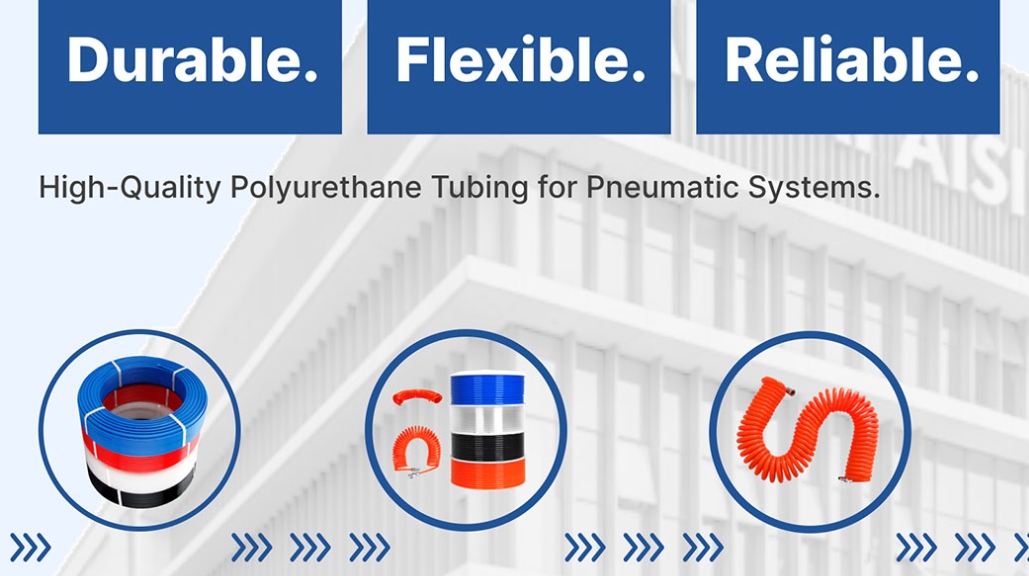
Aisili neumático ha estado en las trincheras desde 2007, construyendo desde Yantai, China, con una mirada atenta a tubos neumáticos de poliuretano y el kit completo de accesorios relacionados. Comenzaron con líneas básicas, ampliaron sus fábricas en 2010 y llegaron a los estantes de todo el mundo en 2014. Hoy en día, dos plantas operan con siete líneas de extrusión, produciendo desde mangueras flexibles hasta productos resistentes a la abrasión. pistolas de aire comprimido que se integran perfectamente en las configuraciones de automatización.
Es algo práctico: ajustan la dureza de 85A a 98A, los colores para una identificación rápida y los tamaños hasta 4 mm para trabajos de precisión. Los sellos RoHS y REACH lo mantienen limpio para su uso en todo el mundo, y se han enviado a más de 30 países, alimentando líneas en automóviles, minería y más allá. Cuando necesite una pistola de aire comprimido que se conecte sin problemas a su flujo neumático, La línea de Aisili ofrece La determinación sin las conjeturas.
En resumen: elige con inteligencia, sopla con fuerza.
Ahí lo tienes: cinco aspectos clave para elegir tu próxima pistola de aire comprimido. Desde igualar la suciedad hasta cuidar la musculatura, se trata de adaptar la herramienta a la tarea. Si dominas estos aspectos, no solo limpiarás, sino que mantendrás la línea de producción en marcha, a los técnicos contentos y la productividad en aumento. Coge una libreta, anota las necesidades y prueba un par de modelos. El adecuado está ahí fuera, listo para facilitarte el día.
Preguntas frecuentes
¿Cuál es el mayor error que comete la gente al elegir una pistola de aire comprimido?
Ir directamente al precio sin analizar el trabajo. Un modelo barato puede funcionar bien para el polvo, pero no para las virutas. Primero, analiza los residuos (¿ligeros o pesados?) y luego elige el caudal de aire (CFM) adecuado. Te ahorrarás problemas más adelante.
¿Cómo influye la elección de la boquilla en las capacidades de una pistola de aire comprimido?
Permite dirigir el chorro. Recto para superficies amplias y despejadas, como bancos. Curvado o extendido para rincones, por ejemplo, en el interior de piezas fundidas. Un taller cambió a puntas flexibles y redujo a la mitad los arañazos en las piezas; se acabaron los chorros descontrolados.
¿Merece la pena el coste adicional que supone la incorporación de características de seguridad en una pistola de aire comprimido?
Siempre. Las boquillas ventiladas evitan los estallidos de presión, protegiendo los dedos. Y los modelos más silenciosos evitan la fatiga auditiva diaria. Un equipo que conozco evitó multas de la OSHA tras actualizarse; además, ahora lo usan con más frecuencia.
¿Cómo puedo saber si una pistola de aire comprimido es compatible con mi sistema neumático?
Verifique la presión (PSI) y el caudal (CFM) de su compresor. La mayoría alcanzan fácilmente entre 100 y 150 PSI, pero para trabajos de alto caudal se requieren más de 25 CFM. Compruebe la caída de presión en la conexión: si es inferior al 10%, es ideal. Esto garantiza un funcionamiento óptimo del sistema.
¿Cuál es una forma rápida de probar la durabilidad de una pistola de aire comprimido?
Déjalo caer varias veces desde la altura de la cintura y luego déjalo correr a máxima potencia durante 10 minutos. ¿No tiene fugas ni se tambalea? Es de buena calidad. Enjuágalo con disolvente para taller. Si lo resiste, aguantará el uso diario.