


Cómo identificar y reparar rápidamente las fugas de presión en tuberías neumáticas de nailon.
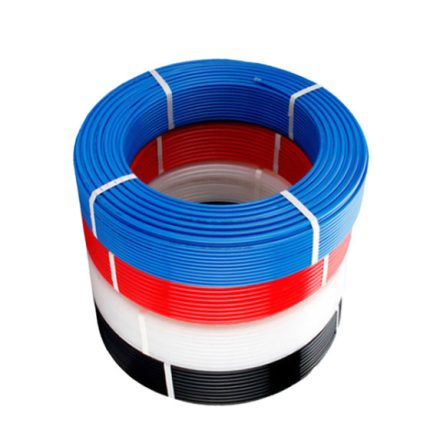
Ese agudo silbido del aire que se escapa puede acabar con toda una línea de producción en un instante. Un segundo todo funciona a la perfección. Al siguiente, la presión cae, los cilindros se ralentizan y la producción diaria se ve afectada. En muchas fábricas, Tubos de nailon 12 Constituye la base de estos sistemas de aire. Resiste el uso diario intensivo mejor que muchas otras opciones disponibles.
Si eres el técnico que se apresura a localizar la fuga antes de que llegue el supervisor, este artículo describe pasos reales que realmente ayudan. Cubriremos las señales a las que debes prestar atención, formas de solucionar las cosas rápidamente y por qué es importante tomar medidas sólidas. Tubos de nailon 12 Desde el principio, esto evita que estos problemas aparezcan con tanta frecuencia.
¿Por qué las fugas de presión ocurren con más frecuencia de la que deberían?
Las líneas neumáticas sufren daños en el suelo. Las máquinas vibran constantemente. Los brazos se balancean durante todo el turno. Las temperaturas oscilan entre el frío intenso durante la noche y el calor abrasador cerca de los hornos. Además, de vez en cuando se producen salpicaduras de aceite, refrigerante o limpiadores agresivos. Estos pequeños problemas se acumulan durante semanas y meses, y luego se manifiestan como caídas de presión importantes.
Los puntos problemáticos más comunes incluyen los siguientes:
-
Accesorios que nunca se ajustaban lo suficiente o que se aflojaban debido a las vibraciones.
-
Torsiones y curvas pronunciadas que debilitan la pared del tubo poco a poco.
-
Rasguños y rozaduras por golpes contra metal afilado o bordes de cintas transportadoras
-
Grietas que aparecen tras interminables ciclos de calor y frío.
-
Juntas que se desplazan ligeramente a medida que el material reacciona a los cambios de temperatura.
En talleres mecánicos y líneas de envasado con mucho trabajo, los operarios tienen que atender estas fugas varias veces por semana. La factura se dispara rápidamente. Se desperdicia aire comprimido, el compresor trabaja horas extras y las paradas imprevistas retrasan el trabajo.
Paso a paso: Cómo detectar una fuga rápidamente
Para empezar, rara vez necesitas equipo de alta tecnología. La mayoría de las fugas te alertan si prestas atención con los oídos y los ojos.
Empiece por lo sencillo. Recorra la línea mientras el sistema permanece presurizado. Si es posible, reduzca el ruido a su alrededor. Un silbido constante suele indicar la ubicación del problema. Concéntrese en las juntas, las curvas y los puntos cercanos a las piezas móviles.
Luego, realiza la prueba del jabón. Sigue siendo mucho más eficaz que la mayoría de las herramientas sofisticadas para trabajos de campo rápidos. Mezcla un poco de jabón líquido para platos con agua en una botella con atomizador. Rocía cada conexión, acoplamiento y cualquier tramo de tubería sospechoso. Si aparecen burbujas, significa que hay fugas de aire. Marca el punto inmediatamente con cinta adhesiva o un bolígrafo para que no lo olvides.
Comprueba también la presión. Conecta manómetros en ambos extremos de la sección sospechosa. Una caída brusca en un tramo corto casi siempre indica una fuga oculta en algún punto intermedio. ¿Has perdido aunque sea un par de psi? Es hora de investigar más a fondo.
Observa con atención bajo luces intensas. Busca líneas blancas que indiquen tensión en la superficie, zonas aplastadas, cambios de color extraños debido a productos químicos o accesorios torcidos o desalineados.
¿Tienes una cámara térmica a mano? Úsala. El aire que se escapa enfría la zona circundante. Un escaneo rápido permite identificar con precisión el área problemática, especialmente en tramos largos ocultos tras equipos.
Cómo reparar la fuga: desde un parche rápido hasta una solución permanente.
Encuentra la fuga y actúa con rapidez, pero no te apresures a repararla.
Para una pausa rápida y temporal cuando la línea debe mantenerse activa:
-
Apriete la pieza ligeramente, un cuarto de vuelta. No dañe la rosca.
-
Inserte una pieza de reparación corta utilizando conectores de presión.
-
Envuélvalo con cinta neumática de buena calidad o aplique algún sellador para fugas. Considere esto como una solución temporal hasta el período de inactividad programado.
Para una reparación sólida y duradera:
-
Recorta todo el tramo dañado. Evita cualquier solución a medias en zonas agrietadas. Tubos de nailon 12.
-
Instale tuberías nuevas, rectas o con forma, con los racores correspondientes.
-
Asegure todo con clips o fundas protectoras para que no se roce ni se doble de nuevo.
-
Ten en cuenta el radio de curvatura. Tubos de nailon 12 Se flexiona bastante bien, pero manténgase por encima del mínimo de seguridad para evitar futuras grietas.
Repita la prueba del jabón una vez que haya terminado. Observe la presión durante el siguiente turno. Si la fuga reaparece pronto, es probable que no haya detectado la causa principal, como vibraciones o fricción constante.
Elegir tubos de nailon 12 que resistan las fugas desde el primer día
No todos los tubos resisten bien las duras condiciones de la planta. Tubos de nailon 12 Aquí es donde destaca. Absorbe muy poca humedad, generalmente menos del 0,5%. Por lo tanto, el tubo mantiene su tamaño exacto incluso cuando el aire se humedece o se lava el suelo. Las conexiones se mantienen firmes porque el material apenas se hincha o se encoge.
Ese tamaño constante también mantiene uniformes el grosor de la pared y el diámetro interior. El flujo de aire se mantiene uniforme. La presión se mantiene firme en cada junta. Incluso a temperaturas bajo cero de hasta -40 °C, conserva su flexibilidad en lugar de volverse quebradizo como otros materiales.
Nylon 12 Ofrece una gran resistencia a aceites, hidrocarburos y numerosos productos químicos industriales que corroen los tubos más débiles. Además, tolera bien la luz solar, por lo que puede utilizarse cerca de ventanas o en exteriores. Las presiones de trabajo típicas oscilan entre 10 y 30 bares, según el diámetro y el grosor. Esto proporciona un buen margen de seguridad para la mayoría de las instalaciones automatizadas.
Muchos técnicos ven muchas menos llamadas por fugas después de cambiar a calidad. Tubos de nailon 12Este producto conserva su forma y su sellado hermético durante más tiempo, incluso con el uso diario.
Ejemplo práctico desde el suelo
Imagínese un sistema robótico en una planta automotriz del Medio Oeste. Los brazos móviles tenían conductos de aire rectos que los recorrían. Cada dos semanas, debido al movimiento constante, se formaba una deformación o raspadura. La presión disminuía y afectaba la precisión de los movimientos del robot.
El equipo revisó todo. Reemplazaron los puntos débiles con piezas del tamaño adecuado. Tubos de nailon 12 De Aisili Pneumatic. Le añadieron manguitos en las zonas de mayor desgaste y suavizaron ligeramente el radio de curvatura.
Los resultados no se hicieron esperar. El tiempo de inactividad por fugas se redujo en más del 70 por ciento en los primeros tres meses. El personal de mantenimiento dejó de perseguir problemas sin solución y retomó su trabajo programado.
Breve introducción a Aisili Pneumatic
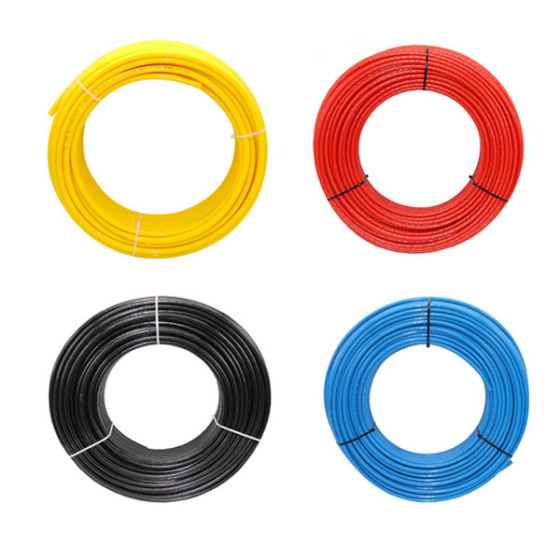
Aisili neumático Se labró su reputación como un fabricante sólido centrado en el desarrollo y la fabricación. Tubos neumáticos multimateriales además de otros materiales neumáticos relacionados. La empresa comenzó en 2007. Desde entonces se ha centrado en materiales resistentes, soluciones de alto rendimiento para automatización, robótica, trabajos en la industria automotriz, embalaje y áreas exigentes similares.
Utilizan modernas líneas de extrusión, aplican estrictos controles de calidad y gestionan numerosos pedidos personalizados. Aisili fabrica tubos que cumplen con las principales normas internacionales, como RoHS, REACH, FDA y los requisitos relativos a las sustancias PFAS.
Fíjese, por ejemplo, en sus tubos Flexcoil PU. Recuperan bien su forma y resisten la abrasión en espacios reducidos donde las cosas se mueven constantemente. Tanto si necesita tubos rectos como si no. Nylon 12 Ya sea mediante tuberías para presión constante o poliuretano en bobina para caídas de herramientas, Aisili combina la experiencia real en materiales con una fabricación práctica para ayudar a que los sistemas funcionen a pleno rendimiento.
Conclusión
Las fugas de presión no tienen por qué convertirse en un problema constante en el taller. Detectarlas a tiempo, repararlas correctamente y empezar con tuberías lo suficientemente resistentes para soportar el desgaste habitual. Tubos de nailon 12 Ofrece claras ventajas en este aspecto. Absorbe muy poca humedad, mantiene sus dimensiones estables y funciona de manera fiable ante grandes fluctuaciones de temperatura y exposición a productos químicos.
Cuando las líneas permanecen selladas y la producción sigue fluyendo, tanto los operarios como los jefes notan la mejora.
Preguntas frecuentes
¿Qué hace que los tubos de nailon 12 sean menos propensos a las fugas de presión en comparación con otros materiales?
Apenas absorbe agua, generalmente menos del 0,5 %. Por lo tanto, el tubo casi no cambia de tamaño con las variaciones de humedad o temperatura. Los racores mantienen un mejor agarre. Además, el material permanece flexible en climas fríos y repele muchos aceites y productos químicos que posteriormente provocan hinchazón o grietas.
¿Con qué frecuencia debo inspeccionar los tubos neumáticos de nailon 12 para detectar posibles fugas?
Las zonas con vibraciones intensas o movimientos rápidos requieren una revisión mensual. Las secciones de plantas regulares se mantienen bien con una inspección visual y una prueba de jabón cada tres meses aproximadamente. Inspeccione siempre después de trabajos importantes o cuando la presión se comporta de forma extraña sin motivo aparente.
¿Puedo usar tubos de nailon 12 en exteriores o en ambientes fríos?
Maneja ambos sin problemas. Sólido. Nylon 12 Funciona a temperaturas desde -40 °C hasta aproximadamente 100 °C. Resiste bastante bien los rayos UV y las grietas. Solo hay que protegerlo de golpes fuertes, mantener los radios de curvatura adecuados y añadir soportes donde sea necesario.
¿Cuál es la mejor manera de reparar una pequeña fuga en una tubería de Nylon 12 sin tener que reemplazar toda la tubería?
Elimine por completo la parte dañada e instale una sección nueva con conexiones de compresión o de ajuste a presión fiables. No utilice cinta adhesiva durante más de unas horas. Una reparación limpia restablece la presión total y evita que la fuga se propague.
¿Ofrece Aisili Pneumatic tubos de nailon 12 en tamaños y colores personalizados?
Por supuesto que sí. Aisili puede ajustar los diámetros, el grosor de las paredes, los colores (incluidas las coincidencias exactas con Pantone) y el embalaje para que se adapten a su configuración específica, manteniendo siempre la misma calidad.