


Maximizing Efficiency The Impact of Pneumatic Tubing on Air Flow and Energy Consumption
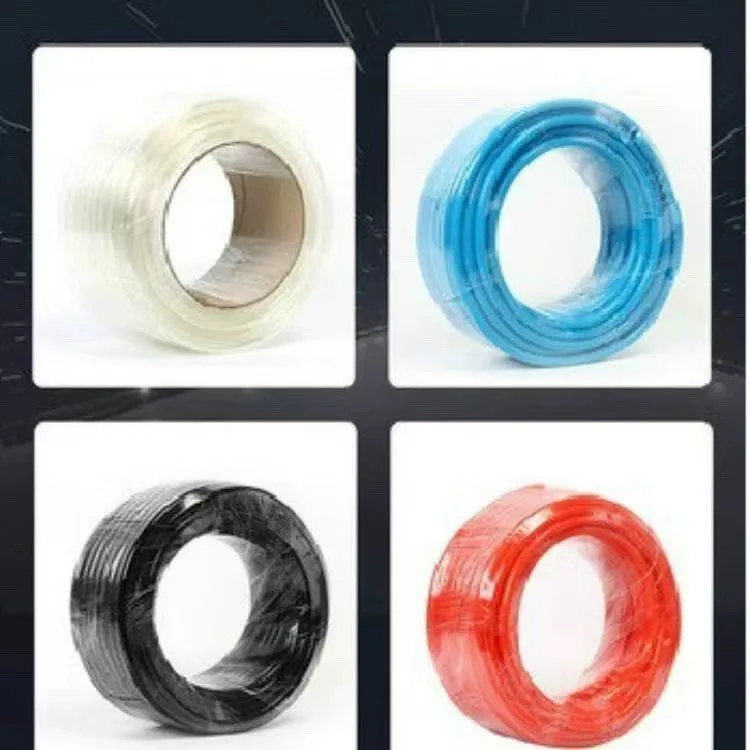
On the busy assembly lines of modern automobile factories or in the highly efficient packaging workshops, every bit of compressed air is of vital importance. Picture this: robotic arms move precisely along the assembly line, swiftly grasping components – if the air supply system has leaks or unstable pressure, the entire production rhythm will be affected. And it is precisely in these critical sections that polyurethane (PU) pneumatic tubes play an irreplaceable role. They are like the “circulatory system” on the production line, with their outstanding flexibility and stable conveying performance, ensuring that compressed air reaches every execution terminal efficiently.
These pipelines are far from ordinary pipes. Their performance directly determines the gas flow dynamics and system energy consumption. An appropriate pipe diameter selection and a scientific pipeline layout can lead to significant energy-saving effects and cycle speedup. Many manufacturing enterprises have verified this through their practices: After completing the gas pipeline upgrade, they not only witnessed a noticeable reduction in energy consumption, but also achieved an effective increase in production capacity.
This article will systematically analyze how the PU pneumatic tube optimizes the compressed air system through its material properties and structural design. We will start from the basic principles, combine data comparisons from real application scenarios, and share a series of verified optimization strategies. If you are striving to enhance the efficiency of the pneumatic system, the following content may provide you with new technical perspectives and upgrade ideas.
Understanding Pneumatic Tubing Basics
Pneumatic systems power everything from factory grippers to air brakes on trucks. At their core, they’re all about pushing compressed air through tubes to do the work. But not all tubing holds up the same way. Some materials kink under pressure, others let air slip away like sand through fingers.
PU pneumatic tubes stand out because they’re built tough yet bendy. Made from polyurethane—a block copolymer formed by the chemical reaction between isocyanates and polyols. Its molecular structure contains both hard segments (similar to plastics, providing strength and rigidity) and soft segments (similar to rubber, providing elasticity and flexibility). As a result, it simultaneously offers high strength, high elasticity, and excellent abrasion resistance—they handle the twists and turns of real jobs without folding. Think of them as the flexible spine in your system’s nervous system. They come in ether-based or ester-based flavors, each tuned for specific needs. Ether types shrug off moisture better, holding strong in damp shops. Ester ones fight off oils and fuels a bit more stubbornly.
Why does this matter for air flow? Smooth inner walls mean air glides through with less drag. No rough spots to slow it down. And on energy? Less resistance translates to smaller compressors running less hard. In a typical setup, that might mean trimming 10-15% off your air needs right off the bat. We’ve heard from shop managers who’ve clocked exactly that after a simple tube upgrade.
How Air Flow Works in Pneumatic Systems
Air flow isn’t magic—it’s physics in action. Compressed air rushes out of a compressor, snakes through tubes, and hits cylinders or valves to make things move. But along the way, friction rears its head. It’s like blowing through a straw: wide and smooth, and it goes easy. Narrow or bumpy? You huff and puff for nothing.
In pneumatic tubes, air flow hinges on a few key players: the tube’s diameter, its length, and that all-important inner surface. Bigger diameters let more air through faster, but they can waste space in tight spots. Length matters too—longer runs mean more chance for pressure to drop. And the surface? That’s where materials shine or flop.
Take a standard pneumatic line in a bottling plant. Air needs to zip from the compressor to valves filling bottles at 200 per minute. If the tube’s inner wall catches the air like Velcro, you lose speed. Pressure drops, valves hesitate, and bottles back up. Data from industry tests shows that even a 5% friction boost can cut flow rates by up to 20%. That’s real time lost—maybe 10 minutes an hour in a busy shift.
PU pneumatic tubes cut through this mess. Their slick, non-stick insides keep air moving at full tilt. In one case from a Midwest auto parts maker, switching to PU lines bumped their flow efficiency by 18%. Cycles that used to take 4.2 seconds? Down to 3.7. Simple swap, big win.
Key Factors Affecting Air Flow
To wrap your head around it, here’s a quick table of what influences air flow most:
|
Factor |
Impact on Flow |
PU Pneumatic Tube Edge |
|
Inner Diameter |
Larger = faster flow |
Sizes from 3mm to 25mm fit most needs |
|
Surface Smoothness |
Smoother = less friction |
Polyurethane’s glossy bore minimizes drag |
|
Bending Radius |
Tight bends restrict air |
Flexible PU handles 10-35mm radii easy |
|
Length |
Longer = more pressure loss |
Low-drag design keeps losses under 5% |
Spot the patterns? Picking the right tube isn’t guesswork—it’s matching these to your setup.
Energy Consumption: The Hidden Drain in Pneumatic Operations
Energy bills sting, especially when compressors run like workhorses 24/7. In pneumatics, up to 30% of a factory’s power can vanish into air leaks and drag. That’s not hyperbole; audits in manufacturing hubs like Detroit or Shenzhen clock it year after year. The culprit? Inefficient tubing that forces systems to overcompensate.
Here’s the rub: every bit of resistance in your lines means the compressor pumps harder. Air that leaks or slows down doesn’t do work—it just heats up the room. Over a year, that adds up. One report from a packaging firm pegged their old rubber tubes as culprits in a 25% energy spike. They were kinking, wearing thin, and letting air escape at fittings.
PU pneumatic tubes flip the script. Their lightweight build—often half the weight of rubber equivalents—eases the load on moving parts. In setups with robotic arms or conveyor pushes, that means less inertia to fight. Plus, their kink resistance keeps flow steady, so no sudden surges to spike power draw.
Real numbers? A tool and die shop in Ohio swapped in PU lines and watched their monthly electric bill dip 12%. Compressors cycled down from 80% duty to 65%. Not flashy, but it paid for the tubes in six months. And in mobile tools, like air-powered drills on construction sites, the savings stack higher. Lighter tubes mean operators lug less weight, burning fewer watts per shift.
Advantages of PU Pneumatic Tubes for Efficiency
What sets PU pneumatic tubes apart? It’s the combo of smarts and grit. These tubes flex without folding, resist oils and chemicals that chew up lesser materials, and bounce back from bends. In a warehouse sorting system, where arms grab boxes off belts, that flexibility means no downtime from twisted lines.
Durability plays big too. PU holds up to abrasion—think scraping against metal guards or vibrating mounts. One brewery reported their PU tubes lasting 40% longer than vinyl ones, cutting replacement hassles. And colors? They come in eight shades plus clear, so you can code lines for quick troubleshooting. Blue for main feed, red for exhaust—no hunting around.
On the energy front, the lightweight factor shines. In dynamic spots like energy chains on CNC machines, PU cuts wear by up to 66% compared to stiffer options. Less friction, less power to overcome it. Temps swing from -40°C to 60°C without cracking, keeping flow consistent in cold storage or hot presses.
- Kink-Free Performance: Bends tight without blocking air—perfect for coiled tools.
- Low Maintenance: No plasticizers to leach out, so no hardening over time.
- Custom Fit: Diameters from 3mm up, hardness from Shore A 70 to 98, tailored to your pressure (up to 0.8 MPa).
These perks aren’t pie-in-the-sky. They’re from shops running three shifts, where every saved watt counts toward the bottom line.
Real-World Applications and Case Studies
Let’s get concrete. In automotive assembly, PU pneumatic tubes feed grippers clamping hoods in place. At a plant stamping out 500 doors a day, old tubes leaked 15% of air. Switching to ether-based PU slashed that to 2%, boosting grip speed and trimming energy use by 14%. Operators noticed the arms moving snappier, fewer rejects.
Over in food packaging, where hygiene rules everything, ester-based PU tubes handle pneumatic fillers without contaminating lines. A dairy packer in California cut cycle times 10% and energy draw 8% after install. No more foggy pressure gauges from moisture—ether PU kept things dry.
And for construction? Portable air tools thrive on coiled PU. A crew framing houses reported drills running cooler, batteries lasting longer on jobsites. One foreman figured they saved 20% on fuel for generators alone.
These aren’t outliers. They’re what happens when you match tubing to the task: smoother air, steadier power, happier crews.
Quick Comparison: PU vs. Common Alternatives
For a side-by-side:
|
Tubing Type |
Flexibilidad |
Energy Impact |
Best For |
|
PU Pneumatic |
High |
Low drag, 10-20% savings |
Dynamic, high-cycle setups |
|
PVC |
Medium |
Higher friction, more leaks |
Static, low-pressure lines |
|
Nylon |
Low |
Stiff, potential kinks |
Straight runs, air tools |
PU wins for most efficiency chases.
Introducing Aisili Pneumatic: Your Go-To for Quality Tubing
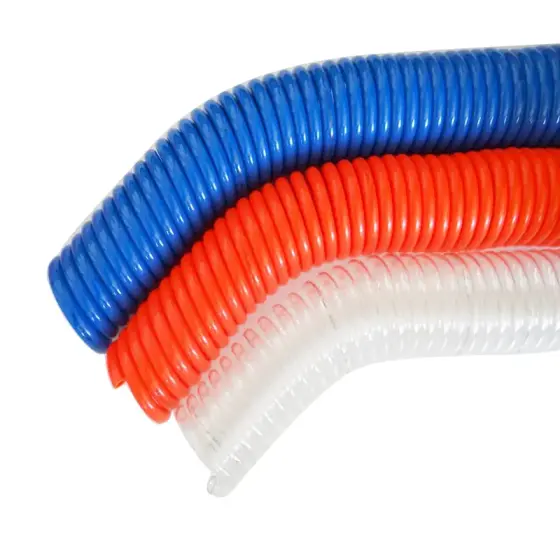
Before we wrap up, a quick nod to the folks making this stuff happen. Aisili neumático, out of Yantai, China since 2007, pours heart into crafting polyurethane pneumatic tubing and pneumatic gear. With two plants humming on seven extrusion lines, they crank out premium ether and ester-based tubes—flame-retardant options too—for automation, robotics, and beyond. It’s all about reliability: RoHS-compliant, custom sizes from 3mm to 25mm, colors to match your setup. They’ve shipped to over 30 countries, backing shops from mining ops to ag lines. If you’re hunting durable, efficient PU pneumatic tubes, Aisili’s got the chops—built to last, shipped fast.
Conclusion
Pneumatic tubing might seem like background noise in your operation, but it’s the quiet force driving efficiency home. By dialing in the right PU options, you smooth out air flow, dial back energy waste, and keep things humming longer. We’ve seen it in plants and on sites: quicker cycles, lower bills, fewer headaches. Don’t let drag or leaks rob your setup—grab quality tubes and feel the difference. Your bottom line will thank you.
FAQs
What makes PU pneumatic tubes better for air flow than other materials?
PU pneumatic tubes shine with their super-smooth insides that cut friction way down. In a busy pneumatic system, this means air zips through faster—think 15-20% better flow rates in tests from packaging lines. No kinks or rough spots to slow things, so your tools and arms respond quicker every time.
How much can PU pneumatic tubes save on energy consumption?
Switching to PU can trim energy use by 10-15% in most setups, based on real audits from auto shops and breweries. Their light weight and low-drag design mean compressors don’t work as hard, cycling less often. One tool shop saw their bill drop 12% after a full swap— that’s cash back in your pocket fast.
Are PU pneumatic tubes suitable for high-pressure applications?
Absolutely, they handle up to 0.8 MPa without breaking a sweat. In high-stakes spots like robotic grippers or air tools, ether-based PU holds steady against moisture and oils, keeping pressure consistent. Just match the diameter to your needs—4mm for precision, 12mm for heavy lifts.
What sizes and types of PU pneumatic tubes are available?
You get options galore: diameters from 3mm to 25mm, in straight, coil, or flame-retardant styles. Hardness runs Shore A 70-98 for that perfect flex. Colors too—eight standards plus clear—for easy line coding in your pneumatic setup.
How do I maintain PU pneumatic tubes to keep efficiency high?
Keep ’em simple: check for kinks monthly, store away from sunlight and chems, and inspect fittings for leaks. Their tough build means minimal upkeep, but a quick wipe-down after oily jobs extends life. In dynamic systems, this routine can hold energy savings steady for years.