


Problèmes courants liés aux tubes pneumatiques et meilleures pratiques pour prévenir les défaillances du système
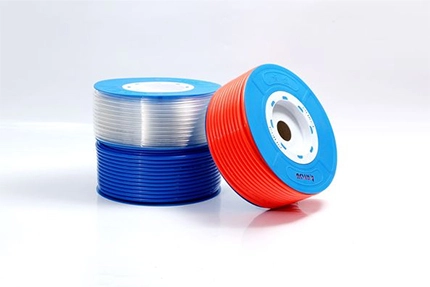
Les systèmes pneumatiques assurent le bon fonctionnement des usines. Ils alimentent tout, des bras robotisés aux chaînes de montage. Au cœur de ces installations se trouvent les tubes. Les tubes pneumatiques en polyuréthane, en particulier, sont très utilisés car ils sont flexibles et résistants. Mais il arrive que des problèmes surviennent : des fuites apparaissent, les tubes s'usent rapidement, ou pire encore, un tube éclate soudainement.
Imaginez la situation : une usine automobile en pleine activité. Les cylindres s’activent des centaines de fois par heure. Soudain, l’un d’eux s’arrête. Arrêt de production. La cause ? Un tube fissuré laissant échapper de l’air. Cela représente des milliers d’euros de pertes de production. Prenons aussi l’exemple d’une usine d’emballage située dans une zone humide. L’humidité s’infiltre et ronge les tubes au fil des mois. Ce genre de pannes est plus fréquent qu’on ne le pense.
Cet article examine les problèmes les plus courants liés aux tubes pneumatiques. Nous aborderons les causes réelles, basées sur les incidents rencontrés quotidiennement en atelier. Ensuite, nous partagerons des solutions simples pour les prévenir. Adopter de bonnes pratiques permettra de réduire les pannes et d'assurer le bon fonctionnement de vos lignes.
Pourquoi les tubes pneumatiques sont importants dans les systèmes industriels
L'air comprimé circule dans des tubes alimentant les vannes, les vérins et les outils. Les tubes pneumatiques en polyuréthane se distinguent par leur robustesse et leur flexibilité. Ils résistent aux pliures même dans les espaces restreints, reprennent leur forme initiale après avoir été pliés et supportent l'usure quotidienne dans les secteurs de l'automatisation, de la robotique et de la production industrielle.
Mais les tubes sont mis à rude épreuve. Ils subissent des variations de pression constantes, des vibrations et l'abrasion. L'humidité ou les produits chimiques qui s'y ajoutent peuvent engendrer des problèmes. Les professionnels du secteur savent que jusqu'à 30 % des problèmes pneumatiques sont dus à des tubes défectueux ou à une mauvaise installation. Un dépannage précoce permet d'éviter bien des soucis.
Problèmes courants liés aux tubes pneumatiques
Les problèmes se manifestent de différentes manières. Certains surviennent brutalement, d'autres s'installent insidieusement. Voici un aperçu des principaux problèmes rencontrés par les ingénieurs.
|
Problème |
Causes courantes |
Impact concret |
|
Fuites d'air |
Raccords desserrés, fissures, joints usés |
Chute de pression, ralentissement des actionneurs, gaspillage d'énergie |
|
Abrasion et usure |
Frotter sur les machines, traîner sur les sols |
Les parois s'amincissent, ce qui entraîne des ruptures ou des défaillances soudaines. |
|
Se plier ou s'effondrer |
Virages serrés, virages trop courts |
Obstrue le flux, provoque un mouvement erratique du cylindre |
|
Dommages causés par l'humidité |
Condensat dans les conduites, environnements humides |
Dégrade le matériau, réduit la durée de vie du tube de plusieurs mois |
|
Surpressions |
Dépassement de la pression nominale, pics de pression des compresseurs |
Explosions dangereuses, interruption de service pour réparations |
|
Dégradation chimique |
Exposition aux huiles, aux produits de nettoyage ou aux lubrifiants |
Ramollit ou fragilise les tubes, ce qui entraîne des fissures. |
|
Vieillissement et fissuration |
exposition aux UV, chaleur, utilisation à long terme |
Dans les systèmes plus anciens, les tubes fragiles se rompent de manière inattendue. |
Ces problèmes ne sont pas rares. Dans les usines agroalimentaires, l'humidité a souvent le dessus. Les tubes se dégradent lentement jusqu'à se rompre. Dans les ateliers secs et à forte activité, c'est l'abrasion qui prévaut.
Fuites d'air : le voleur d'énergie silencieux
Les fuites entraînent un gaspillage d'air. Une petite fuite peut paraître anodine, mais cumulées, elles peuvent réduire la consommation de 20 à 40 % du débit du compresseur. Soyez attentif aux sifflements autour des raccords. Vous pouvez également utiliser de l'eau savonneuse pour repérer les bulles. La plupart des fuites sont dues à des raccords desserrés ou à des tubes coupés. Dans un entrepôt, des coupes mal réalisées ont provoqué des fuites qui ont ralenti les robots de préparation de commandes pendant toute la durée du poste.
Abrasion : Usure due aux frottements quotidiens
Les tubes frottent contre les bords ou vibrent contre les cadres. La couche extérieure s'amincit. Et puis, paf ! Un trou apparaît. Les équipements d'extérieur sont souvent sujets à ce problème à cause de la saleté et des mouvements. Les usines équipées de convoyeurs constatent que les tubes s'usent en moins d'un an s'ils ne sont pas protégés.
Coudes et écoulement restreint
Si le coude est trop prononcé, le tuyau se replie sur lui-même. L'air circule difficilement. Les vérins se déplacent lentement ou par à-coups. Les outils mobiles, comme les pistolets à air comprimé, sont endommagés lorsque les tuyaux enroulés se tordent pendant leur utilisation.
Problèmes d'humidité et d'hydrolyse
L'air comprimé transporte de l'humidité s'il n'est pas correctement séché. Dans les tubes pneumatiques en polyuréthane, cela entraîne une dégradation progressive. L'humidité estivale accélère ce processus. Dans les usines situées en climat chaud, les tubes se fissurent plus rapidement en l'absence de bons séchoirs.
Éruptions dues à la surpression
Si on dépasse les limites, les tubes explosent. Des régulateurs défectueux ou des évents obstrués provoquent des surtensions. Les risques pour la sécurité augmentent considérablement : des débris projetés peuvent blesser les personnes à proximité.
Exemples concrets de défaillances de tubes
Prenons l'exemple d'une chaîne de production robotisée dans une usine automobile. Les tubes passant près des bras mobiles s'usaient à cause des frottements constants. L'abrasion a provoqué des fuites. La production a été interrompue pendant des heures. Le changement de tracé et l'ajout de manchons ont résolu le problème.
Ou encore une usine d'emballage. Forte humidité et séchage insuffisant. Les tubes se dégradent rapidement. Remplacement tous les quelques mois. L'installation de meilleurs sécheurs et la vérification des purgeurs de condensats réduisent considérablement les pannes.
Les données le confirment. Les commerces qui effectuent des contrôles réguliers constatent une baisse de 40 % des arrêts liés au métro. Ce sont des gestes simples qui font la différence.
Meilleures pratiques pour l'installation
Faites-le bien dès le départ. Cela évite la moitié des problèmes.
- Coupez net et carré.Utilisez un coupe-tube bien aiguisé. Les extrémités irrégulières provoquent des fuites au niveau des raccords.
- Laissez un peu de marge.Les tensions trop fortes exercent une pression excessive sur les tubes au fil du temps. Une longueur supplémentaire permet d'absorber les mouvements sans étirer les tubes.
- Attention au rayon de courbure.Ne forcez pas les virages serrés. Suivez les recommandations du fabricant – généralement 5 à 10 fois le diamètre extérieur.
- Bien fixer.Des clips ou des attaches empêchent les tubes de frotter. Mais attention à ne pas les écraser.
- Utilisez les raccords appropriés.Raccord rapide pour une installation facile. Assurez-vous qu'ils correspondent au diamètre du tube.
- Protéger du danger.Manches ou protections aux endroits exposés à l'abrasion.
Lors d'une installation, des techniciens ont rencontré un problème de tension sur un bras robotisé. Les tubes se sont tendus et pliés pendant le mouvement. L'ajout de boucles a permis de résoudre le problème sans difficulté.
Conseils d'entretien pour prolonger la durée de vie des tubes
Vérifiez régulièrement. Détectez les petits problèmes rapidement.
- Inspectez visuellement chaque semaine. Recherchez toute usure, fissure ou décoloration.
- Évacuez quotidiennement les condensats des filtres et des pièges. Cela empêche l'humidité de pénétrer.
- Vérifier l'étanchéité tous les mois avec une solution savonneuse.
- Remplacez rapidement les parties usées. Ne les réparez pas, remplacez-les.
- Nettoyez le long des lignes. La saleté accélère l'abrasion.
- Surveillez la pression. Restez dans les limites recommandées.
Les usines qui vident régulièrement leurs siphons constatent une durée de vie des tubes nettement supérieure. Un magasin a réduit de moitié ses remplacements grâce à un meilleur séchage.
Choisir le bon tube pneumatique en polyuréthane
Choisissez en fonction de votre installation. Humidité élevée ? Optez pour des modèles résistants à l’hydrolyse. Forte usure ? Parois plus épaisses ou renforcées. Les couleurs personnalisées facilitent le traçage rapide des lignes dans les grands systèmes.
La qualité est primordiale. De bonnes matières premières garantissent une meilleure résistance aux huiles, au froid et à la chaleur.
À propos d'Aisili Pneumatic
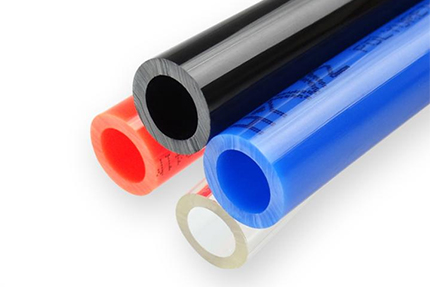
Aisili pneumatique est un fabricant professionnel spécialisé dans le développement et la production de tubes pneumatiques en polyuréthane et les matériaux pneumatiques associés. Fondée en 2007 à Yantai, en Chine, l'entreprise exploite aujourd'hui des installations modernes dotées de lignes d'extrusion de pointe. Elle se spécialise dans les tubes en polyuréthane haute performance destinés à l'automatisation, à la robotique et à d'autres applications. Forte de plus de 17 ans d'expérience dans le secteur, Aisili utilise matériaux de première qualité Pour leur flexibilité et leur durabilité, les produits sont conformes aux normes RoHS et REACH. servir des clients dans plus de 30 pays avec des tailles et des couleurs personnalisées, et une livraison rapide.
Conclusion
Les problèmes de tuyauterie pneumatique, tels que les fuites, l'usure et les ruptures, ne doivent pas perturber votre production. Identifiez les causes fréquentes (humidité, installations défectueuses, abrasion) et traitez-les rapidement. Des coupes nettes, un acheminement correct, des contrôles réguliers et un séchage adéquat sont essentiels. Choisissez une tuyauterie pneumatique en polyuréthane rigide adaptée à votre environnement. En suivant ces conseils, vous réduirez les interruptions, diminuerez les coûts et optimiserez le fonctionnement de votre système. Votre installation restera fiable jour après jour.
FAQ
Quelles sont les causes les plus fréquentes des fuites dans les tubes pneumatiques en polyuréthane ?
Les raccords mal ajustés ou les coupes approximatives sont les principales causes de problèmes. Viennent ensuite les fissures dues à l'usure. Vérifiez régulièrement les raccords : l'eau savonneuse laisse des traces et forme rapidement des bulles.
Comment puis-je prévenir les dommages causés par l'abrasion sur les tubes pneumatiques ?
Éviter les bords rugueux. Ajouter des manchons de protection aux endroits de frottement. Des clips maintiennent le tout en place sans traîner.
Pourquoi l'humidité détériore-t-elle si rapidement les tubes pneumatiques en polyuréthane ?
L'eau dégrade le matériau au fil du temps, surtout dans les endroits humides. Vidangez les siphons quotidiennement et utilisez des déshydrateurs pour éviter que l'eau ne s'y infiltre.
Quel est le meilleur moyen d'éviter les coudes dans les tubes pneumatiques ?
Laissez du mou et respectez les règles de pliage. Pas de torsions brusques. Les spirales sont idéales pour les outils qui bougent beaucoup.
À quelle fréquence dois-je remplacer les tubes pneumatiques en polyuréthane dans une usine à forte activité ?
Cela dépend des conditions, mais une inspection mensuelle est recommandée. Remplacez immédiatement les pièces usées. Un bon entretien peut doubler la durée de vie dans des environnements exigeants.