


5 défaillances courantes des tubes pneumatiques et comment le polyuréthane à base d'ester apporte une solution
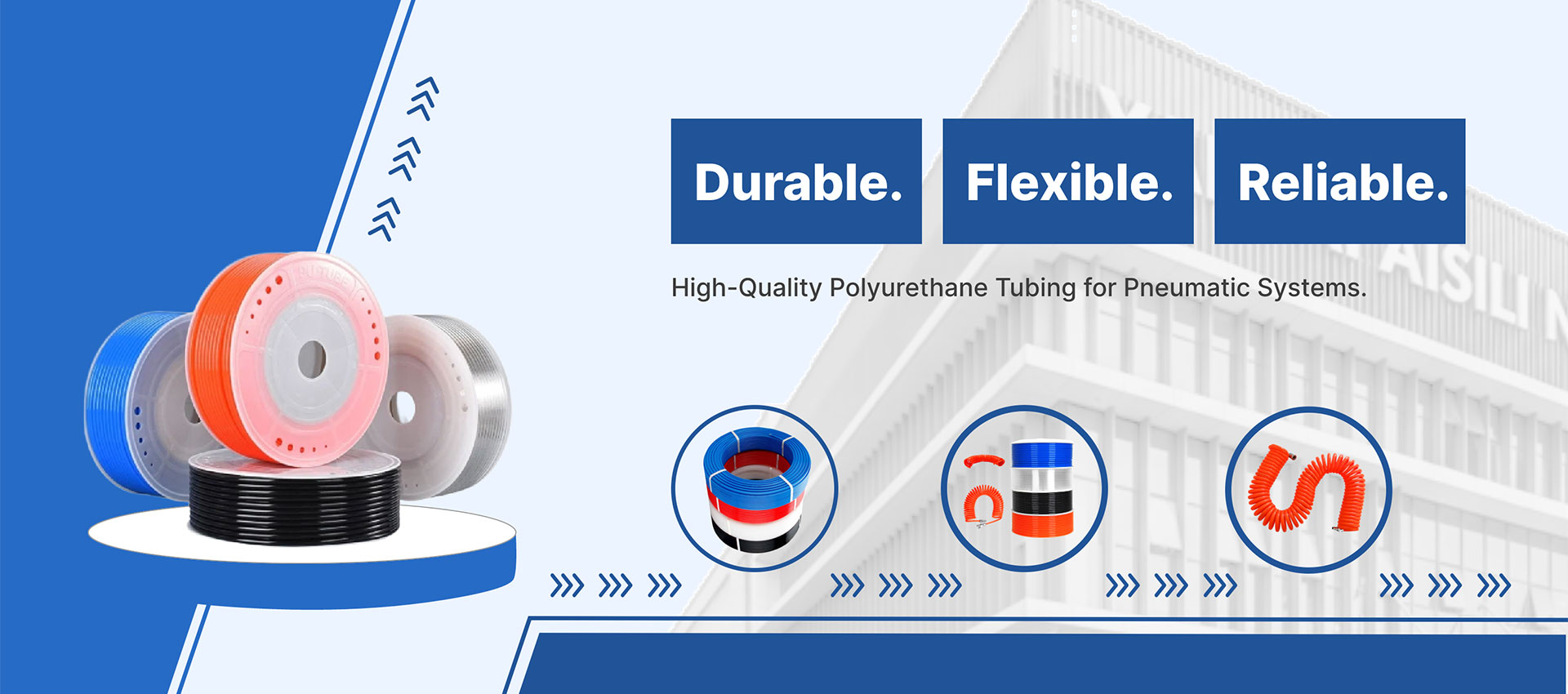
Les systèmes pneumatiques assurent le bon fonctionnement des usines. Les robots se déplacent. Les outils pneumatiques tournent. Les convoyeurs roulent. Mais lorsqu'une canalisation lâche, tout s'arrête. Les temps d'arrêt s'accumulent. Les réparations engloutissent les budgets. Les techniciens, exaspérés, s'activent.
La plupart des pannes ne sont pas mystérieuses. Elles suivent des schémas récurrents. Nous les avons constatées dans divers ateliers, chaînes de montage et installations automatisées. La bonne nouvelle ? Choisir le bon matériau permet d’éviter bon nombre de ces problèmes.
Cet article examine cinq problèmes fréquents liés aux tubes pneumatiques. Il explique ensuite comment Tubes en polyuréthane à base d'ester Cette solution s'avère fiable. Elle repose sur une expérience concrète et des spécifications techniques précises. Pas de promesses en l'air. Uniquement des faits qui permettent aux ingénieurs et aux équipes de maintenance de faire des choix plus éclairés.
L'éclatement sous la pression : la scission soudaine
Rien n'interrompt plus rapidement une commutation qu'un claquement sonore et un nuage d'air. Les tubes éclatent lorsque la pression interne dépasse la limite de résistance de la paroi. Cela se produit dans les applications à cycles élevés ou lors de pics de pression dus à des changements de soupape rapides.
Les causes fréquentes ? Des parois minces. La fatigue des matériaux après des milliers de cycles. Ou une dégradation qui fragilise la structure au fil du temps.
Tubes en polyuréthane à base d'ester Ce produit supporte mieux la pression que beaucoup ne le pensent. Les tailles standard supportent une pression de service maximale de 10 bars à 20 °C (7 bars pour les plus grandes, à partir de 14 mm). La pression d'éclatement atteint 20 à 25 bars, ce qui offre une marge de sécurité confortable.
Dans un atelier de soudage automobile à forte activité, nous avons constaté que des tubes classiques se fendaient sous une pression de 8 à 9 bars après seulement 6 mois d'utilisation intensive. Depuis le passage aux versions à base d'ester, aucune rupture n'a été observée en plus de deux ans. Leur haute résilience et leur résistance à la déchirure garantissent la robustesse des parois, même après des contraintes répétées.
Plis et blocages dus à des coudes serrés
Si le tuyau est trop courbé, il se pince. Le flux d'air est obstrué. Les outils ralentissent ou s'arrêtent complètement. Nous avons tous déjà cherché des problèmes fantômes pour finalement découvrir un tuyau pincé derrière un panneau.
Ce problème se pose dans les bras robotisés ou les configurations de machines compactes. L'espace restreint impose de faibles rayons de courbure. Les tubes bon marché ou rigides se plient à plat.
Tubes en polyuréthane à base d'ester C'est là que le matériau excelle. Les rayons de courbure minimaux restent raisonnables : 10 mm pour un diamètre extérieur de 4 mm, jusqu'à 65 mm pour un diamètre extérieur de 16 mm. Il est flexible sans s'affaisser. Sa grande élasticité lui permet de reprendre sa forme initiale.
Une ligne de conditionnement présentait des coudes constants sur les tubes de 8 mm. Le rendement a chuté de 15 %. Après l'installation d'un matériau à base d'ester, les coudes sont restés ouverts. Le débit a de nouveau augmenté. Plus aucun arrêt intempestif.
Vieillissement, fissuration et rupture fragile au fil du temps
Le temps n'est pas tendre avec les tubes. Rayons UV, variations de température, flexions répétées : tous ces facteurs provoquent des fissures en surface. De petites fissures s'agrandissent ensuite. Finalement, le tube se casse ou fuit.
Les lubrifiants à base d'éther résistent généralement mieux à l'humidité. Mais dans les environnements secs, gras ou soumis à une forte usure, les versions à base d'ester ont souvent une durée de vie supérieure.
Tubes en polyuréthane à base d'ester Offre une excellente résistance à l'abrasion, à la déchirure, aux chocs et aux radiations. Fabriqué à partir de granulés de TPU de haute qualité par extrusion de précision. Matières premières non toxiques. Dureté Shore A : 85-98.
Des rapports d'ateliers de métallurgie indiquent que sa résistance est supérieure de 2 à 3 ans à celle des autres matériaux en milieu huileux. Les fissures apparaissent beaucoup plus tard. Le matériau conserve sa flexibilité et ne présente aucune rupture brutale.
Gonflement ou dégradation par le pétrole et les produits chimiques
Les conduites pneumatiques situées à proximité de lubrifiants, de liquides de refroidissement ou de fuites hydrauliques absorbent les huiles. Le tube se dilate, ses parois se ramollissent, les raccords se desserrent et des fuites apparaissent. Dans les cas les plus graves, le matériau se dégrade complètement.
De nombreux types de tubes résistent à certains produits chimiques. Cependant, les huiles et les carburants les corrodent plus rapidement.
Tubes en polyuréthane à base d'ester Elle se distingue par une meilleure résistance aux huiles et aux carburants. Les études comparatives du secteur indiquent souvent que les formulations à base d'esters résistent mieux aux huiles que les formulations à base d'éthers.
Dans un centre d'usinage où le liquide de refroidissement est pulvérisé en permanence, les tubes standard se sont ramollis en moins d'un an. Ils ont été remplacés par Tubes en polyuréthane à base d'ester — Aucun gonflement après 18 mois. Les joints sont restés étanches. Les intervalles d'entretien ont été espacés.
Hydrolyse en conditions humides ou mouillées
La vapeur d'eau s'infiltre, surtout avec de l'air comprimé qui n'est pas parfaitement sec. Au fil des mois ou des années, l'hydrolyse attaque le matériau. Le tube devient cassant, sa résistance diminue et de minuscules fissures apparaissent.
Cela a un impact important sur les plantes en milieu humide, dans les installations extérieures, ou partout où des lavages sont fréquents.
Tubes en polyuréthane à base d'ester Ce n'est pas le choix idéal pour une exposition constante à l'humidité ; les systèmes à éther sont alors plus performants. Mais pour une utilisation domestique classique avec une humidité occasionnelle ? Il fonctionne de manière fiable.
L'essentiel est de s'adapter à l'environnement. En présence d'huile, d'abrasion ou de chaleur sèche, les produits à base d'esters sont plus performants. Leur plage de températures s'étend de -15 °C à 60 °C sans risque de gel. Ils conviennent parfaitement à la plupart des usines.
Tableau comparatif rapide : Défaillances courantes des tubes vs performances des polyuréthanes à base d’ester
|
Type de défaillance |
Cause typique |
Comment le PU à base d'ester aide |
Exemple d'impact concret |
|
Éclatement |
Surpression / fatigue |
Résistance à l'éclatement de 20 à 25 bars, haute résistance à la déchirure |
Aucune fissure lors du soudage à cycles élevés pendant plus de 2 ans |
|
Pliure/Blocage |
Des virages serrés dans des espaces restreints |
Rayons de courbure minimaux raisonnables, excellente élasticité |
Réduction de 15 % des pertes liées au cycle de production des emballages |
|
Vieillissement/Fissuration |
UV, cycles de flexion, temps |
Résistance supérieure à l'abrasion et aux chocs |
Durée de vie prolongée de 2 à 3 ans en métallurgie |
|
Dégradation par les huiles/produits chimiques |
Exposition aux lubrifiants/carburants |
Résistance accrue aux hydrocarbures |
Aucun ramollissement du brouillard de liquide de refroidissement pendant plus de 18 mois |
|
Hydrolyse |
Humidité/air humide |
Bon pour les configurations sèches/huileuses (à utiliser avec de l'éther en cas d'humidité) |
Fiable à l'intérieur, même en présence d'huiles. |
Des témoignages authentiques de commerçants qui prouvent le contraire
- Presse d'emboutissage automobile : Les anciens tubes se sont fissurés à cause des brouillards d'huile. Arrêt de production trimestriel. Remplacement par un produit à base d'ester ? Fonctionnement 24 h/24 et 7 j/7 avec contrôles trimestriels uniquement.
- Intégrateur en robotique : Des problèmes de précision ont nui à la conception. Changement de dimensions et de matériaux. Désormais, les bras se déplacent librement sans perte de flux d'air.
- Transformation alimentaire (côté sec) : Les conduites vieillissantes ont présenté des fuites après 14 mois. Les nouveaux tubes à base d’ester fonctionnent parfaitement depuis plus de trois ans.
Il ne s'agit pas de cas isolés. Des tendances se dégagent lorsqu'on discute avec des responsables de la maintenance dans différents secteurs.
À propos d'Aisili Pneumatic : Votre partenaire de référence pour l'expertise en polyuréthane
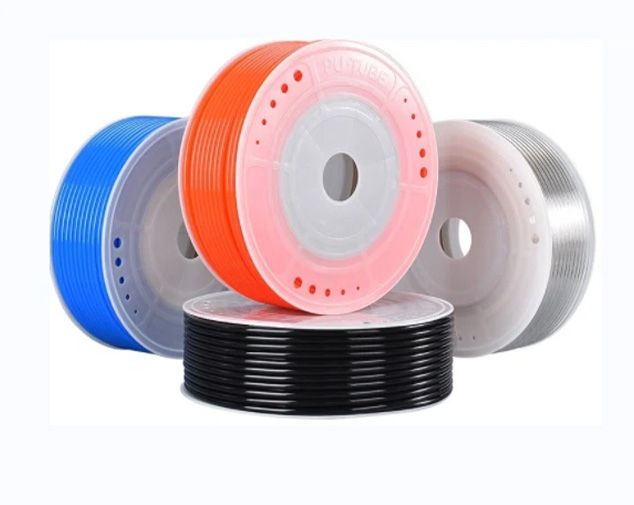
Aisili pneumatique Spécialisée dans les tubes pneumatiques en polyuréthane depuis 2007, cette entreprise basée dans le Shandong, en Chine, possède des usines à Yantai et Linyi et exploite sept lignes d'extrusion de pointe. Son objectif principal reste le développement et la fabrication de tubes de haute qualité. production de tubes en polyuréthane et produits pneumatiques connexes.
Ils proposent une personnalisation complète OEM/ODM : dimensions, dureté (Shore A 85-98), couleurs allant du bleu clair à l’orange, et même des correspondances Pantone. Tout est conforme aux normes. Normes RoHS et REACHNos produits sont expédiés dans plus de 30 pays. Nos clients des secteurs de l'automatisation, de la robotique, de l'automobile et bien d'autres font confiance à leur robustesse, même dans des conditions difficiles.
Conclusion
Les défaillances des tubes pneumatiques suivent des schémas prévisibles : éclatement, pliage, fissures dues au vieillissement, dommages causés par l’huile, problèmes d’humidité. Tubes en polyuréthane à base d'ester Il s'attaque de front à la plupart de ces problèmes grâce à sa grande résistance à la pression, sa flexibilité, sa résistance à l'abrasion et sa capacité à gérer efficacement les huiles.
Cela ne résoudra pas tous les problèmes — les environnements humides pourraient nécessiter des systèmes à base d'éther. Mais dans la plupart des installations industrielles ? Cela permet des cycles de production plus longs, moins d'interruptions et des coûts à long terme réduits.
Lors de votre prochaine spécification de lignes, pensez d'abord aux modes de défaillance. Ensuite, choisissez le matériau approprié. Un choix judicieux garantit le fonctionnement continu de votre système.
FAQ
Qu’est-ce qui permet aux tubes en polyuréthane à base d’ester de résister aux applications à haute pression ?
Tubes en polyuréthane à base d'ester Supporte des pressions de service jusqu'à 10 bars (7 bars pour les grandes tailles) avec une résistance à l'éclatement de 20 à 25 bars. Sa grande résilience et sa résistance à la déchirure empêchent les fissures soudaines, même après une utilisation intensive.
Comment les tubes en polyuréthane à base d'ester résistent-ils mieux à l'exposition aux huiles et aux produits chimiques ?
Il offre une meilleure résistance aux huiles et aux carburants que de nombreuses autres solutions. Dans les ateliers utilisant des lubrifiants ou des liquides de refroidissement, ce matériau évite tout gonflement ou ramollissement et conserve souvent ses propriétés pendant plus de 18 mois sans se dégrader.
Les tubes en polyuréthane à base d'ester peuvent-ils supporter des coudes serrés sans se plier ?
Oui. Grâce à un rayon de courbure minimal de seulement 10 mm pour les petites dimensions et à son excellente élasticité, il s'adapte aux espaces restreints des robots ou des machines. Le flux d'air reste constant, sans obstruction.
Les tubes en polyuréthane à base d'ester sont-ils adaptés à une utilisation à long terme dans des environnements à forte abrasion ?
Absolument. Sa résistance extrême à l'abrasion, aux déchirures et aux chocs lui permet de durer plus longtemps dans des environnements difficiles comme le travail des métaux ou les lignes d'automatisation — souvent 2 à 3 ans de plus que les tubes standard.
Quand dois-je choisir un tube en polyuréthane à base d'ester plutôt qu'un autre type ?
À privilégier dans les environnements secs à modérément humides présentant une exposition à l'huile, une usure importante ou des contraintes de pression élevées. Si l'humidité constante ou l'hydrolyse sont les principales préoccupations, envisagez plutôt des solutions à base d'éther.