


Guide de dimensionnement OEM : Comment choisir l’IDOD idéal pour votre équipement automatisé
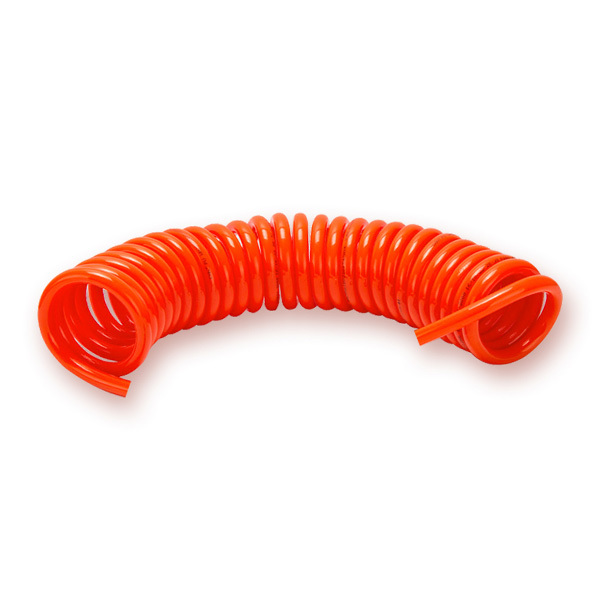
Salut à tous les concepteurs et ingénieurs OEM ! Si vous êtes plongés dans l’automatisation des lignes de production ou l’optimisation des systèmes robotisés, vous savez que le choix des tubes pneumatiques est crucial pour la performance de votre système. Nous parlons de… Tuyau en polyuréthane Flexcoil Voici les durites enroulées qui assurent une circulation d'air optimale sans entraver le flux. Ce guide vous explique comment déterminer avec précision le diamètre intérieur (DI) et le diamètre extérieur (DE) de votre équipement. Nous nous baserons sur les dimensions standard des fabricants d'équipement d'origine (OEM), de 3 mm à 25 mm, en nous appuyant sur des tableaux de spécifications officiels pour vous aider à choisir les raccords adaptés à vos besoins en flux d'air. Des conseils pratiques et concis pour un fonctionnement optimal de vos machines.
Pourquoi le choix de l'ID/OD est crucial pour votre configuration
Commençons par les bases. Le diamètre intérieur (DI) correspond au diamètre extérieur, c'est par là que l'air circule. Le diamètre extérieur (DE) détermine la compatibilité avec les connecteurs et la résistance aux coudes. Une erreur de dimensionnement peut entraîner des fuites, des pertes de charge, voire des arrêts de production très coûteux.
Impact sur le flux d'air et l'efficacité
Imaginez la situation : vous pilotez un robot de prélèvement et de placement sur une chaîne de montage à haut rendement. Si le diamètre intérieur est trop faible, par exemple inférieur à 4 mm pour une application exigeante, le flux d’air est insuffisant. Cela se traduit par des cycles plus lents et des opérateurs frustrés. À l’inverse, un diamètre intérieur surdimensionné peut engendrer un gaspillage d’espace et un poids inutile. Les données issues de tests sur le terrain montrent qu’adapter le diamètre intérieur au débit de votre compresseur peut améliorer l’efficacité jusqu’à 15 %. Par exemple, dans un système de préhension par le vide, un diamètre intérieur de 6,5 mm assure une aspiration constante sans perturber l’effecteur.
Compatibilité des tailles : éviter les pièges courants
Les raccords sont les héros méconnus. Les modèles à connexion rapide, comme les raccords instantanés, nécessitent une correspondance précise des diamètres extérieurs. Si le diamètre extérieur de votre tube diffère d'un millimètre seulement, vous risquez des fuites ou des joints défectueux. J'ai vu des ingénieurs remplacer des conduites entières parce qu'un tube de 12 mm de diamètre extérieur ne s'adaptait pas correctement aux raccords standard. Respectez scrupuleusement les spécifications et vous éviterez bien des soucis.
Analyse de la gamme de tailles d'origine : de 3 mm à 25 mm
Les tubes en polyuréthane Flexcoil couvrent une plage optimale de 3 mm à 25 mm, offrant une grande flexibilité pour toutes vos applications, des capteurs miniatures aux actionneurs robustes. Cette gamme n'est pas arbitraire : elle est conçue pour l'automatisation concrète où l'espace est restreint et la fiabilité primordiale.
Analyse du tableau des spécifications
Voici un tableau pratique extrait des spécifications du produit. Il répertorie les tailles courantes, mais n'oubliez pas que des options sur mesure sont disponibles jusqu'à 25 mm pour les applications plus exigeantes. Privilégiez les couples diamètre intérieur/diamètre extérieur adaptés à vos besoins en débit d'air et en pression ; tous les modèles sont conçus pour l'air comprimé jusqu'à une pression de service de 10 bar à température ambiante et présentent une résistance à l'éclatement de 25 bar.
|
Numéro de produit |
Diamètre extérieur (mm) |
DI (mm) |
Longueur totale (m) |
Options de diamètre intérieur de la bobine (mm) |
Pression de service maximale (bar à 20 °C) |
Pression d'éclatement minimale (bar à 20 °C) |
|
0425 |
4 |
2.5 |
1-10 |
26, 32, 42 |
10 |
25 |
|
0640 |
6 |
4 |
1-15 |
26, 32, 42 |
10 |
25 |
|
0850 |
8 |
5 |
1-20 |
32, 42, 48 |
10 |
25 |
|
1065 |
10 |
6.5 |
3-20 |
32, 42, 46 |
10 |
25 |
|
1280 |
12 |
8 |
3-20 |
38, 42, 46 |
10 |
25 |
|
1410 |
14 |
9.5 |
3-15 |
46, 58 |
10 |
25 |
|
1612 |
16 |
11 |
3-15 |
46, 58 |
10 |
25 |
Pour les diamètres proches de 25 mm, optez pour des serpentins sur mesure : parfaits pour les raccordements hydrauliques de grande taille ou l’alimentation en air comprimé à haut débit des systèmes de convoyage. Ils résistent à des températures de -15 °C à 60 °C, sans risque de gel.
Étapes clés pour choisir le bon diamètre intérieur/extérieur
Bon, passons aux choses sérieuses. Vous êtes face à votre modèle CAO, les spécifications du compresseur en main. Comment choisir ?
Évaluez vos besoins en débit d'air
Commencez par calculer votre débit. Pour un vérin pneumatique standard se déplaçant à 2 mètres par seconde, un diamètre intérieur d'au moins 5 mm est généralement nécessaire pour éviter le temps de réponse. Utilisez la formule : Débit (l/min) = (π * DI² / 4) * vitesse. Dans une application concrète en atelier, comme pour les bras de soudage automobile, les ingénieurs optent souvent pour un diamètre intérieur de 8 mm afin de supporter des surpressions jusqu'à 10 bars sans chute de pression.
Vérifier les contraintes d'installation et d'espace
Mesurez vos ports. La plupart des raccords d'automatisation acceptent sans problème des diamètres extérieurs de 4 à 16 mm. Si l'espace est restreint, par exemple à l'intérieur d'un bras robotisé, privilégiez des tubes plus petits, comme ceux de 26 mm de diamètre intérieur, pour une installation propre. Un ingénieur que je connais a modernisé une ligne de conditionnement avec des tubes de 10 mm de diamètre extérieur ; cela a permis de réduire de moitié le temps d'installation grâce à leur flexibilité, évitant ainsi les pliures.
Tenir compte de la pression, de la température et de la durabilité
N'oubliez pas l'environnement. Dans les entrepôts poussiéreux, la résistance à l'abrasion est essentielle. La haute résilience de ce tube lui permet d'encaisser les chocs et de durer des années dans les systèmes de contrôle de mouvement. Pour les équipements extérieurs, sa résistance aux radiations l'empêche de se fissurer sous l'effet des UV. Température ? Ne dépassez pas 60 °C pour conserver une pression de 10 bars.
- Conseil de pro :Faites un essai sur un échantillon. Enroulez-le fermement, effectuez 1 000 cycles ; s’il tient le coup, c’est gagné.
- Un autre point de vue :Les couleurs ne sont pas seulement jolies ; utilisez le rouge pour les lignes à haute pression afin de repérer rapidement les problèmes.
Applications concrètes dans les équipements automatisés
Parlons affaires. Dans une usine d'emballage alimentaire, le tube en polyuréthane Flexcoil de 6 mm de diamètre extérieur a parfaitement alimenté les ventouses, supportant des longueurs de 15 m sans s'affaisser. La force de rappel du tube a permis d'éviter tout enchevêtrement lors des mouvements du robot. Autre exemple : une exploitation minière a utilisé un tube de 14 mm de diamètre intérieur pour ses foreuses. Ce tube a résisté aux déchirures causées par les roches, maintenant un débit d'air constant à 10 bars. Il ne s'agit pas d'exemples hypothétiques : ils sont le fruit d'années d'optimisation de systèmes où les temps d'arrêt sont synonymes de pertes de revenus.
Les ingénieurs en robotique ne jurent que par la flexibilité des outils de préhension. Imaginez un robot SCARA saisissant des pièces : les tubes s’enroulent proprement, évitant toute déformation des joints dans les espaces restreints. Les données le confirment : les systèmes dont les diamètres intérieur et extérieur sont adaptés enregistrent 20 % d’interventions de maintenance en moins.
Conseils d'intégration pour une configuration sans faille
Pour la mise en place, commencez par des schémas d'implantation. Acheminez la bobine de manière à minimiser les coudes ; visez un diamètre intérieur de bobine correspondant à votre rayon de déplacement. Par exemple, une bobine de 42 mm est idéale pour les actionneurs linéaires.
- Coupez les longueurs avec précision ; un surplus de tissu risque de provoquer des accrocs.
- Fixez-le avec des clips tous les mètres pour éviter les fouettements.
- À associer à des connecteurs rapides pour des échanges rapides lors des prototypes.
Dans le cadre d'un projet de modernisation, le passage à des joints de 12 mm de diamètre extérieur a permis de réduire les fuites d'air de 30 %, grâce à une meilleure étanchéité. Tout repose sur une planification préalable rigoureuse.
À propos d'Aisili Pneumatic : Votre partenaire de référence pour l'expertise en polyuréthane
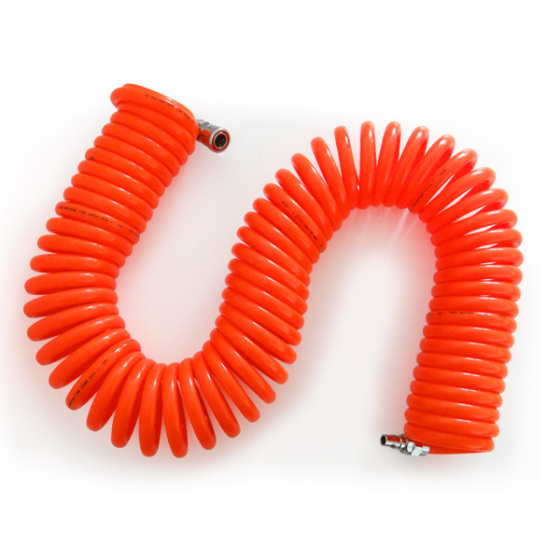
En tant que fabricant professionnel, Aisili pneumatique L'entreprise perfectionne son savoir-faire depuis 2007, en se concentrant sur le développement et la production de tubes pneumatiques en polyuréthane et de matériaux connexes. Basée dans le Shandong, en Chine, avec deux usines et sept lignes d'extrusion de pointe, elle produit en grande quantité produits de haute qualité et personnalisables qui se rencontrent Normes RoHS et REACHQu'il s'agisse d'ajuster la dureté de Shore A (85-98) ou de choisir des couleurs comme le bleu clair ou l'orange, leurs Services OEM/ODM Ils s'adressent aux professionnels de l'automatisation du monde entier. Leur réputation de durabilité s'est forgée dans des environnements exigeants tels que la robotique et les lignes industrielles, et ils expédient leurs produits dans plus de 30 pays.
Conclusion
En résumé, choisir le diamètre intérieur/extérieur idéal pour les tubes Flexcoil en polyuréthane revient à trouver le bon équilibre entre le flux d'air, les raccords et les exigences de votre installation. En vous basant sur la plage de 3 à 25 mm et le tableau des spécifications, vous optimiserez l'efficacité et réduirez les risques. Rien de bien compliqué : il s'agit simplement d'ingénierie intelligente pour garantir le bon fonctionnement de vos équipements automatisés. Prêt à passer à l'étape supérieure ? Découvrez la différence !
FAQ
Pourquoi les tubes en polyuréthane Flexcoil sont-ils parfaitement adaptés aux équipements automatisés des fabricants d'équipement d'origine (OEM) ?
Le tube en polyuréthane Flexcoil excelle dans les systèmes automatisés grâce à sa grande résilience et sa flexibilité, lui permettant de gérer les pièces mobiles dans les espaces restreints sans se plier. Avec des diamètres intérieurs de 2,5 mm à 11 mm en tailles standard (et jusqu'à 25 mm sur mesure), il assure un flux d'air constant pour les robots et les lignes de production, tout en résistant à l'abrasion et aux chocs.
Comment utiliser le tableau des spécifications pour choisir le bon diamètre intérieur/extérieur en fonction de mes besoins en matière de flux d'air ?
Commencez par déterminer le débit requis. Pour des besoins modérés, comme la commande de mouvement, un tuyau de 6,5 mm de diamètre intérieur (10 mm de diamètre extérieur) supporte parfaitement une pression de 10 bars. Le tableau indique les pressions d'éclatement et de service ; assurez-vous qu'elles correspondent à celles de votre compresseur afin d'éviter les chutes de pression. Des options sur mesure, jusqu'à 25 mm, sont disponibles pour les débits plus importants.
Les tubes en polyuréthane Flexcoil peuvent-ils résister aux températures extrêmes de mon usine ?
Oui, il est conçu pour résister à des températures de -15 °C à 60 °C sans geler, ce qui le rend idéal pour la plupart des systèmes domotiques intérieurs. Veillez simplement à le tenir éloigné des sources de chaleur directe pour préserver sa résistance à l'éclatement de 25 bars.
Quelle est la meilleure façon de garantir la compatibilité des raccords avec les tubes en polyuréthane Flexcoil ?
Mesurez vos ports et choisissez un diamètre extérieur qui s'emboîte parfaitement – par exemple 8 mm pour les raccords rapides standard. Effectuez des essais d'ajustement lors du prototypage ; le matériau du tube offre une bonne adhérence, réduisant ainsi les fuites dans les applications à cycles élevés.
Quelle est la durée de vie approximative des tubes Flexcoil en polyuréthane pour les applications robotiques ?
Dans les robots, avec un acheminement approprié, sa durée de vie est souvent de 2 à 3 ans en conditions de cycles quotidiens. Sa résistance à l'arrachement et sa force de rappel lui assurent une grande durabilité, d'après les données recueillies sur le terrain dans les chaînes de montage.