


Tuyaux pneumatiques légers : combien de main-d’œuvre d’installation pouvez-vous économiser avec le LLDPE ?
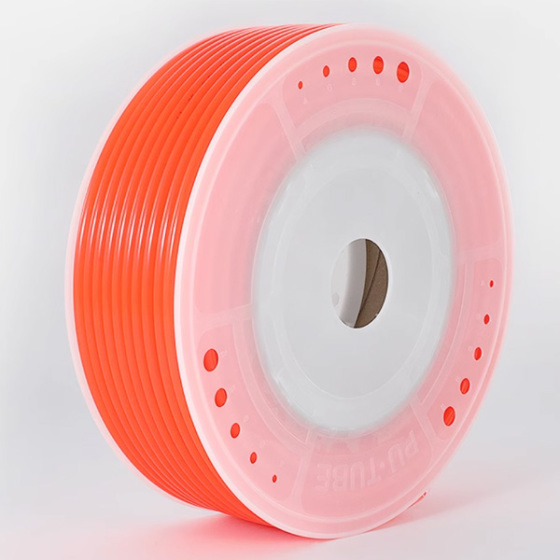
Si vous avez déjà assisté à la scène où une équipe se débat avec d'épais faisceaux de tubes dans un espace restreint, vous savez à quel point la situation devient exaspérante. Les heures filent à toute allure. Les ouvriers tirent, tordent et s'efforcent de poser les canalisations sans qu'aucune fuite ni pliure ne se manifeste. Pour les intégrateurs d'équipements et les fabricants d'équipement d'origine (OEM) qui gèrent des projets d'envergure, ces heures perdues pèsent lourdement sur le budget.
C'est exactement là que Tubes en PEBDL Elle s'avère très performante. Sa légèreté et sa bonne flexibilité font toute la différence. On trace les lignes plus rapidement. Les coûts de main-d'œuvre restent également maîtrisés.
Pourquoi le choix de votre bouée est plus important que vous ne le pensez
Les systèmes pneumatiques dépendent fortement de leur simplicité d'installation. Prenons l'exemple des lignes d'automatisation modernes pour l'emballage, les cellules d'assemblage ou les équipements de manutention. Les tubes doivent souvent se faufiler dans des structures étroites, contourner les pièces mobiles et se glisser dans des endroits difficiles d'accès. Les charges lourdes ralentissent l'ensemble du processus. Votre équipe perd du temps à supporter le poids, forcer des coudes rigides et vérifier des connexions qui semblent bien serrées.
Tubes en PEBDL Ça change la donne. C'est nettement plus léger. C'est aussi plus flexible. On peut travailler sur de plus longues sections sans trop d'effort. C'est particulièrement utile dans les espaces restreints où chaque gramme compte. Les avantages sont rapides. Les installations sont plus rapides. Les coûts de main-d'œuvre diminuent. Et vous ne sacrifiez pas les performances essentielles.
Scénarios d'installation concrets où le PEBDL excelle
Imaginez la scène : vous installez une nouvelle ligne d'embouteillage équipée de vérins pneumatiques le long d'un long convoyeur. L'espace entre le châssis et le sol est d'à peine vingt centimètres. Avec des tubes plus épais, votre équipe passe de précieuses minutes à caler les sections. Ils luttent contre la rigidité. Ils effectuent davantage de découpes et de raccords pour réduire la résistance.
Aller avec PEBDL Le travail se déroule ainsi plus facilement. Un seul opérateur peut gérer des sections plus longues car le matériau ne s'affaisse pas et ne se déforme pas autant. Les courbes sont plus nettes. Les raccords s'emboîtent plus rapidement grâce à la réduction des tensions. Sur ce type de chantier, les équipes gagnent souvent 20 à 30 % sur le temps de fraisage dans les espaces restreints. Le gain est considérable.
Un autre problème récurrent lors de la fabrication d'armoires ou de panneaux de commande pour les équipementiers consiste à faire passer plusieurs conduites par de petites ouvertures. Ensuite, il faut les faire passer entre les capteurs et les vannes. La sensation de légèreté de PEBDL Cela réduit la contrainte sur les supports. Le bandage final du faisceau est également plus rapide. Moins de manipulations fastidieuses diminuent les risques de se pincer les doigts. Cela signifie aussi moins de réparations de dernière minute en fin de poste.
Quantification des économies de main-d'œuvre
Les économies exactes dépendent bien sûr de votre configuration spécifique. Cependant, des exemples d'applications pneumatiques similaires montrent des avantages indéniables :
- Lors de travaux de pose de canalisations en espaces restreints, les équipes réduisent souvent le temps de travail total de 15 à 25 % en optant pour des tubes plus rigides ou plus lourds. Un tronçon de 200 mètres qui prenait auparavant six heures à une équipe de deux personnes peut désormais être réalisé en quatre heures ou quatre heures et demie.
- Sur les châssis de grande taille, le gain de facilité est considérable. Vous pouvez ainsi économiser une demi-journée, voire plus, par unité lors de l'intégration finale.
- Lors des modernisations sur site, dans des usines en activité, le poids réduit facilite les interventions autour des équipements actifs. Cela permet de gagner du temps et de réduire certains risques pour la sécurité.
Il ne s'agit pas de simples suppositions faites au hasard. Les constructeurs qui suivent de près leurs heures de travail repèrent la différence dès le premier projet. Le rayon de courbure rigide des tubes est un atout considérable, pouvant atteindre 18 ou 20 mm pour les plus petits diamètres. Cela évite d'avoir recours à des raccords supplémentaires ou à des détours fastidieux dans les virages serrés.
Voici un aperçu rapide des cas typiques PEBDL caractéristiques techniques qui confirment ces avantages :
|
Modèle |
D.E. (mm) |
DI (mm) |
Pression de service (bar à 23 °C) |
Rayon de courbure (mm) |
|
LLDPE0425 |
4 |
2.5 |
15 |
20 |
|
LLDPE0640 |
6 |
4 |
13 |
30 |
|
LLDPE0860 |
8 |
6 |
10 |
40 |
|
LLDPE1080 |
10 |
8 |
7 |
60 |
Les diamètres plus petits restent faciles à manipuler dans les espaces restreints. Les plus grands offrent un débit suffisant pour la plupart des circuits de commande.
Principaux avantages au-delà du simple poids
Sa légèreté n'est pas la seule raison pour laquelle les équipes apprécient de travailler avec ce matériau. PEBDL apporte également :
- Bonne résistance aux acides, aux bases et à de nombreux solvants que l'on rencontre en usine.
- Plage de températures de fonctionnement : de -40 °C à +60 °C. Cela couvre la plupart des travaux en intérieur et les travaux extérieurs plus légers.
- Des options de qualité alimentaire, transparentes ou autres, sont disponibles. Cela ouvre la voie aux lignes de production de boissons ou de transformation.
- Bonne résistance aux chocs et à la fissuration. Il supporte donc bien la manutention et les vibrations régulières dans le temps.
De plus, il est non toxique. Vous disposez d'une gamme complète de couleurs — noir, bleu, transparent, vert, rouge et autres — ce qui vous permet de tout coder par couleur pour un dépannage plus rapide par la suite.
Association du LLDPE à d'autres solutions pneumatiques
De nombreux systèmes combinent des sections droites pour les parties fixes avec des sections enroulées là où il faut bouger. Pour les endroits soumis à des flexions répétées ou aux raccordements d'outils, Tuyau en polyuréthane Flexcoil Il offre une forte rétraction et une excellente résistance à l'abrasion. Il conserve sa flexibilité sans ajouter beaucoup de poids. À associer avec PEBDL dans des configurations hybrides. Exécutez la version légère. PEBDL Pour les lignes de distribution principales, utilisez le générateur spiralé pour les descentes aux effecteurs terminaux. Cette combinaison allège l'ensemble du système et simplifie l'installation.
Qui tire le plus grand profit des tubes légers ?
Les intégrateurs d'équipements qui gèrent plusieurs machines par contrat constatent immédiatement une baisse des coûts de main-d'œuvre. Les fabricants d'équipement d'origine (OEM) qui expédient des palettes à travers le pays sont attentifs au moindre poids, notamment en ce qui concerne le transport et la manutention. Les équipes de maintenance apprécient les tuyaux qui ne résistent pas à l'ouverture systématique des panneaux lors des interventions.
Si vos chantiers sont soumis à des délais serrés ou à des marges réduites, gagner ne serait-ce que quelques heures sur l'installation sans compromettre la qualité représente un coût plus important que vous ne le pensez.
Présentation d'Aisili Pneumatic
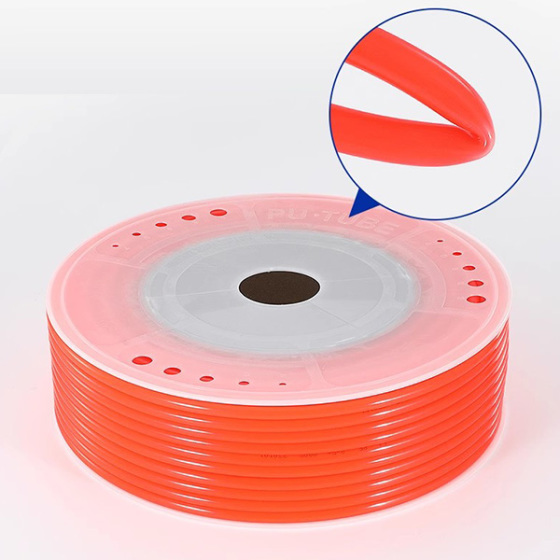
Aisili pneumatique s'est forgé une réputation de fabricant professionnel spécialisé dans le développement et la production de Tuyaux pneumatiques multi-matériaux et les matériaux pneumatiques associés. Depuis 2007, l'entreprise se concentre sur des procédés d'extrusion de haute qualité et des performances constantes des matériaux, exploitant des lignes de production avancées pour répondre aux besoins mondiaux en matière d'automatisation. Mettant l'accent sur la personnalisation et la fiabilité des livraisons, Aisili accompagne équipementiers et les intégrateurs qui ont besoin de tubes performants jour après jour dans des environnements de production réels.
Conclusion
Choisir le bon système de tuyauterie pneumatique ne se résume pas à un simple choix technique. Cela a un impact direct sur le planning de vos projets et sur vos coûts de main-d'œuvre. Tubes en PEBDL Ce système offre un équilibre idéal entre maniabilité, flexibilité dans les espaces restreints et fiabilité chimique. Pour les équipes qui l'installent semaine après semaine, ces atouts se traduisent par un gain de temps considérable et des journées de travail plus sereines.
La prochaine fois que vous établirez un devis ou planifierez un projet, prenez le temps d'évaluer à quel point des tubes plus légers pourraient raccourcir la phase d'installation. La différence pourrait vous surprendre. Et votre budget vous en remerciera.
FAQ
Qu’est-ce qu’un tube en PEBDL et pourquoi est-il considéré comme un tube pneumatique léger ?
Les tubes en PEBDL (polyéthylène basse densité) se distinguent par leur légèreté, supérieure à celle de nombreux autres matériaux pneumatiques. Cette légèreté facilite leur transport et leur installation, un atout précieux dans les espaces restreints où le poids des tubes ralentit considérablement le travail.
Combien de temps d'installation les tubes en PELL permettent-ils réellement de gagner sur un projet typique ?
Cela varie selon la tâche. Cependant, de nombreux intégrateurs constatent un gain de temps de 15 à 30 % lors du routage dans les zones encombrées. Les tubes se plient plus facilement et nécessitent moins de support lors de leur installation. Sur les châssis de grande taille ou les armoires multi-lignes, la réduction totale du temps de main-d'œuvre peut atteindre plusieurs heures par unité.
Les tubes en PEBDL conviennent-ils aux systèmes d'air comprimé dans l'automatisation industrielle ?
Il fonctionne parfaitement. Ce matériau résiste à l'air, à l'eau et à divers produits chimiques dans ses limites de pression et de température. Sa flexibilité et sa résistance à la fissuration en font un excellent choix pour les circuits de commande et les conduites pneumatiques fixes.
Puis-je utiliser des tubes en PEBDL et des tubes en PU Flexcoil dans le même système ?
Bien sûr, c'est possible. De nombreuses configurations fonctionnent en ligne droite. PEBDL pour les lignes principales. Ils ajoutent Bobine flexible en polyuréthane Là où vous avez besoin d'un retour automatique et d'une protection accrue contre l'usure, les deux matériaux s'accordent parfaitement. Ils permettent d'éviter tout surpoids.
Quelles sont les tailles et les couleurs disponibles pour les tubes en PEBDL ?
Vous pouvez obtenir des diamètres extérieurs de 4 mm à 16 mm. Différentes épaisseurs de paroi s'adaptent à vos besoins en pression. Les couleurs disponibles incluent le noir, le bleu, le transparent, le vert, le rouge, le jaune et bien d'autres. Cela vous permet de tracer clairement les lignes pour faciliter la maintenance ultérieure.