


The 5 Most Common Causes of Pneumatic Tube Failure and How to Avoid Them
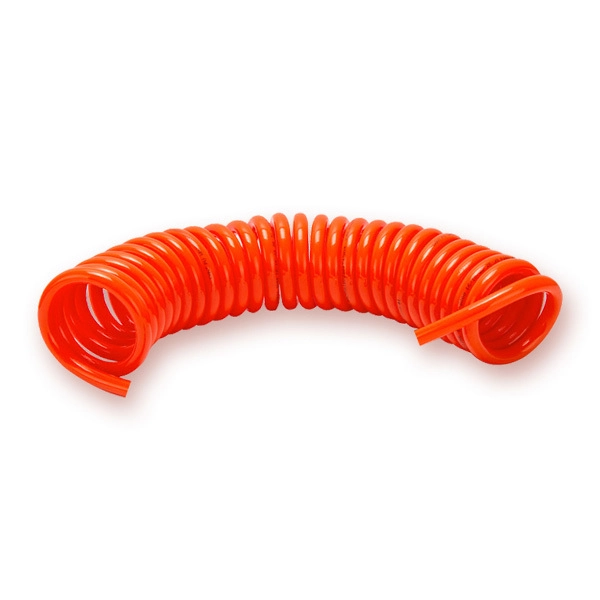
Pneumatic systems keep factories humming. Robots zip around. Conveyors move parts. Tools fire off quick bursts of air. But when the tubing fails, everything stops. Downtime hits hard. Repairs cost money. Safety risks pop up. Folks in maintenance know this all too well. They’ve seen lines burst mid-shift or leak slowly over weeks.
The good news? Most failures come from a handful of usual suspects. Spot them early, and you dodge big headaches. Even better, pick the right PU pneumatic tube from the start. It handles tough stuff without complaining.
Let’s break down the top five culprits. For each, we’ll look at what happens in real shops. Then, simple ways to steer clear—and why high-grade polyurethane tubing often solves the issue outright.
1. Wrong Material for the Job
Pick the cheap stuff, and regret it later. Some tubes just can’t take the environment. Heat makes one type soften. Cold turns another brittle. Chemicals eat away at others.
Take a packaging plant running hot glue guns. Air temps climb near the lines. Cheaper tubes sag and kink. Pressure drops. Machines jam. One crew swapped lines every few months until they figured out the material didn’t match the heat.
How to sidestep it: Match the tube to your setup. Check temp ranges. Look at what’s in the air—oils, solvents, moisture.
High-quality PU pneumatic tube shines here. Ether-based versions fight off hydrolysis. They stay flexible in damp spots. Hold up in heat or cold. Many run smooth from -40°C to +80°C or better. No softening in warm shops. No cracking in freezers.
2. UV and Weather Breakdown Outdoors
Outdoor gear faces the elements. Sun beats down. Rain soaks. Ozone hangs in the air. Over time, tubes degrade. Surfaces crack. Colors fade. Strength drops. A split shows up on a sunny day.
Construction sites see this a lot. Air tools drag around. Hoses lay in the dirt and sun. After a season, they get stiff or burst easy. One contractor told me his crew lost half a day fixing a weathered line during a pour.
Ways to fight back: Keep tubes covered when possible. Use shades or reels. Or go with material built for outside.
Polyurethane steps up big. Good PU pneumatic tube resists UV rays. Ether types handle ozone without cracking. They last years longer exposed. Mining ops or farm equipment rely on this. Lines stay supple through hot summers and wet springs.
3. Chemical Attack from Oils and Solvents
Factories aren’t clean rooms. Oils mist from machines. Cleaners splash around. Solvents wipe parts. Some tubes swell up. Others harden or dissolve inside.
Auto shops deal with this daily. Compressor oil carries through lines. Cheap tubes absorb it. Walls thin out. Bursts happen at bad times. A tech once showed me a hose that looked melted from the inside after months near cutting fluids.
Prevention tips: Know your exposures. Check compatibility charts. Route lines away from splashes.
Here’s where PU pneumatic tube pulls ahead. Many grades shrug off oils, greases, and common chemicals. No swelling. No softening. Lab tests show minimal weight change after soaking in fuels or solvents. Robotics lines in paint booths love this. Tubes stay intact around sprays.
4. Excessive Abrasion and Wear
Tubes rub against edges. Drag on floors. Vibrate near moving parts. The outer skin wears thin. Leaks start small, then grow.
High-speed lines suffer most. Packaging machines shake nonstop. Tubes chafe on frames. One food plant replaced sections weekly until they added sleeves.
Smart fixes: Secure lines with clips. Add protective spirals. Choose tougher skins.
Polyurethane nails abrasion resistance. It’s tough stuff. Tests like Taber show PU outlasting others by 5-10 times. PU pneumatic tube keeps its wall thick longer. Even in rough spots like assembly robots or conveyor sides. Maintenance drops way down.
Here’s a quick comparison from industry experience:
| Cause of Wear | Typical Tube Life (months) | With High-Grade PU (months) | Real-World Gain |
|---|---|---|---|
| Floor dragging | 3-6 | 18-24 | Less replacements, safer floors |
| Machine vibration | 6-12 | 24+ | Fewer stops on fast lines |
| Edge chafing | 4-8 | 20+ | Smoother robot moves |
5. Installation Stress and Kinks
Rush the job, and pay later. Too tight bends. Overstretched runs. Twisted fittings. Stress builds at points. Cracks form over cycles.
New setups catch this often. A crew hooks up quick. Forgets minimum bend radius. Months later, kinks flatten. Air flow chokes.
Best practices: Follow guidelines. Use proper tools. Leave slack for moves.
Qualité PU pneumatic tube forgives some mistakes. It coils tight without kinking. Recovers shape fast. High elasticity means less stress damage. Many hold 4-6 times OD bend radius easy. Installs go smoother. Last longer once in place.
About Aisili Pneumatic
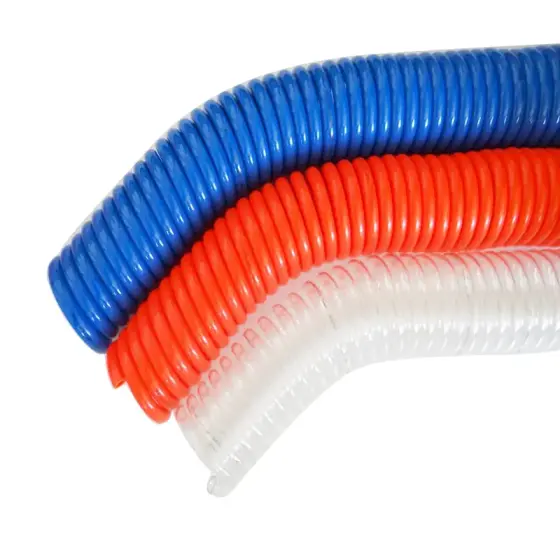
Aisili pneumatique is a professional manufacturer dedicated to the development and production of polyurethane pneumatic tubing and related pneumatic materials. Founded in 2007 in Yantai, China, they’ve grown steady. Two modern plants run advanced extrusion lines. Focus stays on premium raw materials for top flexibility, wear resistance, and chemical toughness. They meet RoHS and REACH standards. Serve folks in robotics, autos, packaging, and more across over 30 countries. Custom options—sizes, colors, hardness—help fit exact needs. Backed by solid R&D and quick support.
Conclusion
Pneumatic tube failures don’t sneak up random. They tie to material picks, environment, and handling. Spot these five big ones—wrong stuff, weather beatdown, chemicals, rub wear, install goofs—and act ahead. Simple changes cut risks big time. But starting with tough PU pneumatic tube often fixes several at once. Longer life. Fewer fixes. Smoother runs. Shops that switch see real savings and less hassle year after year.
Frequently Asked Questions
What makes PU pneumatic tube less likely to fail from abrasion?
PU pneumatic tube has a naturally tough outer layer. It stands up to scraping and dragging way better than softer materials. In rough industrial spots, it lasts months or years longer without thinning out.
How does a good PU pneumatic tube handle chemical exposure?
Qualité PU pneumatic tube resists oils, solvents, and greases common in factories. It doesn’t swell or break down easy. Keeps walls strong even around misty compressors or cleaning fluids.
Can PU pneumatic tube prevent cracks from UV in outdoor use?
Yeah, it can. Many PU pneumatic tube grades fight UV rays and ozone. They don’t crack or harden quick under sun. Great for tools and gear left outside.
Why is PU pneumatic tube a smart pick for tight installations?
PU pneumatic tube bends tight without kinking permanent. High flexibility cuts stress at turns. Makes hooking up easier and reduces early cracks from bad bends.
What’s the main advantage of choosing ether-based PU pneumatic tube?
Ether-based PU pneumatic tube fights moisture and hydrolysis best. Stays flexible in damp or watery setups. No brittleness over time like some others.