


難燃性ポリウレタンチューブが、高リスク生産現場における安全基準遵守をどのように向上させるか
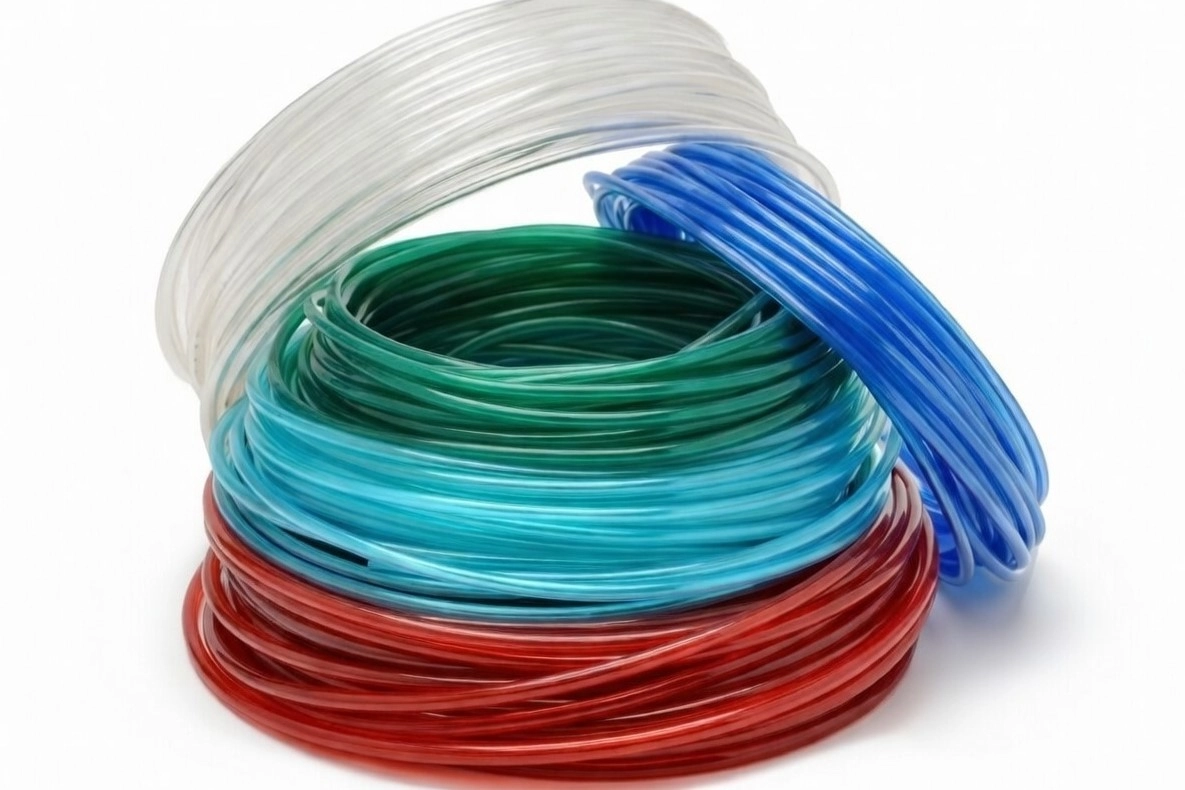
想像してみてください。あなたは忙しい溶接工場を経営しています。火花があちこちに飛び散ります。あるいは、自動車工場のロボット塗装ラインを監督しているかもしれません。ほんの小さなミス、例えば炎が空気圧ラインに触れるだけで、すべてが停止してしまう可能性があります。場合によっては、人身事故につながることもあります。まさに、 難燃性ポリウレタンチューブ 非常に便利です。これは単なるホース以上のものです。火災の危険が常に存在する場所では、頑丈な盾のように機能します。
この記事では、このチューブがどのように安全性を向上させ、厳格な規則を遵守し、作業全体を円滑に進めるのに役立つのかを詳しく見ていきます。ぜひ最後までお読みください。きっとご自身の現場で役立つヒントが見つかるはずです。
難燃性ポリウレタンチューブが産業安全における画期的な製品となる理由とは?
高リスクエリアは決して軽視できるものではありません。溶接工場やロボット塗装ラインでは、毎日、熱、火花、そして刺激の強い化学物質にさらされています。通常のチューブはしばらくは持つかもしれませんが、一度炎に触れると、あっという間に劣化してしまいます。難燃性ポリウレタンチューブは、こうした状況を一変させます。
特殊加工を施したポリウレタン製です。この素材自体が既に高い耐火性を備えています。さらに薄いPVC層が加わることで、保護性能がさらに向上します。これらが一体となって、炎を完全に遮断します。
以前、ある大規模組立工場の溶接主任と話をしたことがある。彼は昨年、危うく事故に遭いそうになったという。トーチの火花が古いホースに引火し、ホースが一瞬燃え上がったのだ。幸いにもすぐに消火できた。その一件以来、彼はすべての配管を難燃性のポリウレタン製チューブに切り替えた。それ以来、そのような事故は二度と起きていない。作業時間のロスも、負傷者も出ていない。ただひたすら安定した仕事が続いている。
このチューブはUL 94 V-0規格に適合しています。つまり、炎を取り除けばわずか数秒で自然に消火します。また、燃え尽きた液滴が垂れることもありません。液滴が垂れると、下の方で新たな火災が発生する恐れがあります。実際の燃焼試験では、この素材は高い耐久性を示しました。30秒間直火が当たっても、燃え尽きることはありませんでした。安全団体の報告によると、自動化された設備において、V-0規格の素材に切り替えることで、火災関連のトラブルを約40%削減できることが示されています。
耐火性だけが強みではありません。チューブは非常に柔軟性を保ち、混雑したロボットの関節部にも容易に通すことができます。決して折れ曲がることもありません。オイルやグリースも壁を侵食することなく、スムーズに流れ落ちます。B2B製造業を営む企業にとって、これは大きなメリットとなります。交換回数が減り、稼働時間が増えるのです。
勤務中に配管が破裂した経験はありませんか?そんな事態は、生産損失で数千ドルもの損害につながります。しかし、このチューブはそんな事態にも強く、一般的なサイズであれば常温で約25バールの破裂圧力に耐えることができます。そのため、十分な安全マージンが確保されています。
他社製品と差別化するための主な特徴
以下に、特に際立った点を簡潔にまとめました。
-
強力な炎遮断改良されたPUとPVCのジャケットは、燃え広がるのを防ぎます。煙は低く抑えられ、有害なガスも最小限に抑えられます。これにより、緊急時の避難経路がより確保されます。
-
グレートベンド+タフビルド硬度はショアA硬度85~98の間です。頑丈でありながら、加工しやすいのが特徴です。
-
化学抵抗性潤滑油、溶剤、その他の作業場用化学薬品をはじきます。塗装ブースや溶接作業場に最適です。
-
幅広い温度範囲に対応-30℃から+80℃までの温度範囲でスムーズに動作します。冷蔵保管エリアから高温の製造現場まで、あらゆる環境に対応します。
手早く計画を立てるために、標準サイズをまとめた便利な表を以下に示します。
| サイズ(外径×内径 mm) | 厚さ(mm) | 破裂圧力(20℃におけるbar値) | 最大使用圧力(20℃におけるbar) | 最小曲げ半径(20℃におけるmm値) |
|---|---|---|---|---|
| 4 x 2.5 | 0.75 | 25 | 10 | 10 |
| 6 x 4 | 1 | 25 | 10 | 15 |
| 8 x 5.5 | 1.25 | 25 | 10 | 25 |
| 10 x 6.5 | 1.75 | 25 | 10 | 30 |
| 12 x 8 | 2 | 25 | 10 | 35 |
| 14 x 10 | 2 | 20 | 7 | 55 |
| 16 x 12 | 2 | 20 | 7 | 65 |
サイズは固定ではありません。直径や長さはカスタムオーダーも簡単に可能です。そのため、すべてがお客様のレイアウトに完璧にフィットします。
厳しい環境下でコンプライアンスに真正面から取り組む方法
法令遵守は、単に書類に記入するだけにとどまりません。罰金を回避し、予期せぬ操業停止を防ぎます。ロボット式スプレーラインは、常に溶剤蒸気と熱にさらされています。OSHAやISOの規則では、小さな火花が大きな火災に発展しない材料の使用が求められています。難燃性ポリウレタンチューブは、これらの要求に真正面から応えます。
UL 94 V-0認証を取得していることがそれを証明しています。垂直燃焼試験では、炎は取り外してから10秒以内に消えます。炎が滴り落ちることもありません。これは、厳しい環境下では非常に重要な点です。
自動車工場のロボット塗装ラインを例に考えてみましょう。溶剤が空気中に漂い、熱がこもります。配管が1本でも劣化すると、防火基準に違反する可能性があります。この配管を設置することで、すべての規制を遵守できるだけでなく、ラインの稼働もスムーズになります。
全米防火協会はかつて、産業火災によってアメリカの企業が毎年20億ドル以上もの損失を被っていると報告した。その多くは、老朽化した空気圧配管など、単純な発火源から発生する。V-0規格の配管は、こうした危険性を大幅に低減する。
また、監査も容易になります。検査官は、安全対策の改善を文書化して提示すれば注目します。低煙性は、混雑した作業スペースに関する規則にも合致します。溶接工場では、アークフラッシュによって異常な高温(時には華氏1万度)に達することがあります。火災の延焼を防ぐ配線は、作業員の安全を確保し、保険会社との交渉を円滑にします。多くの工場が、このような機器を導入した後、保険料の値上げが鈍化したことを実感しています。
実世界での応用例と成功事例
よくある場所をいくつか見てみましょう。
-
溶接工場火花や高温のスラグが絶えず飛び散ります。このチューブはエアツールを溶融させることなく保護します。作業は滞りなく進みます。ある工場では、この変更後、メンテナンス費用が約20%減少しました。
-
ロボット式スプレーラインチューブは可動アームの周りをスムーズに曲がります。難燃性により溶剤の引火を防ぎます。ダウンタイムが短縮され、修理の頻度も減少します。
-
オートメーションハブガスや化学物質を扱う工場では、漏れのない配管が必要です。この配管は、小さな漏れが火災に発展するのを防ぎます。また、爆発性雰囲気に関するATEX指令への適合にも役立ちます。
つまり、恐ろしいリスクを日常的な何でもない出来事に変えてしまうのだ。
賢明な選択で業務の優位性を高める
アップグレードは複雑に感じる必要はありません。まずはフロアを歩いてみましょう。最も高温になる危険箇所を特定します。必要な圧力を確認し、それに合ったサイズを選びます。混雑したロボットセルでは、外径6mmの細いチューブの方が配管が容易です。
継手も妥協してはいけません。良質なクイックコネクタを使えば、すべてがしっかりと密閉されます。
コスト面ではすぐにメリットが分かります。確かに、初期費用は一見高く見えるかもしれません。しかし、ダウンタイムの回避を考えてみてください。1時間の停止で5,000ドル以上かかることもあります。さらにメンテナンス費用も削減できます。投資回収は予想以上に早く実現するでしょう。
多くの経験豊富なエンジニアがその効果を絶賛しています。私が知っているある自動化エンジニアは、配管を改修した後、避難訓練の頻度を半分に減らしたそうです。
Aisili Pneumaticのご紹介:信頼性の高い空圧ソリューションをお求めなら、Aisili Pneumaticにお任せください。
Aisili 空気 は、開発と生産に専念するプロフェッショナルなメーカーとして際立っています。 ポリウレタン製空気圧チューブ および関連する空気圧材料。2007年の創業以来、同社は実際の産業課題に対応する高性能製品の開発技術を磨き上げてきました。中国山東省に2つの最先端施設と7つの先進的な押出成形ラインを擁し、自動化、ロボット工学、その他用途向けに設計された、一貫性のある耐久性の高いチューブを生産しています。品質へのこだわりはすべてのコイルに表れており、国際的な保証によって支えられています。 RoHSやREACHなどの規格特注サイズや特殊な機能が必要な場合でも、Aisiliは30カ国以上を網羅するグローバルなネットワークで対応し、B2Bニーズに対応する信頼できるパートナーとなります。
結論
まとめると、難燃性ポリウレタンチューブは単なる役割を果たすだけでなく、より安全な床とスムーズな法令遵守に向けた実用的な一歩となります。炎の延焼を防ぎ、狭いコーナーでも簡単に設置できます。溶接工場やロボットラインなど、一刻を争う現場では、このチューブは確かな性能とともに真の安心感をもたらします。アップグレードをご検討中ですか?ぜひ一度、ご自身の設備にどのように活用できるか検討してみてください。
よくある質問
PU単層難燃性チューブとは具体的にどのようなもので、なぜ私の溶接作業にとって重要なのでしょうか?
PU単層難燃チューブは、処理済みのポリウレタンにPVC層を追加した、曲げやすく丈夫なホースです。溶接作業において、その真価を発揮します。UL 94 V-0規格に適合しており、炎を素早く消火します。火花が大きな問題に発展するのを防ぎ、作業員の安全を確保し、規制遵守にも貢献します。
ポリウレタン単層難燃チューブは、標準的なチューブと比較して、ロボット式スプレーラインにおいてどの程度耐久性があるのでしょうか?
ロボット式スプレーラインは、溶剤と絶え間ない動きに対応する必要があります。ポリウレタン(PU)単層難燃性チューブは、これらの両方に優れた性能を発揮します。通常のホースを劣化させるような化学物質にも耐性があり、可動部品の周りをスムーズに曲がります。難燃性により、煙や火災のリスクを低減します。ダウンタイムが短縮され、余分な手間をかけずに安全規則を遵守できます。
特定の高リスク床材のニーズに合わせて、ポリウレタン単層難燃チューブをカスタマイズすることは可能ですか?
はい、可能です。ポリウレタン製の単層難燃性チューブは、外径4mmから16mmまでのサイズをご用意しています。長さ、色、硬度もお選びいただけます。この柔軟性により、危険区域の複雑なレイアウトにも容易に対応できます。安全性は高く保たれ、性能も損なわれることはありません。
ポリウレタン単層難燃チューブの安全性に関する主張を裏付ける認証は何ですか?
最も重要なのはUL 94 V-0規格です。この規格は、チューブがすぐに燃焼を停止し、滴下火災が発生しないことを証明するものです。RoHS指令への準拠は、環境安全性も高めます。これらの特長により、PU単層難燃性チューブは、火災の危険性が高いB2B分野において、信頼できる選択肢となります。
産業現場において、ポリウレタン単層難燃チューブを使用することは、長期的なコストにどのような影響を与えるのでしょうか?
切り替えることで、長期的にコスト削減につながります。チューブは耐摩耗性に優れ、25バールの破裂強度を備えているため、長持ちします。配管の交換頻度が減り、火災による停止も稀になります。多くの工場では、初期費用はかかりますが、メンテナンス費用の削減と生産量の安定によって、すぐに元が取れることを実感しています。