ホーム ニュース 製品ニュースWhat Is Polyurethane? A Complete Guide to PU Tubing for Pneumatic Systems

What Is Polyurethane? A Complete Guide to PU Tubing for Pneumatic Systems

2026-07-10 00:00:41
Admin によって

内容表

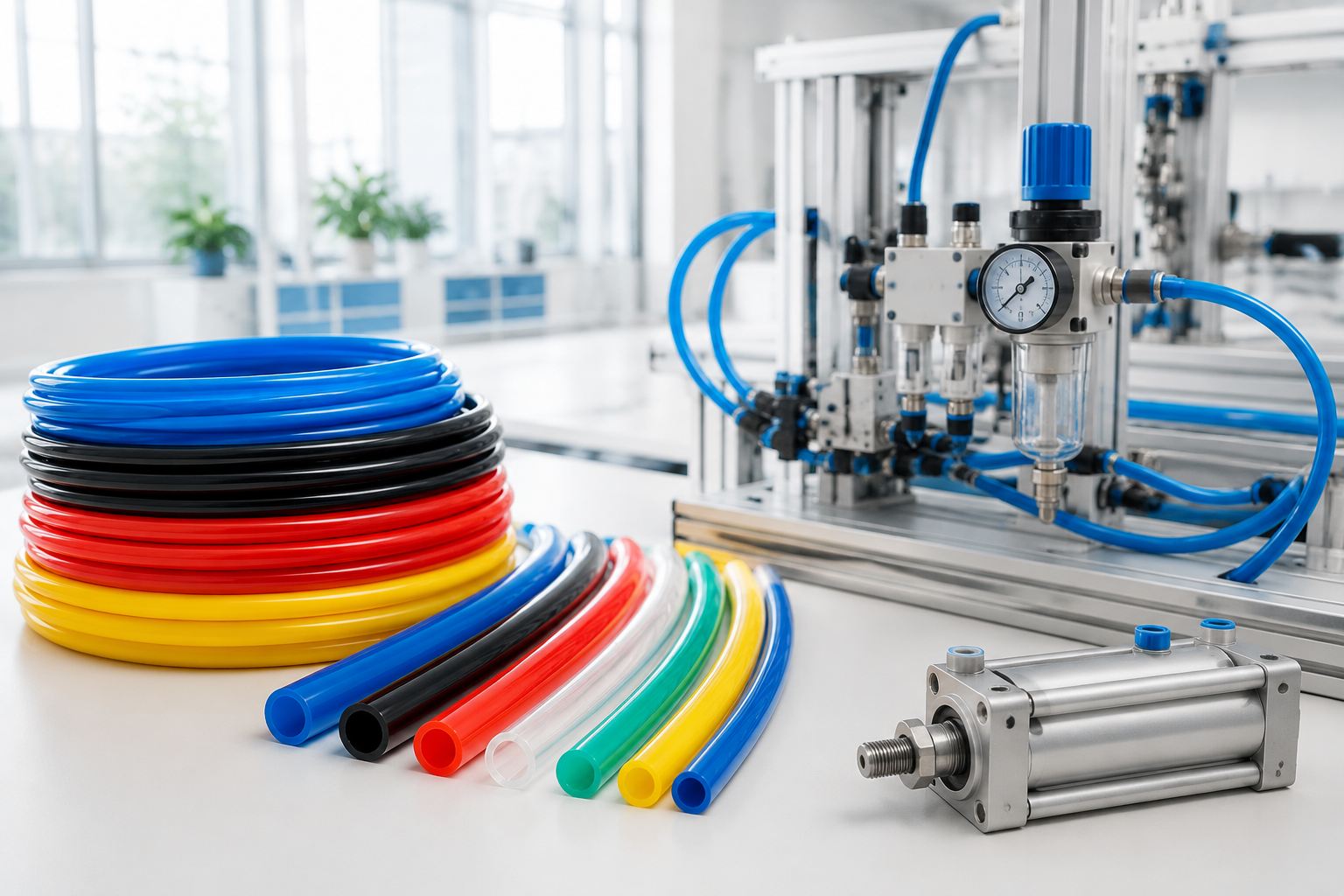
    What Is Polyurethane A Complete Guide to PU Tubing for Pneumatic SystemsPolyurethane matters in pneumatic systems because tubing is not just a small accessory; it affects air leakage, actuator response, machine layout, maintenance cost, and replacement frequency. For buyers, engineers, OEM teams, and maintenance departments, choosing the wrong PU Pneumatic tube can lead to poor fitting retention, cracking, kinking, pressure loss, or downtime. A practical selection should consider material type, working pressure, burst pressure, bend radius, temperature range, chemical exposure, and supplier documentation before purchase.

    What is polyurethane, and why is it used for pneumatic tubing?

    The general term polyurethane refers to a family of synthetic polymers which are found in numerous applications including elastomers, rigid and flexible foams, coatings, adhesives, and other types of industrial materials. When purchasing pneumatic tubing, the buyer generally is less concerned with the chemistry theory than with the way the material will behave during installation, bending, in service at pressurized conditions, and endurance on long term basis while in service on a machine. Polyurethane is a synthetic polymer, therefore it is a material or group of materials, not a material with a fixed grade. ( PubChem )

    How does polyurethane behave as a tubing material?

    The polyurethane tube is valued because it is flexible enough to fit into very small routes and at the same time is powerful enough to transport compressed air in automation. There are many machines where the tubing must go around frames, moving parts, manifolds, and automation control panels.

    The actual performance of the grease depends on the formulation. Please find out whether the grease tube contains an ester, ether or flame-retardant lubricant, is anti-spark or has other special application characteristics.

    Why do buyers choose PU instead of only looking at price?

    PU tubing could offer some advantages to stiffer tubing in terms of installation difficulty in very compact installations, but price has to be considered in more ways than just being cheap.

    Experienced buyers look at size tolerance, working pressure, bend radius, flexibility, surface finish, fitting compatibility, color, packaging, lead time, and even availability of replacement parts. A product that is initially cheaper can actually end up being more expensive if it leaks, kinks, or even fails prematurely.

    How does PU pneumatic tubing work in a compressed air system?

    A pneumatic tube is a hollow tube that carries compressed air from one component to another. A typical pneumatic tube system might connect a number of items such as air compressors, filters, air regulators, air valves, air cylinders, grippers, air tools, vacuum equipment, etc.

    How does air move through the tube?

    When air pressure is released from a valve or other control, compressed air flows through the tubing to an actuator. The compressed air within the actuator then drives linear or rotary motion.

    Incorrect installation of hose tubes can also result in a loss of pressure. Hose tubes that are too narrow, too long, contain sharp bends or are inadequately connected can all result in decreased cylinder speed, poor gripping force and variable machine performance.

    Why do tube size and fitting match matter?

    The outer diameter of the tubing must match the inner diameter of the fitting, while the inner diameter of the tubing determines the amount of airflow through the tube. As a result, a tube that is near the correct size can still leak or slip in a fitting that cannot hold it in place to create a good seal.

    Push-in fittings need a cut tube end, square and clean. Scratches, oval shape, dust, etc. on a tube end are not compatible with push-in fittings and will leak, even if the rest of the material is perfectly suitable.

    Which specifications should buyers check before choosing pneumatic tubing?

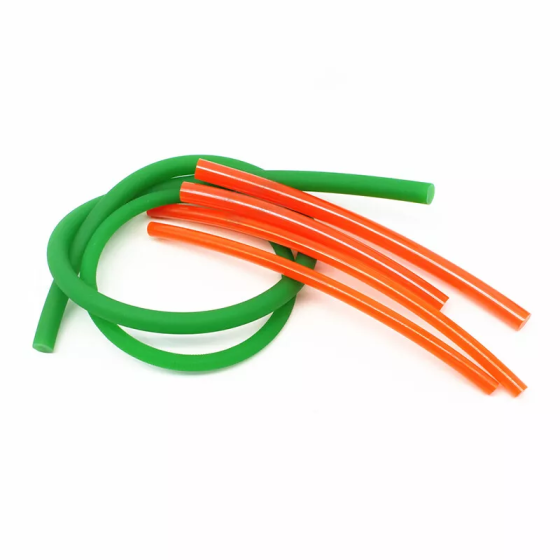
    ポリウレタンコードベルトReview datasheet prior to purchasing to help compare products based on actual performance as opposed to physical attributes and generic advertising claims.

    Which technical details should appear on the datasheet?

    When purchasing pipes and tubes, as a buyer you should check for the following: outer diameter, inner diameter, wall thickness, working pressure, burst pressure, temperature, minimum bend radius, hardness, material, color, length of the tube as it is rolled and packaging.

    For the US buyer, the inch and metric reference to pneumatic sizes should be viewed with some suspicion. Since the pneumatic system will consist of imports, domestic equipment and replacement parts, size could become a real installation problem.

    Which working conditions can damage the tube?

    Several factors can affect the service life of tubing, including heat, oil mist, moisture, UV exposure, chemicals, abrasion, repetitive bending and mechanical crushing. The more that a tube is exposed to any of these factors near welding sparks, cutting, ovens, moving guards, cable carriers, etc., the more important a material evaluation becomes.

    In case of application in wet environments the buyer should inquire whether the used PU type is suitable for hydrolysis resistance. When purchasing in large quantities, more attention should be given to the characteristics of bend radius and fatigue behavior for items that are moved around.

    How should polyurethane tubing compare with other pneumatic tubing materials?

    While PU is the most common material in our catalog, it is by no means the only option to choose from. The most suitable material is determined by the specific application, not just by the product group.

    When is PU pneumatic tubing a good fit?

    PU Pneumatic tubes are suitable for small pneumatic circuits, for robots, for packaging machines, for automated assembly, for control cabinets and for air lines where flexibility is required.

    The cable is particularly useful for round route work where the cable can simply be pulled around corners in tight spaces. As with all products it is recommended that buyer confirm pressure, temperature, type of fittings, and any potential chemical exposure prior to approving for installation.

    When should buyers consider other materials?

    Nylon tubing could be used for stronger mechanical resistance or longer straight runs. PVC tubing is suitable for lighter duty, cost oriented air lines, but must be within limits for pressure, aging, flexibility etc.

    Multi-material pneumatic tubing could be used when a project has a mix of requirements such as fixed routes, moving parts, color coding or special environments.

    Tubing option

    Common reason to choose it

    What to check first

    PU tubing

    Flexible routing and compact installation

    Pressure, bend radius, moisture, oil, heat

    Nylon tubing

    Tougher mechanical service

    Flexibility and fitting compatibility

    PVC tubing

    Light-duty cost control

    Aging, pressure, and temperature limits

    Multi-material tubing

    Mixed installation needs

    Each material’s exact role and rating

    What safety, compliance, and documentation points should be reviewed?

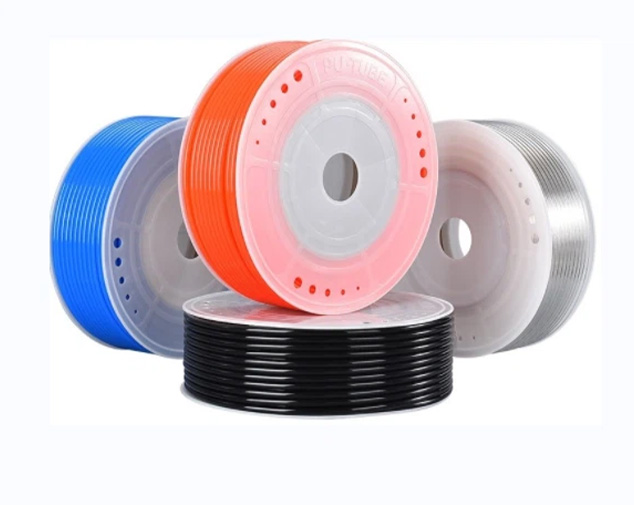
    エステルベースのPuの管Since pneumatic tubing is part of a pressurized system, safety and documentation for pneumatic tubing must be taken as seriously as for other parts of the system. Requirements for safety and for documentation of pneumatic tubing will depend on the machine it is part of, on the site where it will be used, on the buyer’s specifications, and on the intended use.

    Which standards or workplace rules may be relevant?

    ISO 4414:2010 sets out general rules and requirements with respect to safety for fluid power systems for pneumatic drives and their components for use in machinery. It is a voluntary Standard; it becomes a requirement when contracted, in project specification or by local regulation. (ISO)

    OSHA sets limits for the use of compressed air for cleaning in workplaces within the U.S. in 29 CFR 1910.242(b). These limits include a maximum pressure of less than 30 psi for cleaning using compressed air, as well as requirements for chip guarding and personal protective equipment. Note that these limits only apply to the use of compressed air for cleaning, not to typical pneumatic tubing installations. 

    What documents should buyers request from suppliers?

    Buyers should ask for a datasheet for the product, a description of the materials used, information about the pressure rating of the component, information about the compatibility of the fittings and the packaging details. Also ask for information about any inspection or tests performed.

    For OEM projects, additional documents may include RoHS or REACH statements, color confirmation, private-label packaging details, samples, drawings, and batch traceability requirements. Buyers should separate product material documents from factory certificates and supplier self-declarations.

    How can Yantai Aisili New Material Co., Ltd. support PU tubing buyers?

    With a clear outline of the application requirements supplier evaluation can be implemented more easily. This page gives a brief insight in who we are as a sourcing reference, in addition to the normal technical comparison with potential suppliers.

    What product area does the company support?

    ヤンタイアイスリ新材料株式会社, through Aisili Pneumatic, supplies polyurethane pneumatic tubing, multi-material pneumatic tubing, air blow guns, fittings, and connectors for industrial automation and OEM needs. Its website lists polyurethane pneumatic tubing categories including ester-based PU tubing, flame-retardant tubing, and related pneumatic products. (AISILI)

    Support discussions on size, color, packaging and application-specific tubing requirements.

    What should buyers still verify before ordering?

    More aspects should be compared between datasheets, such as pressure ratings, material and fitting compatibility, as well as price, delivery terms, packaging and the buyer’s expectations for after-sales service.

    For special applications, samples or pre-production verification are worth asking for. For instance, for applications where tubing is part of moving parts, is to be routed in very tight spaces or is to be assembled with customer’s own branding, it is better to verify the tubing with actual samples or pre-production verification prior to production.

    Conclusion

    Polyurethane is a suitable material for pneumatic tubing, because PU-tubes are flexible, easy to route through air-lines and are suitable for many automation concepts. Choosing the correct polyurethane-tube is based on a number of characteristics such as operating pressure, nominal diameter, bend-ratio, temperature, fittings and area of application. PU-tubes are suitable for most of the pneumatic applications. However not all types of PU-tubes are suitable for every chemical, heat, moisture and motion application. The buyer must carefully review the relevant standards, plant rules and supplier documents for the specific project requirements. Careful review of specifications can prevent leakage, installation problems and unnecessary change-outs.

    FAQs

    1. What is polyurethane pneumatic tubing used for?

    Polyurethane pneumatic tubing is primarily used for the transportation of compressed air from valves and fittings to air cylinders, grippers, air actuators, etc. It is widely used in automation, in control cabinets, in packaging machinery and also in assembly lines.

    2. Is a PU Pneumatic tube the same as a polyurethane tube?

    In the field of pneumatic products, “PU Pneumatic tube” is often a term used to describe polyurethane tubes used as air lines for compressed air. It is always best to verify the exact material grade and reference datasheet when purchasing.

    3. How do I choose the right pneumatic tubing size?

    We will check your hose’ outer diameter for fitting and your hose’ inner diameter for air passage. Then we will check pressure, hose length, hose bend radius, actuator speed and space needed for installation.

    4. What causes PU tubing to leak?

    Common causes of leaks include incorrect hose diameter, bad cutting, dirty or scratched surfaces, worn out or damaged fittings, too much bending, hose damage caused by heat and incorrect installation. A clean square cut and correct fitting will minimize the risk of leaks.

    5. What should I ask a PU tubing supplier before ordering?

    Request for Material Type, Size Tolerance, Working Pressure, Burst Pressure, Operating Temperature, Bend Radius, Fitting End Use, Minimum Order Quantity, Delivery Time, Packaging and Available Documents. Request samples before production for custom order.

    ホーム
    WhatsApp の
    メール
    お問い合わせ