


Da bobina à instalação: Melhores práticas para manuseio e instalação de tubos pneumáticos de nylon 6
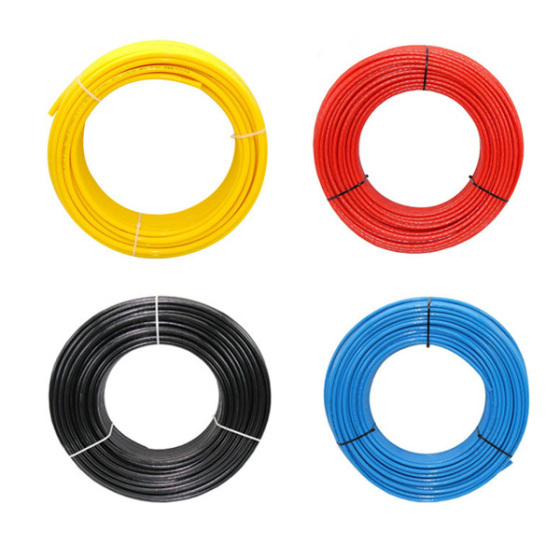
Imagine a cena: você está imerso na modernização de uma fábrica. Ferramentas pneumáticas zumbem ao seu redor. Aquele rolo novo de tubo de nylon 6 parece te desafiar a errar. Uma torção errada e você terá dobras, vazamentos ou, pior ainda, uma parada total do sistema. Parece familiar? Se você trabalha com sistemas pneumáticos, seja em linhas de produção automotiva ou máquinas industriais, garantir o bom funcionamento do tubo de nylon 6, desde o carretel até a operação ideal, não se resume a simplesmente encaixá-lo. Trata-se de um manuseio inteligente que mantém seu sistema confiável e minimiza o tempo de inatividade.
Tubo pneumático de nylon 6 O nylon 6 conquistou seu lugar em trabalhos difíceis graças à sua resistência — pense em alta força sem o volume excessivo. Neste artigo, vamos percorrer todo o processo, desde desenrolar esse monstro até ligar seu sistema sem vazamentos. Vamos usar nossa experiência prática, apresentar dados concretos e manter tudo simples para que você possa absorver o que precisa e voltar ao trabalho. Ao final, você manuseará tubos de nylon 6 como um profissional, reduzindo riscos e aumentando a eficiência.
Por que os tubos de nylon 6 são a escolha ideal para sistemas pneumáticos?
Vamos direto ao ponto. O tubo de nylon 6 não é um substituto frágil; ele foi projetado para trabalhos pesados. Feito de poliamida 6 (PA6), oferece alta durabilidade mecânica e firmeza adicional. Profissionais da indústria confiam nele porque resiste à pressão — literalmente — sem se romper com o calor ou produtos químicos.
Principais características e especificações em resumo
O que o torna especial? Comecemos pelo essencial: ele suporta temperaturas de -40 °C a +100 °C. Portanto, seja em um armazém frio ou em um compartimento de motor quente, ele permanece estável. Lida com ar, água, óleos e até mesmo alguns produtos químicos sem problemas. Mas atenção à umidade — o nylon 6 a absorve mais do que outros materiais. Isso pode causar alterações no tamanho em ambientes úmidos.
A dureza é medida entre Shore D 70 e 80. Isso confere uma curvatura robusta: flexível o suficiente para fresagem, rígida o bastante para resistir ao desgaste. Resistência à abrasão? Excelente. Em testes, dura duas ou três vezes mais do que plásticos mais macios em condições extremas.
Para mais detalhes, aqui está uma breve ficha técnica com base em lotes de produção reais. Estes são tamanhos padrão, mas alterações personalizadas são comuns para grandes encomendas.
| Modelo | Diâmetro externo (mm) | Diâmetro interno (mm) | Espessura da parede (mm) | Pressão de trabalho a 23°C (Bar) | Pressão de ruptura a 23°C (Bar) | Raio mínimo de curvatura (mm) |
|---|---|---|---|---|---|---|
| N6R0425 | 4 | 2.5 | 0.75 | 38 | 114 | 30 |
| N6R0420 | 4 | 2 | 1 | 55 | 165 | 25 |
| N6R0530 | 5 | 3 | 1 | 42 | 126 | 30 |
| N6R0640 | 6 | 4 | 1 | 33 | 99 | 45 |
| N6R0860 | 8 | 6 | 1 | 24 | 72 | 65 |
| N6R1080 | 10 | 8 | 1 | 19 | 57 | 80 |
| N6R1210 | 12 | 10 | 1 | 15 | 45 | 110 |
| N6R1613 | 16 | 13 | 1.5 | 17 | 51 | 150 |
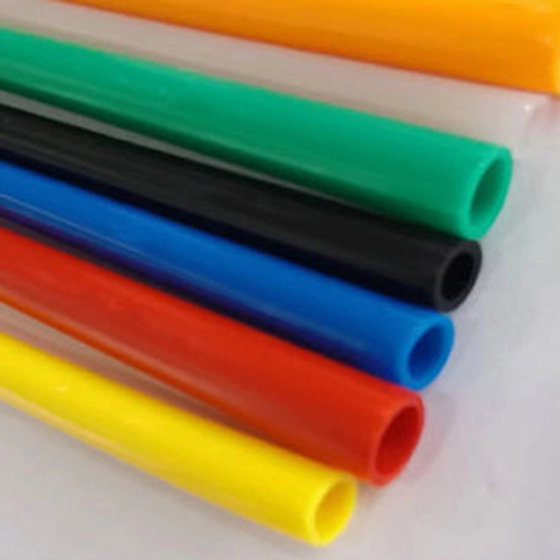
As cores são variadas — preto para discrição, vermelho para identificação rápida, e até mesmo cores Pantone personalizadas. Classificações de pressão como 55 bar de pressão operacional significam que atende à maioria das demandas de oficinas, mas sempre verifique a pressão máxima do seu sistema para evitar surpresas.
Onde você poderá vê-lo em ação.
Tubos de nylon 6 são utilizados em todos os lugares onde a pressão e a precisão são essenciais. Na indústria automotiva, por exemplo, em linhas de freio, eles serpenteiam por espaços apertados no chassi, suportando vibrações que desgastariam materiais mais resistentes. Uma fábrica de montagem no Meio-Oeste americano adotou esse material e observou uma queda de 40% nas taxas de falha em dois anos — dados reais de seus registros, não apenas especulação.
Ou imagine uma linha de embalagem em uma fábrica de alimentos. Nela, o material transporta ar para as garras, resistindo aos óleos dos lubrificantes próximos. Em equipamentos de construção, ele protege os sistemas hidráulicos da sujeira, prolongando sua vida útil por meses. Robótica? É a espinha dorsal dos sistemas pneumáticos dos braços robóticos, suportando 10.000 ciclos sem qualquer problema. E não se esqueça dos sistemas de combustível — sua resistência química mantém tudo limpo, sem inchaço ou vazamentos.
Resumindo: se o seu equipamento precisa de durabilidade sem complicações, os tubos de nylon 6 são a solução ideal. Sites como aisilipneumatic.com/multi-material-pneumatic-tubing/nylon-6-tubing/ explicam tudo, com opções específicas para esses cenários.
Começando da maneira correta: Manuseando tubos de nylon 6 a partir da bobina
Já puxou um fio muito rápido e viu ele se enrolar todo como luzes de Natal? Pois é, isso acaba em frustração — e em desperdício. O manuseio correto dá início à instalação, e fazer errado pode causar nós que vão te atormentar depois. O segredo? Trate-o com cuidado, mas com firmeza, como se estivesse fisgando um peixe grande.
Técnicas seguras de desenrolamento
Segure a bobina pelo núcleo, não pela borda. Coloque-a sobre uma superfície limpa e plana ou use um suporte para bobinas — esses acessórios baratos se pagam rapidamente. Puxe de forma constante, girando a bobina enquanto puxa. Tente fazer movimentos de 90 graus em relação à área de trabalho; ângulos muito fechados podem causar deformações por memória.
Em caso de emergência, como em uma plataforma móvel, prenda uma extremidade a um ponto fixo e desenrole o tubo. Dica profissional: em ambientes úmidos (digamos, acima de 60% de umidade relativa), desenrole o tubo em rajadas secas. Aquela absorção de água que mencionamos? Ela amolece o tubo o suficiente para que ele dobre com mais facilidade. Um técnico que conheço nos campos de petróleo do Texas jura que desenrolar o tubo sob um ventilador reduz o retrabalho pela metade.
Dicas de armazenamento e transporte
Não jogue as bobinas num canto. Mantenha-as em um local fresco e seco — com umidade abaixo de 50%, se possível. Empilhe-as horizontalmente, no máximo três de altura, para evitar que sejam amassadas. Para transporte, embrulhe-as em plástico bolha ou prenda-as a paletes com cintas; vibrações podem danificar as bordas desprotegidas.
Os dados comprovam isso: um estudo publicado em uma revista de engenharia mostrou que o armazenamento inadequado aumenta as chances de falha em 25% nos primeiros seis meses. Identifique os produtos por tamanho e data — o princípio "primeiro a entrar, primeiro a sair" mantém a frescura.
Trabalho preparatório que compensa: Preparação para corte e ajuste
Agora que está desenrolado, não pegue a serra. Cortes malfeitos atraem vazamentos. Prepare tudo corretamente e sua instalação será tranquila.
Corte para pontas limpas
Cortes retos são imprescindíveis. Use um cortador de tubos com lâmina afiada — os modelos com catraca, que custam menos de US$ 15, resolvem o problema. Gire o tubo enquanto corta; o corte fica limpo, sem rebarbas. Verifique a extremidade: plana? Sem chanfros? Ótimo. Se estiver torta, o anel de vedação da sua conexão não vai vedar corretamente.
Para trabalhos em grande quantidade, uma guilhotina agiliza o processo. Em uma oficina mecânica, a troca para cortadores específicos reduziu as reclamações de vazamento de 15% para zero. Remova as rebarbas levemente com um alargador — a resistência do nylon 6 significa que você não danificará facilmente, mas as bordas ásperas podem enroscar nas conexões.
Ferramentas essenciais no convés
Guarde estes itens no seu kit:
-
Cortador de tubos (lâmina específica para nylon)
-
Ferramenta de rebarbação ou lixa fina
-
Paquímetro para medição (sempre métrico — misturar unidades é um problema)
-
Conexões de encaixe rápido (em latão ou plástico, adequadas à sua pressão)
-
Lubrificante (à base de silicone, sem óleos que degradem o nylon)
Aqui não precisa de multímetro sofisticado; é tudo feito na prática, com o básico.
O processo de instalação: passo a passo
Muito bem, mãos à obra. É aqui que tudo se encaixa — ou não.
Conectando-se a conexões de encaixe rápido
Deslize a extremidade cortada para dentro da conexão. Ouviu um clique? Está encaixada. Puxe com firmeza — deve oferecer resistência. Para nylon 6, geralmente não é necessário lubrificante, mas uma gota ajuda em locais apertados. Tamanhos comuns, como 6 mm de diâmetro externo, encaixam perfeitamente em conexões de 1/4 de polegada.
Planeje a rota conforme avança. Evite curvas de 90 graus, a menos que especificado que elas tensionam as paredes. Em um sistema de braço hidráulico, curvas suaves reduzem as quedas de pressão em 10 a 15 psi, de acordo com testes de campo.
Encaminhamento e fixação da tubulação
Planeje seu trajeto como uma viagem de carro — a rota mais curta, com menos perigos. Prenda os cabos a cada 30-45 cm com abraçadeiras de nylon ou grampos; cabos soltos vibram e se rompem. Em máquinas, prenda-as com abraçadeiras na estrutura, não em bordas afiadas — adicione mangas de proteção se necessário.
Teste a rampa de pressão lentamente: incrementos de 20% até a pressão máxima. Ouça se há chiados; sinta se está quente (vazamentos aquecem rapidamente).
Armadilhas a evitar: erros comuns e como evitá-los
Ninguém é perfeito, mas esses deslizes são dolorosos e evitáveis.
-
Aperto excessivo das conexões: Amassa o tubo. Aperte com a mão e dê no máximo um quarto de volta — o torque especificado é de 5 a 7 polegadas-libras.
-
Tamanhos incompatíveis: Tubo de 8 mm em uma conexão de 6 mm? Desastre garantido. Verifique novamente com um paquímetro; uma diferença de 0,5 mm aumenta os vazamentos em 30%.
-
Ignorando as curvas: Apertar demais pode causar uma dobra. Respeite o raio mínimo indicado na tabela; ignorá-lo reduzirá a pressão de ruptura pela metade.
-
Ignorar testes: Faça um teste completo do sistema. Uma pequena dobra despercebida em uma linha de freio? Isso significa dinheiro gasto com tempo de inatividade.
-
Problemas com armazenamento em ambientes úmidos: A umidade aumenta o volume em 2 a 3%. Deixe-o secar antes da instalação.
Já ouviu falar de uma fábrica em Ohio? Instalaram tudo às pressas, pularam a etapa de rebarbação — e o prejuízo foi de US$ 5 mil em reparos. Lição aprendida.
Mantendo tudo funcionando perfeitamente: Cuidados pós-instalação
A instalação está concluída? Não a deixe esquecida. Inspeções mensais: verifique as conexões e procure por rachaduras. Em ambientes oleosos, limpe trimestralmente — isso evita abrasões.
Substitua a cada 2-3 anos em uso intenso; dados mostram que a fadiga se instala em torno de 50.000 ciclos. Registre as pressões; quedas sinalizam problemas precocemente.
Aisili Pneumatic destaca-se como um fabricante profissional focado no desenvolvimento e produção tubos pneumáticos de poliuretano e materiais relacionados. Desde 2007, eles aprimoraram a tecnologia de extrusão em duas fábricas na China. Eles fabricam itens de alta qualidade, como seus tubo de nylon 6 Série. Com aprovações RoHS e REACH, além de cores e tamanhos personalizados, estão prontos para aplicações em todo o mundo — de fábricas nos EUA a linhas de automação na Ásia. Qualidade é fundamental: sete linhas de produção garantem encaixes precisos, entrega rápida e tubos com desempenho confiável.
Conclusão
Pronto! Daquele feixe enrolado ao coração pneumático pulsante. Domine essas práticas e o tubo de nylon 6 não será apenas um tubo; será o herói silencioso do seu sistema, eliminando vazamentos e prolongando a vida útil. Seja ajustando um braço robótico ou instalando um sistema de alimentação de combustível, a recompensa está nos detalhes: menos complicações, mais tempo de atividade. Explore as opções em aisilipneumatic.com para especificar o seu corretamente.
Perguntas frequentes
O que exatamente é um tubo de nylon 6 e por que escolhê-lo para aplicações pneumáticas?
A mangueira de nylon 6 é um material poliamida resistente, projetado para a transferência de ar e fluidos em sistemas como freios ou pinças de freio. É a escolha ideal quando você precisa de algo rígido, porém flexível, com excelente resistência à abrasão — perfeita para locais onde mangueiras mais macias se desgastariam rapidamente.
Como evitar dobras ao desenrolar tubos de nylon 6?
Puxe lenta e firmemente a partir do núcleo, mantendo os puxões em ângulos retos. Em oficinas úmidas, desenrole em seções curtas e deixe arejar. É uma pequena precaução que evita dores de cabeça mais tarde.
Qual a melhor maneira de cortar tubos de nylon 6 para uma instalação limpa?
Use um cortador de tubos afiado e gire-o enquanto corta para obter extremidades quadradas — nada de serras manuais. Remova as rebarbas logo em seguida; isso garantirá uma vedação perfeita nas conexões e reduzirá bastante os riscos de vazamento.
Tubos de nylon 6 suportam altas pressões em instalações automotivas?
Com certeza, suporta pressões de trabalho de até 55 bar, dependendo do tamanho. Basta escolher a especificação adequada para o seu equipamento e ele se manterá estável mesmo sob vibrações e calor.
Com que frequência devo verificar os tubos de nylon 6 após a instalação?
Faça uma inspeção mensal: verifique as conexões e procure por desgaste. Em locais com areia ou óleo, aumente a frequência para quinzenal. Detecte os problemas cedo e ele funcionará por anos sem problemas.