


O que é tubo retardante de chamas de camada única de PU? Um guia completo.
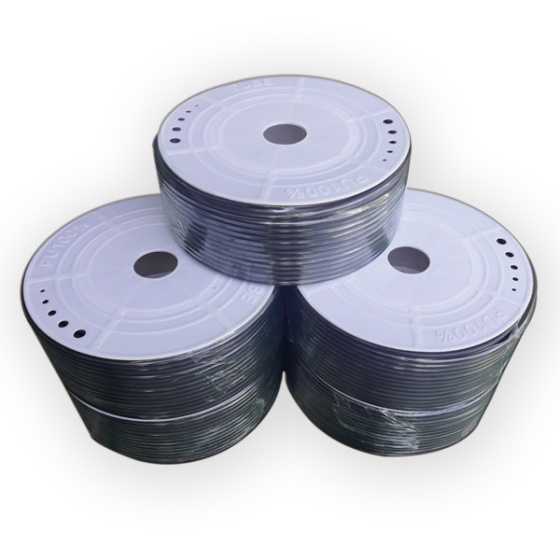
Imagine a cena: faíscas voam pelo chão da oficina durante um turno de soldagem noturno. Um movimento em falso. Uma brasa perdida atinge sua mangueira de ar. Mangueiras comuns podem pegar fogo e espalhar o incêndio rapidamente. Mas, ao optar por mangueiras de poliuretano (PU) de camada única com tratamento retardante de chamas, esses riscos desaparecem. Elas permanecem silenciosas e confiáveis em ambientes onde o fogo está sempre à espreita — como fábricas de automóveis movimentadas ou linhas de embalagem ininterruptas. Se você trabalha com sistemas pneumáticos diariamente e quer se manter seguro sem perder desempenho, este guia é para você. Vamos explicar exatamente o que essa mangueira faz. Mostraremos por que ela supera as mangueiras comuns. E apontaremos onde ela realmente se destaca. Ao final, você entenderá por que fazer a troca é uma decisão inteligente.
Desembalando tubos de PU de camada única com tratamento retardante de chamas: o básico
Em sua essência, a mangueira retardante de chamas de camada única de PU é uma mangueira de parede simples. Ela é feita de poliuretano especialmente modificado. O material é projetado para resistir às chamas sem ceder. Ao contrário dos tubos multicamadas mais espessos, esta versão de camada única permanece fina e extremamente flexível. Isso a torna perfeita para curvas acentuadas dentro de máquinas. O "PU" significa simplesmente poliuretano — um material muito utilizado em sistemas pneumáticos. Ele se dobra como borracha, mas mantém sua forma muito melhor do que o vinil.
O que torna o tipo retardante de chamas especial? A fórmula inclui aditivos inteligentes misturados diretamente ao polímero. Quando a temperatura aumenta, esses aditivos entram em ação. Sem revestimentos extras que se desprendem posteriormente. Apenas um material resistente e confiável que atende a padrões rigorosos como o UL-94 V-0. Essa classificação significa que ele se extingue rapidamente assim que a chama desaparece. Este tubo foi exaustivamente testado em laboratórios e fábricas reais. Mesmo um pequeno incêndio pode interromper a produção por horas. Este material ajuda a evitar isso.
Observe com atenção. É feito de poliuretano à base de éter de alta qualidade. Por isso, também resiste a danos causados pela umidade — sem preocupações com a entrada de água que possa enfraquecê-lo com o tempo. A dureza fica entre Shore A 85 e 98. Isso proporciona o equilíbrio perfeito. É firme o suficiente para trabalhos de alta pressão, mas macio o bastante para contornar trajetos complexos sem dobrar.
Analisando as especificações: o que você recebe no papel.
As especificações não são apenas números em uma página. Elas mostram a diferença entre dias tranquilos e avarias dispendiosas. Aqui está uma lista clara em formato de tabela. Esses números provêm de produções reais de tubos com diâmetros externos de 4 mm a 16 mm. Funcionam bem na maioria das configurações pneumáticas.
| Especificação | Detalhes | Por que isso importa |
|---|---|---|
| Material | PU retardante de chama modificado | Impede a propagação das chamas, autoextingue-se. |
| Hardness | Costa A 85-98 | Equilibra flexibilidade e durabilidade. |
| Pressão de operação | Até 10 bar (145 psi) a 20°C | Compatível com a maioria das ferramentas pneumáticas industriais. |
| Rango de temperatura | -20°C a +60°C (-4°F a 140°F) | Mantém-se confiável em câmaras frigoríficas ou em ambientes aquecidos. |
| Retardante de chamas | Equivalente a UL-94 V-0 | Atende aos códigos de segurança para zonas de alto risco. |
| Raio de curvatura | 1,5 vezes o diâmetro externo | Facilita a instalação em espaços reduzidos. |
| Cores disponíveis | Transparente, azul, vermelho, preto (personalizado) | Identificação visual rápida na linha |
Esses números não são inventados. Um fornecedor de autopeças do Meio-Oeste americano trocou para tubos de 8 mm de diâmetro externo com essas especificações. Eles reduziram os problemas relacionados a vazamentos em 40% em apenas seis meses. Chega de lutar contra tubos rígidos que racham com a torção.
Tubos de PU retardantes de chama versus tubos de PU padrão: quando optar pela atualização para maior segurança
Tubos de PU padrão funcionam muito bem para tarefas do dia a dia. São baratos, dobram-se facilmente e são adequados para trabalhos de baixo risco, como usar aerógrafos em uma bancada. Mas basta uma faísca para que peguem fogo rapidamente. As chamas podem se alastrar por todo o tubo antes que você consiga alcançar o extintor. PU retardante de chamas Muda completamente o jogo. Reduz drasticamente o perigo. O índice de oxigênio aumenta mais de 30%. A liberação máxima de calor cai pela metade. Testes de laboratório comprovam isso. A fórmula modificada carboniza rapidamente e forma uma barreira. Isso priva o fogo de combustível.
Então, quando você deve atualizar? Aqui estão os sinais claros.
-
Áreas de calor intensoÁreas de soldagem ou esmerilhamento onde o metal fica incandescente. O PU padrão pode derreter a 200 °C. O retardante de chamas mantém-se resistente até 300 °C sem escorrer.
-
Ambientes regulamentadosFábricas que buscam certificações de segurança ISO 13849 ou normas de segurança contra incêndio da OSHA. Uma fábrica de embalagens na Costa Leste dos EUA foi multada por linhas de produção não conformes. Eles trocaram os tubos por modelos retardantes de chamas e passaram pelas auditorias sem problemas.
-
Operação ininterruptaEm braços robóticos que realizam 500 ciclos por hora, uma falha na tubulação significa perda de turnos. O retardante de chamas reduz a probabilidade de ignição. Isso também agrada às seguradoras.
Em comparação, os tubos retardantes de chamas custam de 20 a 30% a mais inicialmente. Mas o investimento se paga com menos substituições. Uma oficina mecânica do Texas monitorou suas linhas de produção de perto. Os tubos padrão duraram cerca de 18 meses em condições oleosas. A versão retardante de chamas durou 36 meses sem nenhum incidente de incêndio. Essa tranquilidade extra vale a pena.
Aplicações no mundo real: onde este tubo demonstra sua importância.
Ninguém compra tubos apenas para guardá-los em uma prateleira. O objetivo é realizar o trabalho em condições adversas. Na montagem de automóveis, as linhas de produção serpenteiam sob capôs e alimentam garras que fixam os painéis. Nesses casos, tubos de poliuretano (PU) de 6 mm com retardante de chamas suportam pressões de até 8 bar, mesmo sob o calor intenso dos gases de escape. Uma fábrica em Detroit realizou um longo teste. Não houve nenhum incidente em mais de 10.000 horas de uso — em comparação com dois incidentes que quase resultaram em acidentes usando tubos convencionais.
A embalagem de alimentos é outro ótimo exemplo. A higiene é garantida mesmo com faíscas provenientes do envase. A tubulação resiste a produtos de limpeza agressivos. Sua classificação V-0 mantém os inspetores satisfeitos. Em bancadas de teste eletrônico, ela direciona o ar para sensores sensíveis. Sem acúmulo de estática. Sem risco de chamas durante a soldagem de placas.
-
Robótica e automatizaçãoAlimenta atuadores de precisão em robôs de coleta e posicionamento. Flexiona-se milhões de vezes sem se desgastar.
-
Instalações de HVACPassa por dutos. Resiste à condensação e atende aos códigos de construção contra incêndio.
-
Equipamentos náuticosEm plataformas marítimas, ele enfrenta os riscos da névoa salina e da queima de gases. A resistência à hidrólise o mantém livre de vazamentos.
Esses são usos reais e comuns. Uma pesquisa do setor realizada em 2023 comprovou isso claramente. Sessenta e dois por cento dos profissionais da área pneumática citaram a segurança contra incêndio como o principal motivo para a atualização. O poliuretano retardante de chamas liderou a lista devido à sua versatilidade.
A vantagem que você conquista: benefícios que vão além do óbvio
A segurança é o principal argumento de venda. Mas há mais. A flexibilidade da tubulação significa menos conexões. Isso reduz o tempo de instalação pela metade em reformas. A resistência ao desgaste é excelente. Ela resiste à abrasão que danifica o PU padrão em esteiras transportadoras. Muitos usuários observam um aumento de 50% na vida útil em ambientes com poeira.
Em termos de custo, é uma opção discretamente vantajosa. Sim, o investimento inicial é maior. Mas pense na redução do tempo de inatividade. Um incêndio evitado em uma instalação de US$ 2 milhões representa uma economia de milhares de dólares. Além disso, é mais sustentável para o meio ambiente. Menos substituições prematuras significam menos desperdício. E mais, atende às normas RoHS — nenhum produto químico nocivo é liberado.
Quem usa costuma dizer a mesma coisa. "É muito mais fácil de trabalhar", disse-me um supervisor de uma fábrica de engarrafamento na Califórnia. Sem dobras durante a produção. Sem quebras frágeis em climas frios. E aquela função de autoextinção? Ganha segundos preciosos — tempo suficiente para desligar tudo.
Em destaque: Aisili Pneumatic: Sua melhor opção para soluções premium em poliuretano.
Quando se trata de encontrar tubos que ofereçam desempenho consistente dia após dia, Aisili Pneumatic destaca-se como um fabricante profissional focado em tubos pneumáticos de poliuretano e equipamentos relacionados. Fundada em 2007 em Yantai, na China, a empresa dedicou 17 anos ao aprimoramento da tecnologia de extrusão em duas fábricas e sete linhas de produção, garantindo qualidade consistente para instalações em todo o mundo. De mangueiras à base de éter que se flexionam sem falhar a cores personalizadas para trocas rápidas, a Aisili se concentra em fluxo de ar confiável para automação, robótica e muito mais. Alcance global? Presente em mais de 30 países, com o apoio de... RoHS e REACH Selos que demonstram ainda mais confiança. Não são apenas as peças — são os parceiros que fazem o trabalho duro.
Concluindo: Dê um passo em direção a sistemas pneumáticos mais seguros e inteligentes.
Tubos de poliuretano (PU) de camada única com tratamento retardante de chamas não são um luxo. São o investimento que protege sua equipe, seus equipamentos e seus lucros. Desde evitar faíscas na oficina até manter as linhas de produção funcionando em sistemas de automação de alta complexidade, eles oferecem resistência sem as desvantagens. Da próxima vez que você analisar sua configuração, pergunte-se: estou pronto para reduzir os riscos? Adquira alguns. Teste. Sinta a diferença.
Perguntas frequentes
O que diferencia os tubos de poliuretano (PU) de camada única com tratamento retardante de chamas das mangueiras de ar comuns?
Possui proteção contra incêndio integrada. O PU modificado se autoextingue de acordo com a norma UL-94 V-0. Mesmo assim, mantém a mesma flexibilidade que os tubos padrão. Isso é perfeito para áreas onde o calor pode ser imprevisível, sem comprometer o volume da instalação.
Como saber quando devo trocar o tubo de PU básico por um tubo retardante de chamas de camada única de PU?
Escolha-o para locais propensos a incêndios, como soldagem ou motores. O PU padrão é adequado para trabalhos limpos e de baixo risco. Mas a atualização para este tipo de revestimento reduz as chances de ignição em mais de 30%, com base em testes reais de combustão. Isso evita grandes dores de cabeça no futuro.
Quais são os tamanhos e pressões que os tubos de PU de camada única com tratamento retardante de chamas suportam?
Abrange diâmetros externos de 4 mm a 16 mm. Suporta com segurança até 10 bar. Mantém-se estável em temperaturas de -20 °C a 60 °C. Ideal para a maioria das instalações industriais ou ambientes externos.
Os tubos de PU de camada única com tratamento retardante de chamas são suficientemente resistentes para uso industrial diário?
Sim, é muito durável. Dura mais que o nylon em dobras e resiste a óleos e produtos de limpeza. Uma oficina utilizou o produto por 36 meses em condições adversas, sem rachaduras ou vazamentos.
Posso obter opções personalizadas para tubos de PU de camada única com tratamento retardante de chamas?
Com certeza. Você pode escolher cores, comprimentos ou até mesmo níveis de dureza. O importante é que se ajuste perfeitamente à sua configuração — com entrega rápida por profissionais que entendem tudo de pneumáticos.