


How Ester-Based PU Tubing Improves Automation Line Reliability
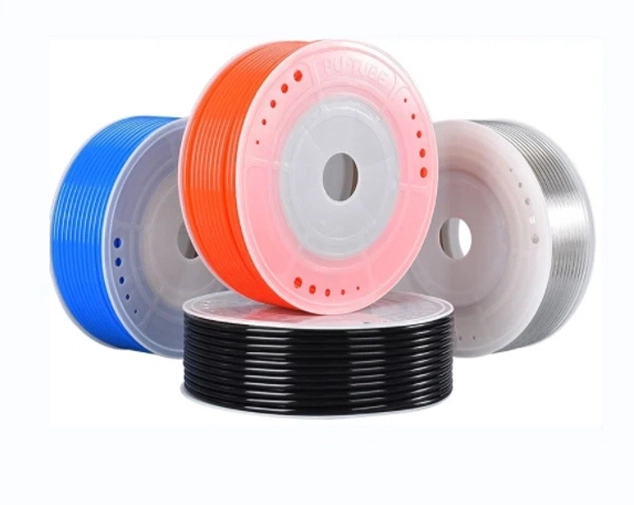
Imagine a busy factory floor. Robots move fast. Conveyors run without stopping. Packaging machines seal boxes quickly. Then everything halts. Why? One air line splits. That kind of stoppage hurts. It can cost thousands every hour. Ester-based PU tubing changes that picture. This sturdy, bendy material keeps pneumatic systems going strong. It cuts those costly breaks. It boosts how dependable the whole line stays. In industrial automation, seconds add up fast. Picking the right tubing matters a lot. Let’s look at how ester-based PU tubing really helps. We’ll cover what it is, its strengths, and where it works best.
What Is Ester-Based PU Tubing?
Ester-based polyurethane tubing—PU tubing, plain and simple—starts with a polyester base. That gives it real toughness. It comes from high-quality TPU granules. They get extruded carefully. The process creates long, strong chains. These chains fight breakdown well. So the tube stays flexible. Yet it handles pressure without giving in.
Key Properties That Set It Apart
On a typical automation floor, tubes twist. They bend a lot. They rub against edges. Sometimes oils splash on them. Ester-based PU handles all that. It stands up to high pressure—often around 800 psi or more. It snaps back after hits. Tear resistance stays solid. Temperature swings? No issue. It works fine from -40°F all the way up to 180°F. Cold warehouses or warm production areas don’t faze it.
- Resistência à Abrasão: It shrugs off scrapes against metal parts. Lasts way longer than rubber types.
- Chemical Tolerance: Oils, solvents, even some fuels slide right off. Leaks stay rare.
- Lightweight Design: Easy to route and install. Less pull on fittings.
Basically, it’s built tough. But it moves easy too.
Benefits for Automation Line Reliability
Switching to ester-based PU tubing brings clear wins. Uptime goes up. Failures drop. Shops that use it often see fewer breakdowns. Some cut replacements by 25-30%. That’s from real shop floor experience. It tackles everyday problems directly.
Durability in Demanding Conditions
Durability counts most. Think about a robotic arm line. The arm swings hundreds of times per shift. It yanks on air lines constantly. Ester-based PU doesn’t crack. It doesn’t kink easily. Its structure holds tight through millions of cycles. One auto plant made the change. Their failures went from monthly headaches to almost none in a year. That’s solid engineering at work.
Flexibility Without Compromise
Flexibility helps in crowded setups. Tubes have to snake around machines. This tubing bends sharp—down to about an inch in some sizes. Airflow stays steady. No pinching. On conveyors, belts shift and vibrate. Rigid pipes snap. But this one adapts. It forgives movement. Keeps everything flowing.
Resistance to Environmental Stressors
Factories get dirty. Moisture builds up. UV hits some lines. Ester-based PU pushes back hard. Oil splashes in packaging zones don’t swell it. In outdoor spots—like mining conveyors—it ignores sun and weather. Performance holds steady. No surprises.
Here’s a quick side-by-side look:
|
Característica |
Ester-Based PU Tubing |
Common Alternatives (e.g., PVC or Rubber) |
|
Burst Pressure |
Up to 800 psi |
400-600 psi |
|
Rádio de inclinação |
As low as 1 inch |
2-3 inches |
|
Lifespan in Cycles |
5-10 million |
1-3 million |
|
Resistência Química |
High (oils, solvents) |
Moderate to low |
Those numbers tell the story. It pulls ahead every time.
Real-World Applications in Automation
Ester-based PU tubing isn’t just talk. It’s out on floors right now. In robotics, conveyors, and packaging, it cuts stops and keeps things moving.
Robotics: Keeping Arms in Motion
Robots grab parts all day long in auto plants. Air lines feed their grippers and joints. Constant motion wears weak tubes fast. But ester-based PU endures the twisting. It lasts. A Michigan line switched over. Maintenance drops hit 40%. No rushed fixes during shifts. Output stayed even.
Conveyor Systems: Smooth Flow, No Snags
Conveyors move goods across big spaces. Dust flies. Vibrations shake everything. Weak tubes fail quick. This material stands firm. Actuators get air right when needed. A food warehouse made the swap. Jams fell sharply. Weekly downtime shrank from hours to minutes. Reliable delivery makes the difference.
Packaging Lines: Speed and Precision
Packaging runs at high speed. Seal, label, box—repeat. Leaks mess up the rhythm. Products spill. Lines halt. Ester-based PU keeps seals tight. Air stays consistent. One firm saw upkeep drop 20%. Crews handled other jobs instead. Real gains like that show up fast.
Strategies to Reduce Downtime and Maintenance
Downtime burns cash—sometimes $50,000 an hour in big ops. Ester-based PU tubing helps flip that. It lasts longer. Breaks happen less. Start with right sizing. Match tube diameter to airflow needs. That keeps efficiency high. Check lines now and then. But inspections stretch out because it wears slow.
- Installation Tips: Keep tubes clear of sharp corners. Use fittings that hold without crushing.
- Maintenance Hacks: Flush the system every few months. Clears junk. Extends life more.
- Pro Tip: Add quick-connect fittings. Swaps go fast if you ever need them.
Simple steps pay off. Shops following this see costs fall 15-25%. Small moves lead to big savings.
About Aisili Pneumatic
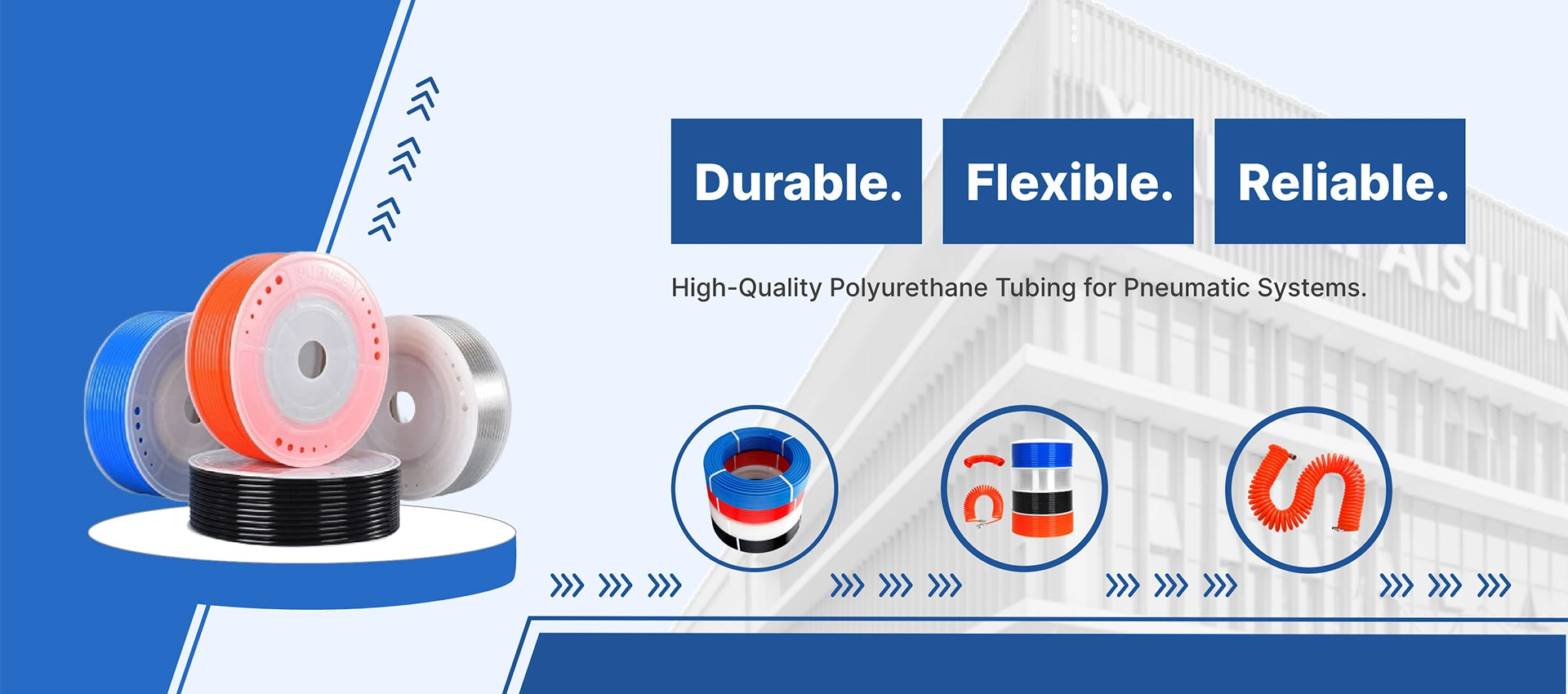
Aisili Pneumatic stands out as a professional manufacturer dedicated to the development and production of polyurethane pneumatic tubing and related pneumatic materials. They started back in 2007 in Yantai, China. Now they run two solid factories. Seven advanced extrusion lines keep output steady and quick. Over 17 years, they’ve earned trust. Their tubes meet certificates like RoHS and REACH. Flexibility, wear resistance, chemical strength, durability—all come from quality raw materials. They offer custom sizes, hardness, colors, and specs too. From robotics to packaging, Aisili helps keep lines running smooth worldwide. It’s about reliable gear and real support.
Conclusion
In the end, ester-based PU tubing proves essential for steady automation lines. It builds toughness, easy bending, and strong resistance. Downtime shrinks. Maintenance stays light. Robots keep hustling. Conveyors flow. Packaging flies. Shops that switch notice the change. Operations smooth out. Teams stay productive. Profits grow. If steady performance tops your list, this tubing delivers. Give it a try. You will see the difference.
FAQs
What makes ester-based PU tubing better for automation line reliability?
Ester-based PU tubing handles rough conditions well. It resists wear and chemicals strongly. In robotics or packaging setups, it takes bends and hits without breaking. Downtime drops a bunch. Many plants cut maintenance by 20-30%. Lines just keep going.
How does ester-based PU tubing reduce downtime in conveyor systems?
Conveyors shake and collect dust. That kills weak tubes quick. This tubing stays flexible and tough against abrasion. Leaks or snaps happen way less. Real cases show stops go from daily to monthly. Reliability climbs fast.
Can ester-based PU tubing handle harsh environments in packaging lines?
Yes, it does great. Oils, solvents, and temperature changes don’t hurt it much. Airflow stays even for machines. Upkeep falls. Service life stretches through millions of cycles. Automation lines become far more dependable.
Why choose ester-based PU tubing over other materials for industrial automation?
It balances strength and bendiness perfectly. It fights impacts and breakdowns better. PVC might crack. Rubber swells easy. This one keeps working hard. For robotics and more, it boosts automation line reliability. Failures drop. Costs ease up.
How do I integrate ester-based PU tubing into my existing setup?
Keep it straightforward. Pick sizes that match your air flow. Use good fittings. It bends easily, so routing works well. Installation happens quick. For top results, talk to folks like Aisili. They tweak things to fit your exact automation line.