


Push-to-Connect vs. Compression Fittings: Which is Best for Your Application?
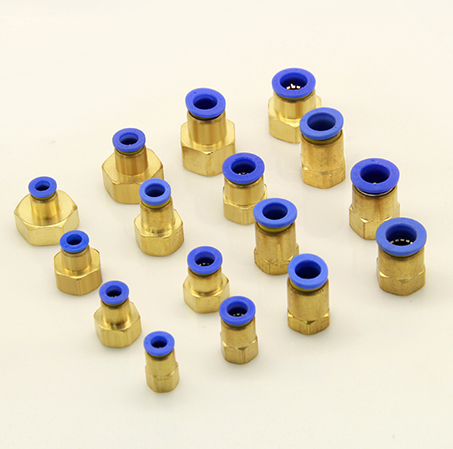
Ever been stuck on a job, staring at a mess of air lines, praying the next fitting doesn’t fight you? Happens to the best of us. Fittings & connectors are the quiet workhorses that keep compressed air moving in factories, garages, and robot cells. Today we’re putting two heavy hitters side by side: push-to-connect and compression fittings. We’ll look at what makes each tick, where they shine, and how to pick the winner for your own setup. Doesn’t matter if you’re just airing up tires at home or running a full-blown production line—choosing right saves cash and headaches.
What Are Push-to-Connect Fittings?
Push-to-connect fittings go by a bunch of nicknames: quick-connects, one-touch, instant fittings. Whatever you call them, the idea is dead simple. You shove the tube in, the internal collet grabs it, and the O-ring seals the deal. No tools. No swearing. Just done.
Walk into any busy car shop and you’ll spot them everywhere. Techs swap impact guns and blow guns all shift long. With push-to-connect, they yank a line off and snap the next one on in two seconds flat. The whole bay keeps rolling. That’s why these fittings rule in places where speed counts—test benches, pick-and-place robots, anything modular.
They’re tougher than they look, too. Most bodies are brass, so rust stays away. Some are stainless for food-grade or wash-down areas. Normal working pressure sits around 150 psi, though beefier models push past 290 psi without blinking. Just don’t throw them into crazy-hot ovens or acid baths unless the spec sheet says it’s cool.
Biggest perk? Time. One study I saw from a packaging plant showed install crews cut connection time from two minutes to under ten seconds per joint. That’s real money when you’re hooking up hundreds of drops.
Diving into Compression Fittings
Compression fittings play the long game. You slip the tube in, slide on a ferrule, then crank the nut down with a wrench. The ferrule bites the tube and locks everything tight. Old-school, yes. Bulletproof? Absolutely.
Head out to a construction site where pneumatic drills are hammering all day. Those lines take a beating. Compression fittings laugh at vibration. They hold 600, 800, even 1,000 psi without sweating. Oilfield guys, refrigeration techs, and anyone moving gases swear by them.
Salt water on a dock? Brass or 316 stainless versions shrug it off. Need to run copper, steel, or thick-wall nylon? They’ve got you. The seal is metal-on-metal, so leaks are rare even after years of abuse.
Downside is obvious: they take longer to install. You need two wrenches and a feel for torque. Over-tighten and you crush the tube. Under-tighten and it weeps air. Once that ferrule bites, it usually stays bitten—reusing them is tricky. That’s fine for permanent plumbing, not so great when you’re constantly rearranging things.
Head-to-Head: Key Differences
Let’s keep it straightforward.
| Aspect | Push-to-Connect Fittings | Compression Fittings |
|---|---|---|
| Installation Time | Seconds; no tools needed | Minutes; needs wrenches |
| Reusability | Super easy—pop off, pop back on | Usually one-time use |
| Pressure Rating | 150–300 psi sweet spot | 500–1,000+ psi no problem |
| Upfront Cost | A little higher | Usually cheaper per piece |
| Best Jobs | Quick swaps, moderate pressure | Permanent lines, high pressure |
| Daily Maintenance | Glance and go | Check torque now and then |
Numbers don’t lie, but your shop does the talking. Fast changes? Push-to-connect. Rock-solid forever lines? Compression.
Choosing the Right Fitting for Your Setup
It’s not complicated. Ask yourself a few quick questions.
How often do you move lines around? A lot = push-to-connect. Never = compression.
What pressure are you actually running? Over 250 psi on the regular? Compression starts looking real good.
What’s the environment like? Dusty, steamy, outdoors? Match the body material to the fight.
Who’s doing the work? New guys love the no-tools life. Seasoned pipefitters can spin wrenches blindfolded.
Run a quick test drop first. Pressurize it, shake it, heat it up. You’ll feel which one belongs.
Spotlight on Advanced Push-to-Connect Options
Not every push-to-connect is basic. The PLF Series Fitting steps it up. It’s a swivel male elbow that spins 360° after you lock the tube in. No more twisted hoses fighting you. Brass construction keeps corrosion away, and the push-in collet plus threaded swivel makes hookup painless.
On a robotic end-of-arm tool that pivots all day, the swivel saves the tube from kinking. Result? Steady air, fewer bursts, happier uptime numbers. Guys running it say they swap tools in half the time they used to. Perfect for tight automation cells, valve islands, or anywhere space is tight and motion is constant.
Real-Life Wins with the Right Choice
A metal fab shop in Ohio swapped to push-to-connect across three lines last year. Changeover time dropped from 45 minutes to eight. That’s an extra 400 parts a shift.
Out in West Texas, a drilling contractor stuck with compression on their high-pressure service lines. Leak incidents fell from six a year to zero. One less shutdown paid for the whole upgrade.
A craft brewery I know mixes both. Push-to-connect on the cleaning wands that get yanked around daily. Compression on the CO2 bulk lines that never move. Smart combo, zero drama.
About Aisili Pneumatic
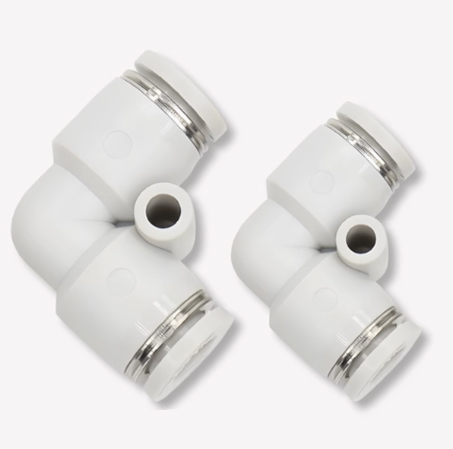
Aisili Pneumatic has been cranking out polyurethane pneumatic tubing and related components since 2007. Two modern plants in China, seven production lines, and a crew that lives and breathes air systems. We ship reliable fittings & connectors to more than thirty countries—automation, food processing, farming, you name it. Quality first, fast delivery, and custom options when you need them. That’s how we roll.
Conclusion
Bottom line: push-to-connect brings speed and flexibility to the party. Compression brings brute strength and permanence. Match the fitting to the job and your system will run smoother, leak less, and cost you less in the long run. Ready to make the switch or upgrade? Start simple—grab the right fittings & connectors and watch the difference.
FAQs
What’s the biggest win with push-to-connect fittings & connectors?
Hands down, speed. You shove the tube in and you’re done. No tools, no waiting. Great when you’re swapping tools or reconfiguring lines all day.
When should I stick with compression fittings & connectors?
Anytime pressure climbs north of 300 psi or the line never moves again. Think gas distribution, refrigeration runs, or offshore air lines that have to survive anything.
Will push-to-connect fittings & connectors work with my PU tubing?
Yep, they love polyurethane. The PLF Series, for example, locks PU tube tight and the swivel keeps it from twisting. Common combo in factories everywhere.
How long do good fittings & connectors actually last?
Five to ten years is normal if you buy decent ones and check them once in a while. Brass beats rust, proper torque beats leaks.
Do push-to-connect fittings & connectors cost more in the end?
Piece price might be higher, but you save big on labor and downtime. Lots of plants figure they break even in the first year, then pocket the difference after that.