


Полное руководство по радиусу изгиба, гибкости и долговечности полиуретановых пневматических трубок.
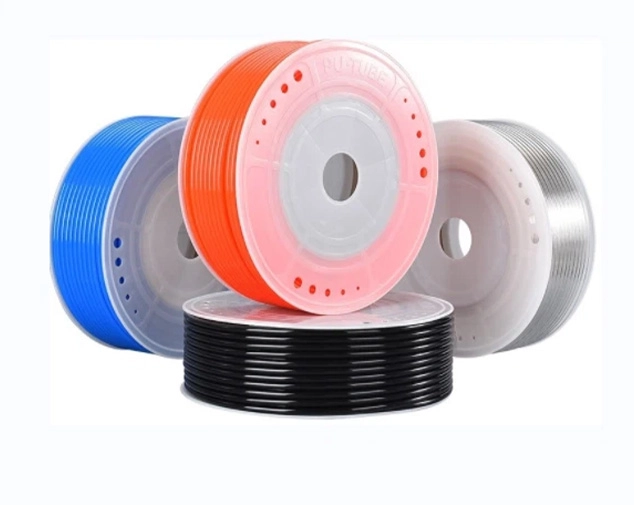
В автоматизированных системах, где пространство ограничено, а детали постоянно перемещаются, правильный выбор пневматических трубок может серьезно повлиять на эффективность работы всей системы. Полиуретановые пневматические трубки— обычно сокращенно называемая полиуретановой трубкой — действительно выделяется. Она выдерживает резкие повороты, непрерывные изгибы и длительные периоды использования, не перегибаясь и не трескаясь преждевременно. Специалисты, работающие в области робототехники, цепных конвейеров, машин для захвата и перемещения или конвейерных линий, часто выбирают полиуретан, потому что он обеспечивает хороший баланс между прочностью и гибкостью.
В этом руководстве подробно рассматриваются основные важные аспекты: радиус изгиба, гибкость и реальный срок службы материала. Мы сосредоточимся на практических конструктивных решениях для автоматизированных систем с плотной трассировкой, а также цепями и движущимися частями. Все изложенное здесь основано на реальном опыте работы в цехе.
Почему полиуретановые пневматические трубки превосходно подходят для динамических применений
Полиуретановые трубки — это не просто обычные шланги. Они изготовлены из твердого полиуретана — обычно с твердостью по Шору А 95–98, что характерно для пневматических систем. Это ставит их между жесткими нейлоновыми/полиамидными трубками и более мягкими ПВХ-трубками. При использовании в цепных насосах, где тросы совершают миллионы циклов колебаний, полиуретановые трубки служат гораздо дольше, чем многие другие варианты.
Представьте себе роботизированную руку, работающую на автомобильной сборочной линии. Она совершает крутые 90-градусные изгибы, растягивается и возвращается в исходное положение снова и снова, постоянно сталкиваясь с маслами или охлаждающими жидкостями. Полиуретановые трубки плавно проходят через эти пути. Они не деформируются под давлением и не образуют мельчайших трещин со временем. Материал обладает очень небольшой «памятью», поэтому быстро возвращается в исходное положение после изгиба. Это помогает поддерживать стабильный поток воздуха.
Вот что приносит большие успехи, когда события развиваются стремительно:
- Очень высокая износостойкость— Он трется о металлические углы или другие линии и не изнашивается быстро.
- Твердая химическая совместимость— Он устойчив к воздействию обычных пневматических масел, жидкостей на водной основе и даже некоторых растворителей.
- Достойный температурный диапазон— обычно от -20°C до +80°C (иногда выше в некоторых версиях на основе эфира), что охватывает большинство заводских условий.
- Легкий, но прочный— Меньший вес означает меньшее сопротивление быстро движущимся исполнительным механизмам.
Понимание радиуса изгиба в полиуретановых пневматических трубках
Радиус изгиба — это просто наименьшая возможная величина изгиба, которую может выдержать трубка без перегибов, сплющивания или затруднения воздушного потока. Для пневматических трубок из полиуретана этот параметр меняется в зависимости от толщины стенки, диаметра трубки, типа материала (сложный или эфирный) и твердости материала.
Вот простое правило, которым часто пользуются: большинство стандартных полиуретановых трубок в стационарных конструкциях имеют радиус изгиба примерно в 1–1,5 раза больше внешнего диаметра. Но когда трубка постоянно движется — например, внутри цепей гидроцикла — обычно требуется радиус изгиба в 3–5 раз больше внешнего диаметра (или даже больше), чтобы она не вышла из строя слишком быстро.
Вот несколько реальных цифр из фактического использования:
- Для полиуретановой трубки с внешним диаметром 6 мм (довольно распространенный размер) статический радиус изгиба составляет около 10–15 мм. Для многократных изгибов обычно используют минимальный радиус 25–40 мм.
- Трубка с внешним диаметром 8 мм: в статическом режиме диаметр составляет около 15–20 мм; для динамических установок часто требуется 40–60 мм.
- Более тонкие стенки (например, 1 мм) позволяют поначалу сильнее сгибать, но они быстрее изнашиваются при постоянном движении.
- Полиуретан на основе эфиров обычно немного лучше справляется с крутыми изгибами во влажных условиях, поскольку он более эффективно противостоит разрушению под воздействием воды.
В действительно стесненных условиях — например, внутри небольшого корпуса станка с ЧПУ — конструкторы иногда специально выбирают немного больший радиус изгиба. Это небольшое изменение может добавить тысячи дополнительных циклов. Один парень, работающий на упаковочной линии, рассказал мне, что он удвоил срок службы трубок, просто увеличив радиус изгиба с 2×OD до 4×OD на быстро вращающейся этикетировочной головке.
Всегда перепроверяйте точные характеристики вашего класса. Некоторые высококачественные полиуретановые изделия заявляют о минимальном радиусе изгиба до 0,8 × внешний диаметр при отсутствии движения. Однако в реальных условиях — особенно при постоянных изгибах — превышение этого предела обычно приводит к более быстрому износу.
Гибкость: решающий фактор в работе движущихся частей.
Гибкость — это не только способность легко сгибаться один раз. Это способность повторять этот изгиб тысячи или миллионы раз без того, чтобы материал затвердел, потрескался или потерял свою упругость.
Цепи и роботизированные манипуляторы подвергают трубки миллионам циклов изгиба. Полиуретан здесь показывает себя очень хорошо. Его структура прекрасно восстанавливается после каждой деформации. Сравните это с нейлоном, который со временем может стать хрупким на холодном воздухе, или с ПВХ, который затвердевает и в конечном итоге расслаивается при резких движениях.
Вот несколько практических советов, которые помогут вам добиться максимальной гибкости в проектировании:
- Если поверхность влажная или находится на открытом воздухе, лучше использовать полиуретан на эфирной основе — он дольше сохраняет свою гибкость.
- Выбирайте эфирные смолы, если существует серьезная опасность разбрызгивания масла (что очень распространено в металлообрабатывающих цехах).
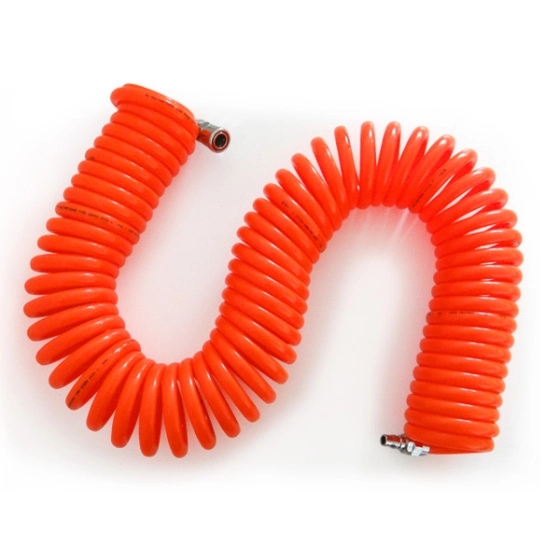
- Если вам необходимо автоматическое втягивание, попробуйте спиральные варианты (иногда называемые Flexcoil) — такие спирали автоматически компенсируют радиус изгиба и уменьшают количество запутываний.
- Используйте фитинги с низким коэффициентом трения, чтобы избежать накопления напряжения на концах.
В одной из систем сортировки логистических грузов переход на высокоэластичные полиуретановые трубки внутри 10-метровой конвейерной цепи позволил сократить время простоя примерно на 60%. Старые трубки начали перегибаться примерно после 2 миллионов циклов. Новые полиуретановые трубки прослужили более 8 миллионов циклов, прежде чем начали проявлять признаки износа.
Температура тоже имеет огромное значение. При температурах ниже нуля некоторые марки полиуретана теряют свою эластичность. Большинство промышленных вариантов хорошо выдерживают температуру до -15°C. Однако для действительно холодных мест может потребоваться специальная низкотемпературная смесь.
Долговечность: Как долго можно ожидать срока службы полиуретановых трубок?
Срок службы пневматических трубок из полиуретана в основном зависит от качества материала, способа установки и условий эксплуатации. Высококачественные полиуретановые трубки в среднем выдерживают 10–20 миллионов циклов при работе с цепными приводами.
Вещи, которые сокращают продолжительность жизни:
- длительное воздействие солнечных лучей (особенно на открытом воздухе без укрытия).
- Постоянная температура выше 80°C.
- Трение об острые края без какой-либо защиты.
- Радиусы изгиба, которые становятся слишком малыми во время движения.
- Загрязнённый сжатый воздух (вода в сочетании с маслом быстрее разъедает сложные эфиры).
Факторы, которые затягивают этот процесс:
- Обеспечивая большой радиус изгиба и хорошую защиту от натяжения.
- Регулярно проверяйте поверхность на наличие царапин или следов износа.
- Поддержание чистоты и сухости воздуха.
- Выбор правильной твердости в зависимости от давления (более высокая твердость по Шору А обычно лучше выдерживает высокое давление).
Типичные показатели предприятий, занимающихся автоматизированным производством:
- Несложные операции по перемещению и установке: легко более 15 миллионов циклов.
- Конвейерные или портальные системы средней грузоподъемности: 8–12 миллионов циклов.
- Мощные роботы, работающие в нефтяной отрасли: 5–10 миллионов циклов.
Один поставщик автозапчастей отследил, как полиуретановая трубка выдержала 14 миллионов циклов на роботизированной сварочной машине — гораздо дольше, чем те, которые они использовали раньше.
Вопросы проектирования автоматизированных систем с плотной маршрутизацией, цепями перемещения и движущимися частями.
При прокладке пневматических линий в условиях ограниченного пространства в автоматизированных системах следует учитывать следующие моменты:
- На рисунке показан радиус изгиба на ранней стадии.— Начните с 4–5-кратного увеличения внешнего диаметра в качестве безопасной мишени для любого движущегося участка.
- Добавить снятие напряжения— Используйте зажимы или направляющие в местах входа и выхода труб, чтобы предотвратить повреждения от вырывания.
- Заполнение цепочки часов— Поддерживайте уровень заполнения тюбиков на уровне 30–50%, чтобы они не сжимались.
- Тщательно отмерьте размер катушек.— Слишком длинная длина создает дополнительное сопротивление; слишком короткая ограничивает ход.
- Запустите тесты прототипа— Проведите испытания установки в ускоренном режиме на испытательном стенде.
- План с учетом температурных изменений— Колебания температуры могут увеличивать или уменьшать эффективную длину.
Вот краткая справочная таблица распространенных размеров:
|
Внешний диаметр (мм) |
Толщина стенки (мм) |
Статический радиус изгиба (приблизительно) |
Рекомендуемый динамический радиус изгиба |
Типичное максимальное давление (бар) |
|
4 |
1 |
8–12 мм |
20–30 мм |
10–12 |
|
6 |
1 |
12–18 мм |
30–45 мм |
10–12 |
|
8 |
1.5 |
20–30 мм |
45–70 мм |
10–12 |
|
10 |
1.5 |
25–35 мм |
60–90 мм |
10 |
|
12 |
1.5–2 |
30–45 мм |
80–120 мм |
8–10 |
(Примечание: Это приблизительные цифры. Всегда уточняйте данные по конкретному продукту.)
О компании Aisili Pneumatic
Aisili ПневматическийКомпания, основанная в 2007 году и расположенная в провинции Шаньдун, Китай, специализируется на разработке и производстве полиуретановых пневматических трубок, а также сопутствующих пневматических компонентов. Имея два производственных предприятия с семью современными экструзионными линиями, компания обеспечивает стабильное качество Для промышленной автоматизации, робототехники, упаковки и многого другого. Их линейка полиуретановых трубок — включающая варианты на основе эфиров, сложных эфиров, огнестойкие и спиральные — позволяет изготавливать трубки нестандартных размеров, уровней твердости и цветов. Приверженная международным стандартам, таким как RoHS и REACH, компания Aisili разработала репутация надежного партнера для глобальных клиентов, которым требуются долговечные и высокопроизводительные пневматические решения.
Заключение
Обеспечение идеального радиуса изгиба, гибкости и долговечности с помощью полиуретановые пневматические трубки Это существенно влияет на время безотказной работы и затраты на ремонт автоматизированных систем. Сосредоточьтесь на продуманной маршрутизации, реалистичных параметрах движения и надежном выборе материалов. Такой подход поможет избежать типичных проблем и обеспечит бесперебойную работу в течение длительного времени. Независимо от того, начинаете ли вы с нуля с цепной компоновкой или модернизируете существующую систему, эти идеи обеспечат надежные результаты.
Часто задаваемые вопросы
Какой оптимальный радиус изгиба для полиуретановых пневматических трубок в системах с цепным приводом?
Для большинства Полиуретановые пневматические трубки В системах с постоянным движением следует выбирать диаметр, в 4–5 раз превышающий внешний диаметр, в качестве безопасного минимума. Более крутые изгибы могут быть эффективны, когда ничего не движется, но они гораздо быстрее изнашивают трубу при многократных изгибах.
Как трубки из полиуретана на основе эфиров и сложных эфиров влияют на гибкость и долговечность?
Эфирные материалы дольше сохраняют свою гибкость во влажных или сырых местах, поскольку лучше противостоят разрушению под воздействием воды. Сложные материалы лучше противостоят маслам, что обычно означает более длительный срок службы в условиях грязного производства.
Может ли полиуретановая пневматическая трубка справиться с прокладкой в узких местах в компактных роботизированных системах?
Безусловно. Быстрое восстановление формы и низкая память делают его идеальным для стесненных условий. Просто соблюдайте разумные динамические радиусы изгиба (обычно 3–5× внешний диаметр) и добавьте фиксаторы натяжения в местах соединений, чтобы уменьшить усталость материала.
Какие факторы в наибольшей степени влияют на срок службы полиуретановых пневматических трубок в движущихся частях?
На первом месте стоят радиус изгиба, частота изгибов, воздействие трения, чистота воздуха и перепады температуры. Качественная установка в сочетании с чистым сухим воздухом может увеличить срок службы с нескольких миллионов циклов до 10–20 миллионов.
Лучше ли использовать спиральные полиуретановые трубки в условиях постоянного втягивания?
Спиральные версии (часто называемые Flexcoil) естественным образом регулируют радиус изгиба и втягивание. Они уменьшают зацепы и напряжение в таких системах, как манипуляторы для перемещения или устройства смены инструмента. Когда позволяет пространство, они, как правило, являются наиболее разумным выбором.