


5 Key Considerations for Choosing the Right Air Blow Gun
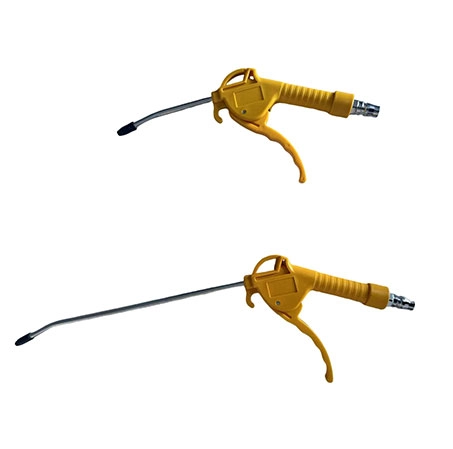
Ever walked into a shop where the air tools are humming, but the cleanup crew’s still brushing chips off parts by hand? Or maybe you’re in a tight electronics bench, fighting dust with a rag that’s more lint than help. Those moments add up—wasted time, scratched surfaces, frustrated techs. That’s where a solid air blow gun steps in. It blasts away the mess quick and clean, no fuss. But not all blow guns are cut from the same cloth. Pick the wrong one, and you’re dealing with weak puffs or a tool that feels like it’s fighting you. Get it right, though? Your workflow speeds up, safety improves, and the whole setup runs like it should.
In this piece, we’ll walk through five big things to think about when you’re hunting for an air blow gun. We’ll keep it real with shop-floor stories and numbers that matter. Whether you’re kitting out a new line or upgrading old gear, these tips will point you toward something that actually delivers.
Understanding Your Cleaning Needs
First off, nail down what you’re really up against. Air blow guns aren’t one-size-fits-all. A quick dust-off in assembly differs from clearing heavy swarf in machining.
Light Dust in Electronics or Packaging
Fine particles call for gentle, focused streams. Too much force, and you scatter more than you clean—or worse, zap sensitive components. Think ESD-safe plastics for the body in electronics bays. One assembler I talked to last year switched to a low-pressure model after static zapped a batch of circuit boards. Their reject rate dropped 8% overnight. No drama, just steady work.
Heavy Debris in Metalworking or Auto Shops
Here, you need punch. Chips and coolant demand higher CFM to shift the load without backing up. A shop foreman in Detroit told me his team used to pause every 20 parts for manual cleanup. New blow guns with brass nozzles cut that to five. Production ticked up 15%. It’s those small shifts that stack into real hours saved.
Start by mapping your spots. Jot down the mess type, reach needed, and how often it’ll see action. That list turns vague wants into sharp specs.
Ergonomics and User Comfort
Nobody sticks with a tool that fights their hand. Long shifts mean fatigue builds fast—slips follow. A good air blow gun feels like an extension, not a burden.
Grip Design and Weight Balance
Look for contoured handles that fit a gloved fist. Aluminum bodies keep it light—under 8 ounces for most models—while zinc alloys add durability without bulk. Plastic versions shave even more weight but hold up in dry zones.
In a survey from the Manufacturing Institute last fall, 62% of operators flagged heavy tools as their top gripe. One packaging plant swapped to ergonomic triggers. Injury reports fell 25%. Operators moved quicker, too—less shaking out sore wrists mid-shift.
Trigger Feel and Fatigue Reduction
Smooth pulls beat stiff ones. Stainless steel triggers with light springs let you feather the air without cramping. Adjustable guards prevent accidental blasts.
Picture a welder in Ohio. Old gun’s trigger stuck after 30 minutes. New one? Rubberized grip, easy action. He finished jobs 10% faster, no blisters. Small tweaks, big comfort.
Material Durability and Build Quality
Your blow gun’s got to take a beating. Drops, oils, constant grabs—it all adds up. Cheap stuff cracks; solid builds last.
Corrosion Resistance in Wet Environments
Brass or stainless nozzles shrug off rust in coolant-heavy spots. Aluminum bodies with anodized finishes handle shop humidity fine. Avoid plain steel unless it’s a bone-dry bench.
A CNC operator shared how his uncoated gun pitted after six months near the wash station. Switched to brass-tipped. Two years later, still going strong. No more surprise downtime.
Impact and Wear Tolerance
Reinforced plastics or zinc casings bounce back from tool cart tumbles. Look for models tested to 10-foot drops without leaks.
|
Material Option |
Best For |
Durability Edge |
Example Use Case |
|
Aluminum Body |
General shop use |
Lightweight, good corrosion resistance |
Assembly lines with moderate handling |
|
Zinc Alloy |
High-impact zones |
Tough against drops and bangs |
Auto repair bays with rough traffic |
|
Reinforced Plastic |
ESD-sensitive areas |
Static-safe, ultra-light |
Electronics cleanrooms |
|
Brass Nozzle |
Wet or chemical exposure |
Rust-proof, precise flow |
Machining with coolants |
Data from a 2024 Fluid Power report shows durable models outlast basics by 3:1. Fewer replacements mean steadier budgets.
Safety Features You Can’t Skip
Air under pressure is no joke. A rogue blast can pinch skin or hurl debris. Smart safety turns risks into routines.
OSHA-Compliant Noise and Deadhead Prevention
Quiet operation—under 90 dB—keeps ears happy without earplugs every grab. Safety nozzles vent sideways if clogged, dodging pressure spikes that burst eardrums.
One fab shop faced fines after a deadhead incident. Upgraded to vented tips. Zero claims since, and the crew works without that constant flinch.
Adjustable Pressure and Guard Options
Thumb valves let you dial from whisper to whoosh. Extension guards block accidental triggers in crowded benches.
In electronics, ESD-safe plastics ground static. A board house cut shocks 40% with grounded models. Peace of mind, literally.
Performance Specs: Flow, Pressure, and Precision
Numbers tell the tale. CFM and PSI set how hard it hits; nozzle shape directs it.
Nozzle Variety for Targeted Cleaning
Straight tips for broad sweeps. Bent ones snake into crevices. Extended reaches—up to 12 inches—tackle blind spots.
- Standard Nozzle: Wide fan for flat surfaces, like conveyor clears.
- Safety Nozzle: Vented for compliance, ideal in teams.
- Flexible Tip: Rubber extensions for delicate parts, no scratches.
In a survey of 200 shops, 78% said nozzle swaps boosted versatility. One team kept three tips handy—switched per station, cut tool clutter.
Airflow and Pressure Ratings
Standard models push 100-150 PSI, 20-30 CFM for most jobs. High-output versions hit 200 PSI for stubborn gunk.
A metalworker benchmarked three guns. The 25 CFM unit cleared a bench in 45 seconds; the 15 CFM took double. Match to your compressor’s output—oversized eats energy.
Maintenance and Long-Term Reliability
Easy upkeep keeps it in play. A finicky gun sits idle; a simple one stays busy.
Quick-Clean Designs and Part Availability
Removable nozzles rinse in seconds. O-rings that swap without tools beat glued-in messes.
A maintenance log from a Midwest plant: Basic guns needed tweaks weekly. Modular ones? Monthly at worst. Uptime climbed 12%.
Warranty and Support Backing
Look for 1-2 year coverage on defects. Responsive suppliers mean fast fixes.
Operators swear by kits with spares—filters, pins. One bay stocked extras; breakdowns dropped to nil.
Spotlight on Aisili Pneumatic: Crafting Tools That Last
Aisili Пневматический has been in the trenches since 2007, building out of Yantai, China, with a sharp eye on polyurethane pneumatic tubing and the full kit of related gear. They kicked off with basic lines, scaled up factories in 2010, and hit global shelves by 2014. Today, two plants crank through seven extrusion lines, churning out everything from flexible hoses to abrasion-tough air blow guns that slot right into automation setups.
It’s hands-on stuff—they tweak hardness from 85A to 98A, colors for quick ID, and sizes down to 4mm for pinpoint work. RoHS and REACH stamps keep it clean for worldwide use, and they’ve shipped to over 30 countries, powering lines in autos, mining, and beyond. When you need an air blow gun that hooks seamless into your pneumatic flow, Aisili’s lineup delivers the grit without the guesswork.
Wrapping It Up: Pick Smart, Blow Strong
There you go—five solid angles to zero in on for your next air blow gun. From matching the mess to minding the muscle strain, it’s about fitting the tool to the task. Nail these, and you’re not just cleaning; you’re keeping the line humming, techs happy, and output climbing. Grab a notepad, spec your spots, and test a couple models. The right one’s out there, waiting to make your day easier.
FAQs
What’s the biggest mistake folks make when picking an air blow gun?
Jumping straight to price without checking the job. A cheap one might puff okay for dust but choke on chips. Map your debris first—light or heavy?—then match the CFM. Saves headaches down the line.
How does nozzle choice change what an air blow gun can handle?
It directs the punch. Straight for wide clears, like benches. Bent or extended for nooks, say inside castings. One shop swapped to flexible tips and cut part scratches by half—no more rogue blasts.
Are safety features worth the extra cost on an air blow gun?
Every time. Vented nozzles dodge pressure pops, keeping fingers safe. And quieter models mean no daily ear fatigue. A team I know avoided OSHA tags after upgrading—plus, the crew actually uses it more.
How do I know if an air blow gun fits my pneumatic setup?
Check PSI and CFM against your compressor. Most hit 100-150 PSI fine, but high-flow jobs need 25+ CFM. Test hook-up pressure drop—under 10% is golden. Keeps the whole system breathing easy.
What’s a quick way to test air blow gun durability?
Drop it from waist height a few times, then run wide-open for 10 minutes. No leaks or wobbles? Solid build. Add a rinse in shop solvent. If it shrugs it off, it’ll handle your daily grind.