


Solve 5 Common Conveyor Belt Problems with High-Performance PU Cord Belts
Conveyor systems keep factories humming. They move packages, parts, and products from one spot to the next without missing a beat. But when the belts start acting up, everything grinds to a halt. Slips, wear, breaks, noise, and short lifespans—these issues pop up all the time in busy lines.
Downtime costs money. Repairs eat into profits. Workers get frustrated. I’ve seen plants lose hours fixing the same problems over and over. Good news is, there’s a solid fix. High-performance polyurethane round belts (PU cord belts) handle these conveyor headaches better than traditional rubber belts.
Let’s break down the top five problems. And see how PU cord belts step in to solve them.
The Big Five Conveyor Belt Headaches
Most setups use rubber or basic PVC belts. They work okay at first. Over time, though, real-world wear takes over.
1. Slipping and Loss of Traction
Belts slip when loads get heavy or surfaces turn slick from dust or oils. Motors strain. Products shift or fall. In packaging lines, this means jammed boxes and slowed production.
2. Excessive Wear and Abrasion
Constant friction chews up belt surfaces. Edges fray. Material thins out. In gritty environments like ceramics or textiles, belts wear down fast.
3. Sudden Breaks and Fractures
Tension builds. Weak spots give way. A belt snaps, and the whole line stops cold. Emergency fixes rush in, but safety risks spike too.
4. Annoying Noise Levels
Old belts squeak and grind. Noise fills the shop floor. Workers deal with headaches. It drowns out communication and adds stress.
5. Short Overall Lifespan
Belts need replacing often. Every swap means downtime and extra costs. Some last just months in tough spots.
These aren’t rare. A mid-sized printing plant once told me they swapped belts every quarter. Costs added up quick.
How Polyurethane Cord Belts Change the Game
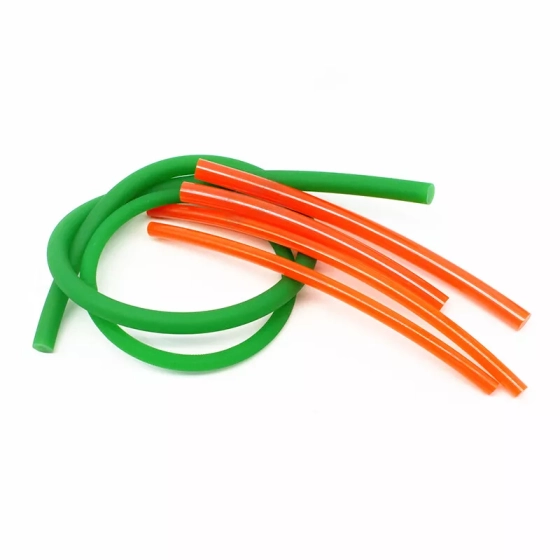
Polyurethane cord belts bring tougher material to the table. They’re round, flexible, and built for drive transmission.
Take the polyurethane cord belt from Aisili Pneumatic. It’s made from ester-based polyurethane. Our PU round belts are available from 1.5mm to 25mm diameter, including 3mm, 4mm, 5mm, 6mm and 8mm, suitable for round belt conveyors and drive systems.You can get smooth or rough surfaces. Colors match your needs.
Key perks? High tensile strength. Serious abrasion resistance. Good impact toughness. It shrugs off oils and many chemicals. No plasticizers inside, so it stays stable. Best part—ends melt together easily for quick joins. Installation is straightforward. Wear stays low, and service life stretches long.
In real use, these belts shine in packaging machines, printers, spinning setups, drive motors, and even porcelain brick lines.
Tackling Slipping
PU grips better. The material clings without constant adjustments. One textile mill cut slip incidents by half after switching. Loads stayed steady, even on inclined sections.
Fighting Wear
Abrasion resistance stands out. Surfaces hold up against rubbing and scraping. In ceramics conveyor systems, polyurethane round belts last three times longer than rubber belts.
Preventing Breaks
Tensile strength keeps things intact under pull. Impact resistance absorbs shocks. No more surprise snaps during peak runs. A packaging facility reported zero fractures over a full year.
Cutting Noise
Smooth operation quiets things down. Less squealing from friction. Workers notice the difference right away. One factory measured a 10-15 decibel drop—huge for daily shifts.
Extending Life
All these add up to longer runs between changes. Wear slows. Strength holds. A spinning machine operator shared that their PU cord belts hit two years without issues. Before? Six months tops.
|
Problem |
Traditional Belts Issue |
PU Cord Belt Advantage |
|
Slipping |
Poor grip on loads or slick surfaces |
Strong traction, stable drive |
|
Wear |
Quick surface breakdown |
High abrasion resistance |
|
Breaks |
Weak under tension or impact |
Superior tensile and impact strength |
|
Noise |
Loud squeaks and grinds |
Quieter, smoother running |
|
Short Lifespan |
Frequent replacements |
Extended service life, less downtime |
Numbers tell the story. Industry folks often see 2-4 times longer life with quality PU. That translates to real savings.
Real-World Wins with PU Cord Belts
Picture a busy printing shop. Rolls of paper fly through. Old belts slipped on ink residue. Wear hit hard from constant contact. Noise made the floor unbearable.
They switched to polyurethane cord belts. Slips vanished. Surfaces stayed intact longer. Quiet filled the air. Belts ran 18 months strong. Production stayed smooth.
Or take a packaging line for food products. Heavy boxes piled on. Belts broke under strain. Downtime spiked during rushes.
PU cords took over. Easy welding for quick fixes. Strength handled the loads. One year later, still going strong. Managers loved the reliability.
These aren’t flukes. Shops in textiles, ceramics, and motors report similar gains. The material just holds up better day in, day out.
About Aisili Pneumatic
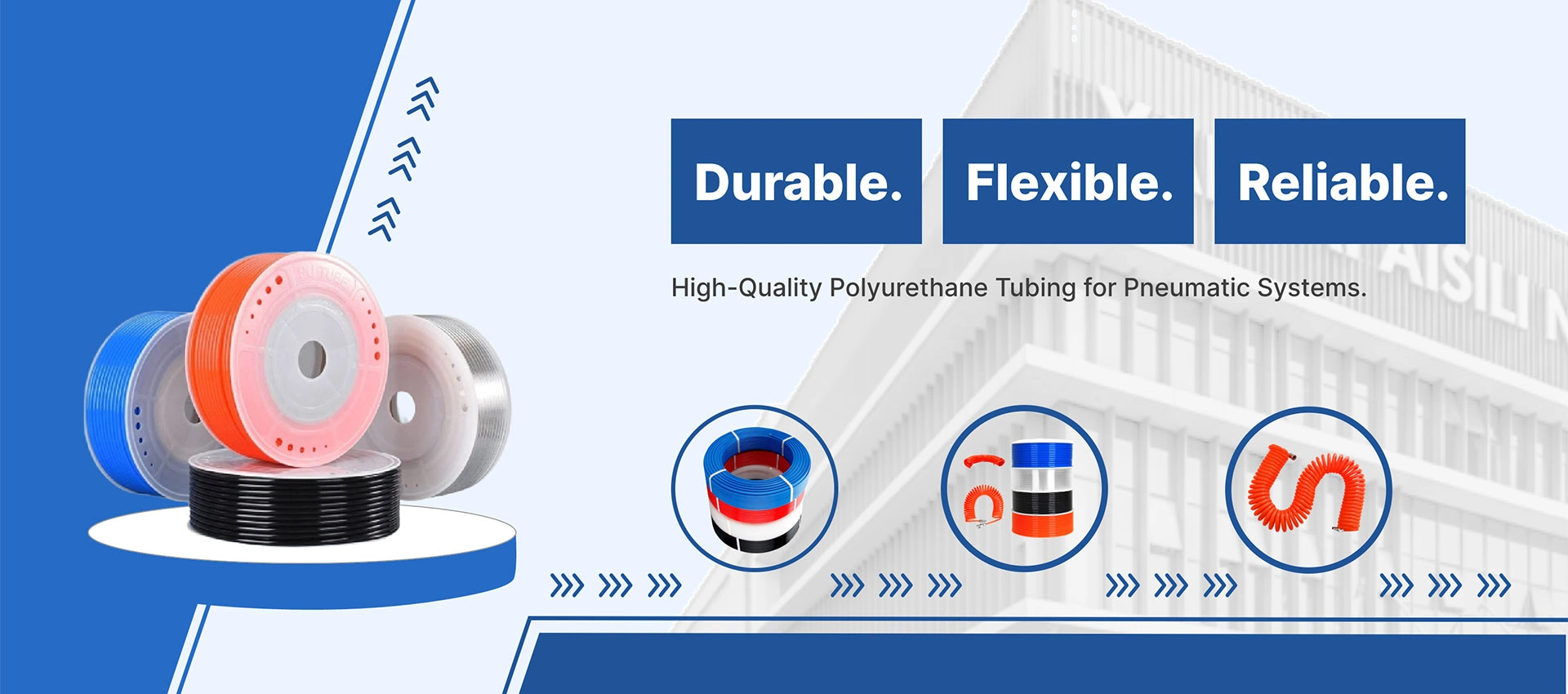
Aisili Пневматический is a PU round belt and polyurethane tubing manufacturer in China, supplying round belt conveyors, drive belts, and transmission belts to automation, packaging, logistics and robotics industries.The PU round belts are widely used in packaging, printing, textile and automation equipment.Products meet standards like RoHS and REACH. Customization runs deep—sizes, colors, hardness. They serve over 30 countries in logistics, robotics, packaging, and more. Reliable delivery and consistent quality keep customers coming back.
Conclusion
Conveyor problems like slipping, wear, breaks, noise, and short life don’t have to drag your operation down. High-performance polyurethane cord belts offer a straightforward upgrade. They grip tight, resist damage, stay quiet, and last longer. In tough environments, that means fewer stops, lower costs, and smoother runs. Making the switch pays off quick.
FAQs
What makes polyurethane cord belts better for conveyor slipping?
They provide stronger grip and traction. The PU material holds steady even with heavy loads or oily surfaces. Slips drop way down.
How do PU cord belts handle abrasion in gritty setups?
High abrasion resistance keeps surfaces intact longer. In places like ceramics or textiles, they outlast traditional belts by a wide margin.
Can polyurethane cord belts prevent sudden breaks?
Yes. Superior tensile strength and impact resistance stop fractures under tension or shocks. Lines stay up during busy shifts.
Do these belts reduce noise on conveyor lines?
Absolutely. Smoother running cuts squeaks and grinds. Shops often see noticeable quiet on the floor.
How long do polyurethane cord belts typically last compared to others?
Often 2-4 times longer. Easy welding and tough build mean fewer swaps and more uptime.