


จากเครื่องจักรความเร็วสูงไปจนถึงการใช้งานกลางแจ้ง: ความเสถียรของอุณหภูมิและประสิทธิภาพในท่อลม
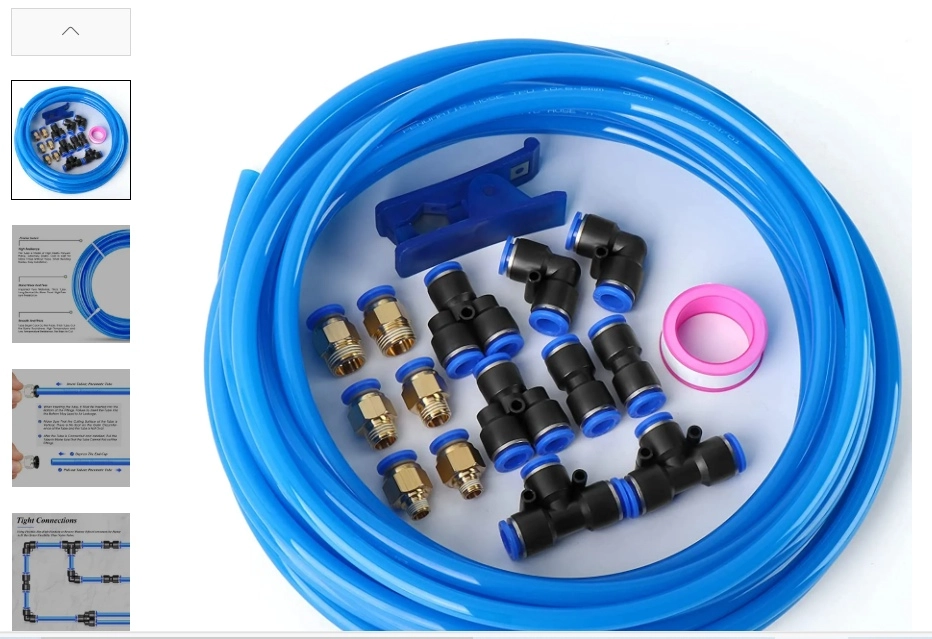
ระบบนิวแมติกส์เป็นระบบที่ขับเคลื่อนอุปกรณ์จำนวนมากในโรงงานและที่อื่นๆ ตั้งแต่สายการผลิตที่รวดเร็วไปจนถึงอุปกรณ์กลางแจ้ง ท่อส่งอากาศเหล่านี้ทำงานหนักมาก ปัญหาใหญ่ประการหนึ่งคือ การเปลี่ยนแปลงอุณหภูมิอย่างรวดเร็ว ความหนาวเย็นจัดหรือความร้อนจัดสามารถทำลายการทำงานของท่อได้ มันอาจแตก รั่ว หรือหยุดทำงานไปเลย นั่นคือเหตุผลที่ระบบนิวแมติกส์ที่เชื่อถือได้จึงมีความสำคัญ ท่อลม PU พลั่วตกปลาช่วยได้จริง ๆ เพราะทนทานต่อสภาพอากาศเลวร้าย
ไม่ใช่ว่าเครื่องจักรทุกเครื่องจะอยู่ในห้องที่อบอุ่นและควบคุมอุณหภูมิได้ บางเครื่องทำงานอยู่ในพื้นที่จัดเก็บที่หนาวจัด บางเครื่องทำงานในโรงงานที่ร้อนอบอ้าว อุปกรณ์ที่อยู่ภายนอกต้องเผชิญกับฤดูหนาวที่หนาวจัดและฤดูร้อนที่ร้อนระอุ การเลือกใช้ท่อที่สามารถใช้งานได้อย่างน่าเชื่อถือตลอดทุกสภาพอากาศนั้น ไม่ใช่แค่เรื่องดี แต่ยังช่วยให้ทุกอย่างทำงานได้อย่างราบรื่นโดยไม่มีปัญหาติดขัด
ผลกระทบของอุณหภูมิที่สูงเกินปกติต่อวัสดุท่อทั่วไป
วัสดุแต่ละชนิดมีปฏิกิริยาต่อการเปลี่ยนแปลงอุณหภูมิอย่างฉับพลันแตกต่างกันไป นี่คือภาพรวมคร่าวๆ ของวัสดุประเภทต่างๆ และปัญหาที่วัสดุเหล่านั้นอาจพบเจอในสภาพอากาศที่แปรปรวน
ท่อไนลอนในที่เย็น
ไนลอนให้ความรู้สึกแข็งแรง ทนแรงกดได้ดี แต่ถ้าอุณหภูมิลดลงต่ำมากพอ ปัญหาจะเริ่มเกิดขึ้น ที่อุณหภูมิต่ำกว่าจุดเยือกแข็งมาก ๆ—เช่น -20 องศาเซลเซียสหรือต่ำกว่านั้น—มันจะแข็งตัวมาก สูญเสียความยืดหยุ่น และเปราะบางอย่างยิ่ง การบิดหรือกระแทกอย่างแรงเพียงครั้งเดียวก็ทำให้มันแตกหักได้ รอยแตกจะปรากฏขึ้นอย่างรวดเร็ว ในโกดังที่ปกคลุมด้วยน้ำแข็งหรือในงานกลางแจ้งช่วงฤดูหนาว จุดอ่อนนี้ก่อให้เกิดปัญหาใหญ่ ช่างซ่อมบำรุงเคยเห็นท่อขาดโดยไม่ทราบสาเหตุ งานต้องหยุดชะงักจนกว่าจะซ่อมแซมเสร็จ
ท่อพีวีซีภายใต้ความร้อนหรือความเย็น
ท่อพีวีซีราคาถูก พบเห็นได้ทั่วไป แต่มีปัญหาเรื่องการเปลี่ยนแปลงอุณหภูมิ ที่อุณหภูมิสูงกว่า 60 องศาเซลเซียส มันจะอ่อนตัวและเสียรูปทรง ไม่สามารถคงรูปได้เมื่อถูกแรงดันอากาศสูง ทำให้เกิดรอยพับหรือฉีกขาด ส่วนในสภาพอากาศหนาวจัด มันจะแข็งตัวเร็ว ดัดโค้งยาก และแตกง่ายเมื่อถูกแรงดัน โรงงานที่ใช้กระบวนการที่ก่อให้เกิดความร้อนสูง เช่น การขึ้นรูปพลาสติก มักจะเปลี่ยนท่อพีวีซีบ่อยๆ เนื่องจากข้อเสียเหล่านี้
ท่อยางและการเสื่อมสภาพในระยะยาว
ท่อยาง ไม่ว่าจะเป็นยางธรรมชาติหรือยางสังเคราะห์ จะยังคงมีความยืดหยุ่นดีในสภาพอากาศปกติ แต่ความร้อนที่ต่อเนื่องจะทำให้มันเสื่อมสภาพ แสงแดด โอโซนในอากาศ และอุณหภูมิสูงจะเร่งให้เกิดรอยแตกและการแข็งตัว เมื่ออยู่ใกล้เครื่องยนต์หรือเตาอบ ยางจะสูญเสียความยืดหยุ่น มันจะบวมขึ้น นิ่มลง และแตกหักจากภายใน ความเย็นจะยิ่งทำให้มันแข็งตัวขึ้น เครื่องมือที่ใช้กลางแจ้ง เช่น ในงานก่อสร้างหรือฟาร์ม มักจะเห็นท่อยางฉีกขาดหลังจากใช้งานหนักเพียงปีเดียว
ผู้คนจำนวนมากต้องเจอกับปัญหาเหล่านี้ ค่าใช้จ่ายในการบำรุงรักษาเพิ่มสูงขึ้น เสียเวลาไปเปล่าประโยชน์เมื่อท่อไม่สามารถทนต่อสภาพแวดล้อมได้ ดังนั้นร้านค้าต่างๆ จึงมองหาทางเลือกที่แข็งแรงทนทานกว่า
เหตุใดท่อลม PU จึงโดดเด่นในอุณหภูมิสุดขั้ว
โพลียูรีเทน—หรือที่คนทั่วไปเรียกกันว่า PU—นั้นโดดเด่นอย่างแท้จริง มันถูกออกแบบมาให้คงความนุ่มและแข็งแรงแม้ในอุณหภูมิที่เปลี่ยนแปลงอย่างรวดเร็ว เป็นวัสดุที่แข็งแรงทนทาน ท่อลม PU ใช้งานได้อย่างราบรื่นตั้งแต่ -40°C จนถึง +80°C หรือสูงกว่านั้นในบางรุ่น ซึ่งครอบคลุมช่วงอุณหภูมิที่กว้างกว่ารุ่นอื่นๆ มาก
เมื่ออุณหภูมิถึงจุดเยือกแข็ง โพลียูรีเทน (PU) จะไม่แข็งตัว มันยังคงความนุ่มนวลไว้ได้ สามารถม้วนเป็นเกลียวได้อย่างแน่นหนา และทนทานต่อแรงกระแทกได้โดยไม่มีปัญหา ลองนึกภาพแขนหุ่นยนต์ในโกดังเก็บอาหารที่เย็นจัด ท่อลมเหล่านั้นจะงอได้ง่ายแม้ในอุณหภูมิที่ต่ำกว่าศูนย์องศาเซลเซียสมาก ไม่มีรอยแตก และไม่มีอากาศรั่วไหล
ในวันที่อากาศร้อน โพลียูรีเทน (PU) ยังคงแข็งแรง ทนทานต่อแรงกด ไม่เสียรูปทรง แม้จะอยู่ใกล้เครื่องจักรที่ร้อนจัดในสายการผลิตที่รวดเร็ว ก็ยังคงรูปทรงได้โดยไม่บิดเบี้ยว การทดสอบจริงพิสูจน์แล้วว่า PU ยังคงรักษาความสามารถในการดึงได้เกือบทั้งหมดหลังจากผ่านไปหลายสัปดาห์ที่อุณหภูมิ 70 องศาเซลเซียสหรือสูงกว่านั้น
ลองดูตารางเปรียบเทียบง่ายๆ นี้:
| วัสดุ | ช่วงอุณหภูมิการทำงานทั่วไป | พฤติกรรมที่เย็นชา | พฤติกรรมร้อนแรง | รูปแบบความล้มเหลวที่พบบ่อย |
|---|---|---|---|---|
| ไนลอน | -40 ° C ถึง 100 ° C | จะเปราะบางเมื่ออุณหภูมิต่ำกว่า -20 องศาเซลเซียส | ทนทานดี | รอยแตกในความหนาวเย็น |
| พีวีซี | -10°C ถึง +60°C | แข็งเกร็งอย่างรุนแรง | นุ่มนิ่ม บิดง่าย | บิดเบี้ยวด้วยความอบอุ่น |
| ยาง | -30°C ถึง +80°C | แข็งตัว | พัง แตก | รอยแตกจากสภาพอากาศ |
| โพลียูรีเทน (PU) | -40°C ถึง +80°C+ | ยังคงยืดหยุ่นได้ดี | รักษารูปทรงและความแข็งแรง | หายากในถิ่นที่อยู่ |
ผลการทดสอบในห้องปฏิบัติการและการใช้งานในชีวิตประจำวันพิสูจน์แล้ว โครงสร้างของ PU ทำให้ได้เปรียบกว่าวัสดุอื่น ๆ คือ ทนทานต่อการสึกหรอสูง มีความยืดหยุ่นคงที่ และเชื่อถือได้แม้ในการเหวี่ยงไม้ที่รุนแรง
การประยุกต์ใช้งานจริง: จากตู้แช่แข็งถึงโรงหล่อ
มาพูดถึงงานจริง ๆ กันดีกว่า คลังสินค้าแช่เย็นขนาดใหญ่หลายแห่งสามารถลดอุณหภูมิลงได้ถึง -30 องศาเซลเซียสโดยไม่สะทกสะท้านเลย แค่นั้นแหละ ท่อลม PU ช่วยให้สายพานลำเลียงและเครื่องยกทำงานได้อย่างต่อเนื่อง งาที่ใช้ระบบลมบนรถบรรทุกจะไม่ติดขัดในสภาพอากาศหนาวจัด ศูนย์ขนส่งขนาดใหญ่แห่งหนึ่งได้เปลี่ยนมาใช้ PU และลดจำนวนการเปลี่ยนยางในลงกว่าครึ่งในช่วงฤดูหนาวที่โหดร้าย
ในสภาพอากาศร้อน: โรงงานผลิตรถยนต์จะเกิดไอน้ำขึ้นอย่างรวดเร็ว หุ่นยนต์เชื่อมและห้องพ่นสีทำให้อุณหภูมิสูงขึ้นอย่างมาก แต่สายโพลียูรีเทน (PU) กลับทนทานได้ พวกมันมีค่าแรงดันแตกสูง โดยปกติจะอยู่ที่ 10 บาร์ขึ้นไป แม้ในสภาพอากาศที่ร้อนขึ้นก็ตาม
อุปกรณ์กลางแจ้ง? เครื่องมือไฟฟ้าในสถานที่ก่อสร้าง เครื่องจักรหนักในเหมืองแร่ เครื่องพ่นสารเคมีทางการเกษตร—ทั้งหมดนี้ต้องเผชิญกับการเปลี่ยนแปลงอย่างรุนแรง ฝนตก แสงแดดแผดเผา น้ำค้างแข็งกัดกร่อน โพลียูรีเทนทนทานต่อแสงแดดและสารเคมีรุนแรงได้ดีกว่า และทนทานต่อการใช้งานกลางแจ้งได้นานกว่า ทีมงานเหมืองแร่แห่งหนึ่งรายงานว่า สายเคเบิลของพวกเขามีอายุการใช้งานยาวนานขึ้นเป็นสองเท่าหลังจากเปลี่ยนมาใช้โพลียูรีเทน
อุปกรณ์ที่ทำงานรวดเร็วก็มีประโยชน์มากเช่นกัน สายการผลิตบรรจุภัณฑ์หรือเครื่องจักรสิ่งทอไม่เคยหยุดทำงาน การสั่นสะเทือนอย่างต่อเนื่องและการเคลื่อนไหวที่รวดเร็วต้องการท่อที่งอได้ง่าย ท่อ PU นั้นเรียบร้อย มันคืนตัวได้ดี และยังคงใช้งานได้ดีแม้ในอุณหภูมิโรงงานที่ผันผวน
เกี่ยวกับ Aisili Pneumatic
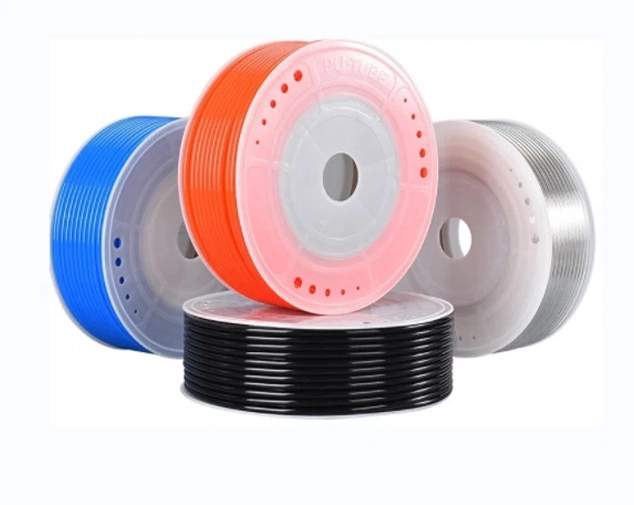
Aisili นิวเมติก เป็นผู้ผลิตมืออาชีพที่ทุ่มเทให้กับการพัฒนาและการผลิต ท่อลมโพลียูรีเทน และวัสดุระบบนิวแมติกที่เกี่ยวข้อง บริษัท Aisili ก่อตั้งขึ้นในปี 2007 ในเมืองหยานไท่ ประเทศจีน และได้สร้างชื่อเสียงที่แข็งแกร่งในด้านระบบอัตโนมัติ ด้วยเครื่องจักรขึ้นรูปที่ทันสมัยและวัตถุดิบคุณภาพสูง Aisili ผลิตท่อ PU ที่เชื่อถือได้ ซึ่งโดดเด่นในด้านความยืดหยุ่น ความแข็งแรง และการใช้งานในสภาวะที่ยากลำบาก พวกเขาจัดจำหน่ายไปทั่วโลก ตั้งแต่หุ่นยนต์และรถยนต์ไปจนถึง... การขนส่งและการขุดAisili ตัดเย็บเสื้อผ้าให้พอดีตัวตามสเป็กอย่างแม่นยำ ด้วย มีการตรวจสอบคุณภาพอย่างเข้มงวด และไอเดียใหม่ๆ
บทสรุป
การควบคุมอุณหภูมิได้อย่างแม่นยำในท่อลมไม่ใช่แค่เรื่องเสริม แต่เป็นสิ่งสำคัญอย่างยิ่งต่อการทำงานที่ราบรื่น วัสดุอย่างไนลอน พีวีซี และยาง ต่างก็มีปัญหาเมื่อสภาพแวดล้อมเปลี่ยนแปลงอย่างรุนแรง แต่... ท่อลม PU ให้ผลลัพธ์ที่ยอดเยี่ยมในหลากหลายช่วงอุณหภูมิ ตั้งแต่หนาวจัดไปจนถึงร้อนจัด เลือกใช้รุ่นที่เหมาะสมที่สุด จะช่วยลดเวลาหยุดทำงาน เพิ่มความปลอดภัย และประหยัดค่าใช้จ่ายในระยะยาว สำหรับธุรกิจที่ไม่สามารถยอมให้เกิดการชำรุดเสียหายได้ นี่คือตัวเลือกที่ชัดเจน
คำถามที่พบบ่อย
ท่อลม PU คุณภาพสูงสามารถทนต่อช่วงอุณหภูมิใดได้บ้าง?
ท่อลม PU แบบแข็งใช้งานได้ดีในช่วงอุณหภูมิ -40C ถึง +80C หรือสูงกว่านั้น ยังคงความยืดหยุ่นได้ในสภาพอากาศหนาวจัดและแข็งแรงในสภาพอากาศร้อนจัด เหมาะสำหรับใช้งานในทุกสภาพพื้นที่
สภาพอากาศหนาวเย็นส่งผลต่อท่อลม PU อย่างไร เมื่อเทียบกับท่อลมไนลอน?
ไนลอนจะเปราะและแตกง่ายเมื่ออุณหภูมิต่ำกว่า -20°C แต่ท่อลม PU ยังคงนุ่มและทนทานแม้ในอุณหภูมิต่ำถึง -40°C จึงไม่ต้องกังวลเรื่องการแตกหักในบริเวณที่เป็นน้ำแข็ง
ท่อลม PU เหมาะสำหรับใช้งานกลางแจ้งที่มีการเปลี่ยนแปลงอุณหภูมิหรือไม่?
ใช่เลย ด้วยช่วงอุณหภูมิที่กว้างและการต้านทานแสงแดดและสภาพอากาศ ทำให้ท่อลม PU เหมาะอย่างยิ่งสำหรับอุปกรณ์กลางแจ้งที่ต้องเผชิญกับสภาพอากาศร้อนและเย็นทุกวัน
เหตุใดท่อลมโพลียูรีเทนจึงอาจมีประสิทธิภาพดีกว่าท่อลมยางในโรงงานที่มีอุณหภูมิสูง?
ยางจะเสื่อมสภาพเร็วขึ้นเมื่อโดนความร้อน—แตกหรือเสียรูปทรง แต่ท่อลม PU ทนทานต่ออุณหภูมิได้ถึง +80°C ขึ้นไป หมายความว่าใช้งานได้นานกว่าในที่ที่มีอุณหภูมิสูงและสภาพแวดล้อมที่ท้าทาย
ท่อลม PU สามารถรักษาประสิทธิภาพการทำงานในเครื่องจักรความเร็วสูงได้หรือไม่?
แน่นอนครับ คุณสมบัติการโค้งงอที่ดีเยี่ยมและความคงที่ในอุณหภูมิต่างๆ ช่วยให้การทำงานในระบบที่รวดเร็วเป็นไปอย่างราบรื่น ลดการสึกหรอจากการสั่นสะเทือนและการเลี้ยว