


ความท้าทายในห้องเย็น: การป้องกันการแตกร้าวของท่อลมในสภาพแวดล้อมอุณหภูมิต่ำ
ห้องเย็นและห้องแช่แข็งมีบทบาทสำคัญในการรักษาความสดของอาหาร ความคงตัวของยา และความปลอดภัยของผลิตภัณฑ์ พื้นที่เหล่านี้ทำงานที่อุณหภูมิต่ำมาก ซึ่งมักจะต่ำกว่าจุดเยือกแข็ง อุปกรณ์ภายในต้องทำงานได้อย่างน่าเชื่อถือทุกวัน ระบบนิวแมติกส์เป็นตัวขับเคลื่อนการทำงานหลายอย่างในที่นี้ เช่น ตัวเปิดประตู ระบบควบคุมสายพานลำเลียง และแขนกลอัตโนมัติ แต่ความเย็นนำมาซึ่งปัญหาสำคัญอย่างหนึ่ง นั่นคือ ท่อที่แตกหรือหัก
รอยแตกร้าวเล็กๆ อาจทำให้เกิดการรั่วไหลของอากาศ ส่งผลให้กลไกทำงานช้าลง ระบบหยุดทำงาน และต้องเสียค่าซ่อมแซมราคาแพง ในโรงงานที่มีการใช้งานอย่างต่อเนื่อง ทุกชั่วโมงที่ระบบหยุดทำงานย่อมส่งผลเสียอย่างมาก มาดูกันว่าทำไมจึงเกิดเหตุการณ์เช่นนี้ และจะป้องกันได้อย่างไร
เหตุใดอุณหภูมิต่ำจึงก่อให้เกิดปัญหาสำหรับท่อลม
ท่อลมส่วนใหญ่ทำจากวัสดุอย่าง PVC หรือไนลอน ซึ่งใช้งานได้ดีในสภาพแวดล้อมคลังสินค้าทั่วไป แต่หากอุณหภูมิลดลงอย่างรวดเร็ว วัสดุเหล่านั้นก็จะเปลี่ยนแปลงไป
พอลิเมอร์จะแข็งตัวเมื่ออยู่ในที่เย็น มันจะสูญเสียความยืดหยุ่น ลองนึกภาพหลอดพลาสติกที่ทิ้งไว้ในช่องแช่แข็ง มันจะหักง่ายเมื่อคุณพยายามงอ ท่อก็เช่นเดียวกัน
กับดักความเปราะบางในสภาพแวดล้อมที่หนาวเย็น
ท่อพีวีซีมาตรฐานมักเริ่มเสื่อมสภาพที่อุณหภูมิประมาณ 0°F (-18°C) หรือต่ำกว่านั้น โมเลกุลจะยึดติดกัน ทำให้ไม่สามารถเลื่อนผ่านกันได้อีกต่อไป การสั่นสะเทือนหรือการงอใดๆ ก็สามารถทำให้เกิดรอยแตกเล็กๆ ได้ และเมื่อเวลาผ่านไปหลายสัปดาห์หรือหลายเดือน รอยแตกเหล่านั้นก็จะขยายใหญ่ขึ้นจนกลายเป็นรอยแยกขนาดใหญ่
ผมจำเรื่องราวจากโรงงานแปรรูปเนื้อสัตว์แห่งหนึ่งได้ อุณหภูมิอยู่ที่ประมาณ -10 องศาฟาเรนไฮต์ (-23 องศาเซลเซียส) สายการผลิตสำหรับอุปกรณ์จับยึดของหุ่นยนต์เกิดรอยแตกอยู่เรื่อยๆ พนักงานต้องเปลี่ยนชิ้นส่วนทุกๆ สองสามสัปดาห์ ทำให้เสียเวลาการผลิตไปหลายชั่วโมงในแต่ละกะ
ผลการทดสอบแสดงให้เห็นว่า PVC ที่ไม่เสริมแรงจะเปราะแตกง่ายเมื่ออุณหภูมิต่ำกว่า -20°F (-29°C) และการเปลี่ยนแปลงความดันจะทำให้แย่ลงไปอีก PVC ที่เสริมแรงจะเพิ่มความแข็งแรง แต่ตัววัสดุพื้นฐานก็ยังคงเสียหายได้ในสภาพอากาศหนาวจัด
- สัญญาณของปัญหา— รอยแตกร้าวเล็กๆ บริเวณส่วนโค้ง การระเบิดขณะสตาร์ท หรือส่วนที่รู้สึกแข็งเหมือนหิน
- ผลกระทบที่แท้จริง— แรงดันตก การเคลื่อนที่ช้า และปัญหาด้านความปลอดภัยหากประตูหรือลิฟต์ขัดข้อง
พีวีซีเสริมแรงช่วยลดแรงดันได้ แต่ก็ยังคงมีความเสี่ยงที่จะเปราะแตกง่าย เว้นแต่ว่าสูตรการผลิตจะทนต่ออุณหภูมิต่ำมาก ๆ ได้
ท่อธรรมดาไม่เหมาะสมกับตู้แช่แข็งอย่างไร
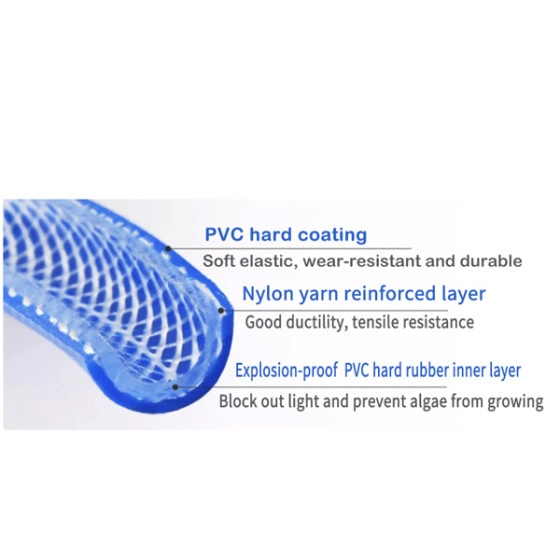
ท่อพีวีซีเสริมแรงเป็นตัวเลือกที่นิยมใช้กันทั่วไป ทนทานต่อสารเคมีและทนแรงดันได้ดี ตาข่ายใยโพลีเอสเตอร์ด้านในช่วยเพิ่มความแข็งแรง
ตัวอย่างที่ดีคือท่อพีวีซีเสริมแรงจาก Aisili Pneumatic ซึ่งใช้พีวีซีเสริมแรงด้วยโพลีเอสเตอร์ ความแข็งอยู่ที่ Shore A 80 ช่วงอุณหภูมิใช้งานตั้งแต่ -30°F (-34°C) ถึง 150°F (66°C) ทนต่อการเกิดออกซิเดชัน การปนเปื้อน และแม้กระทั่งการฆ่าเชื้อด้วยรังสีแกมมาหรือเอทิลออกซี ทำให้เหมาะสำหรับสายการผลิตเครื่องดื่ม เครื่องพิมพ์หมึก ห้องปฏิบัติการ และอื่นๆ
ในสภาพอากาศเย็นปานกลาง มันทำงานได้ดี แต่ถ้าเอาไปแช่แข็งที่อุณหภูมิ -40°F (-40°C) หรือต่ำกว่านั้น ความยืดหยุ่นจะลดลง การงอซ้ำๆ หรือการสั่นสะเทือนของเครื่องจักรจะทำให้เกิดการสึกหรอเร็วขึ้น และรอยแตกจะปรากฏขึ้นเร็วกว่าที่คาดไว้
นี่คือจุดที่ท่อโพลียูรีเทนสำหรับอุณหภูมิต่ำได้เปรียบกว่า
เหตุใดท่อโพลียูรีเทนสำหรับอุณหภูมิต่ำจึงโดดเด่น
โพลียูรีเทน (PU) ทนความเย็นได้ดีกว่ามาก ยังคงความยืดหยุ่นได้แม้ในสภาวะเยือกแข็งรุนแรง
โพลียูรีเทนชนิดที่ใช้สารอีเทอร์เป็นส่วนประกอบหลักยังคงความนุ่มได้แม้ในอุณหภูมิที่ต่ำถึง -70°F (-57°C) หรือแม้กระทั่ง -90°F (-68°C) ในสูตรคุณภาพสูง ซึ่งต่ำกว่าอุณหภูมิที่พีวีซีเริ่มเสื่อมสภาพมาก
ข้อได้เปรียบที่สำคัญในสภาวะการแช่แข็ง
- ยังคงยืดหยุ่นได้ดี— ไม่มีรอยบิดงอหรือรอยแตก แม้จะใช้งานซ้ำหลายรอบแล้วก็ตาม
- ทนรับแรงกระแทกได้ดี— ช่วยดูดซับแรงกระแทกจากการสั่นสะเทือนที่อาจทำให้ท่อเปราะแตกหักได้
- ใช้งานได้นานกว่า— การหยุดพักเนื่องจากความเมื่อยล้าลดลง หมายความว่าไม่จำเป็นต้องเปลี่ยนชิ้นส่วนบ่อยนัก
โกดังแห่งหนึ่งเปลี่ยนมาใช้ PU สำหรับคัดแยกสินค้าแช่แข็ง ก่อนหน้านี้มักเกิดรอยแตกร้าวทุกๆ สองสามเดือนในบริเวณที่มีอุณหภูมิต่ำกว่าศูนย์องศา หลังจากอัปเกรดแล้ว? แทบไม่มีปัญหาเลยตลอดระยะเวลามากกว่าสองปี การเปลี่ยนแปลงความดันในแต่ละวันไม่ได้ส่งผลกระทบใดๆ เลย
|
คุณสมบัติของวัสดุ |
ท่อพีวีซีเสริมแรง |
ท่อโพลียูรีเทนอุณหภูมิต่ำ |
|
ขีดจำกัดอุณหภูมิต่ำทั่วไป |
-30°F ถึง -40°F (-34°C ถึง -40°C) |
-70°F ถึง -90°F (-57°C ถึง -68°C) |
|
ความยืดหยุ่นในสภาพอากาศหนาวเย็น |
ร่วงหล่นมาก |
ยังคงยอดเยี่ยมอยู่เสมอ |
|
ความเสี่ยงต่อการแตกหัก |
สูงขึ้นเมื่อเกิดความเครียด |
ต่ำมาก |
|
การใช้งานทั่วไป |
เครื่องดื่ม, ห้องปฏิบัติการ, สินค้าทั่วไป |
ตู้แช่แข็ง หุ่นยนต์ ระบบอัตโนมัติ |
ความแตกต่างอยู่ที่คุณสมบัติทางเคมี โซ่ของ PU เคลื่อนที่ได้อย่างอิสระในอุณหภูมิต่ำ ในขณะที่โซ่ของ PVC จะแข็งตัวอย่างรวดเร็ว
การประยุกต์ใช้ในชีวิตจริง: จุดที่มันสร้างความแตกต่าง
ลองนึกภาพโกดังเก็บอาหารแช่แข็งขนาดใหญ่ กระบอกลมช่วยยกประตูหนักๆ สินค้าลำเลียงไปตามสายพาน อุณหภูมิคงที่อยู่ที่ -20°F (-29°C)
ท่อแตกหมายถึงต้องซ่อมแซมอยู่ตลอดเวลา คนงานต้องปีนขึ้นไปในสภาพอากาศหนาวจัดเพื่อซ่อมแซมรอยรั่ว เป็นงานที่ยากและมีค่าใช้จ่ายสูง
เปลี่ยนมาใช้ PU ที่ทนทานต่ออุณหภูมิต่ำ ระบบทำงานได้ราบรื่นขึ้น บริษัทโลจิสติกส์แห่งหนึ่งลดจำนวนการเข้าซ่อมบำรุงลงกว่า 60% หลังจากเปลี่ยนมาใช้ระบบควบคุมอุณหภูมิในโซนแช่แข็ง
คลังสินค้าเภสัชกรรมก็ใช้ตู้แช่แข็งอุณหภูมิต่ำมากเช่นกัน การรั่วไหลต้องไม่เกิดขึ้นกับอุปกรณ์ที่ไวต่ออุณหภูมิ วัสดุ PU ช่วยรักษาความคงที่และความน่าเชื่อถือของอากาศภายในตู้
เกี่ยวกับ Aisili Pneumatic
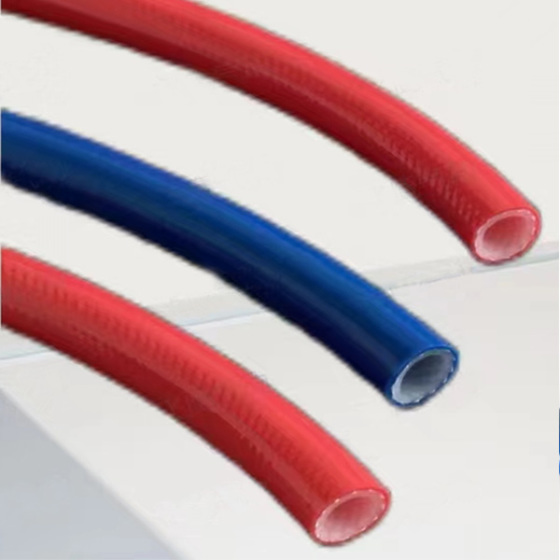
Aisili นิวเมติก เชี่ยวชาญด้านสินค้าพรีเมียม ท่อลมโพลียูรีเทน และอุปกรณ์เสริมที่เกี่ยวข้อง บริษัทมุ่งเน้นโซลูชันประสิทธิภาพสูงสำหรับระบบอัตโนมัติทางอุตสาหกรรมทั่วโลก ด้วยสายการผลิตที่ทันสมัยและการเน้นคุณภาพอย่างมาก Aisili จึงนำเสนอท่อที่มีความทนทานและยืดหยุ่นซึ่งตรงตามความต้องการ มาตรฐานต่างๆ เช่น RoHS, REACH และ FDAผลิตภัณฑ์ของพวกเขาสนับสนุนด้านหุ่นยนต์ การแปรรูปอาหาร และอื่นๆ อีกมากมาย พวกเขายังให้บริการผลิตสินค้าตามขนาด สี และบรรจุภัณฑ์ที่ลูกค้าต้องการอีกด้วย จัดส่งรวดเร็วและบริการที่เชื่อถือได้ ให้บริการลูกค้าในกว่า 30 ประเทศ
บทสรุป
การแก้ไขปัญหาท่อลมในห้องเย็นนั้นขึ้นอยู่กับการเลือกใช้วัสดุที่เหมาะสม ท่อพีวีซีเสริมแรงใช้งานได้ดีในหลายกรณี แต่ในอุณหภูมิต่ำมาก ๆ จำเป็นต้องใช้วัสดุที่แข็งแรงกว่า ท่อโพลียูรีเทนสำหรับอุณหภูมิต่ำมีความยืดหยุ่นและทนทานต่อการแตกร้าวได้ดีกว่า ช่วยให้ระบบทำงานได้อย่างราบรื่นโดยไม่ต้องหยุดบ่อย การเลือกใช้ท่อที่เหมาะสมจะช่วยประหยัดเวลาและเงินในระยะยาว
คำถามที่พบบ่อย
อะไรทำให้ท่อลมแตกในห้องเย็น?
อุณหภูมิต่ำทำให้วัสดุหลายชนิดเปราะแตกง่าย สูญเสียความยืดหยุ่น การสั่นสะเทือนหรือการงอจะทำให้เกิดรอยแตก และจะยิ่งแย่ลงในห้องแช่แข็งที่มีอุณหภูมิต่ำกว่า -20°F (-29°C)
ท่อพีวีซีเสริมแรงทนต่ออุณหภูมิต่ำได้ดีแค่ไหน?
ท่อพีวีซีเสริมแรง เช่น ชนิดเสริมแรงด้วยโพลีเอสเตอร์ สามารถใช้งานได้ที่อุณหภูมิต่ำถึงประมาณ -30°F (-34°C) ทนต่อแรงดันและสารเคมี แต่ในสภาพอากาศหนาวจัด ท่อจะแข็งตัวมากขึ้น ทำให้มีโอกาสแตกร้าวได้ง่ายขึ้นเมื่อเวลาผ่านไป
เหตุใดจึงควรเลือกใช้ท่อโพลียูรีเทนชนิดทนอุณหภูมิต่ำสำหรับการจัดเก็บในที่เย็น?
วัสดุนี้ยังคงความยืดหยุ่นได้แม้ที่อุณหภูมิ -70°F (-57°C) หรือต่ำกว่านั้น ซึ่งช่วยลดความเปราะแตก ทำให้ทนต่อแรงกระแทกได้ดีกว่าและลดโอกาสเกิดความเสียหายในระบบนิวแมติกที่ต้องแช่แข็ง
ท่อพีวีซีเสริมแรงเหมาะสำหรับตู้แช่แข็งหรือไม่ หรือควรเปลี่ยนไปใช้แบบอื่น?
ขึ้นอยู่กับอุณหภูมิที่แน่นอน สำหรับอากาศเย็นไม่มาก ท่อพีวีซีเสริมแรงก็ใช้ได้ แต่สำหรับสภาพอากาศที่อุณหภูมิต่ำกว่าศูนย์องศาอย่างต่อเนื่อง ท่อโพลียูรีเทนทนอุณหภูมิต่ำจะช่วยลดเวลาหยุดทำงานได้มาก
มีสัญญาณอะไรบ้างที่บ่งบอกว่าถึงเวลาต้องเปลี่ยนท่อส่งน้ำในพื้นที่ที่มีอากาศหนาวเย็นแล้ว?
สังเกตรอยรั่วบ่อยๆ ส่วนที่แข็งและงอง่าย หรือรอยแตกที่เห็นได้ชัดหลังจากเก็บไว้ในที่เย็น การปรับปรุงแก้ไขตั้งแต่เนิ่นๆ จะช่วยป้องกันปัญหาใหญ่ๆ ในการจัดเก็บอาหารหรือยาได้