


Cost of Ownership: Why Durable PU Belts Lower Long-Term Expenses in Industrial Equipment
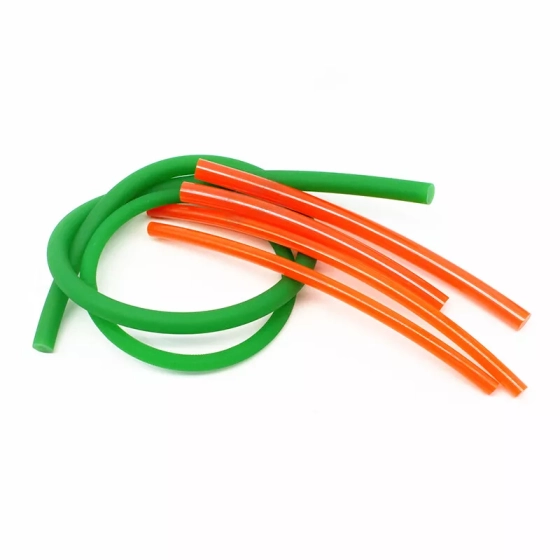
Factory floors hum with machines that never quit. Belts drive them all—pulleys spin, parts move, lines keep pace. But when a belt snaps mid-shift, the real pain hits. Downtime racks up bills fast. That’s where Polyurethane Cord Belt from Aisili Pneumatic comes in. It’s built tough to slash those hidden costs over time. Engineers and plant managers swear by it. Why? It lasts longer and fights the wear that kills cheap options. Stick around. We’ll unpack how this simple swap pays off big.
What Makes Polyurethane Cord Belt a Smart Pick
สายพานโพลียูรีเทน isn’t your grandpa’s rubber strap. It’s a solid cord of ester-based polyurethane, molded for jobs that demand grit. Hardness sits between Shore A 70 and 85—firm enough to grip, flexible enough to bend without cracking. Sizes run from a skinny 1.5 mm outer diameter up to a beefy 25 mm. Most folks grab the OEM sweet spot: 3 mm to 16 mm.
Colors? You call the shots—match your setup or go custom. Surfaces come smooth for slick slides or rough for extra bite. It’s plasticizer-free, so no oily mess over time. And welding it? Dead simple. Just melt the ends and press till cool. No fancy tools needed.
Tough Build for Everyday Battles
This belt shrugs off punishment. High tensile strength means it pulls heavy loads without stretching out. Abrasion resistance keeps it from fraying against rough pulleys. Oil splashes? It laughs them off. Chemicals in the air? No sweat. Impacts from vibrating motors? It bounces back.
Take a printing press churning out labels 24/7. Rollers turn thousands of times an hour. A flimsy belt shreds in weeks. But Polyurethane Cord Belt? It holds for months, maybe a year. That’s real-world muscle, not lab talk.
Specs That Fit Your Gear
Numbers tell the story. Here’s a snapshot of popular sizes, weights per 100 meters:
| Size (mm) | Product Code | Weight (kg/100m) |
|---|---|---|
| 3 | Purb3 | 0.85 |
| 4 | สีม่วง4 | 1.51 |
| 5 | สีม่วง5 | 2.40 |
| 6 | สีม่วง6 | 3.40 |
| 8 | สีม่วง8 | 6.04 |
Up to 16 mm for bigger drives. All in ester polyurethane. Pick smooth or rough. Custom hues on request.
How Wear and Tear Drives Up Costs
Belts seem cheap upfront. A spool costs pennies per foot. But dig deeper. Replacements eat time and cash. Labor to swap one out? An hour at $50 bucks. Lost output? Hundreds more if the line stops.
In packaging machines, belts sync conveyor speeds. Slip happens when wear sets in. Output drops 10-15% before you notice. Fix it quick, or kiss deadlines goodbye. I’ve seen plants burn through a dozen belts a month on spinning frames. Each swap pulls a tech off other fixes. Costs snowball.
Hidden Hits from Frequent Swaps
Frequent changes mean more inventory headaches. Stock extra to avoid shortages. That ties up shelf space and cash. Poor belts also drag efficiency. They stretch, squeal, or slip. Energy use climbs as motors strain. One study from a textile mill showed 8% higher power bills from worn belts. Ouch.
And safety? A snapping belt can jam gears or fling debris. Cleanup and repairs? Another bill. Durable options like Polyurethane Cord Belt cut these risks. They wear even, so you spot trouble early. No midnight surprises.
Long-Haul Savings in Action
Switch to a tough belt, and math shifts. Say a cord belt runs $2 per meter. A weak one lasts 500 hours. The Polyurethane Cord Belt? 2,000 hours easy. That’s four times longer. Upfront, you spend more. But over a year? You’re ahead by miles.
Picture a drive motor in porcelain brick gear. Constant pull, dusty air. Cheap belts fail every quarter. With this one, swaps drop to yearly. Tech time saved: 12 hours. Output steady: no dips. Bottom line—costs fall 30-40% when you count it all.
Real Jobs Where It Shines
Polyurethane Cord Belt pulls its weight across shops. In packaging lines, it times box flaps perfectly. No skips. Printing machines? It feeds paper smooth, colors crisp every pass. Spinning setups in textiles hum quieter, threads even.
Drive motors get a boost too. Less slip means faster cycles. And in brick presses, where dust grinds everything, it outlasts rivals twice over. Here’s where it fits best:
-
Packaging machines: Syncs flaps and seals without jerk.
-
Printing presses: Steady feed cuts waste sheets.
-
Spinning frames: Even tension for uniform yarn.
-
Drive motors: Reliable pull in tight spaces.
-
Porcelain machinery: Fights grit for non-stop runs.
One packaging outfit swapped in these belts. Downtime plunged 25%. They hit quotas without overtime. Simple fix, huge win.
Why Aisili’s Take Stands Tall
Aisili Pneumatic crafts this belt with care. They know pneumatics inside out. Every cord gets extruded just right—consistent, strong. No weak spots. Custom runs? They nail it, from odd sizes to spot-on colors.
It’s not just belts. Their lineup covers tubing and fittings too. All play nice in air systems. Plants lean on Aisili for steady supply. No delays. That’s trust earned over years.
About Aisili Pneumatic
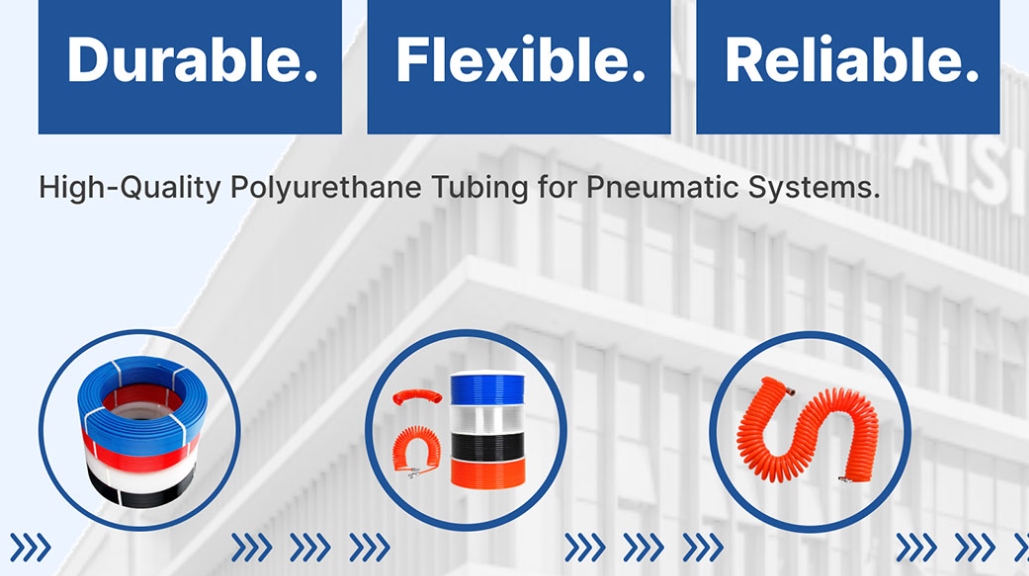
Before we wrap up, a quick nod to the folks making this stuff happen. Aisili นิวเมติก, out of Yantai, China since 2007, pours heart into crafting polyurethane pneumatic tubing and pneumatic gear. With two plants humming on seven extrusion lines, they crank out premium ether and ester-based tubes—flame-retardant options too—for automation, robotics, and beyond. It’s all about reliability: RoHS-compliant, custom sizes from 3mm to 25mm, colors to match your setup. They’ve shipped to over 30 countries, backing shops from mining ops to ag lines. If you’re hunting durable, efficient PU pneumatic tubes, Aisili’s got the chops—built to last, shipped fast.
Conclusion
Durable Polyurethane Cord Belt flips the script on costs. It cuts swaps, steadies output, and trims waste. For shops chasing lean ops, it’s a no-brainer. Grab one for your next drive. Watch the savings stack up.
FAQs
How does Polyurethane Cord Belt stack up for long-term costs?
It outlasts basic belts by three or four times in tough spots like printing presses. Fewer swaps mean less labor and zero downtime hits. Plants see 30% drops in total ownership bucks.
What jobs fit Polyurethane Cord Belt best?
Drive transmissions in packaging or spinning machines top the list. It grips pulleys tight, fights slip, and handles dust in brick gear without flinching.
Can you customize Polyurethane Cord Belt sizes and looks?
Sure. Diameters from 1.5 mm to 25 mm, colors to match your line. Smooth or rough surface—whatever grips best. Aisili handles OEM tweaks quick.
Why pick ester-based for this cord belt?
Ester polyurethane packs abrasion and oil resistance. In oily shops or high-wear motors, it wears slow. Tensile strength keeps tension spot-on for years.
Where do I dig into full specs on Polyurethane Cord Belt?
Check the product page at https://www.aisilipneumatic.com/polyurethane-pneumatic-tubing/polyurethane-cord-belt/. Weights, sizes, and custom options are all laid out clear.