


Why Anti-Spark (TPEE) PU Tubing Is a Must-Have in Welding & Heavy-Duty Pneumatic Systems
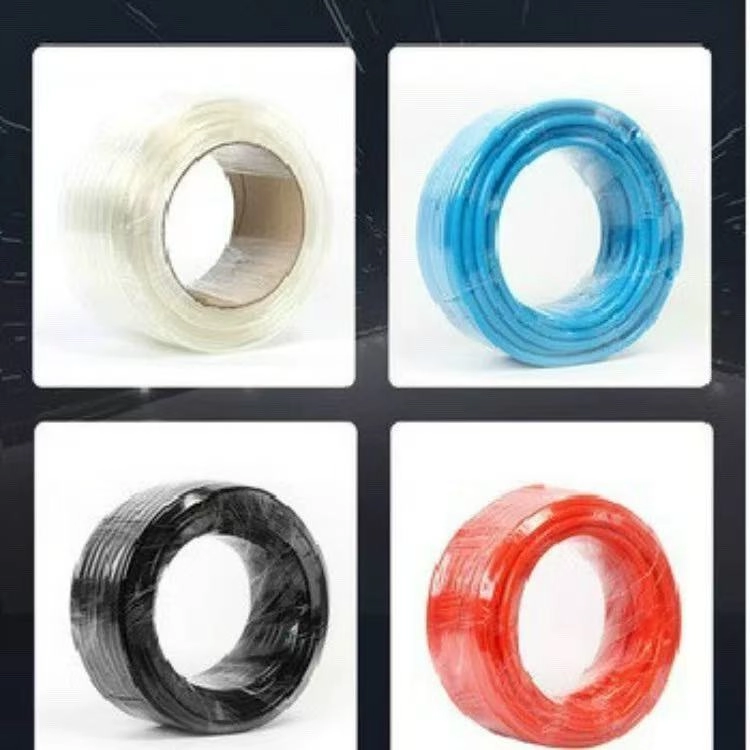
Sparks fly in a welding bay. Molten metal spatters everywhere. Regular pneumatic lines sit exposed. They carry air to clamps, grippers, or torches. One hot glob lands on a standard PU tube. It melts fast. It catches fire. Suddenly you face a blaze, a leak, or worse—a shutdown that drags on for hours. That nightmare hits hard in metalworking and heavy automation. Anti-spark (TPEE) PU tubing flips the script. It stands strong against those exact dangers. It keeps systems safer. It keeps them running longer. If you handle welding cells, robotic arms close to welders, or any spot where sparks pop up often, this tubing isn’t just nice to have. It’s crucial.
What Is Anti-Spark (TPEE) PU Tubing?
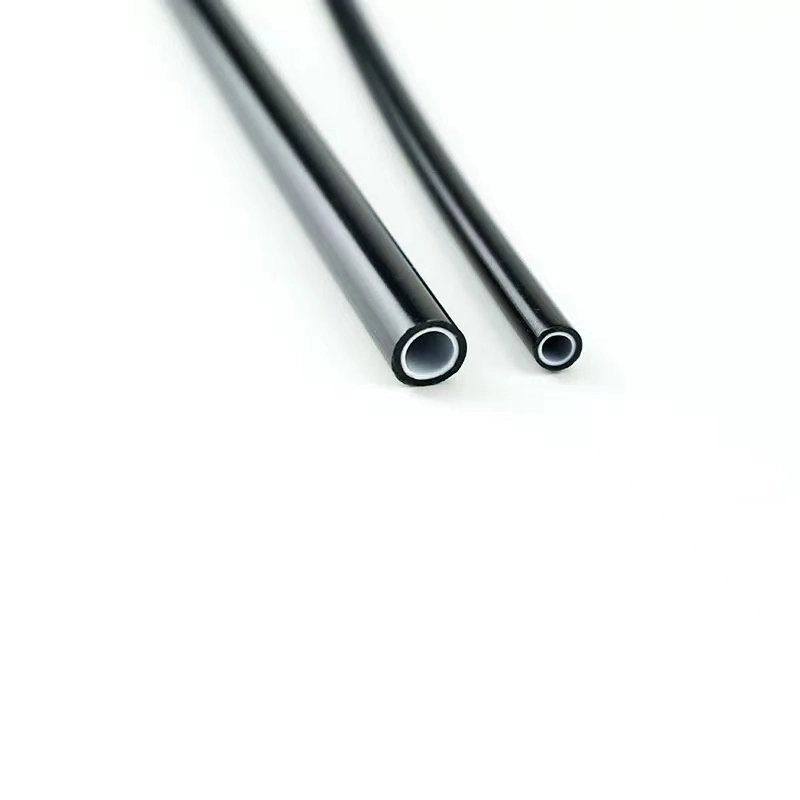
Anti-spark pneumatic tubing often goes by TPEE-based or modified PU. It starts with top-grade thermoplastic polyurethane granules. Makers adjust the mix to reach nonflammable levels. The result matches UL94 V-0 flame retardant standards. So when a spark or spatter strikes it, the material puts itself out quickly. No dripping occurs. Flames don’t spread.
Unlike ordinary polyurethane, this type adds strong flame protection. Yet it holds onto the main strengths: great bendability, tough wear resistance, and reliable pressure handling. Workers extrude it into smooth tubes. Most come in black so crews spot them easily in dirty shops. Typical specs show working pressure up to 10 bar at 20°C. Burst strength reaches at least 25 bar. Service temps run from -15°C to 70°C with no freezing issues. Hardness lands around Shore A 95-98. That makes it sturdy yet flexible enough for tight routing jobs.
Sizes range from 4mm OD (2.5mm ID) all the way to 16mm OD. Coil lengths hit 200m for smaller sizes and 100m for bigger ones. Bend radii stay practical—down to 10mm for the smallest diameter. That setup works well in crowded robotic layouts.
How Anti-Spark Tubing Prevents Fire Hazards
The real trick comes from that UL94 V-0 rating. Welding spatter reaches temperatures well over 1000°C. Those glowing bits hit regular tubing. The tube burns through quickly. It ignites leftover residue. Anti-spark versions refuse to catch. They char only a little. Then they snuff out on their own. Fire spread stops right there.
In actual shops this difference matters a lot. A medium-sized fabrication plant runs MIG welders all day. Dozens of spatter hits happen every shift. Standard PU gives way in minutes under a direct strike. TPEE-based material stands firm. It protects air lines feeding pneumatic actuators. No burst tube appears. Air stays steady. No emergency halt occurs. Techs don’t scramble to find leaks while the line sits idle.
It also blocks extra dangers. Melted plastic sometimes drips. That drip can light nearby oils, rags, or insulation. Self-extinguishing material breaks that chain fast.
Reducing Downtime in Spark-Prone Environments
Downtime eats profits alive. One tube failure in a welding robot cell stops everything. Crews spend 30 to 60 minutes replacing it. They purge the line. They test pressure again. Add up those stops across multiple shifts. The costs pile high.
Anti-spark tubing lasts much longer in these spots. Its spatter resistance cuts replacement frequency. Factories that switched to flame-retardant lines in welding areas see 40-60% fewer tube changes. Those numbers come straight from shop floor experience with similar gear. Fewer swaps mean more running time.
The material also shrugs off rough treatment and flying debris. In heavy-duty setups near grinders, lines endure constant scraping. They rarely crack. That toughness brings predictable performance. You plan maintenance ahead. You don’t react to sudden breakdowns.
Enhancing Safety for Workers and Equipment
Safety goes beyond checklists. It keeps people safe at the end of the day. In metalworking, fire risks sit high on hazard lists from OSHA and similar groups. Flame-retardant tubing adds a quiet safety buffer. It doesn’t replace hard hats, gloves, or good ventilation. But it buys precious seconds if trouble starts.
For equipment, it shields everything downstream. A burst standard tube sprays oil mist or bits everywhere. Anti-spark versions seldom reach that failure point. Robotic arms stay aligned. Sensors avoid dirt buildup. Valves keep moving smoothly.
In automated lines that mix welding and pneumatics, this tubing fits perfectly. Think automotive body shops or heavy machinery assembly plants. It handles motion without kinking. It delivers steady pressure to grippers. And it survives the heat and sparks that come with the job.
Key Differences: Anti-Spark (TPEE) vs. Standard Pneumatic Tubing
Not every tube deals with sparks the same way. Here’s the clear comparison:
-
Standard PU (Ester or Ether): Bends easily and costs little. But it melts or burns under spatter. Fine for clean automation. Terrible near welders.
-
PVC: Gets stiff in cold air. Swells with oils. Lights up easily. Almost never used in hot zones.
-
Nylon/PA: Handles high pressure well. But stays rigid. Can crack from spatter impact.
-
Anti-Spark (TPEE-modified PU): Keeps PU’s easy flex while adding V-0 flame protection. Beats plain PU on spatter defense. Bends better than PA.
Quick comparison table:
| Feature | Standard PU | Anti-Spark (TPEE) PU | Nylon/PA |
|---|---|---|---|
| Flame Resistance | Low | UL94 V-0 equivalent | Medium |
| Spatter/Spark Protection | Poor | Excellent | Fair |
| Flexibility | High | High | Low |
| Abrasion Resistance | Good | Excellent | Good |
| Typical Use in Welding | Avoid | Recommended | Occasional |
| Working Pressure (bar) | 10 | 10 | Higher |
Real-World Applications in Welding and Heavy-Duty Systems
This tubing really shines wherever sparks appear:
-
Robotic Welding Cells: Lines run to torch positioners and clamps. They bend smoothly with moving arms. They resist spatter from arcs.
-
Manual Welding Stations: Air tools, fixtures, and purge lines stay protected near handheld torches.
-
Automated Metal Fabrication: Plasma or laser setups with pneumatic actuators gain from fire-safe routing.
-
Heavy Machinery Assembly: Big presses or welders in automotive and truck plants rely on it for steady motion control.
-
Construction Equipment Manufacturing: Rough shops with grinding and welding need tough, spark-proof lines.
Check out Aisili’s Anti-Spark PuTubing (TPEE) for exact matches—sizes from 4-16mm OD, black color, 10 bar working and 25 bar burst, -15 to 70°C range. It’s designed for welding machinery and heavy pneumatic needs.
Introducing Aisili Pneumatic: Your Trusted Partner in Pneumatic Solutions
Aisili Pneumatic, under Yantai Aisili New Material Co., Ltd. since 2007, focuses squarely on polyurethane pneumatic tubing and accessories. With two plants in Shandong, China, and seven extrusion lines, they crank out custom solutions for automation, robotics, and heavy industry. Over 17 years, they’ve built a rep for quality raw materials, fast turnaround, and exports to 30+ countries across Europe, Asia, the Middle East, and North America. RoHS and REACH compliance, plus a drive for innovation, make them a solid choice for safety-focused pneumatic gear.
Conclusion
Bottom line: In welding bays and heavy-duty pneumatic setups, sparks aren’t avoidable. But fires and shutdowns can be. Anti-spark (TPEE) PU tubing steps up with UL94 V-0 level protection. It cuts fire risks sharply. It slashes downtime noticeably. It boosts overall safety in clear ways. It keeps air flowing reliably where standard tubes would fail fast. Teams focus on production instead of constant patching. For anyone running spark-heavy automation, switching to this stuff pays off quickly—in uptime and peace of mind.
FAQs
What exactly makes anti-spark pneumatic tubing different from regular PU tubing?
Anti-spark versions use modified TPEE-based polyurethane. It’s nonflammable and reaches UL94 V-0 equivalent levels. Regular PU melts or burns under welding spatter. This stuff self-extinguishes quickly. It protects lines in high-risk areas.
How does anti-spark (TPEE) PU tubing reduce downtime in welding environments?
It stands up to spatter and sparks well. Tubes don’t melt or burst nearly as often. Shops report 40-60% fewer replacements. Lines stay running longer. Actuators keep working. Production avoids long pauses for repairs.
Is anti-spark pneumatic tubing safe enough for robotic welding cells?
Yes, absolutely. Its flame-retardant qualities and spatter resistance suit it perfectly. It flexes with moving arms. It handles 10 bar pressure without issues. It prevents small incidents from growing into big fires or leaks.
What temperature range can anti-spark (TPEE) PU tubing handle?
It works smoothly from -15°C to 70°C. No freezing happens. No major performance drop occurs. That covers most welding shops—even with nearby heat—as long as direct flame stays away.
Why choose anti-spark tubing over other flame-resistant options like sheathed PA?
It blends PU’s natural bendability and kink resistance with excellent spark protection. Nylon sheathed versions feel tougher but stay stiffer. Anti-spark PU bends more easily in tight robotic layouts. It still blocks spatter very effectively.