


Compressed Air Blow Gun Safety at Packaging Workstations
At the end of a packaging shift, a little film waste around a photoeye may seem like a job for the nearest blow gun. It is, until the waste lands in the sealing area or the operator at the next bench gets a faceful of dust. I would start with the direction of that blast, then look at the gun. The nozzle alone tells you very little about whether the cleaning point is workable.
Here, “air gun” means the hand-held tool used for cleaning on a US factory floor. The cylinder circuit can run at its normal pressure while the cleaning connection is restricted separately.

Define the Cleaning Task Before Buying the Gun
Film scraps caught around a photoeye and dust on a carton guide do not travel alike when hit with air. Loose labels are worse: they can be driven straight into a guard opening. Collection at the point of buildup is often easier than chasing the waste after a blast.
Where Will the Debris Go?
Watch the waste from the operator’s position and from the far side of the conveyor. The second view may reveal an open package in its path. Use a baffle for film fragments if it catches them cleanly; fine dust may need extraction instead. If cleaning is permitted only after isolation, keep the gun where it can be reached without leaning over the belt.
Which Parts of the Air Line Are Exposed?
The hose is usually where a tidy layout begins to go wrong. Aisili makes straight PU pneumatic tubing, spiral PU hose, fittings and other pneumatic accessories for packaging machinery. Tube choices cover different inside and outside diameters, lengths and colors. A coil can retract at a movable point; a clipped straight run may suit a fixed outlet. If the hose is too short, its fitting becomes the stop for every reach.
The PU tube is light and flexible, with useful abrasion resistance. None of that helps when it is pinched under a cable tie or rubbed across a raw cabinet cutout. Give the selected grade enough bend clearance and check its behavior around oil mist, cleaning chemicals and heat.
Apply the US Cleaning Rule at the Nozzle
US workplaces using compressed air to clean have a specific obligation under 29 CFR 1910.242(b): less than 30 psi, effective chip guarding and personal protective equipment. Do not read a gun body’s maximum operating pressure as its blocked-tip cleaning pressure.
The Less-Than-30-psi Blocked-Tip Condition
The OSHA pressure-reduction directive describes the dead-end condition: static pressure at the nozzle opening must remain under 30 psi when the opening is obstructed. Side-vented safety nozzles can prevent pressure building at the blocked main outlet; reducing the air pressure before the gun may also work. What matters is the result for this gun and this tip at the supply pressure available on the line.
Suppose a regulator is set low during a trial, but another shift restores the branch to the pressure used for an actuator. The earlier check no longer represents the cleaning setup. Keep the nozzle model code beside a blocked-tip result taken at the highest inlet pressure available there. A later same-thread tip with a different internal passage makes that result obsolete.
Chip Guarding and Personal Protection
Even a pressure-limited jet can throw an offcut into someone’s face. A screen behind the workpiece may catch it, or the cleaning point may need an enclosure. Look toward the neighboring station, too. A shield with an open side facing another operator protects the wrong person. Choose PPE after seeing what the guard leaves exposed.
Do not use the gun on skin or clothing. The Oregon OSHA cleaning factsheet is explicit on that point. It is worth putting into the workstation instruction because a tool bought for machine cleaning can quickly become a convenient way to blow dust from a glove or apron.
Product Pressure Rating Is a Different Question
Nozzle compliance will not rescue a split tube. Check the hose, its fitting and coupling under the line’s working pressure and temperature as well. Aisili PU hose is intended for compressed air, ordinary industrial water and noncorrosive oils; corrosive chemicals or hot fluids need a separate compatibility check. The tube-end seal can leak long before the operator notices anything wrong at the tip.
Aisili’s air blow gun product range includes different body and nozzle materials; standard, safety and extended tips are offered. If the gun is destined for a US cleaning point, request the test for the exact tip and gun to be supplied. The label “safety nozzle” by itself cannot settle the question.
Design the Workstation as One Air Circuit
Measure hose reach from the operator’s actual standing position. A gun that barely reaches its target pulls a coupling sideways; extra hose on the floor creates its own hazard. Mount a holder near the job. During a carton-size changeover, open the guards and watch the hose: its route may now cross the guard’s swing.
Match Tubing, Fittings and Quick Couplings
Aisili supplies PU compressed-air tubing and fittings, with OEM choices for diameter, hardness, color and performance. Where a station calls for a special tube grade, Aisili’s range includes flame-retardant and antistatic TPU extrusions, TPEE tubing and double-row spring air tubing. Name the selected material in the drawing; a standard PU reel is not a substitute. The machine drawing should carry ID and OD, tube grade and fitting model together. A push-in connector seals against the tube’s outer surface. That is why two reels both sold as “PU air hose” may give different results at the same connector. Before buying a batch, cut a few sample ends square and fit them to the hardware that will actually be installed.
For a gun that comes off the line after a run, consider a quick coupling. Aisili’s C-Type self-locking quick coupling offers threaded and hose-barb ends. Keep the socket and its matching plug under one series code in the spare-parts list. A look-alike plug from another series is a poor substitute. Release pressure first and hold the hose end as the sleeve is pulled back.
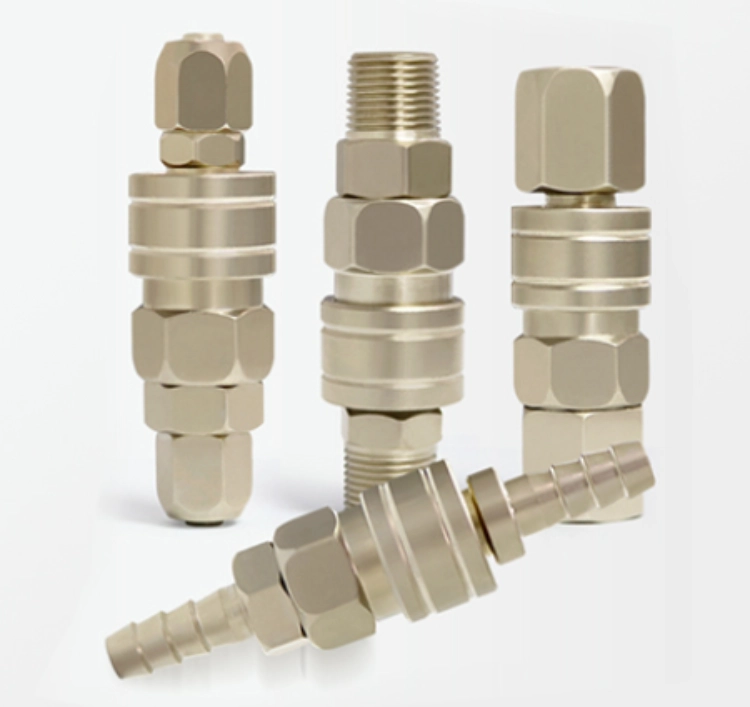
For tubing repeat orders, Aisili has sites in Yantai and Linyi and seven extrusion lines. Incoming material is screened against sixteen internal physical and chemical indicators, and diameter is monitored during extrusion. Inline diameter control targets ±0.12 mm. Its quality checks also address hydrolysis resistance, weathering, flexibility, bend radius and insertion force. Those details are worth asking for when a repeat reel has to fit the same connectors. Finished-tube checks include burst resistance and bending behavior. Put material, OD, ID, hardness, color, reel length and packing method on the order. Aisili’s colored tubes use imported weather-resistant pigments to keep the specified color consistent in service. Blue might identify the cleaning circuit in the plant, but it is still the specified material and rating that make a reel suitable.
Qualify the Actual Gun-and-Nozzle Assembly
“Air gun for packing line” leaves too much to guess. The request needs a gun and nozzle model, maximum inlet pressure, hose and coupling sizes, cleaning target and the proposed guard. Otherwise the quote can be technically correct for each loose part yet wrong for the cleaning point as a whole.
Evidence to Request From a Supplier
The nozzle test should state the inlet pressure used. A trial with actual trimmings will show whether the proposed guard catches enough of the waste. Keep the gun’s, tube’s and connector’s separate operating limits on the same purchase record. An extended tip is useful only if the operator can use it without putting a hand through the machine guard.
Aisili accepts OEM and ODM tubing specifications and supplies related connectors. For its PU pneumatic tubing options, include connection sizes in the request. Keep the nozzle test as a separate item; customized tubing does not imply an approved cleaning gun.
Trial Checks on the Installed Workstation
Trial the gun with the film, cartons or labels normally processed. A spotless bench says nothing about flying trim. Watch where the waste lands, then open the nearby machine guard and see what happens to the hose. Repeat on another package format if it changes the operator’s reach.
Qualified staff can then verify the pressure condition and keep the result with the approved gun and nozzle codes. When a regulator, source connection or tip is changed, the old result may no longer describe the station. This is especially easy to miss where several cleaning points use guns that look identical.
Operator and Maintenance Checklist
The workstation card can be brief: the surface to clean, required machine state, guard, PPE and gun holder. A damaged tip, audible leak or worn hose means stop using that connection. When maintenance replaces tubing, a material and OD on the parts list are much more useful than “the blue one.”
PU tubing must be used within its rated pressure and temperature; as temperature rises, its allowed working pressure may need to come down. Damp storage or a long shelf period can hydrolyze or age a PU hose, leaving it liable to crack or break. Keep reels identified and inspect stored material before fitting it.
What to Send With an Aisili Enquiry
A useful enquiry shows the cleaning point in a photo or drawing, with the available air pressure and the route the hose will take. State what waste has to move and what space is left for guarding or extraction. For US cleaning, request the exact gun/nozzle identification and blocked-tip evidence. Aisili generally stocks standard tubing sizes; custom specifications require a separate production schedule. Ask for the current lead time and include the accepted tube and coupling models, or a later replacement order can quietly change the original arrangement.