


Flexcoil-PU-Schlauch vs. gerader Druckluftschlauch: Welcher sorgt am besten für Ordnung am Arbeitsplatz?
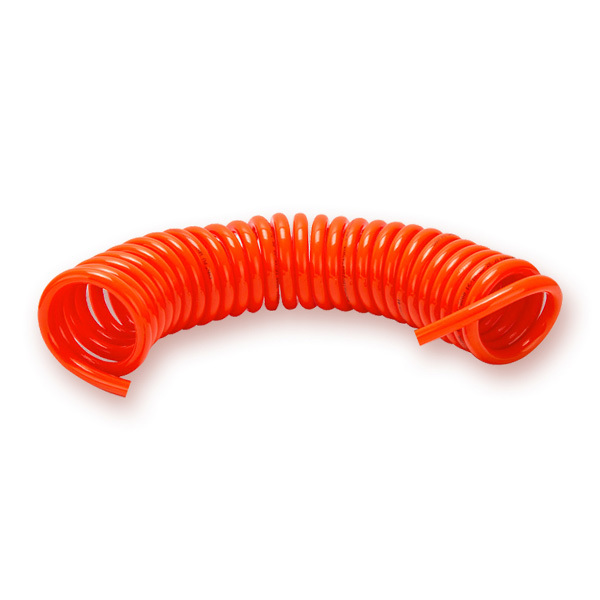
Betritt man eine Montagehalle oder Roboterzelle, sieht man sofort das Chaos. Überall verlaufen gerade Pneumatikschläuche. Sie schlängeln sich über Werkbänke, türmen sich auf dem Boden und werden schnell zum Ärgernis. Techniker stolpern darüber. Teile verhaken sich darin. Am Ende jeder Schicht verschwendet jemand wertvolle Zeit damit, diesen „Schlauchdschungel“ zu entwirren, nur um den Betrieb aufrechtzuerhalten.
Flexcoil PU-Schlauch Dieses Problem ist damit gelöst. Die Spiralform dehnt sich bei Bedarf aus und rollt sich nach dem Loslassen wieder ordentlich zusammen. Eine 10 Meter lange Schnur lässt sich für jede Aufgabe ausziehen und anschließend zu wenigen, eng anliegenden Schlaufen zusammenziehen. Kein lästiges Herumliegen mehr auf der Werkbank. Kein ständiges Aufräumen mehr.
Sind Sie es leid, ständig gegen Kabelsalat anzukämpfen und suchen nach einer saubereren Lösung für die Druckluftversorgung von Werkzeugen und beweglichen Teilen? Dieser Vergleich zeigt Ihnen die Unterschiede. Wir beleuchten die tatsächlichen Unterschiede im täglichen Gebrauch, in der Sicherheit und in der Lebensdauer der Schläuche.
Der tägliche Kopfzerbrechen mit geraden Druckluftleitungen
Gerade Rohrleitungen eignen sich gut für feste Verbindungen zwischen Ventilen und Zylindern. Sobald jedoch Bewegungen hinzukommen – wie beispielsweise durch Handwerkzeuge, schwenkbare Roboterarme oder höhenverstellbare Stationen –, wird es schnell problematisch.
Man holt acht oder zehn Meter Kabel heraus, um an ein bestimmtes Teil zu gelangen. Ist man fertig, liegt das überschüssige Kabel einfach nur herum. Es hängt über die Werkbank oder liegt auf dem Boden. Mit der Zeit knickt es ab, wird zertreten oder verfängt sich in vorbeifahrenden Transportwagen. In stark frequentierten Werkstätten verbringen die Mitarbeiter laut eigenen Angaben 15 bis 30 Minuten pro Schicht damit, verhedderte Kabel zu entwirren.
Auch die Sicherheit leidet. Lose Schläuche stellen eine Stolpergefahr dar. Bei schnellen Bewegungen können sie Armaturen lösen. In beengten Arbeitsbereichen mit mehreren Mitarbeitern erschwert dieses Durcheinander das Erkennen anderer Probleme.
Temperaturschwankungen verschlimmern das Problem. Kalte Morgenstunden machen das Rohr steif. Hitze in der Nähe von Schweißstationen macht es weich. So oder so verlieren gerade Rohrabschnitte schnell ihre Form.
Wie Flexcoil-PU-Schläuche das Problem der Schlauchverlegung lösen
Flexcoil PU-Schlauch Es ist bereits eng spiralförmig vorgeformt. Man zieht es für die gewünschte Aufgabe vollständig heraus. Lässt man es los, rollt es sich dank der integrierten Feder wieder kompakt zusammen. Allein diese Funktion sorgt für deutlich mehr Ordnung am Arbeitsplatz.
Stellen Sie sich eine herkömmliche Druckluftwerkzeugstation vor. Bei geraden Schläuchen würden Sie vielleicht 12 Meter Schlauch sehen, der sich über die Werkbank schlängelt und bis zum Boden hängt. Wechseln Sie zu Flexcoil PU-Schlauch Und dieselbe Reichweite lässt sich im zusammengerollten Zustand ordentlich aufrollen, etwa 30 bis 50 cm breit. Der Unterschied ist enorm.
Die Schläuche bestehen aus hochwertigem Polyurethan, entweder auf Ester- oder Etherbasis. Sie bleiben bis -15 °C flexibel und halten Betriebsdrücken bis zu 10 bar bei Raumtemperatur stand. Der Berstdruck liegt bei den meisten Größen deutlich über 25 bar. Das bietet einen guten Sicherheitsspielraum für den täglichen Einsatz von Druckluftwerkzeugen.
Es ist zudem sehr abriebfest. Das Material hält Kratzern stand, die durch das Ziehen über Werkbänke oder das Anstoßen an Einrichtungsgegenstände entstehen. Dank seiner Reißfestigkeit reißt es auch bei wiederholten Dehnungszyklen nicht. In stark frequentierten Bereichen halten diese Rollen oft zwei- bis dreimal länger als gerade Bahnen.
Direkter Vergleich: Flexcoil-PU-Schlauch vs. gerader Pneumatikschlauch
Hier ein Vergleich der beiden unter realen Werkstattbedingungen:
| Aspekt | Gerade Pneumatikschläuche | Flexcoil PU-Schlauch |
|---|---|---|
| Leerzeichen im Leerlauf | Breitet sich aus und bildet unordentliche Schleifen. | Zieht sich zu einer engen Spirale zurück und bleibt frei |
| Verwicklungsrisiko | Hoch, insbesondere mit mehreren Werkzeugen | Bei sehr niedrigem Wert kehrt die Spule automatisch zurück |
| Stolpergefahr | Häufig auf Fußböden und Arbeitsflächen anzutreffen | Minimalistisch, der Schlauch hängt ordentlich. |
| Reichweitenflexibilität | Feste Länge, oft zu lang oder zu kurz | Lässt sich nur bei Bedarf verlängern und gibt einen sauberen Zustand zurück. |
| Einrichtung in beengten Bereichen | Benötigt zusätzliche Clips und eine angepasste Kabelführung. | Einfacherer Standortwechsel, weniger Umleitungen |
| Haltbarkeit bei Bewegung | Knicke und Abnutzungserscheinungen an den Biegestellen | Hohe Elastizität und gute Abriebfestigkeit |
| Typische Nutzungsdauer | Kürzer bei dynamischer Nutzung | Längere Lebensdauer dank besserer Speicherkapazität und robustem Material |
In realen Anlagen wird die Umschaltung von Stationen mit hohem Verkehrsaufkommen auf Flexcoil PU-Schlauch Dadurch werden schlauchbedingte Stillstände oft halbiert. Die Bediener verbringen weniger Zeit mit dem Hantieren mit Leitungen und mehr Zeit mit der eigentlichen Arbeit.
Auswirkungen in der Praxis auf der Produktionsfläche
Nehmen wir ein mittelständisches Autoteilewerk. In dessen Roboterschweißanlagen wurden gerade Rohre an beweglichen Armen verarbeitet. Alle paar Tage verhakte oder knickte ein Schlauch ab. Das verlangsamte die Zykluszeiten und erforderte Stillstände zum Umleiten der Rohre.
Nachdem sie umgestiegen waren Flexcoil PU-Schlauch Die Arme waren in individuellen Längen und Farben erhältlich und ließen sich leicht bewegen. Die Spulen schnappten zwischen den Zyklen sauber zurück. Kabelsalat verschwand. Sicherheitsrisiken im Zusammenhang mit Schläuchen gingen deutlich zurück. Die Wartungsanfragen aufgrund von Schlauchproblemen sanken in den ersten sechs Monaten um mehr als 60 Prozent.
Ein weiterer Fall ereignete sich an einer Verpackungslinie mit handgeführten Druckluftwerkzeugen. Arbeiter kämpften mit langen, geraden Schläuchen, die über die Förderbänder gezogen wurden. Umstellung auf Flexcoil PU-Schlauch Sie sollten das Werkzeug greifen, es natürlich ausfahren und es ohne lose Schläuche im Gehweg wieder ablegen. Die Produktivität verbesserte sich und der Boden sah viel sauberer aus.
Wichtigste Spezifikationen und Anpassungsoptionen für Flexcoil PU-Schläuche
Flexcoil PU-Schlauch Erhältlich in zahlreichen Größen für gängige pneumatische Anwendungen. Die Außendurchmesser reichen von 4 mm bis 16 mm und darüber hinaus. Die Arbeitslängen variieren je nach Modell von 1 Meter bis 20 Meter. Auch die Spuleninnendurchmesser sind anpassbar, sodass Sie die Rückzugskraft optimal auf Ihre Anwendung abstimmen können.
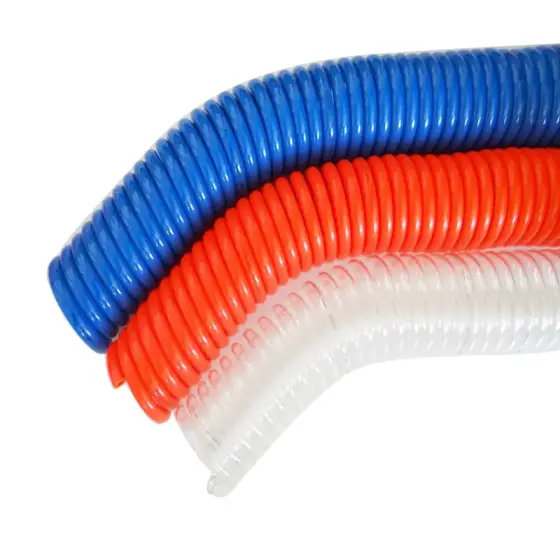
Farben wie Schwarz, Blau, Transparent, Rot, Gelb oder Grün ermöglichen die schnelle Kennzeichnung verschiedener Druckluftleitungen. Härtegrade von Shore A 85 bis 98 bieten ein optimales Verhältnis von Flexibilität und Robustheit. Da das Material für den industriellen Einsatz konzipiert ist, ist es beständig gegen Öle, viele Chemikalien und alltägliche Stöße.
Viele Anwender bestellen Sonderanfertigungen – mit spezifischen Verlängerungslängen, Spulengrößen oder speziellen Verpackungen für Montagelinien. Dadurch wird der Umstieg vereinfacht. Flexcoil PU-Schlauch in bestehende Systeme ohne große Änderungen.
Kurze Einführung in Aisili Pneumatic
Aisili Pneumatik hat sich einen Namen als professioneller Hersteller gemacht, der sich der Entwicklung und Produktion von Polyurethan-Pneumatikschläuche und verwandte pneumatische Werkstoffe. Das Unternehmen wurde 2007 gegründet. Es betreibt zwei moderne Werke in der Provinz Shandong mit fortschrittlichen Extrusionsanlagen, die Schläuche von gleichbleibend hoher Qualität herstellen.
Sie konzentrieren sich auf Lösungen für die industrielle Automatisierung, Robotik, Automobilindustrie, Verpackungsmaschinen und ähnliche anspruchsvolle Bereiche. Dank strenger Qualitätskontrolle und der Fähigkeit, kundenspezifische Aufträge abzuwickeln, erfüllt Aisili internationale Standards wie RoHS und REACH. Flexcoil PU-Schlauch zeigt, wie praktisches Design kann alltägliche Probleme am Arbeitsplatz lösen und hält gleichzeitig einer harten täglichen Beanspruchung stand.
Abschluss
Gerade pneumatische Schläuche eignen sich nach wie vor für einige feste Installationen. Sobald jedoch Bewegung ins Spiel kommt, führen sie zu Unordnung, Sicherheitsrisiken und Zeitverschwendung. Flexcoil PU-Schlauch bietet eine sauberere und intelligentere Lösung. Der automatische Rückstellmechanismus sorgt dafür, dass keine Fäden im Weg sind, reduziert den Verschleiß und erleichtert die Pflege des gesamten Bereichs.
Für Betriebe, die weniger Ausfallzeiten und mehr Sicherheit wünschen, zeigt der Umstieg schnell Wirkung. Sauberere Werkbänke, weniger Wege und eine zuverlässigere Werkzeugleistung führen zu echten Vorteilen.
Häufig gestellte Fragen
Warum eignet sich Flexcoil PU-Schlauch besser als gerader Pneumatikschlauch, um Unordnung am Arbeitsplatz zu reduzieren?
Durch sein spiralförmiges Design dehnt es sich aus, um Reichweite zu erzielen, und zieht sich dann von selbst wieder eng zusammen. Gerade Schläuche bleiben ausgebreitet und bilden Schlaufen, die im Weg sind. Flexcoil PU-SchlauchAuch eine lange Laufstrecke bleibt ordentlich, wenn man sie nicht benutzt, sodass Bänke und Böden frei bleiben.
Welche Länge kann Flexcoil PU-Schläuche aufnehmen und sich trotzdem noch sauber einziehen lassen?
Die meisten Ausführungen decken Arbeitslängen von 1 bis 20 Metern ab. Selbst bei 10 oder 15 Metern rollt sich der Schlauch kompakt zusammen, ohne dass er herumliegt. Die Einzugskraft hängt von der Größe und dem Durchmesser der Schlauchrolle ab, ist aber für den täglichen Gebrauch mit Werkzeugen gut geeignet.
Ist Flexcoil PU-Schlauch robust genug für die ständige Dehnung in stark frequentierten Geschäften?
Es ist äußerst robust. Das Polyurethan ist kratzfest, reißfest und widersteht wiederholtem Biegen. Viele Pflanzenhersteller berichten, dass diese Spiralen in stark frequentierten Bereichen deutlich länger halten als gerade Schläuche, da sie Knicke und Schleifen über den Boden vermeiden.
Kann ich Flexcoil PU-Schläuche in individuellen Größen oder Farben für meine speziellen Werkzeuge erhalten?
Ja, sie bieten zahlreiche Optionen. Aisili kann Durchmesser, Längen, Spulengrößen, Härte und Farben exakt an Ihre Druckluftwerkzeuge, Roboterzellen oder Montagestationen anpassen.
Muss ich meine vorhandenen Anschlüsse austauschen, wenn ich auf Flexcoil PU-Schläuche umsteige?
Normalerweise nicht. Es funktioniert mit handelsüblichen Steckverbindern oder Kompressionsverschraubungen, die in pneumatischen Systemen bereits weit verbreitet sind. Die meisten Anwender tauschen die Schläuche einfach aus und bemerken die Verbesserung sofort.