


How Raw Materials Affect the Air Leakage Performance of Push-to-Connect Pneumatic Fittings
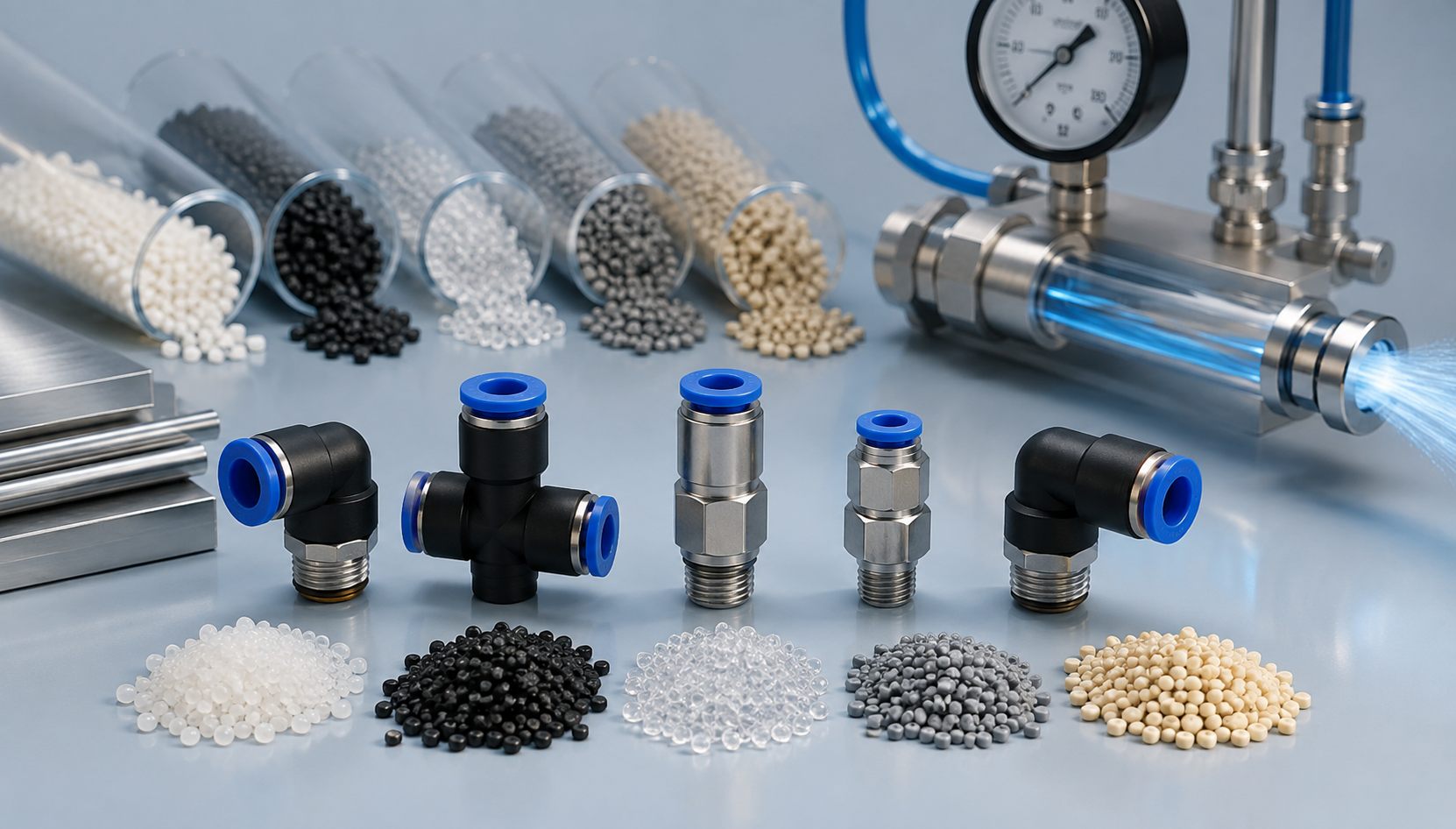
Air leakage in push-to-connect pneumatic fittings is influenced by numerous factors beyond the action of a single O-ring. Body dimensions, the ability of the gripping element to center the tube, recovery characteristics, and the seating surface are among the key variables. Changes in resin, rubber, and metal composition, tube hardness, or OD tolerances can introduce leakage even in seemingly identical assemblies. This is why raw material control is a critical concern for OEM buyers and quality managers. The interplay between fitting and hose requires closer scrutiny than is typical for threaded connections.
Which Raw Materials Have the Greatest Influence on Push-to-Connect Fitting Leakage?
A push-to-connect fitting usually comprises a polymer or metal body, a gripping collet or teeth, a release element, an elastomer seal, threaded metal elements if needed, and the connected tube of pneumatic. The O-ring generally provides the required soft connection to the tube, while the body and collet hold it in place.
Leakage can therefore begin without a visibly damaged O-ring. An oversized internal bore may reduce seal compression, an undersized or out-of-round tube may change contact, and a weak gripping mechanism can allow movement during pressure cycling. For purchasing, “good O-ring” or “high-quality plastic” is not enough. Buyers should ask which materials are used, which dimensions are critical, and whether those materials are controlled after sample approval.
The PC-Serie Messing-Steckverschraubung, gerade, außenliegend is a useful example because both the tube-side seal and threaded machine connection must be correct for the assembly to remain tight.
How Can Body Resin or Metal Change Dimensional Stability and Leakage Risk?
Polymer bodies depend on both material properties and molding control. PBT is valued in engineering applications for dimensional stability and relatively low moisture absorption, but finished geometry still depends on resin grade, processing conditions, tooling, and shrinkage control. A nominally similar resin can behave differently enough to justify requalification when dimensions around the sealing area are critical.
Metal bodies remove molding shrinkage from the equation but introduce other controls. Alloy identity, machining accuracy, thread quality, burrs, and seal-groove dimensions still matter. A rigid brass or stainless body can leak if the tube bore or thread is outside tolerance. Buyers comparing the broader Armaturen & Steckverbinder range should therefore ask how critical sealing dimensions are inspected, not only what the body is made from.
The practical lesson is that raw material and process cannot be separated. For volume orders, supplier change control matters because a material or tooling change can affect leakage even when the catalog part number stays the same.
Why Do O-Ring Compound and Tube Material Often Show Up as Leakage After Installation?
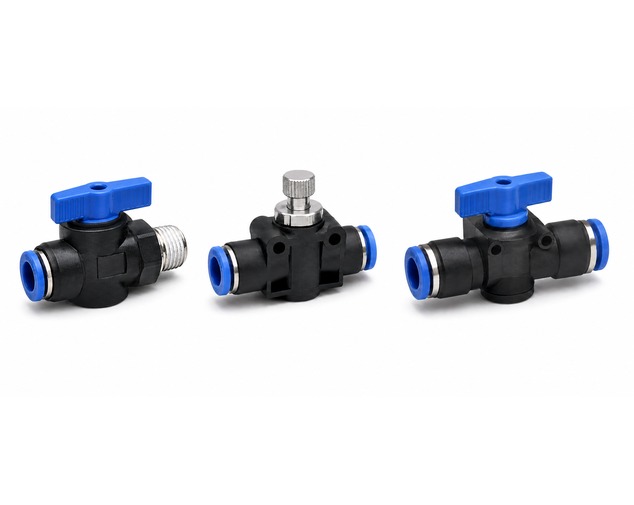
The elastomer remains compressed during service, so hardness, chemical compatibility, temperature capability, and recovery after compression all affect sealing force. Two seals described only as “NBR” may not be identical compounds; the same applies to FKM. Buyers should confirm the specified seal material against the medium, temperature, lubricant, and expected service condition.
The tube is the other sealing surface. Flexible Polyurethan-Pneumatikschläuche and stiffer nylon tubing can respond differently to the same collet and O-ring. Even within one polymer family, hardness, roundness, OD tolerance, and surface condition matter. Multi-material pneumatic tubing should therefore be qualified with the intended fitting rather than approved by nominal OD alone.
Installation can expose these differences quickly. A square tube end should be inserted fully, and scratches or ovality near the sealing area should be rejected. If leakage appears after repeated disconnection, inspect whether the gripping element is damaging the tube surface that later passes through the seal.
What Raw-Material and Process Controls Should Buyers Require From a Supplier?
A useful supplier audit connects material specifications to measurable production checks. The buyer does not need every factory detail, but the supplier should be able to explain how the approved material becomes a repeatable finished fitting.
| Control Point | What the Buyer Should Ask |
|---|---|
| Body | Material/grade and substitution policy |
| Seal | Elastomer type, hardness or compound specification |
| Gripper | Material and retention requirement |
| Tube interface | Applicable materials and OD range |
| Dimensions | Critical bore, groove and thread checks |
| Testing | Leakage pressure, duration and acceptance method |
| Traceability | Link between batch and material records |
| Change control | Notification before material or critical process changes |
Incoming material checks are useful only when tied to finished-part control. Confirming a resin grade does not replace dimensional inspection after molding, and verifying a metal alloy does not replace thread gauging after machining. Where nylon is part of the assembly, the guide on pressure leaks in Nylon 12 pneumatic tubing can help separate fitting problems from tube damage, routing, and installation issues.
How Should Leakage Testing and Material Change Control Be Written Into the Purchase Specification?
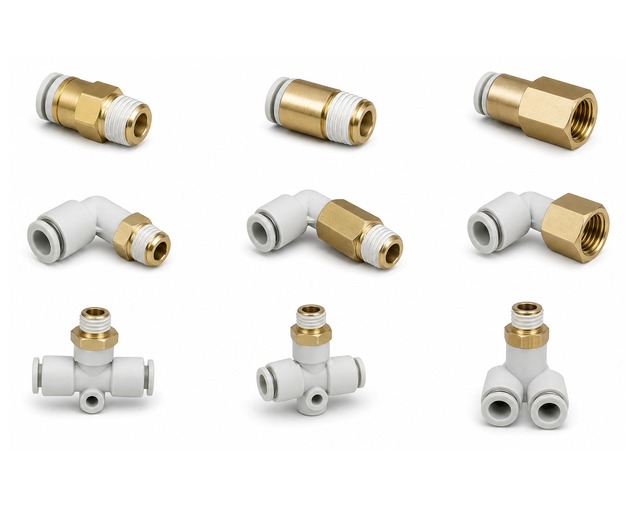
“Leak-free” is not a measurable purchase requirement unless the test method is defined. A qualification plan should state the test medium, pressure, stabilization time, duration, tube specification, sample quantity, temperature if relevant, and acceptance criterion. The test should use the same tube material and OD planned for production because changing the tube can change the sealing condition.
For repeat orders, the purchase specification should also identify which changes require buyer notification. Body resin grade, elastomer compound, metal alloy, gripping component, or tooling that controls the sealing bore may justify requalification. Not every change means the product will fail; the point is to keep the approved configuration visible to the buyer.
A useful supplier proposal therefore combines material definition, dimensional control, leakage testing, and change management. That gives procurement a fair basis for comparing quotations and gives quality teams specific checks for incoming production batches.
How Can a Pneumatic Tubing and Fittings Supplier Support Material-Controlled Projects?
Yantai Aisili neue Material Co., Ltd. manufactures polyurethane pneumatic tubing and related pneumatic materials and supplies fittings for industrial pneumatic systems. Its company information describes two manufacturing facilities in Shandong, seven extrusion production lines, and OEM support for tubing dimensions, colors, hardness, and performance requirements.For projects where performance characteristics such as leakage are of concern, buyers can specify the actual material of the tube, the OD, plus any relevant factors such as hardness where applicable, fitting configurations, threads; operating pressure; temperatures; testing, quantities, and documentation requirements pertinent to the sampling process. By analyzing these inputs, engineering, purchasing, and quality organizations can better evaluate the proposed tube-and-fitting combination, facilitating approval of subsequent releases.
Abschluss
Raw materials affect push-to-connect pneumatic fitting leakage because each material controls part of the sealing system. The body holds geometry, the seal maintains contact, the gripping element controls tube position, and the tube provides the sealing surface. Buyers should therefore qualify material grades, critical dimensions, tube compatibility, leakage testing, and change control together. A repeatable fitting is not defined by one “premium” material claim, but by a controlled combination of materials, processes, and measurable acceptance criteria.
Häufig gestellte Fragen
1. Can a different plastic resin grade increase leakage in push-to-connect fittings?
Yes. A resin change can alter shrinkage, stiffness, moisture behavior, or finished dimensions. If critical sealing dimensions move outside the approved range, leakage risk can change even when the fitting looks unchanged.
2. Is NBR or FKM always better for a pneumatic fitting O-ring?
Neither is universally better. The correct seal depends on temperature, medium, lubricant, chemical exposure, pressure, and service life. Buyers should compare the specified compound against the actual application before approval.
3. Can the tubing cause leakage even when the fitting passes inspection?
Yes. Tube OD, roundness, hardness, scratches, and material all affect the sealing interface. The fitting should be tested with the actual production tube rather than an unspecified sample of the same nominal size.
4. What should a buyer include in a pneumatic fitting leakage test?
Define the test medium, pressure, stabilization time, duration, tube specification, sample quantity, temperature when relevant, and acceptance criterion. These details make supplier results comparable and reduce disagreement during incoming inspection.
5. Which material changes should trigger supplier notification or requalification?
Changes to body resin, seal compound, metal alloy, gripping components, or processes controlling critical sealing dimensions may justify notification. The purchase specification should identify which changes require review before the revised fitting is shipped.