


Leitfaden für Ingenieure zur Auswahl flammhemmender Druckluftschläuche
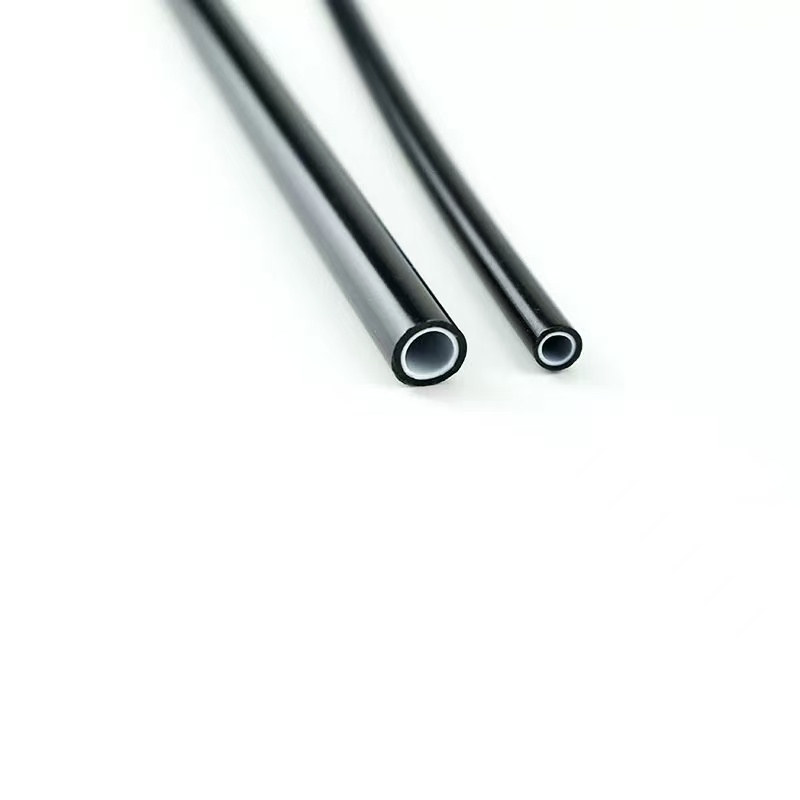
In geschäftigen Fabriken und automatisierten Produktionslinien kann ein einziger Funke schnell zu ernsthaften Problemen führen. Ingenieure, die mit pneumatischen Systemen arbeiten, erleben dies täglich. Liegt ein Schlauch zu nah an einem Schweißroboter oder einer Heißsiegelmaschine, kommt es plötzlich zu Leckagen, Druckverlust oder Sicherheitsrisiken. Genau deshalb ist die Wahl des richtigen Systems so wichtig. Funkenfreier PU-Schlauch Das macht einen riesigen Unterschied.
Flammhemmende Druckluftschläuche sind weit mehr als nur ein Eintrag im Datenblatt. Sie bilden ein zuverlässiges Sicherheitsnetz, das den reibungslosen Betrieb gewährleistet und sowohl Maschinen als auch Personen schützt. Dieser Leitfaden behandelt die wichtigsten Kriterien, die Ingenieure bei der Auswahl dieser Schläuche berücksichtigen: Härte, Temperaturgrenzen, Chemikalienbeständigkeit, Zertifizierungsstufen und ihre Leistung im praktischen Einsatz. Sie erhalten klare Anleitungen für fundierte und langlebige Entscheidungen in Ihrer Produktionshalle.
Warum Flammbeständigkeit in pneumatischen Anwendungen wichtig ist
Pneumatikschläuche verlaufen oft durch Bereiche mit hoher Zündgefahr. Beispiele hierfür sind Schweißroboter, Heißsiegelstationen, Lackieranlagen oder Metallpressen. Herkömmliche Polyurethanschläuche können unter diesen Bedingungen schmelzen oder Feuer fangen. Die Folge: Luftlecks, Druckabfall und potenzielle Brände.
Funkenfreier PU-Schlauch Dieses Produkt begegnet dieser Herausforderung direkt. Seine spezielle Mischung verlangsamt die Flammenausbreitung und verhindert Funkenbildung. Im täglichen Einsatz bedeutet dies weniger plötzliche Stillstände und längere Wartungsintervalle. Betriebe, die umgestellt haben, verzeichnen häufig eine bessere Sicherheitsbilanz und reibungslosere Inspektionen.
Das Kernmaterial verstehen: Modifiziertes Polyurethan für Funkenbeständigkeit
Funkenfreie PU-Schläuche werden üblicherweise aus hochfestem Polyurethan hergestellt. Die Hersteller fügen dem Mischprozess dann flammhemmende Elemente hinzu. Das Ergebnis ist ein Schlauch, der so flexibel und robust wie normales PU bleibt, aber zusätzlich eine extra Sicherheitsschicht bietet.
Es behält den benötigten Biegeradius bei und ist knickfest. Gleichzeitig hält es dem Druck in Druckluftsystemen stand. Viele Betriebe verwenden es in der Nähe von Schweißbereichen, da es einfach haltbarer ist als herkömmliche Schläuche.
Wichtige Auswahlkriterien für flammhemmende Druckluftschläuche
Die Wahl des richtigen Rohrs erfordert die Berücksichtigung verschiedener praktischer Anforderungen. Erfahrene Ingenieure achten dabei vor allem auf Folgendes.
Härte (Durometer) Die Härte beeinflusst das Verhalten des Schlauchs gegenüber Druck, Biegung und Verschleiß. Funkenfreie PU-Schläuche sind häufig mit einer Shore-A-Härte von 95 bis 98 erhältlich. Dieser Bereich bietet eine hohe Berstfestigkeit und Formstabilität unter gleichmäßigem Druck.
Nehmen wir beispielsweise eine Automobilmontagelinie. Ein Rohr mit einer Shore-A-Härte von 95 biegt sich in der Nähe von sich bewegenden Robotern wiederholt durch, ohne sich abzuflachen oder durchzuhängen. Weichere Rohre fühlen sich anfangs angenehmer an, verschleißen aber in Umgebungen mit starken Vibrationen schneller. Die Härte sollte immer an die tatsächlichen Druck- und Vibrationsbelastungen angepasst sein.
Temperaturbereich In Fabriken herrscht selten eine perfekte Raumtemperatur. Sie benötigen Schläuche, die unter den realen Bedingungen zuverlässig funktionieren. Viele funkenfreie Schläuche sind für Temperaturen von -15 °C bis 60 °C und mehr geeignet, ohne in kalten Bereichen spröde zu werden oder in der Nähe von Hitze zu weich zu werden.
Ein Verpackungsbetrieb betrieb seine Heißsiegelgeräte bei etwa 50–55 °C. Die alten Schläuche begannen bereits nach wenigen Monaten zu lecken. Nach dem Wechsel zu einer gut bewerteten, flammhemmenden Alternative sank der Bedarf an Ersatzteilen deutlich.
Chemische und Umweltbeständigkeit Manchmal kommen Schläuche mit Ölen, Kühlmitteln, Lösungsmitteln oder Metallstaub in Kontakt. Hochwertige PU-Schläuche mit Funkenschutz sind beständig gegen Aufquellen und Reißen durch diese Substanzen. Etherbasierte Schläuche eignen sich in feuchten Umgebungen in der Regel besser, während Esterschläuche in manchen Fällen ölbeständiger sind.
Flammschutzleistung Die Angaben zur Flammbeständigkeit variieren stark. Prüfen Sie, wie sich das Material in Tests verhält – langsames Brennen, Selbstverlöschen und geringe Tropfbildung. Funkenhemmende PU-Schläuche sind für kurzzeitige Funkenexposition und nicht für dauerhafte Flammen ausgelegt und eignen sich daher für die meisten Automatisierungsanwendungen.
Druckfestigkeit und Größenbereich Gängige Außendurchmesser liegen zwischen 4 mm und 16 mm. Der Betriebsdruck ist häufig für Standard-Druckluftsysteme bis zu 10 bar oder höher bei Raumtemperatur geeignet. Beachten Sie stets die Berstdruckwerte und planen Sie eine Sicherheitsreserve für Ihre täglichen Zyklen ein.
Hier ist eine einfache Vergleichstabelle typischer Punkte:
|
Faktor |
Typischer Antifunken-PU-Schlauch |
Warum das wichtig ist |
|
Härte |
Shore A 95–98 |
Stärkerer Druckhalt, weniger Durchhängen |
|
Temperaturbereich |
-15 °C bis 60 °C+ |
Vermeidet Rissbildung und Erweichung |
|
Flammenverhalten |
Funkenbeständig, langsam ausbreitend |
Sicherer in der Nähe von Schweißarbeiten oder Hitze |
|
OD-Größenbereich |
4 mm – 16 mm |
Passt auf die meisten gängigen Anschlüsse. |
|
Chemische Beständigkeit |
Gut vs. Öle & Lösungsmittel |
Hält länger in unordentlichen Bereichen |
Installations- und Anwendungstipps aus der Praxis
Erfahrene Installateure haben einige bewährte Vorgehensweisen. Sie stützen lange Leitungsabschnitte alle 300–500 mm ab, um ein Durchhängen der Rohre zu verhindern. Biegungen sollten mindestens das Drei- bis Vierfache des Außendurchmessers betragen, um Knicke zu vermeiden. Farbkennzeichnungen sind ebenfalls hilfreich – viele Teams wählen leuchtendes Orange oder Rot für diese Leitungen, damit die Monteure sie bei Kontrollen schnell erkennen.
In Roboterzellen lassen sich funkenfreie Schläuche mit Schnellkupplungen kombinieren, um bei Produktwechseln einen schnellen Austausch zu ermöglichen. An beweglichen Portalen mit Druckluftwerkzeugen sorgt die Flexibilität in Verbindung mit der Flammbeständigkeit für einen stabilen Betrieb auch über lange Schichten.
Erwähnung ergänzender Produkte: Flexcoil PU-Schläuche
Bei Aufbauten mit viel Bewegung oder beengten Platzverhältnissen empfiehlt sich die Kombination von funkenfreien geraden Rohren mit Flexcoil PU-SchlauchDiese aufgerollte Version besteht aus hochwertigem Ether- oder Ester-Polyurethan. Sie rollt sich automatisch auf, verhindert Verwicklungen und sorgt für einen aufgeräumten Arbeitsbereich. Sie ist in verschiedenen Härtegraden von Shore A 85–98 und Längen von 3 m bis 15 m erhältlich. Dadurch eignet sie sich hervorragend für dynamische Einsatzbereiche in Kombination mit feuerfesten Leinen.
Ein vertrauenswürdiger Hersteller von Polyurethan-Pneumatikschläuchen
.jpg)
Aisili Pneumatik arbeitet als spezialisierter Hersteller, der sich auf die Entwicklung und Produktion konzentriert. Polyurethan-Pneumatikschläuche plus zugehörige Materialien. Das Unternehmen wurde 2007 in Yantai, Provinz Shandong, gegründet. Mit über 17 Jahren Erfahrung betreibt es zwei moderne Werke mit fortschrittlichen Extrusionsanlagen. Die Qualität wird vom Rohmaterial bis zur Endkontrolle strengstens überwacht.
Das Team kennt sich mit individuellen Anpassungen bestens aus. Sie kümmern sich darum. OEM- und ODM-Arbeit Für spezifische Anforderungen an Härte, Größe, Farbe oder Leistung bietet Aisili zuverlässige Lieferzeiten – egal ob Sie kleine oder große Mengen bestellen. Die Schläuche von Aisili werden in über 30 Ländern eingesetzt und decken Branchen von der Automobilmontage über Verpackung bis hin zur Automatisierung ab. Aisili erfüllt wichtige globale Standards wie EU RoHS, REACH SVHC, FDA und PFAS. Ingenieure können sich so auf Sicherheit und Konformität verlassen.
Abschluss
Die Auswahl der richtigen flammhemmenden Druckluftschläuche hängt davon ab, die Materialeigenschaften an die jeweiligen Einsatzbedingungen anzupassen. Härte, Temperaturbeständigkeit, Chemikalienbeständigkeit und Flammschutz sollten sorgfältig abgewogen werden. So minimieren Sie Risiken und verlängern die Lebensdauer Ihres Systems, ohne unnötig hohe Kosten für überdimensionierte Spezifikationen zu verursachen.
Funkenfreier PU-Schlauch Es bietet ein optimales Gleichgewicht zwischen Sicherheit und normalem täglichen Gebrauch. Viele Betriebe setzen es mittlerweile in risikoreicheren Bereichen standardmäßig ein. Wenn man mit einem Hersteller zusammenarbeitet, der diese Details versteht und gleichbleibende Qualität liefert, wird die Entscheidung deutlich einfacher.
Häufig gestellte Fragen
Was genau ist ein PU-Schlauch mit Funkenschutzbeschichtung und wo wird er am häufigsten eingesetzt?
Funkenhemmende PU-Schläuche sind spezielle Polyurethanschläuche, die Funkenbildung verhindern und die Flammenausbreitung verlangsamen. Man findet sie in der Nähe von Schweißstationen, Heißsiegelmaschinen, Roboterzellen und anderen Bereichen mit Zündgefahr in automatisierten Anlagen.
Wie beeinflusst die Härte von Antifunken-PU-Schläuchen deren Funktionsweise?
Eine höhere Härte, beispielsweise Shore A 95–98, sorgt für bessere Druckfestigkeit und verhindert das Durchhängen des Rohrs. Dies ist besonders vorteilhaft bei langen Strecken oder an Orten mit starken Vibrationen.
Sind PU-Schläuche mit Funkenschutz gegen Öle und Lösungsmittel beständig?
Ja, Feststofffilter eignen sich gut für viele Industrieöle, Kühlmittel und Reinigungsmittel. Um die maximale Lebensdauer zu gewährleisten, sollten Sie jedoch die genauen Flüssigkeiten in Ihrer Anlage überprüfen.
Welchen Temperaturbereich kann ich bei flammhemmenden Druckluftschläuchen erwarten?
Die meisten Antifunken-Glühlampen funktionieren einwandfrei von -15 °C bis 60 °C oder etwas darüber. Das deckt die meisten werkseitigen Einstellungen in Innenräumen ab und verhindert, dass die Glühlampe in kühleren Bereichen spröde oder bei mittleren Temperaturen zu weich wird.
Stellt Aisili Pneumatic kundenspezifische Versionen von funkenfreien PU-Schläuchen her?
Ja, das tun sie. Aisili bietet maßgeschneiderte Lösungen hinsichtlich Größe, Farbe, Härte und Verpackung für Ihr Projekt. Dank ihrer langjährigen Erfahrung mit Polyurethan-Pneumatikschläuchen können sie Kunden weltweit bedienen.