


Aumente la eficiencia de la instalación utilizando tuberías neumáticas ligeras.
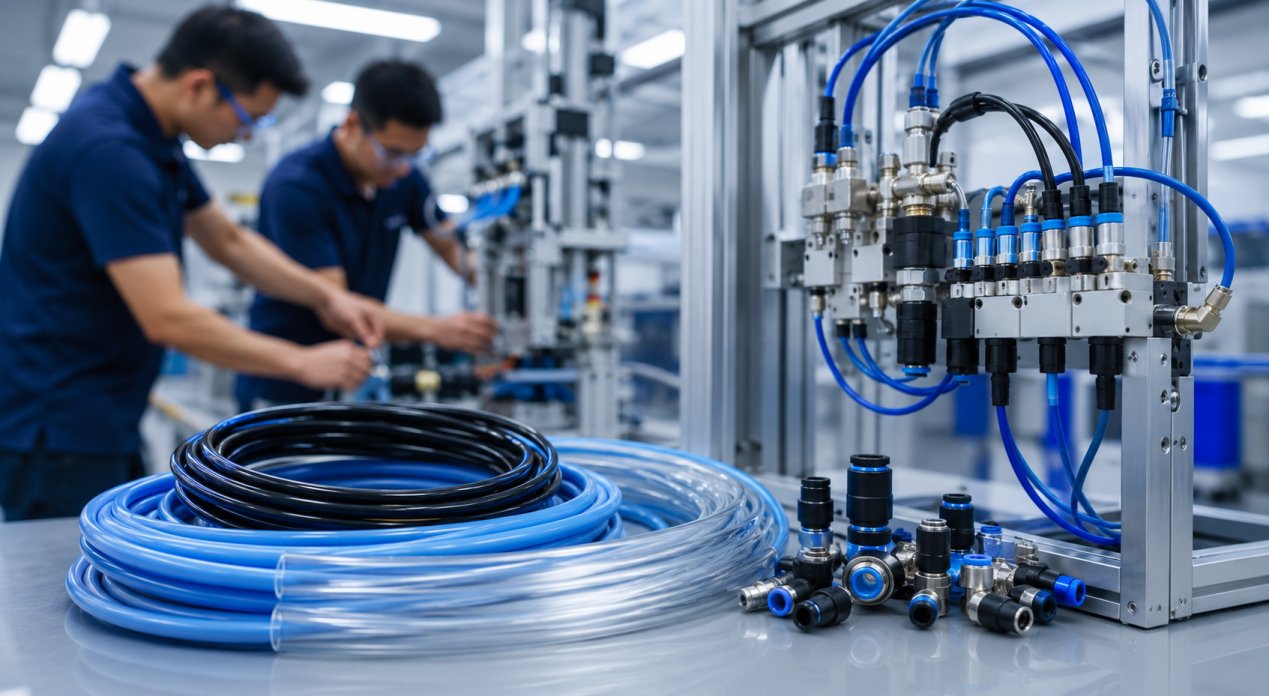
Ligero tuberías neumáticas Desempeña un papel fundamental en las configuraciones de automatización industrial actuales. Ofrece una buena combinación de funcionalidad, ahorro y facilidad de instalación. En las fábricas de hoy, donde la rapidez y la precisión son cruciales, reducir el peso de las tuberías ayuda a aumentar la productividad. Los componentes más ligeros facilitan la instalación al disminuir el esfuerzo manual y permitir una colocación más rápida en áreas de difícil acceso de la máquina. Además, un menor peso reduce el esfuerzo físico de los trabajadores y elimina la necesidad de grandes piezas de soporte. Esto se traduce en un ahorro real de dinero. Las siguientes secciones analizan cómo la selección de materiales, la planificación inteligente y las nuevas tecnologías se combinan para lograr grandes mejoras en el tiempo de trabajo de los operarios en las configuraciones de sistemas neumáticos.
¿Cómo reduce la mano de obra de instalación el uso de tuberías neumáticas ligeras?
El cambio de las antiguas tuberías pesadas a las ligeras tuberías neumáticas modifica la forma en que los trabajadores realizan las tareas de instalación. Este cambio hace que todo el proceso sea más fluido y menos agotador.
El papel de la reducción de peso en la eficiencia de la instalación
Reducir el peso de los tubos facilita enormemente la instalación. Los tubos neumáticos ligeros son fáciles de manejar al colocarlos en espacios reducidos o en zonas elevadas donde el movimiento es complicado. Los trabajadores terminan las tareas más rápido, ya que los tubos ligeros generan menos esfuerzo físico. Además, requieren menos ajustes al alinear las piezas. Un menor peso también significa que no se depende tanto de soportes o abrazaderas robustas. Esto simplifica y agiliza la compra y el montaje de los materiales. En definitiva, los equipos finalizan los proyectos en menos tiempo, manteniendo la misma alta calidad.
Comparación entre instalaciones de tuberías tradicionales y ligeras
Al observar tubos de metal o plástico grueso antiguos junto a nuevas opciones de iluminación, se aprecian claras diferencias en las necesidades de los trabajadores. Los materiales antiguos generalmente requieren más de una persona para sujetarlos y alinearlos. Esto se debe a su rigidez y construcción pesada. Pero los materiales ligeros... tubos neumáticos multimateriales Se pueden recortar y moldear con facilidad utilizando herramientas básicas. No se necesita equipo especial. Estos tubos se doblan fácilmente, por lo que adaptarlos a las piezas de la máquina es sencillo. Esto reduce la cantidad de uniones necesarias para los giros. Como resultado, se reducen los pasos de preparación. Los proyectos requieren menos tiempo y los costos de mano de obra disminuyen.
¿Qué factores influyen en el ahorro de mano de obra al utilizar tuberías neumáticas multimateriales?
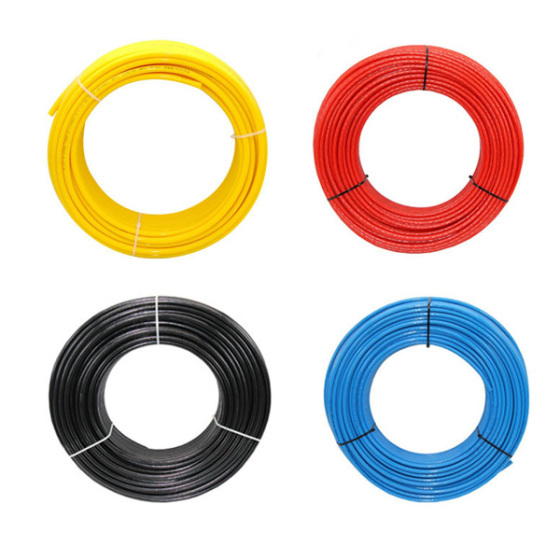
El ahorro de tiempo de trabajo que se consigue con tuberías neumáticas ligeras depende de varios factores interrelacionados. Entre ellos se incluyen la fabricación de los materiales, un diseño inteligente y su compatibilidad con los sistemas existentes. Comprender estos factores permite tener una visión completa.
Composición de materiales y diseño estructural
Los tubos neumáticos multimateriales utilizan polímeros mixtos. Combinan flexibilidad con una construcción robusta. Estas ingeniosas mezclas prescinden de capas de refuerzo adicionales, manteniendo el tubo sólido bajo diferentes niveles de presión. Su superficie interior lisa reduce la resistencia al flujo de aire en los conductos, lo que garantiza un buen flujo de energía sin sacrificar la ligereza. Las mejores opciones de curvatura en estos diseños permiten conductos estrechos que ahorran espacio y reducen el esfuerzo del operario al ajustar la disposición.
Compatibilidad con sistemas neumáticos existentes
La compatibilidad es un factor clave para la velocidad de trabajo. Los tubos neumáticos multimateriales están diseñados para conectarse fácilmente con las uniones comunes en las configuraciones de automatización actuales. Esta compatibilidad simplifica el proceso de actualización o ampliación. Los operarios pueden seguir utilizando los conectores antiguos sin grandes modificaciones. Además, su diseño interno uniforme contribuye a un flujo de aire constante, incluso en configuraciones sencillas, lo que permite montajes rápidos. Al adaptar los nuevos tubos a las reglas del sistema anterior, las empresas ahorran en la configuración inicial y garantizan un funcionamiento fiable a largo plazo.
¿Cómo puede la planificación de la instalación maximizar la eficiencia laboral?
Una buena planificación aprovecha las ventajas de los tubos neumáticos ligeros. Utiliza métodos paso a paso y personal capacitado para obtener el máximo rendimiento. De esta forma, los beneficios se multiplican.
Soluciones de tuberías precortadas y modulares
Las piezas prefabricadas reducen el tiempo de recorte en obra y los errores de medición. Estos errores suelen retrasar los procesos o generar desperdicio de material. Las configuraciones modulares con piezas estándar agilizan el ensamblaje, permitiendo a los operarios conectar rápidamente las secciones prefabricadas. Esto no solo acelera la configuración inicial, sino que también facilita las adiciones o correcciones posteriores. El almacenamiento inteligente de piezas prefabricadas mejora la colaboración entre equipos en múltiples obras, lo que garantiza una producción constante en grandes proyectos de automatización.
Capacitación y optimización de herramientas para técnicos
La capacitación es clave para aprovechar al máximo los materiales neumáticos flexibles. Los operarios cualificados saben cómo utilizar la flexibilidad de los tubos de luz, evitando tensiones excesivas en las uniones o sellos débiles. Las herramientas diseñadas para trabajar fácilmente con plásticos blandos previenen lesiones durante el recorte o la unión, y además mejoran la precisión. Los pasos de configuración establecidos durante la capacitación ayudan a los equipos a mantener la uniformidad en todos los centros de trabajo, lo que se traduce en resultados consistentes y una mayor velocidad general.
¿Por qué son importantes el mantenimiento y el rendimiento a largo plazo en el análisis de costes laborales?
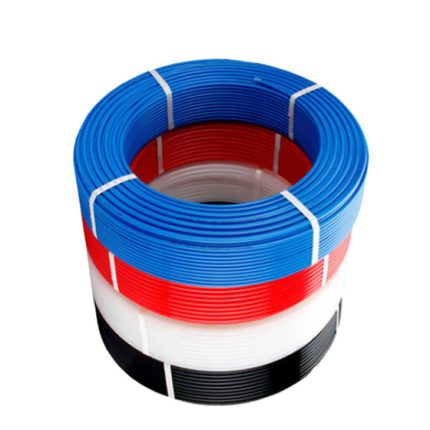
El ahorro inicial en la configuración es considerable, pero el funcionamiento a largo plazo afecta a los costes laborales totales durante la vida útil del sistema. Una visión general muestra por qué estos aspectos son tan importantes.
Reducción de la frecuencia de mantenimiento mediante la innovación en materiales.
Nuevos materiales en tubos neumáticos ligeros modernos Resisten mejor la corrosión, el desgaste y los daños químicos que las opciones antiguas. Estas características prolongan su vida útil al reducir las interrupciones por reparaciones causadas por daños o factores externos. Las superficies internas lisas evitan la acumulación de suciedad que podría obstruir el paso del aire o requerir limpiezas frecuentes. Por lo tanto, menos visitas de reparación significan menos tiempo de inactividad y menores costos laborales totales a largo plazo.
Evaluación del costo total de propiedad más allá de la mano de obra de instalación.
Un análisis completo de costos debe abarcar tanto las ventajas de una rápida puesta en marcha como los beneficios de un funcionamiento continuo. Los diseños que ahorran energía al reducir las caídas de presión ayudan a disminuir el consumo eléctrico en el trabajo en curso. Al combinarse con tiempos de inspección más prolongados para materiales difíciles, esto se traduce en grandes ahorros que superan los costos iniciales de mano de obra. Esta visión integral muestra cómo los diseños ligeros contribuyen a un uso eficiente de los recursos en la fábrica mediante una planificación inteligente.
¿Quién es Yantai Aisili New Material Co., Ltd.?
Yantai Aisili Nuevo Material Co., Ltd. Yantai Aisili New Material Co., Ltd. se destaca como un proveedor sólido especializado en soluciones avanzadas de tuberías neumáticas multimateriales para la automatización industrial a nivel mundial. Ofrece una amplia gama de productos diseñados para ofrecer resistencia, flexibilidad y fácil instalación, adaptándose a diversos entornos de trabajo. Gracias a una inversión constante en investigación y control de calidad, Yantai Aisili New Material Co., Ltd. garantiza que sus productos cumplan con las normativas internacionales. Su impulso por la innovación ayuda a los compradores de todo el mundo a reducir significativamente los costos laborales. Además, refuerza la confianza en los sistemas mediante soluciones neumáticas optimizadas.
Conclusión
El uso de tuberías neumáticas ligeras es una decisión inteligente para quienes buscan una rápida automatización sin sacrificar la funcionalidad. Reduce las dificultades de manipulación y simplifica las uniones, lo que se traduce en tiempos de montaje más cortos y menos necesidad de estructuras en las fases iniciales. La construcción multimaterial mejora la compatibilidad con diferentes sistemas y mantiene la resistencia en entornos exigentes. Esto garantiza una rápida puesta en marcha y una inversión rentable a lo largo de los años. Con una planificación cuidadosa y el respaldo de proveedores innovadores como Yantai Aisili New Material Co., Ltd., los fabricantes pueden reducir significativamente el tiempo de preparación de los operarios y, además, generar confianza a largo plazo en sus sistemas neumáticos.
Preguntas frecuentes
¿Cuál es la principal ventaja de utilizar tubos neumáticos ligeros?
Los tubos neumáticos ligeros reducen el esfuerzo manual en las tareas de configuración. Permiten tiempos de montaje más rápidos a la vez que mantienen altos niveles de funcionalidad en los sistemas de automatización.
¿Cómo mejora la construcción multimaterial el rendimiento de los tubos neumáticos?
La construcción multimaterial combina polímeros flexibles pero resistentes. Esto proporciona una mayor resistencia al desgaste y estabilidad química. La combinación da como resultado tubos robustos y fáciles de instalar, aptos para diversos entornos industriales.
¿Se pueden utilizar tubos neumáticos ligeros en aplicaciones de alta presión?
Sí, muchos diseños actuales están hechos para soportar presiones medias a altas de forma segura. Utilice uniones compatibles y métodos de construcción adecuados para mantener la resistencia del sellado bajo tensión.