


Las 5 principales causas de fallas en los tubos neumáticos y cómo los tubos de nylon 6 las previenen.
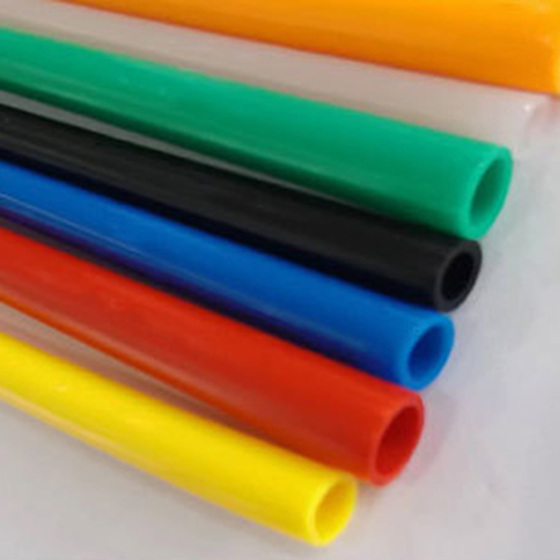
Los sistemas neumáticos mantienen las fábricas funcionando sin problemas. Impulsan los robots y hacen avanzar las líneas de montaje hora tras hora. Pero cuando falla una tubería, toda la operación se detiene en seco. El tiempo de inactividad se acumula rápidamente. Los costos de reparación aumentan más de lo previsto. En las plantas con mucha actividad, estas averías ocurren con más frecuencia de la que la mayoría de los operarios quisieran admitir.
Los equipos de mantenimiento se topan con los mismos problemas una y otra vez. Los tubos se agrietan. Empiezan a tener fugas. A veces se rompen cuando el trabajo debería haber sido fácil. Lo alentador es que la mayoría de estos problemas se reducen a cinco causas principales. Elegir el material adecuado, como Tubos de nailon 6, pueden prevenir muchos de ellos antes de que se conviertan en grandes problemas.
En Aisili Pneumatic, hemos ayudado a muchos clientes a solucionar estos problemas eligiendo materiales más inteligentes. Analicemos las principales causas una por una y veamos cómo los tubos de nailon 6 resisten donde otros empiezan a fallar.
Selección de material incorrecta para la aplicación
Algunas personas eligen los tubos basándose en el precio más bajo o porque es lo que siempre han usado. Esa elección puede generar serios problemas a largo plazo. Un tubo de poliuretano blando podría funcionar bien dentro de una línea de empaquetado limpia. Pero si ese mismo tubo se traslada a una planta automotriz con fuertes vibraciones, salpicaduras de aceite y picos de presión repentinos, no durará mucho.
Consideremos como ejemplo un taller en el Medio Oeste. En sus estaciones de soldadura robótica, cambiaban los tubos cada seis meses. Al principio, los tubos se flexionaban bien, pero pronto aparecieron pequeñas grietas debido a la constante flexión bajo carga. Tras cambiar a un material más resistente, la frecuencia de reemplazo disminuyó considerablemente.
Tubos de nailon 6 Se adapta perfectamente a las condiciones más exigentes. Está fabricado con gránulos de poliamida 6 de alta calidad mediante un cuidadoso proceso de extrusión. El resultado es una sólida resistencia mecánica y una gran rigidez. Soporta altas presiones y cargas pesadas mejor que muchas otras opciones. Con una dureza Shore D de entre 70 y 80, y presiones de trabajo que pueden alcanzar los 55 bares en diámetros pequeños, ofrece la confianza necesaria para afrontar los trabajos más intensos.
Además, soporta un amplio rango de temperaturas, desde -40 °C hasta +100 °C. Esto significa que se mantiene en buen estado en zonas de almacenamiento frías o cerca de fuentes de calor, sin volverse quebradizo ni demasiado blando.
Descomposición por rayos UV y condiciones climáticas en entornos exteriores o expuestos.
A primera vista, la luz solar parece inofensiva. Sin embargo, con el tiempo, los rayos UV corroen muchos plásticos. Los tubos que se dejan al aire libre o cerca de ventanas con mucha luz empiezan a amarillear. Pierden flexibilidad y se agrietan con el tiempo. Si a esto le sumamos cambios de temperatura, lluvia o polvo constante, el desgaste se acelera aún más.
Los operarios de maquinaria de construcción se enfrentan a este problema constantemente. Los tubos instalados en las máquinas móviles suelen fallar tras una temporada de uso intensivo. El material simplemente no está diseñado para soportar ese tipo de desgaste constante.
Tubos de nailon 6 Ofrece un mejor rendimiento en estas condiciones de exposición. Sus propiedades integradas resisten mejor los daños causados por la intemperie que los tubos flexibles estándar. Si bien ningún tubo dura para siempre bajo la luz solar directa, la combinación de resistencia y durabilidad permite que siga funcionando durante más tiempo si se instala con cuidado y se le añade un blindaje básico.
Muchos equipos colocan cubiertas sencillas o alejan las pistas de la luz solar directa. Ese paso adicional prolonga la vida útil del equipo.
Ataque químico por aceites, disolventes y fluidos de proceso
Los suelos de las fábricas suelen estar sucios. La neblina de aceite se eleva desde los compresores. Se producen pequeñas fugas hidráulicas. Los disolventes de limpieza salpican y el refrigerante entra en contacto con las tuberías en cada turno. Algunos materiales se hinchan, se ablandan o se agrietan bajo esta exposición. Otros conservan su forma, pero pierden resistencia a la presión tras varios meses.
Consideremos una planta procesadora de alimentos. Sus tuberías se deterioraron rápidamente cerca de las zonas de lavado. El contacto constante con limpiadores alcalinos suaves provocó pequeñas fugas y generó preocupaciones por la contaminación.
Tubos de nailon 6 Ofrece una buena resistencia química. Soporta aire, agua, aceites y una gran variedad de productos químicos comunes sin degradarse rápidamente. Esto lo convierte en una opción fiable para líneas de fluidos hidráulicos, sistemas de combustible y frenos de automóviles, y equipos industriales de uso diario donde el contacto con fluidos es habitual.
El material base proviene de gránulos de PA6 de alta calidad. Esto le confiere una ventaja en entornos sucios donde los tubos más blandos requieren cambios frecuentes.
Abrasión y desgaste por roce o contacto
Las vibraciones, los movimientos repetitivos y el roce con bordes metálicos afilados desgastan los tubos más rápido de lo esperado. Notarás zonas planas, paredes más delgadas o incluso agujeros donde la tubería roza con marcos u otras mangueras.
Los equipos de embalaje de alta velocidad o los sistemas de transporte suelen generar este problema. Los tubos se deslizan sobre protectores metálicos y sufren fricción constante. Desde la distancia, la línea puede parecer en buen estado. Pero una vez que la pared se adelgaza demasiado, la falla se produce sin previo aviso.
Tubos de nailon 6 Destaca notablemente en este aspecto. Ofrece una excelente resistencia al desgaste y una gran resistencia a la abrasión. Su dureza natural soporta el contacto repetido que dañaría rápidamente tubos más blandos. Además, su rigidez le permite mantener su forma en lugar de aplanarse en los puntos de contacto.
Los operarios que trabajan en planta suelen informar de tiempos de funcionamiento más prolongados tras cambiar a Nylon 6 en zonas de mucho roce.
Estrés durante la instalación y enrutamiento inadecuado
Incluso los tubos de alta calidad pueden fallar si la instalación no se realiza correctamente. Las curvas con un radio mayor al sugerido generan puntos de tensión. Se forman dobleces cerca de las conexiones. Las abrazaderas demasiado apretadas o las tuberías estiradas durante el montaje reducen rápidamente su vida útil.
Una historia común es la siguiente: Llega el equipo nuevo. Los instaladores se apresuran para cumplir con los plazos. Un par de tubos se atascan en rincones estrechos. Seis meses después, aparecen fugas precisamente en esos puntos de presión.
Tubos de nailon 6 Ayuda a prevenir ese tipo de problemas. Ofrece la flexibilidad necesaria para un enrutamiento normal, manteniendo la rigidez que evita las torceduras permanentes. Los fabricantes proporcionan radios de curvatura específicos para cada tamaño. Un tubo de 6 mm de diámetro exterior, por ejemplo, podría necesitar un radio de al menos 45 mm, dependiendo del grosor de la pared. Siga estas indicaciones y utilice las abrazaderas adecuadas. De esta forma, se evitarán la mayoría de los problemas de instalación.
La resistencia mecánica del material también permite realizar pequeños ajustes durante la instalación sin que se agriete.
Comparación rápida de los modos de fallo y las ventajas del nylon 6.
Aquí tienes un resumen sencillo:
-
Selección de material incorrecta → Su alta resistencia mecánica y rigidez permiten soportar presiones y cargas.
-
Desglose por rayos UV/condiciones climáticas → Mayor durabilidad frente a la exposición a la intemperie.
-
Ataque químico → Buena resistencia a aceites, agua y muchos productos químicos.
-
Abrasión/Desgaste → Excelente resistencia al desgaste y a la abrasión.
-
Tensión de instalación → Equilibrio sólido entre flexibilidad y construcción robusta para un enrutamiento limpio.
Estas cualidades se derivan directamente del cuidadoso proceso de extrusión con resina de nailon 6 de alta calidad. Se obtiene un rendimiento constante en diámetros exteriores de 4 mm a 16 mm.
Por qué la elección de los materiales importa más de lo que crees
El tiempo de inactividad en una sola línea puede costar miles de dólares por hora. Si se extiende a turnos completos, las cifras aumentan rápidamente. Los equipos que utilizan materiales más resistentes, como los tubos de nailon 6, suelen tener menos problemas inesperados. Disfrutan de horarios más estables y operaciones diarias más fluidas.
No siempre se trata de comprar el tubo más caro disponible. El verdadero truco está en elegir el tubo adecuado para las tensiones reales a las que estará sometido en cada cambio de marcha.
Acerca de Aisili Pneumatic
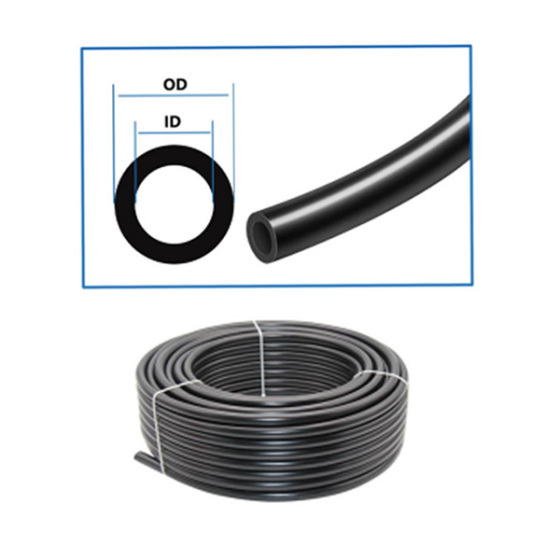
Aisili neumático ha construido su reputación como fabricante profesional dedicado al desarrollo y producción de tubos neumáticos de poliuretano y materiales neumáticos relacionadosLa empresa opera dos instalaciones en la provincia de Shandong. Utiliza líneas de extrusión avanzadas y mantiene un estricto control de calidad. Aisili se centra en personalización Para satisfacer las necesidades globales de automatización industrial, sus productos llegan a más de 30 países. El equipo combina años de experiencia en materiales con soluciones prácticas que ayudan a los clientes a reducir fallos y aumentar la fiabilidad de sus sistemas.
Conclusión
Las fallas en los tubos neumáticos rara vez se deben a un evento repentino y grave. Generalmente, se originan por la acumulación de pequeñas tensiones. Podría ser el uso de un material inadecuado en el lugar incorrecto, la fricción no detectada o atajos en la instalación que parecían correctos en su momento. Identificar estas cinco causas comunes le brinda una manera clara de prevenir problemas a tiempo.
Tubos de nailon 6 Aisili Pneumatic aborda cada uno de estos problemas gracias a su probada combinación de resistencia mecánica, rigidez, resistencia al desgaste y buen rendimiento químico. Cuando sus sistemas necesitan mantener la fiabilidad bajo presión, vibración o condiciones adversas, este material ofrece resultados comprobables: menos reemplazos y mayor tiempo de actividad.
¿Listo para revisar tu sistema de tuberías actual? Pequeños cambios en la elección del material suelen generar grandes mejoras en su durabilidad.
Preguntas frecuentes
¿Qué diferencia a los tubos de Nylon 6 de las opciones estándar de poliuretano en los sistemas neumáticos?
Los tubos de nailon 6 ofrecen mayor rigidez y una gran resistencia al desgaste. Esto los hace más adecuados para zonas de alta presión o abrasión, donde los tubos más blandos se desgastan con mayor rapidez. Además, son lo suficientemente flexibles para su instalación diaria y soportan un amplio rango de temperaturas.
¿Pueden los tubos de nailon 6 soportar la exposición a aceites y productos químicos en entornos industriales?
Sí, es posible. El material presenta una buena resistencia química a aceites, agua y muchos fluidos industriales. Esto ayuda a prevenir la hinchazón o el agrietamiento que sufren otros tubos en condiciones de suciedad propias de un taller.
¿Cómo elijo el tamaño y el grosor de pared adecuados para los tubos de Nylon 6?
Analice la presión de operación, el caudal y los requisitos de curvatura. Aisili ofrece diámetros exteriores de 4 mm a 16 mm con diferentes espesores de pared. Por ejemplo, un tubo de 8 mm de diámetro exterior y 1 mm de espesor de pared soporta una presión de trabajo de aproximadamente 24 bar a temperatura ambiente. Verifique siempre las especificaciones exactas y el radio de curvatura mínimo para su aplicación específica.
¿Los tubos de nailon 6 absorben la humedad y esto causa problemas?
Presenta una tasa de absorción de agua ligeramente superior a la de otros nylons. Esto puede afectar levemente la estabilidad dimensional en ambientes muy húmedos durante periodos prolongados. Sin embargo, en la mayoría de los sistemas neumáticos, rara vez representa un problema si el tubo se mantiene dentro de sus límites de temperatura y presión nominales.
¿Dónde se utiliza habitualmente el tubo de nailon 6 en aplicaciones reales?
Lo encontrará en sistemas de control neumático, líneas de combustible y frenos para automóviles, transferencia de fluidos hidráulicos, tuberías de maquinaria, protección de cables y equipos de construcción. Su combinación de resistencia y durabilidad lo hace ideal para numerosos trabajos industriales exigentes.