


Why Your Pneumatic System Needs LLDPE Tubing: A Comparison with Polyurethane and Nylon
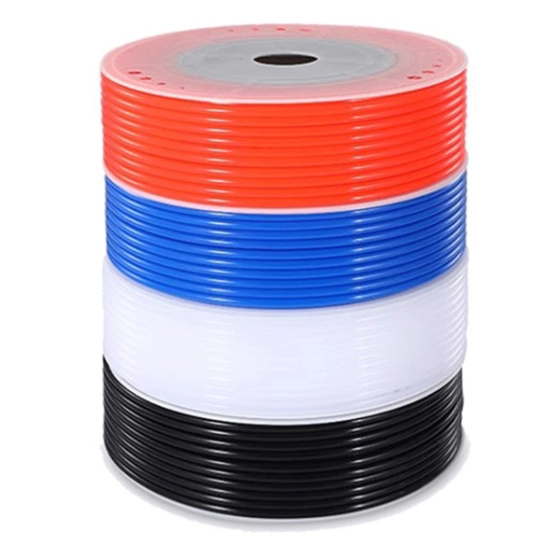
In pneumatic systems, picking the right tubing matters a lot. It’s not just about grabbing the cheapest option or whatever’s sitting on the shelf. Choose wrong, and you end up with leaks, surprise downtime, or constant replacements that chew through your budget and throw off your schedule. Buyers and engineers run into this headache all the time. Too many choices. Not enough straight-up side-by-side facts to feel confident about the decision.
That’s exactly why LLDPE tubing often stands out. It gives you a really solid mix of decent performance and fair pricing. Especially when your setup deals with chemicals, moisture, or tight budgets.
Let’s walk through why it frequently comes out on top. We’ll put it right next to polyurethane (PU) and nylon tubing so you can see the differences clearly.
What Makes LLDPE Tubing a Strong Contender?
LLDPE stands for linear low-density polyethylene. It’s pretty lightweight. It bends easily. And it routes through cramped spots without much hassle. Best of all, it holds up surprisingly well against environmental stress cracking. Regular polyethylene cracks more easily under that kind of pressure.
In everyday use, LLDPE tubing takes repeated bending without developing those small fractures that turn into big problems later. Its chemical resistance really shines when you’re moving water, mild acids, alkalis, or different solvents. On top of that, it’s nontoxic. Plenty of versions even meet food-grade rules. So you can safely run beverage lines or potable water through it.
Temperature range is usually reliable from -40°C up to +60°C. That covers most indoor industrial jobs just fine. Working pressures depend on the size. You’re often looking at roughly 10-15 bar for typical 6-10mm outer diameter sizes. But the burst rating still leaves a comfortable safety cushion.
Head-to-Head Comparison: LLDPE vs. Polyurethane vs. Nylon
Here’s a clear, no-nonsense look at how the three materials line up. We’re focusing on the things that actually matter in pneumatic work and fluid transfer jobs.
| 부동산 | LLDPE 배관 | Polyurethane (PU) Tubing | Nylon Tubing |
|---|---|---|---|
| 유연성 | Good – easy to bend and install | Excellent – tight bend radii, great memory | Moderate – stiffer, less forgiving |
| Environmental Stress Crack Resistance (ESCR) | Excellent – resists cracking from chemicals, aging, stress | Good – but can degrade with prolonged moisture or certain chemicals | Very good – strong against cracking |
| 화학 저항 | Outstanding – handles acids, alkalis, solvents well | Moderate – good for oils/air, weaker against strong chemicals/water exposure | Excellent – broad resistance, including hydraulics |
| 마모 저항 | 중간 | Excellent – stands up to wear and tear | Good – tough surface |
| 온도 범위 | -40°C to +60°C | -20°C to +80°C (some grades wider) | -40°C to +100°C or higher |
| 작동 압력 | Lower to moderate (e.g., 6-15 bar typical) | Moderate to high | High (often 20+ bar) |
| 비용 | Lowest – budget-friendly | 중간 | 더 높은 |
| Weight | Very light | Light | 중간 |
| Best For | Chemical transfer, water treatment, low-pressure automation | General pneumatics, robotics, frequent flexing | High-pressure lines, harsh environments |
Those figures pull from standard industry data plus real feedback from the field. LLDPE wins big on price and chemical toughness. PU takes the prize for super bendy, dynamic situations. Nylon handles high pressure and hotter conditions better than the others.
Cost-Effectiveness: Where LLDPE Really Pays Off
Let’s talk real money. In applications that don’t demand sky-high pressure or nonstop tight flexing, LLDPE keeps your wallet happy. Think water treatment plants, chemical dosing setups, or straightforward factory automation.
Imagine a medium-sized water filtration system. Hundreds of meters of tubing carry low-pressure fluids. Every so often you flush with chemical cleaners. Pick a more expensive material and your costs shoot up fast. Switch over to LLDPE and you still get dependable results at a much lower price tag. Fewer swaps mean less labor, almost no unplanned stops, and budgets that actually stay in line.
Plenty of engineers have crunched the numbers. In moderate pneumatic control lines or fluid runs where chemicals pose the biggest risk, LLDPE usually delivers stronger long-term value.
Flexibility and Installation: Practical Wins
Nobody likes wrestling with stiff tubing that kinks or springs back during install. LLDPE gives you enough flex to weave through machine frames or follow conveyor paths smoothly. It isn’t quite as soft and rubbery as polyurethane. Still, it doesn’t fight you either.
In really tight quarters—like inside robotic arms or compact assembly stations—the light weight helps a ton. Cutting and fitting go quicker. Color-coding makes tracing lines simple too. You spot the right run instantly.
Durability in Tough Environments: Environmental Stress Crack Resistance
This is one area where LLDPE pulls ahead noticeably. Ordinary polyethylene often cracks when chemicals, moisture, or aging team up against it. The linear structure in LLDPE changes that story. It boosts resistance a great deal.
In chemical plants or semi-outdoor spots with solvents and damp conditions, that toughness means years of steady service instead of random leaks.
Take one real case. A processing facility ran dilute acids through basic PE tubing at first. Cracks showed up after just a few months. They switched to LLDPE. The problem disappeared. No more emergency shutdowns in the middle of a shift.
Ideal Applications for LLDPE Tubing
LLDPE tubing works best when you want dependable, low-cost results without overbuilding the system. Here are the sweet spots:
-
Water treatment and filtration systems
-
Chemical transportation lines (acids, alkalis, solvents)
-
Low-pressure pneumatic control in automation
-
Laboratory and agricultural fluid transfer
-
Irrigation and beverage supply (food-grade compliant options)
If chemicals are present or budgets are tight and demands stay moderate, LLDPE often lands right in the perfect middle ground.
About Aisili Pneumatic
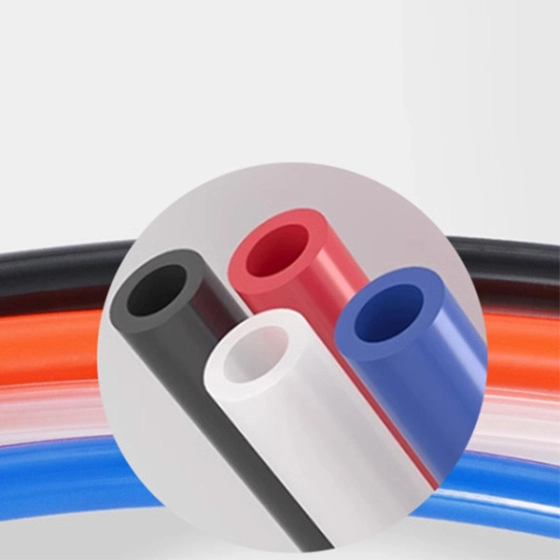
Aisili 공압 stands out as a dedicated manufacturer focused on premium polyurethane pneumatic tubing and related pneumatic materials. Since 2007, the company has built expertise in high-performance tubing solutions, operating advanced extrusion lines to deliver consistent quality and customization. With a global reach serving customers in over 30 countries, Aisili emphasizes reliable, durable products for industrial automation, robotics, and fluid handling needs. Their range includes various materials like PE options, ensuring tailored solutions that meet real-world demands.
Conclusion
Picking tubing shouldn’t feel like a roll of the dice. Look closely at flexibility, chemical resistance, crack protection, and plain cost. LLDPE tubing usually comes out as the sensible choice for lots of pneumatic and fluid-handling jobs. You avoid paying extra for features you won’t use. At the same time, you still get sturdy, long-lasting results where they really count.
Next time you’re laying out lines for water treatment, chemical movement, or budget-minded automation, take a hard look at LLDPE. The smart choice today keeps tomorrow running smoothly.
FAQs
What is LLDPE tubing, and why consider it for pneumatic systems?
LLDPE tubing comes from linear low-density polyethylene. It’s lightweight. It resists chemicals very well. And it fights environmental stress cracking hard. That makes it a practical pick for pneumatic jobs that need steady air or fluid movement without breaking the bank.
How does LLDPE tubing compare to polyurethane in flexibility?
Polyurethane beats it when you need super-tight bends and excellent memory in moving setups. LLDPE still bends nicely. It makes routing easier in fixed or mostly fixed layouts. Installation stays straightforward in crowded areas.
In what scenarios is LLDPE tubing better than nylon tubing?
When chemicals matter more than very high pressure, LLDPE usually wins out. It deals with acids, alkalis, and solvents more comfortably in many cases. Plus it costs less. That fits water treatment or chemical lines perfectly. Nylon’s extra strength isn’t always necessary there.
Can LLDPE tubing handle food or beverage applications?
Yes. Plenty of LLDPE versions are nontoxic and meet food-grade standards. They work great for drinking water, beverage dispensing, or clean lab lines where purity counts.
What makes LLDPE tubing resistant to cracking over time?
Its linear molecular makeup greatly improves environmental stress crack resistance. So it stands strong against chemicals, dampness, and normal aging. That cuts down on leaks and stretches service life in tough spots.