제품 뉴스
-
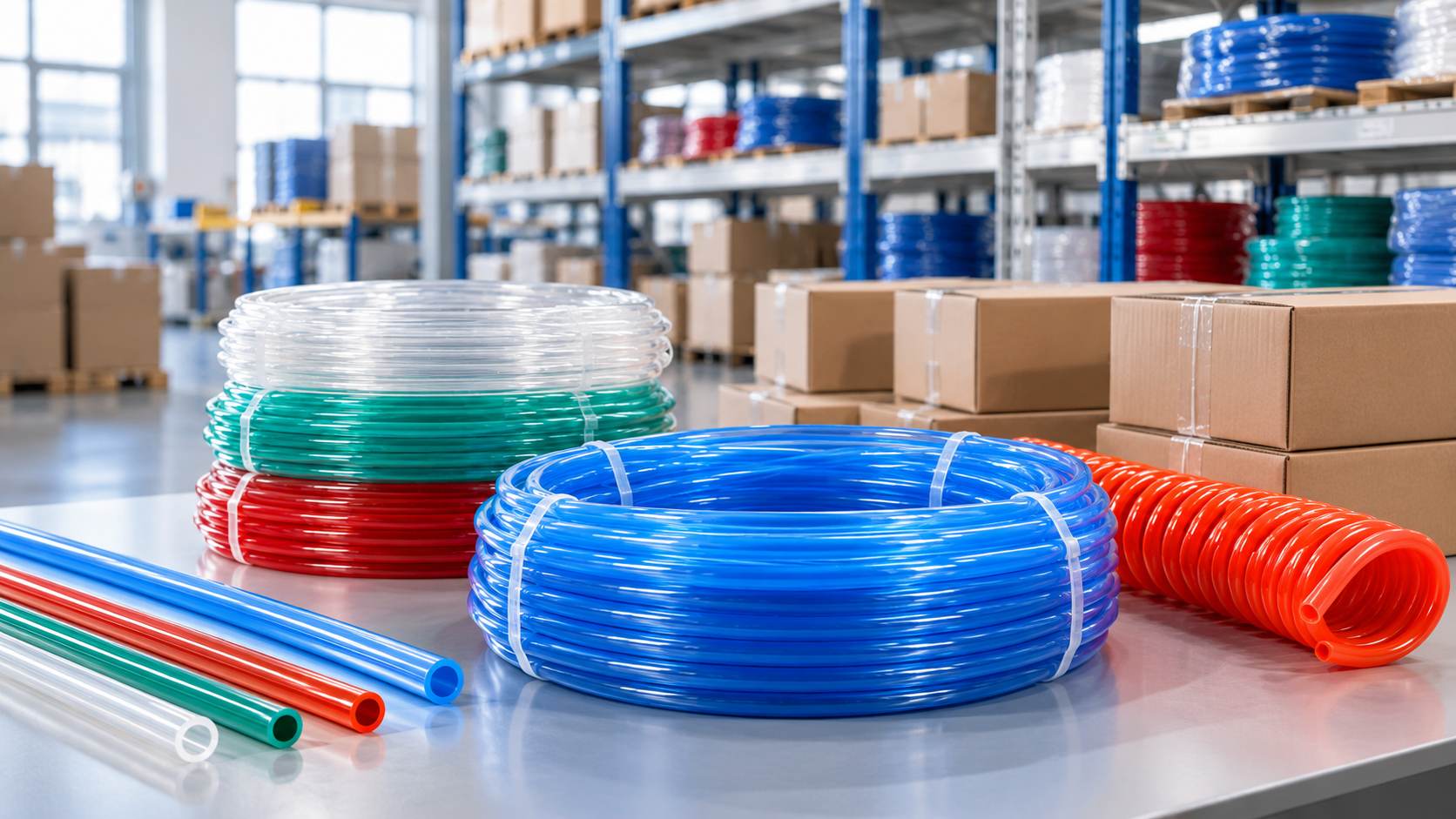
 09 10월관리자에 의해How to Plan PU Pneumatic Tubing Purchasing for Seasonal and Repeat OrdersSeasonal PU pneumatic tubing purchasing works more reliably when buyers plan around the specifications customers actually order, rather than the total amount of tubing sold. A distributor may have plenty of stock but still run short of a particular size or color. An OEM manufacturer can face a similar problem when several equipment projects require the same tube at once. Ordering more material before the busy season is not always the answer, especially when some specifications are unlikely to be used again. A workable purchasing plan needs to connect customer demand, existing stock, supplier lead time, and the requirements…
 -
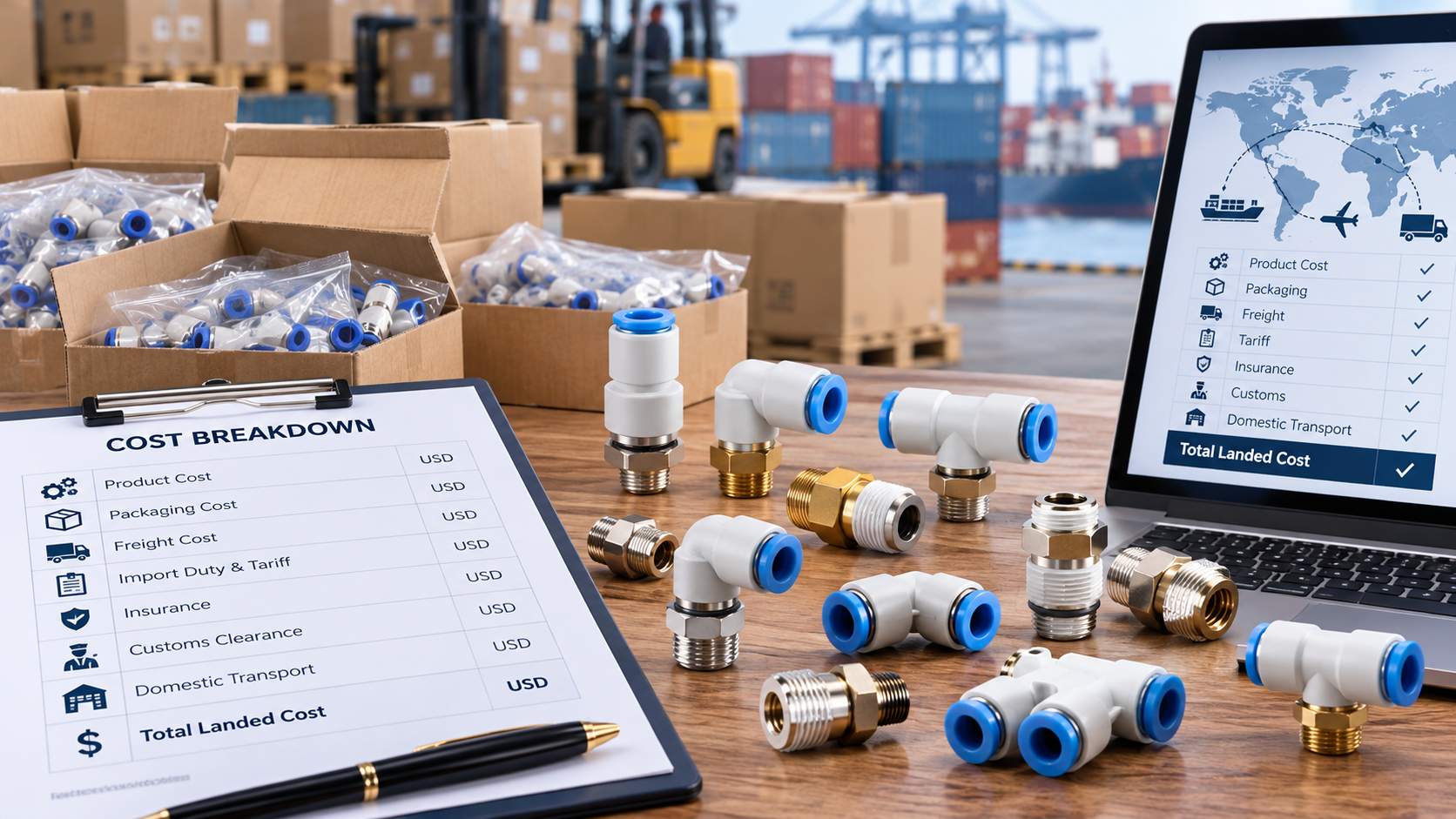
08 10월관리자에 의해What Drives the Total Landed Cost of Pneumatic Fittings for B2B Buyers?A fitting that costs less on the quotation may cost more by the time it reaches the assembly line. International freight, customs charges, unsuitable packaging, and rejected components can all affect the final purchasing cost. For buyers handling several fitting sizes or arranging regular overseas shipments, these expenses are not always visible when comparing supplier prices. The first step is to establish exactly what each quotation covers. Only then can purchasing teams decide whether the apparent saving is genuine or simply the result of different product specifications and delivery arrangements. Why Can a Cheaper Pneumatic Fitting Become More Expensive?…
-
30 Sep관리자에 의해What Self-Locking Features Should OEM Buyers Check in C-Type Pneumatic Quick CouplingsOEM buyers should verify more than whether a C-Type coupling locks. The RFQ should define positive engagement, sleeve retention, sealing, residual-pressure release, cycle life, and the inspection evidence required before production approval. What does self-locking need to prevent? The first step is to define what a secure connection must prevent during assembly, operation, and routine service. Verify full plug engagement A self-locking coupling should prevent accidental plug release during vibration, hose movement, handling, and routine service. Buyers should require a clear locked position and a repeatable confirmation that the plug is fully seated. The design should not allow a…
-
29 Sep관리자에 의해How Should OEM Buyers Specify C-Type Quick Coupling Sealing and Safety RequirementsOEM buyers should specify a C-Type quick coupling as a complete safety and sealing assembly, not as a catalogue shape alone. The purchase specification should connect seal material, pressure, media, connection method, release behavior, and production validation to the equipment's actual service conditions. Which service conditions must be fixed first? Before selecting a seal or coupling configuration, buyers should describe the operating envelope that the assembly must withstand. Define the operating envelope Start with the working medium, pressure range, temperature range, connection frequency, and installation environment. Dry indoor air, coolant mist, cleaning chemicals, outdoor moisture, and dusty service can…
-
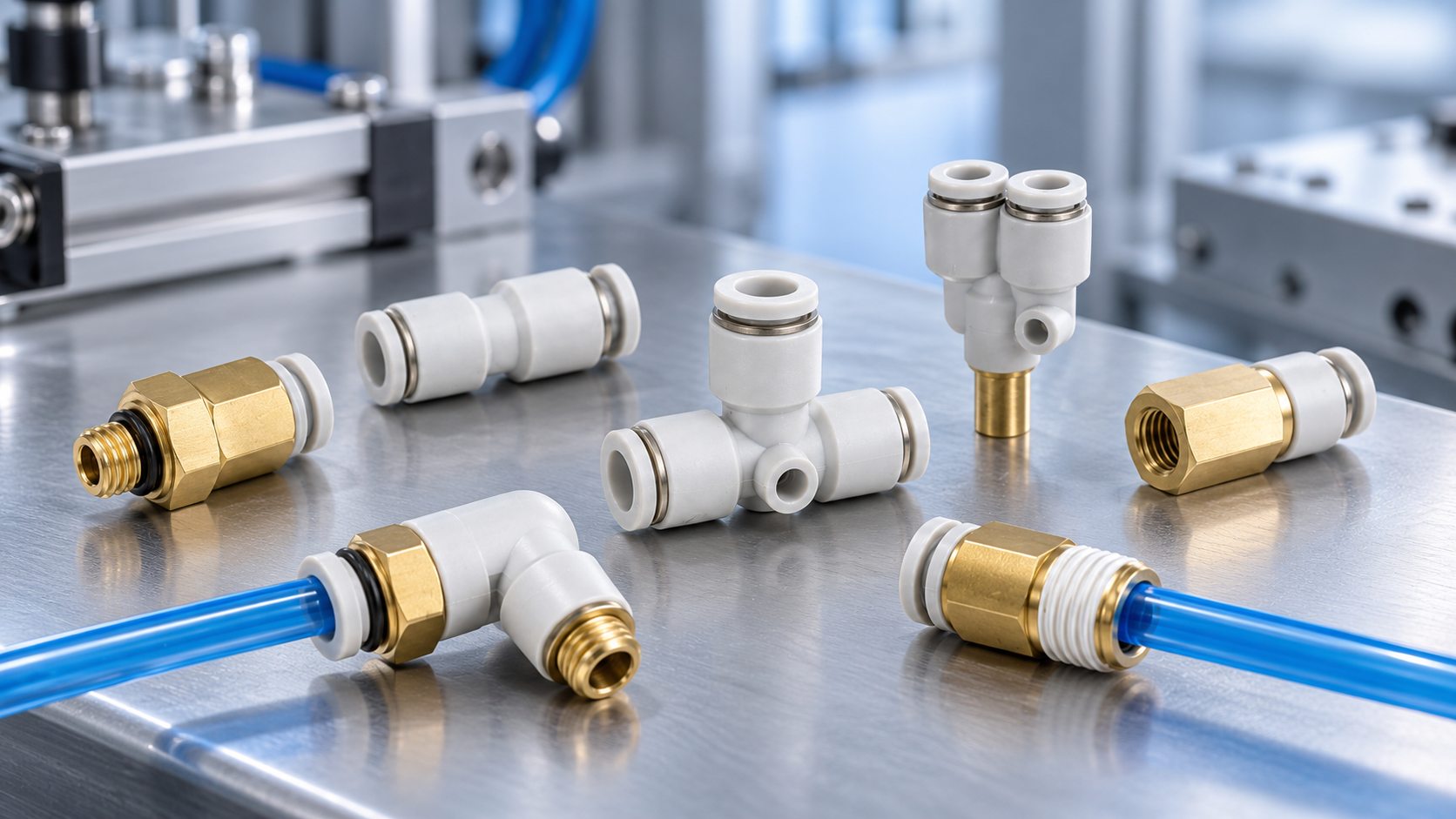
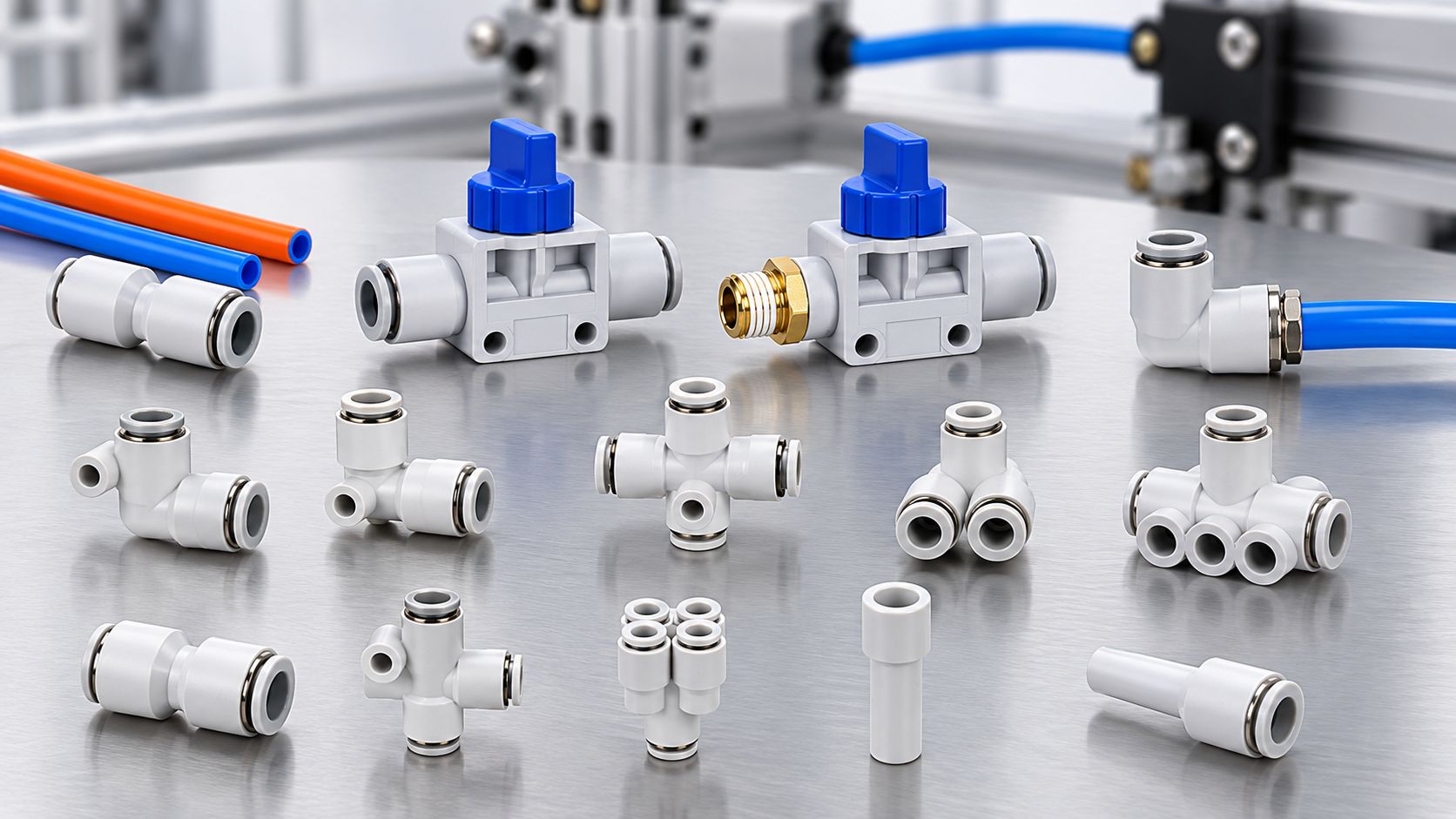
24 Sep관리자에 의해How to Choose Multi-Port Push-to-Connect Fittings for Compact Pneumatic Air DistributionMulti-port push-to-connect fittings are useful when several pneumatic branches must fit into a limited machine area, but the right choice depends on more than outlet count. Port direction, tube OD, branch demand, maintenance access, and tube routing all affect whether the layout stays clean and serviceable. For OEM engineers and purchasing teams, a compact fitting should simplify distribution rather than create hidden restrictions or awkward crossings. Selection therefore starts with the branch layout, then moves to fitting geometry, tube compatibility, testing, and purchasing control. Why Does Multi-Port Geometry Matter in a Compact Pneumatic Layout? A multi-port fitting determines both…
-
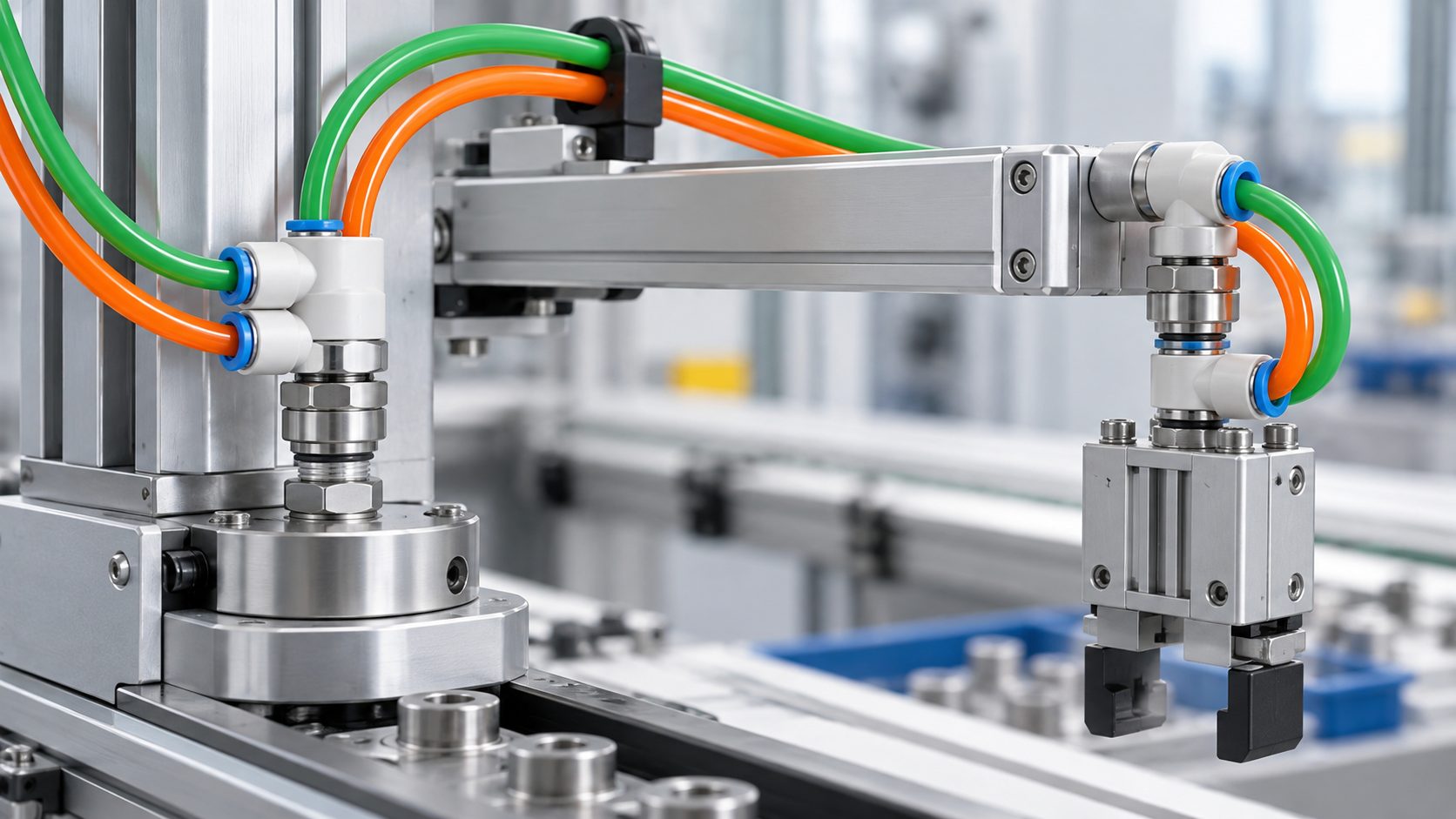
23 Sep관리자에 의해When Should OEMs Use Rotary Push-to-Connect Fittings on Moving Pneumatic Equipment?Rotary push-to-connect fittings are useful when machine movement repeatedly twists or side-loads a pneumatic tube near its connection. A fixed elbow may work perfectly on a stationary port yet force the tube to wind, rub, or pull sideways once an indexing table, sliding fixture, or adjustable assembly begins cycling. For production engineers and technical buyers, the decision should therefore start with tube behavior, not fitting shape. The aim is to determine whether controlled rotation at the connection genuinely reduces mechanical strain, while still meeting tube, thread, clearance, service, and repeat-order requirements. This guide focuses on those checks before OEM…