


5 Common Pneumatic Tubing Failures in Automation and How Anti-Spark PU Tubing Solves Them
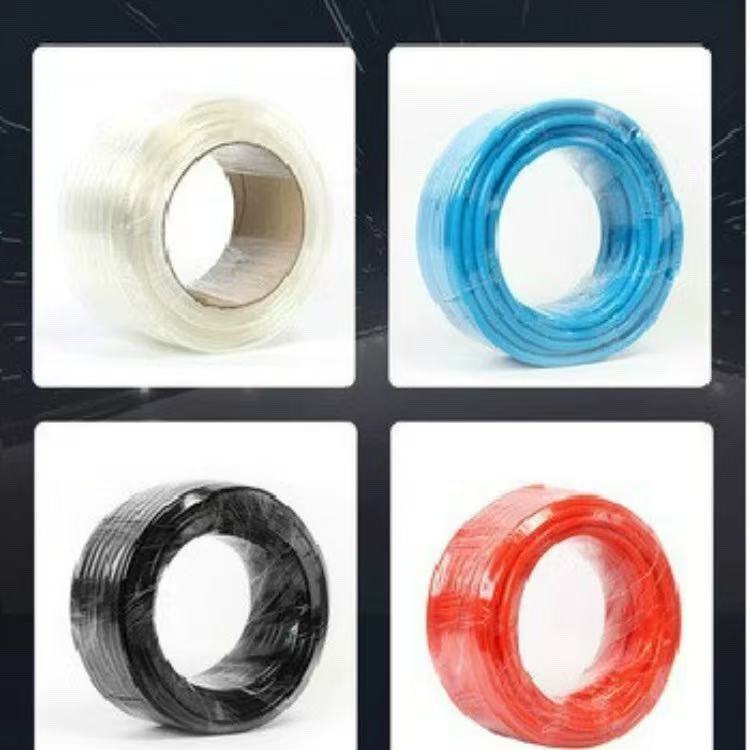
Downtime hits hard on automated lines. A single tubing failure can bring an entire robotic cell or conveyor to a stop for hours. On busy factory floors, pneumatic tubing faces constant punishment. Sparks fly everywhere. Oil splashes around. Sharp edges rub against the lines. Temperatures swing up and down. All these stresses build up fast. They lead to sudden breakdowns that nobody wants.
Many plants keep running into the same problems. Tubes crack open. They start leaking. Or they melt in hot zones near welding. Maintenance crews replace lines way too often. That drives up costs and cuts into daily output. Anti-Spark PU Tubing (TPEE) gives a solid answer for these headaches, especially in welding, robotic, and metalworking setups.
Spark Damage and Surface Melting
Welding robots throw hot metal spatter all day long. Regular polyurethane tubing picks up burn marks or melted patches pretty quickly. Sometimes one spark creates a weak spot. Later that spot bursts under normal pressure.
Take an automotive assembly line as an example. Techs started seeing dark scorch marks on the air lines close to the welding stations. After just three months, several tubes developed tiny pinhole leaks. Those leaks caused actuators to move unevenly. The whole line shut down twice for quick fixes.
Anti-Spark PU Tubing handles this situation much better. Its outer layer uses a special flame-resistant TPEE material. It meets UL94 V-0 standards for flame resistance. The tubing shrugs off welding sparks and hot spatter. It does not melt or crack easily. Shops that switched in welding areas report far less surface damage. They also stretch out the time between replacements.
Abrasion and Mechanical Wear
Pneumatic lines snake through tight spots. They wrap around moving robot arms. They brush against sharp metal edges. All that constant rubbing wears the tube wall thin over time. You end up with flat sections, grooves, and eventual bursts.
One packaging plant ran high-speed carton folding machines. Their tubing failed every four to six weeks in the high-friction zones. Repeated flexing and scraping against guards created deep grooves. Air leaks appeared. Cylinders started acting sluggish.
Anti-Spark PU Tubing stands up to this kind of wear. Its tough TPEE construction resists tearing and impact really well. With a hardness rating of 97 Shore A, the tubing keeps its shape even after heavy daily use. It holds up when dragged across rough surfaces or flexed thousands of times.
Oil and Chemical Degradation
Factory floors stay messy. Hydraulic oil mists in the air. Lubricants drip. Coolants spray near machines. Cleaning solvents splash onto the tubing all the time. Standard tubes swell up, get soft, or turn brittle after repeated exposure.
In CNC metal shops, techs often found tubing near coolant nozzles turning sticky. Cracks formed after a while. The material leaked air. Grippers and clamps responded slowly as a result.
Anti-Spark PU Tubing deals with these fluids more effectively. It resists swelling and keeps its flexibility longer. Even after months of contact with industrial oils and chemicals, the tubing maintains steady air flow. That cuts down on surprise leaks in messy environments.
Poor Flexibility and Kinking in Tight Spaces
Modern robotic arms sit in compact cells. Space runs tight. Tubing has to bend sharply without blocking flow or forming permanent kinks.
Installers sometimes fight with stiffer tubes. Those tubes kink easily during fast movements. A kink creates backpressure. It slows down actuators. The material fatigues right at the bend point.
Anti-Spark PU Tubing offers good flexibility from the start. It has a small minimum bend radius, down to 10mm on smaller sizes. The tubing follows robotic arms smoothly. It springs back to shape without damage. Techs like how easily it routes through cable tracks and around moving joints.
Heat Buildup and Aging in Continuous Operation
Non-stop duty cycles create heat from friction and compressed air. Over time, ordinary tubing hardens up. It loses elasticity. Cracks appear from repeated stress.
A busy automotive parts supplier noticed standard tubes getting stiff near motors after six months of round-the-clock work. The hardened lines cracked during quick motions. Pressure dropped. Parts got rejected more often.
Anti-Spark PU Tubing performs better under these conditions. It handles temperatures from -20°C to +70°C. The material resists fatigue well. It keeps its shape and bounce even after long hours of flexing and pressure cycles.
Performance Comparison Table
| Failure Type | Common Issue with Standard Tubing | Benefit with Anti-Spark PU Tubing (TPEE) |
|---|---|---|
| Spark Damage | Melting, burn holes, pinhole leaks | Flame-resistant outer layer (UL94 V-0), strong spark protection |
| Abrasion & Wear | Wall thinning, grooves, bursts | Tough resistance to abrasion and tearing |
| Oil & Chemical Exposure | Swelling, softening, cracking | Good resistance to industrial oils and chemicals |
| Kinking in Tight Spaces | Flow restriction, fatigue at bends | Solid flexibility with small bend radius |
| Heat & Continuous Operation | Hardening, loss of elasticity | Better fatigue resistance and stable dimensions |
Real-World Gains in Automation
Plants that moved to this tubing in welding robot cells often cut replacement frequency in half. Fewer leaks meant steadier air pressure. Robot motion stayed smooth. Scrap rates dropped because clamping felt consistent. In automotive lines, the bright orange or classic black colors make critical lines easy to spot during quick inspections.
The tubing comes in common sizes from 4mm to 16mm outer diameter. It supports working pressures up to 10 bar. Burst pressure reaches 25 bar at 20°C. You can order it on 100m or 200m reels. That works well for both new builds and fast retrofits on the floor.
About Aisili Pneumatic
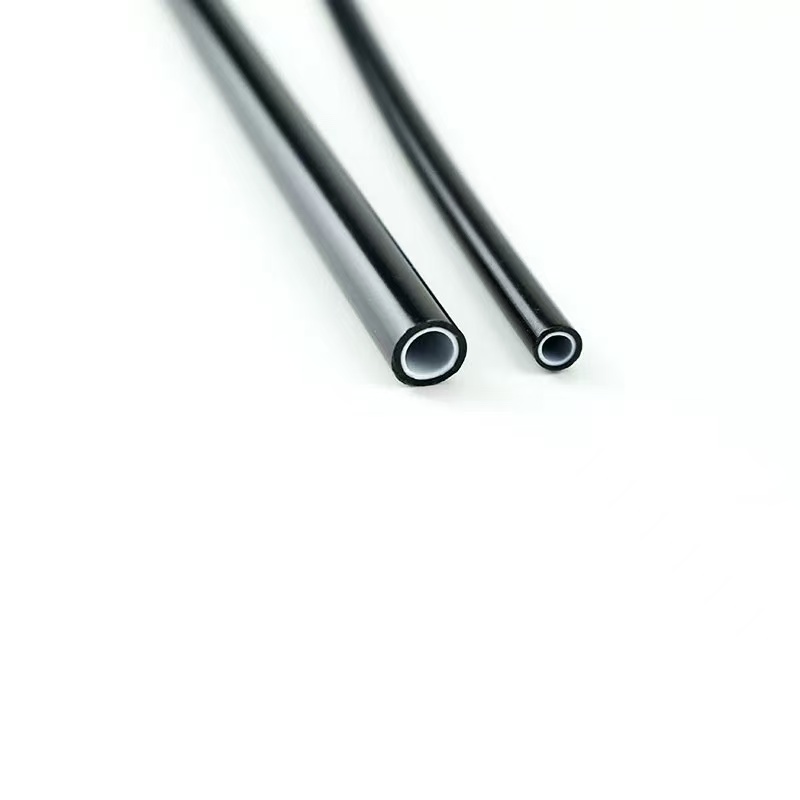
Aisili Pneumatic serves as a professional manufacturer dedicated to the development and production of polyurethane pneumatic tubing and related pneumatic materials. The company started back in 2007. It built solid know-how with modern extrusion equipment and tight quality checks. Aisili focuses on fresh ideas and custom orders. Their tubing solutions now reach customers in more than 30 countries. They stick with high-grade raw materials and steady production methods. That helps buyers get longer service life and fewer stops in tough automation jobs.
Conclusion
Pneumatic tubing failures do not have to be a normal part of automated systems. When you tackle the main causes—sparks, heavy rubbing, chemicals, tight bends, and nonstop running—plants save serious time and money. Anti-Spark PU Tubing delivers real performance right where it counts. Lines stay intact. Systems keep running shift after shift.
If your setup deals with welding spatter, rough wear, or dirty conditions, picking the right tubing makes a clear difference. It improves reliability and lowers the total cost over time.
FAQs
What makes Anti-Spark PU Tubing different from standard polyurethane tubing in automation environments?
Anti-Spark PU Tubing uses a modified TPEE flame-resistant formula. It stands up to welding sparks and hot spatter much better than regular PU. The tubing stays flexible while adding solid protection against melting in busy robotic welding cells.
How does Anti-Spark PU Tubing perform in oily or chemical-heavy factory floors?
It holds up nicely. The material resists industrial oils, coolants, and many chemicals without swelling or cracking quickly. Air pressure stays steady, and leaks happen less often in machining or assembly areas.
Can Anti-Spark PU Tubing handle the tight bends required in modern robotic systems?
It sure can. The tubing bends easily with a small minimum radius. It routes cleanly through cable carriers and around moving joints without kinking or cutting off flow, even in crowded automation layouts.
What temperature range does Anti-Spark PU Tubing support for continuous pneumatic use?
It works reliably from -20°C to +70°C. That covers most indoor automation work. Plus, the material fights fatigue well during repeated flexing and pressure cycles.
Why do automation maintenance teams prefer Anti-Spark PU Tubing in welding and metal processing lines?
Teams notice fewer replacements and smoother system performance. Downtime drops because the tubing combines spark protection, wear resistance, and everyday durability in high-risk spots.