


Como a dureza do TPU afeta a flexibilidade e o desempenho de pressão dos tubos pneumáticos.
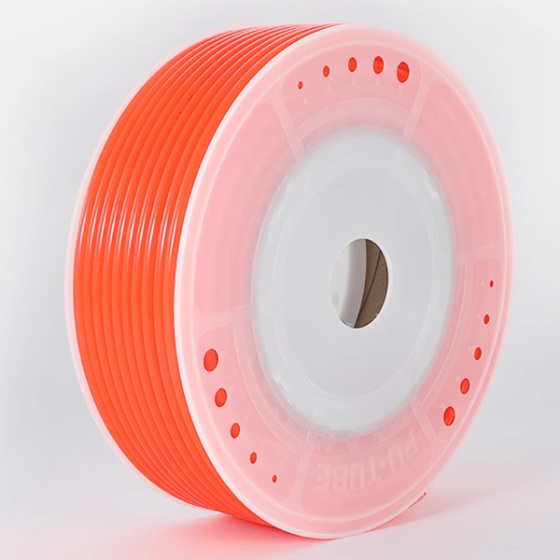
A dureza do TPU é uma das suas características mais importantes. para tubos pneumáticosA flexibilidade da tubulação, assim como a resistência à pressão do ar e a vida útil, são afetadas pela dureza Shore do TPU. Para engenheiros, equipes de compras e fabricantes de máquinas, a escolha de uma tubulação de TPU com a dureza inadequada pode causar problemas como dobras e vazamentos, redução da pressão do ar ou até mesmo ruptura. Tubo pneumático flexível Os sistemas de automação com estabilidade ao ar enfrentam desafios particulares, pois devem ser suficientemente rígidos para manter a pressão do ar e, ao mesmo tempo, flexíveis o bastante para permitir o roteamento.
Por que a dureza do TPU afeta a flexibilidade e o desempenho da pressão em tubos pneumáticos?
A dureza do TPU define a rigidez de um material TPU e mede sua flexibilidade mecânica. Em aplicações de tubulação pneumáticaEssa propriedade define as características necessárias da tubulação.
Qual a relação entre a dureza Shore do TPU e o comportamento do material?
A dureza Shore do TPU refere-se à medição da resistência do material de poliuretano à indentação. Uma dureza Shore mais baixa geralmente significa um tubo mais macio e flexível, enquanto uma dureza Shore mais alta indica uma estrutura mais rígida com melhor retenção de forma. Em tubos pneumáticosEsse equilíbrio determina a facilidade com que o tubo pode se curvar ao redor da máquina sem colapsar ou deformar.
Por que a rigidez é um fator de equilíbrio no projeto de sistemas?
Um dos desafios de projeto em circuitos de ar industriais é o conflito entre a flexibilidade para roteamento em espaços confinados e a resistência à pressão. A flexibilidade de tubos mais maleáveis é valiosa para roteamento em áreas compactas, mas pode comprometer a estabilidade da pressão. Em contrapartida, tubos mais rígidos suportam melhor a pressão, mas geralmente exigem raios de curvatura maiores. A escolha da rigidez do TPU, portanto, deve ser equilibrada com as condições de instalação, a pressão de operação e a frequência de movimentação.
Como a dureza Shore influencia o comportamento de tubos pneumáticos flexíveis?
A dureza Shore de uma mangueira pneumática tem um efeito direto na flexibilidade da mangueira durante a instalação e a operação a longo prazo.
Como a dureza afeta o raio de curvatura e o fresamento?
O TPU de menor dureza permite um raio de curvatura mais fechado, o que é importante em robótica, máquinas de automação compactas e sistemas de movimento multieixos. No entanto, a excessiva maciez pode levar ao achatamento do tubo em curvas acentuadas, restringindo o fluxo de ar. O TPU de maior dureza mantém a seção transversal circular, mas requer mais espaço de instalação para evitar a concentração de tensão nas curvas.
Como a dureza influencia a estabilidade da resposta à pressão?
Ao projetar sistemas pneumáticos, é crucial manter a pressão do ar do compressor até o atuador. A capacidade de pressão do TPU depende em grande parte de sua rigidez. Materiais mais rígidos conseguem suportar pressões internas mais altas sem expandir excessivamente. TPUs mais macios podem expandir sob carga. Isso pode causar problemas em aplicações que exigem precisão de tempo, como máquinas de pegar e colocar ou garras pneumáticas.
Qual o papel da dureza do TPU na sua capacidade de suportar pressão e na sua durabilidade?
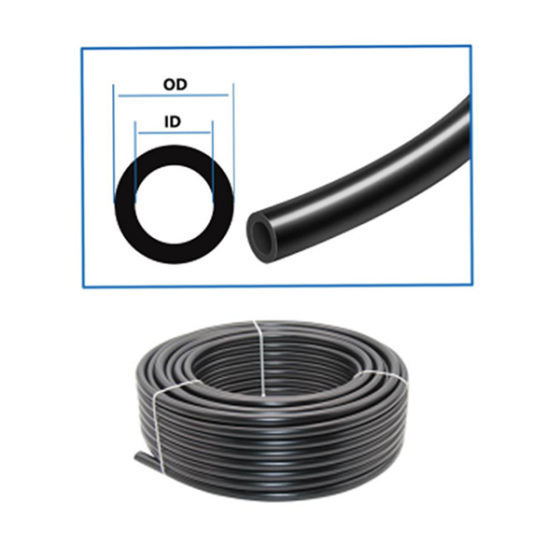
A resistência à pressão e a durabilidade dos componentes não são determinadas apenas pela espessura da parede, mas também são fortemente influenciadas pela dureza Shore selecionada do TPU.
Como a dureza interage com o desempenho da pressão de ruptura?
Embora as peças de TPU mais rígidas possam suportar pressões mais altas, devido à sua incapacidade de se deformarem sob pressão, a pressão real que podem suportar ainda depende do projeto do reforço, da espessura da parede da peça, bem como da temperatura em que está operando. Um bom sistema de tubulação pneumática flexível representa um equilíbrio entre a rigidez da peça e o restante da estrutura. Não pode depender simplesmente da rigidez do material.
Como a dureza afeta a resistência à fadiga e à torção?
Dobrar repetidamente tubos pneumáticos pode causar pontos de tensão na mangueira. O TPU macio resiste a rachaduras, mas pode sofrer deformações permanentes devido à flexão. O TPU mais rígido resiste à deformação permanente, mas pode desenvolver microfissuras quando submetido a flexões extremas. Em aplicações de movimento automatizado, como seguir um braço robótico ou trilhos deslizantes, a resistência à torção do tubo é crucial.
Como os compradores devem escolher a dureza do TPU para diferentes aplicações?
Ao selecionar a dureza do TPU, fatores como movimento do sistema, pressão, espaço de instalação disponível e ambiente de trabalho devem ser levados em consideração.
Quais níveis de dureza são adequados para automação e máquinas pneumáticas?
Na automação industrial, o TPU com dureza Shore média é comumente utilizado em diversas aplicações, como tubos para válvulas pneumáticas, tubos para cilindros de ar e tubos para atuadores robóticos. Essas aplicações exigem fluxo de ar constante, permitindo ao mesmo tempo a movimentação.
Como o ambiente afeta a seleção de dureza?
O desempenho do TPU pode ser significativamente afetado por diversos fatores, incluindo temperatura, exposição a produtos químicos e tensão mecânica. Quando operando em baixas temperaturas, o material pode endurecer, portanto, selecionar um material ligeiramente mais macio do que o normal pode ser benéfico para compensar esse efeito. Por outro lado, em aplicações de alta fricção ou alta pressão, pode ser preferível usar um material mais rígido para garantir integridade estrutural suficiente a longo prazo.
Que verificações técnicas devem ser incluídas na aquisição de tubos pneumáticos?
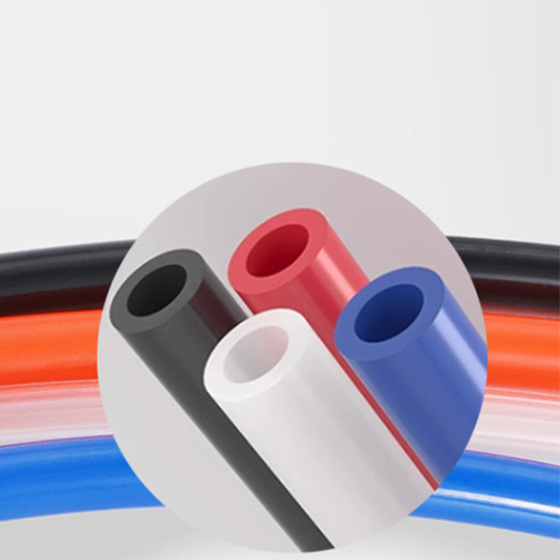
Ao selecionar um tubo de TPU, a equipe de compras deve considerar mais do que apenas o diâmetro externo do tubo e a classificação de pressão máxima.
O que deve ser incluído em uma lista de verificação para compradores?
Uma lista de verificação prática para avaliação de tubos pode ser baseada nas seguintes características: especificação de dureza Shore, classificação de pressão TPU, margem de pressão de ruptura, raio de curvatura, faixa de temperatura de operação, resistência química, espessura da parede e compatibilidade com conexões. Além desses critérios, os compradores também devem confirmar se o tubo foi projetado para aplicações dinâmicas ou estáticas.
Quais parâmetros de teste devem ser verificados antes de pedidos em grande quantidade?
Antes da aquisição em massa, os tubos devem ser testados por meio de flexão repetida, armazenamento sob pressão, teste de vazamento e verificação da vedação dos conectores, nas mesmas condições em que serão utilizados no sistema final. Testes de longa duração, no entanto, são particularmente relevantes para sistemas automatizados nos quais os tubos são submetidos a flexão permanente.
Qual fornecedor pode dar suporte ao desenvolvimento de sistemas de tubulação pneumática em TPU?
Yantai Aisili New Material Co., Ltd. é uma fabricante especializada em soluções de tubos pneumáticos multimateriais, incluindo tubos pneumáticos flexíveis à base de TPU projetados para sistemas de automação industrial. A empresa concentra-se em atender compradores que necessitam de opções de TPU com diferentes durezas Shore para atender a requisitos variados de pressão e flexibilidade. Sua linha de produtos é voltada para sistemas de transmissão pneumática utilizados em máquinas, robótica e equipamentos industriais. Para os compradores, a colaboração com o fornecedor geralmente inclui orientação na seleção de materiais, compatibilização de especificações e personalização com base nas necessidades da aplicação. No entanto, as equipes de compras ainda devem comparar parâmetros técnicos, classificações de pressão, requisitos de instalação e suporte técnico antes da seleção final.
Conclusão
A dureza do TPU é um fator importante para tubos pneumáticos. Para garantir a qualidade de um tubo pneumático, ele precisa ser suficientemente flexível e, ao mesmo tempo, estável o bastante para manter um fluxo de ar constante. Portanto, a dureza Shore do TPU deve ser selecionada de acordo com os requisitos específicos. Não existe uma dureza adequada para todas as aplicações. A especificação do tubo deve ser compatível com os requisitos específicos de um sistema para garantir alta confiabilidade, baixa manutenção e automação eficiente.
Perguntas frequentes
1. Qual é a dureza Shore do TPU em tubos pneumáticos?
Essa medida indica a rigidez do material TPU e determina a flexibilidade ou rigidez de um tubo pneumático quando submetido a estresse mecânico.
2. Uma maior dureza do TPU significa maior resistência à pressão?
Em geral, sim. No entanto, a resistência à pressão também depende da espessura da parede, do projeto e da temperatura de operação.
3. Qual a dureza ideal para tubos pneumáticos flexíveis em automação?
Para sistemas de movimento dinâmico, a dureza média é preferível, pois oferece um equilíbrio entre flexibilidade e estabilidade.
4. O tubo de TPU pode dobrar durante o uso?
Sim. Tubos com menor dureza podem sofrer dobras, especialmente em curvas com raio de curvatura pequeno, onde o raio de curvatura é inferior ao valor recomendado.
5. Como os compradores devem testar os tubos pneumáticos antes da compra?
Testes de ciclos de flexão típicos, estabilidade da pressão, vazamento e conexão a acessórios em condições reais de operação.