


Product News
-
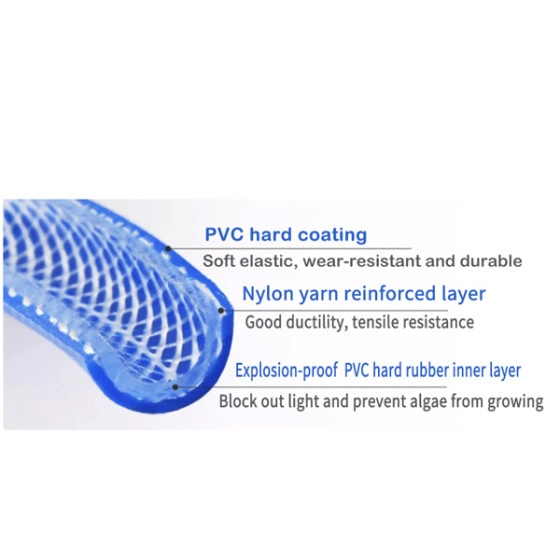 29 JanPor AdministradorCold Room Challenges: Preventing Pneumatic Tubing Cracking in Low-Temperature EnvironmentsCold rooms and freezers play a vital role in keeping food fresh, medicines stable, and products safe. These spaces run at very low temperatures, often well below freezing. Equipment inside has to perform reliably day after day. Pneumatic systems power many operations here—think door openers, conveyor controls, and automated arms. But the cold brings a serious problem: tubing that cracks or breaks. A tiny crack can cause air leaks. That leads to slow actuators, system shutdowns, and expensive fixes. In busy facilities, every hour of downtime hurts. Let's look at why this happens and how to stop it. Why Low…
 -
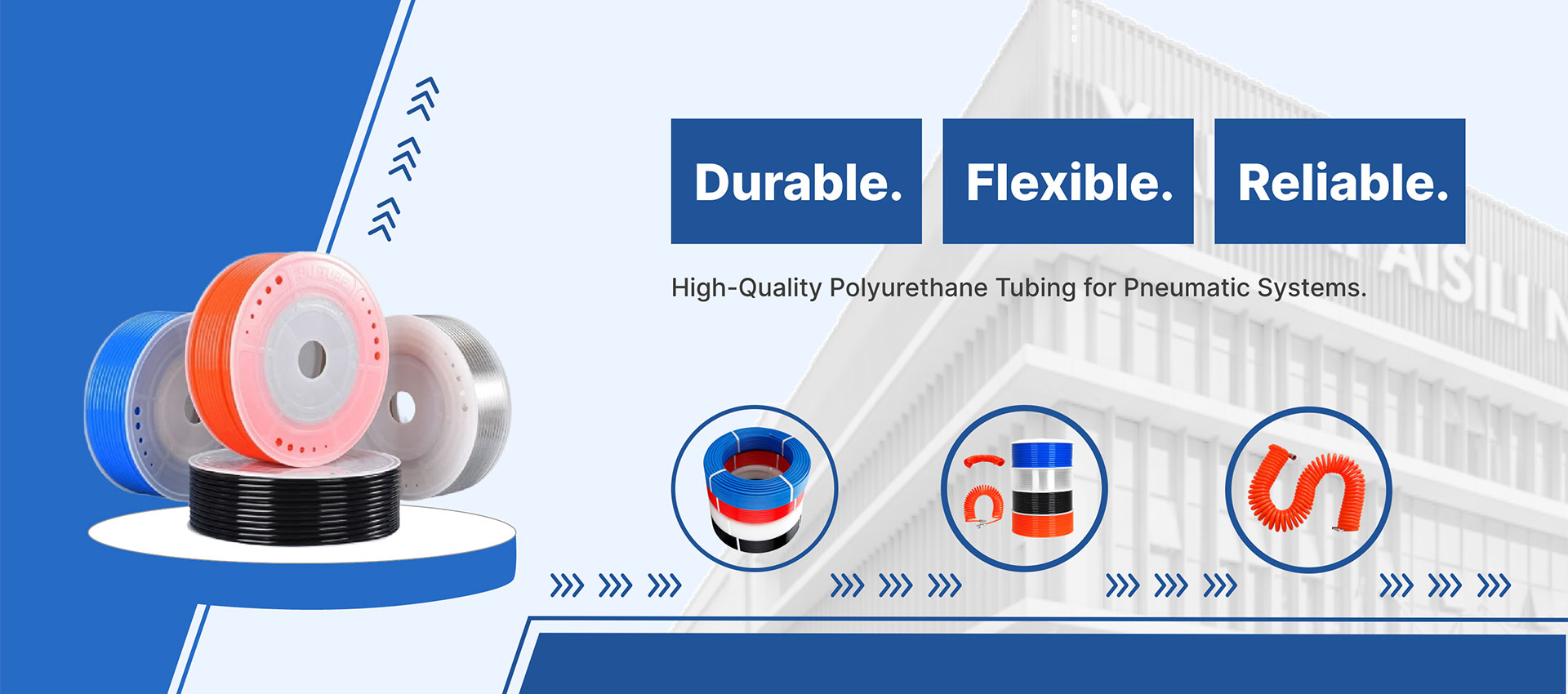 23 JanPor AdministradorOEM Design Advantage Customizing Color-Coded Pneumatic Tubing for Easy Maintenance and Error-ProofingConsider the process of developing complex equipment for clients. Numerous pneumatic lines run through the structure. Actuators connect in one area. Valves sit in another. Robotic arms feature grippers. A technician on the production floor now attempts to diagnose a fault. Or, during assembly, someone connects the wrong line. Such errors can halt operations for hours. In OEM manufacturing, these issues carry significant consequences. They postpone deliveries. They irritate end-users. And they reduce profitability. Recent industry data indicate that unplanned downtime in certain sectors costs up to $260,000 per hour. The stakes are high. However, thoughtful design decisions can change…
 -
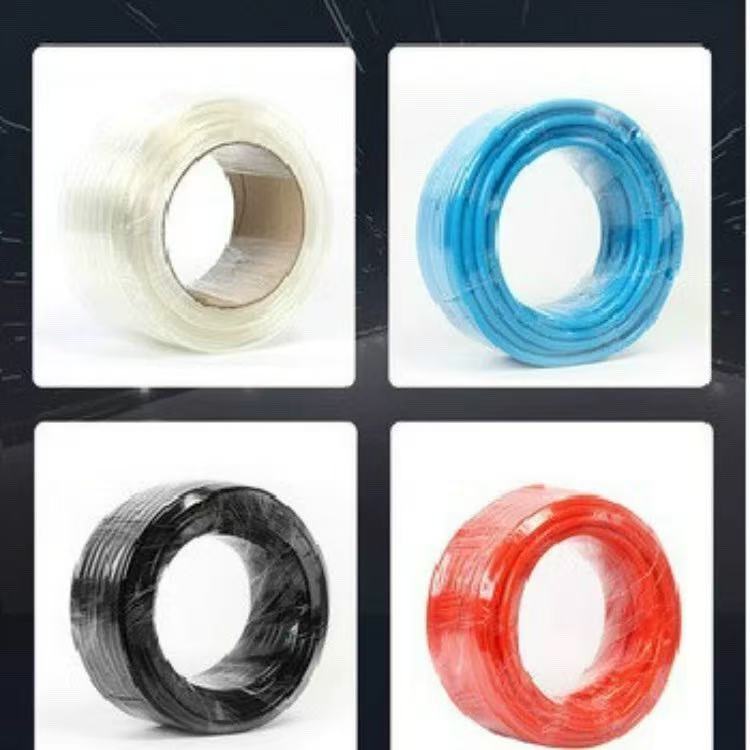 22 JanPor AdministradorMaximizing Uptime How Abrasion-Resistant Tubing Reduces Maintenance in AutomationPicture this: You're in the thick of a packed shift at your plant. All of a sudden, a pneumatic line gives out. Machines screech to a stop. Workers idle around. And you face hours—maybe days—of lost time. Factory bosses and hands-on techs know this drill well. It's no minor hassle. It slams your profits hard. Recent stats from Plant Engineering in 2025 peg unplanned stops at $260,000 an hour for many outfits. That's the harsh truth. So, smart fixes to keep lines humming? They count big time. Here, we'll break down how tough, scrape-proof tubing fights back. It trims fix-ups.…
 -
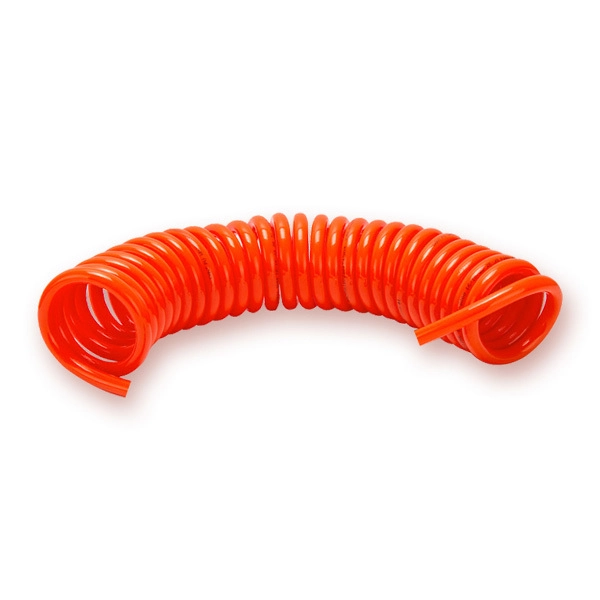 16 JanPor AdministradorThe 5 Most Common Causes of Pneumatic Tube Failure and How to Avoid ThemPneumatic systems keep factories humming. Robots zip around. Conveyors move parts. Tools fire off quick bursts of air. But when the tubing fails, everything stops. Downtime hits hard. Repairs cost money. Safety risks pop up. Folks in maintenance know this all too well. They've seen lines burst mid-shift or leak slowly over weeks. The good news? Most failures come from a handful of usual suspects. Spot them early, and you dodge big headaches. Even better, pick the right PU pneumatic tube from the start. It handles tough stuff without complaining. Let's break down the top five culprits. For each,…
 -
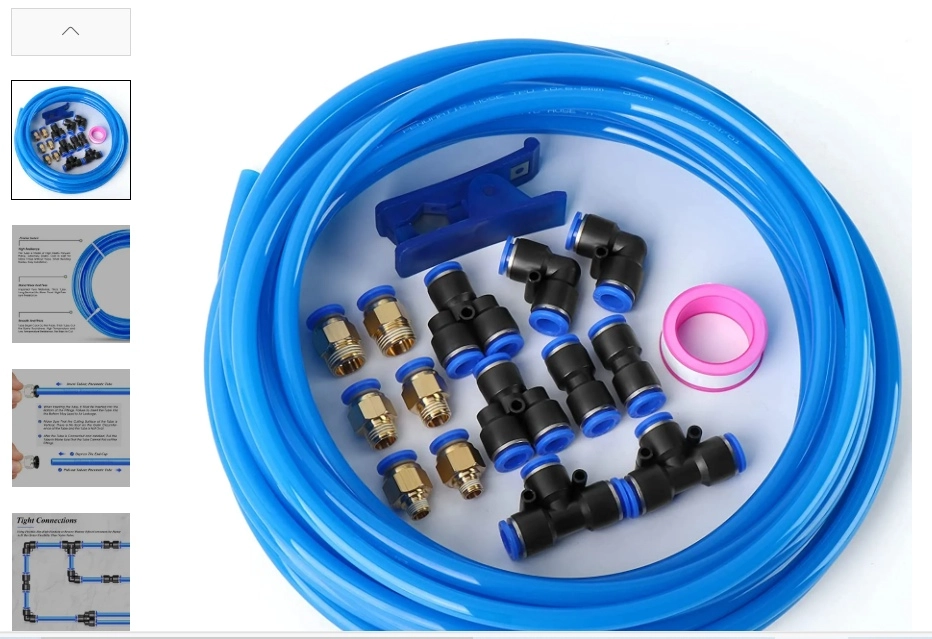 15 JanPor AdministradorFrom High-Speed Machinery to Outdoor Use: Temperature and Performance Stability in Pneumatic TubingPneumatic systems power a ton of stuff in factories and beyond. From speedy assembly lines to equipment out in the open, those air-carrying tubes do heavy lifting. One major headache? Crazy temperature shifts. Bitter cold or blazing heat can ruin how tubing works. It cracks, springs leaks, or quits altogether. That's where dependable PU pneumatic tube picks really save the day—built tough for nasty conditions. Not every machine sits in a cozy, temperature-controlled room. Some chug along in freezing cold storage areas. Others sweat it out in sweltering shops. Gear outside battles icy winters and scorching summers. Choosing tubing…
 -
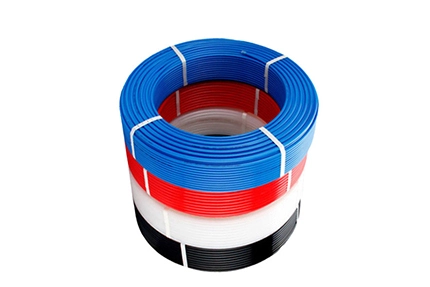 09 JanPor AdministradorEster Based vs Ether Based Polyurethane Tubing Which Is Better for IndustrialPolyurethane, or PU, pneumatic tubing has turned into a popular pick for engineers and buyers in factories and automation setups. It stays tough yet bends easily. It handles repeated twisting, high pressure, and rough use without breaking down fast. But here's the thing—not every PU tubing acts the same. The main difference lies in their chemical makeup: some are ester-based, others ether-based. If you pick the wrong kind for your factory floor, robotic arms, or production lines, you might face early breakdowns, stopped work, and higher bills. Imagine a fast-moving packaging factory. Tubes carry pressurized air to cylinders. Humidity from…