Product News
-
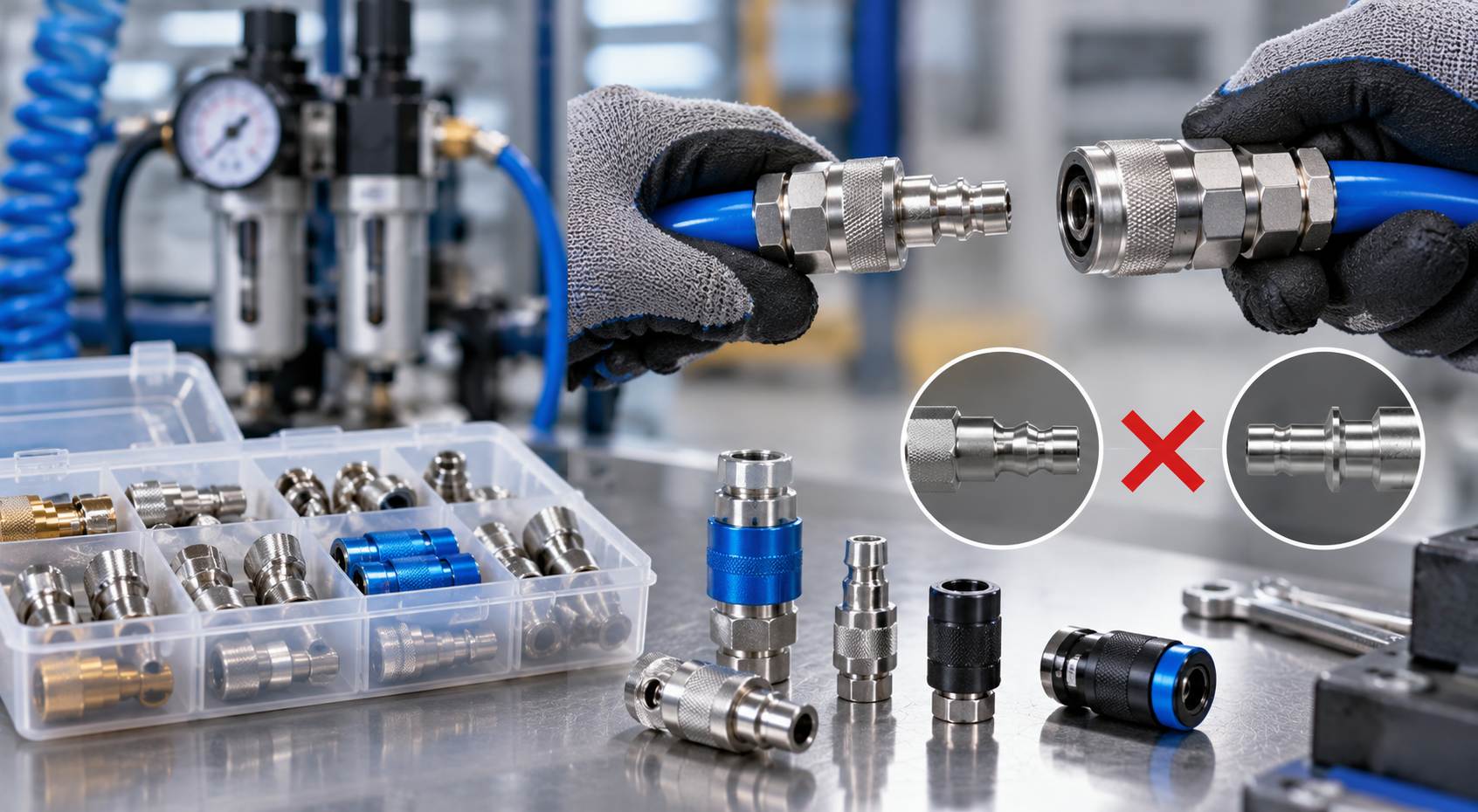
 18 SepBy AdminHow to Prevent Pneumatic Quick Coupler Mismatches in Workshop Air SystemsA pneumatic quick coupler should be selected by coupling profile, connection end, hose or tool interface, and service conditions—not by appearance alone. Two couplers can look almost identical yet fail to connect because the plug geometry differs, while a correct profile can still be the wrong purchase if the threaded or hose-barb end does not match the equipment. For maintenance buyers and OEM engineers, the practical challenge is standardization: define a compatible interface, document the end connection, and verify the complete socket-and-plug pair before volume purchasing. That approach reduces mismatched spares and air-line rework. Why Do Pneumatic Quick Couplers…
 -
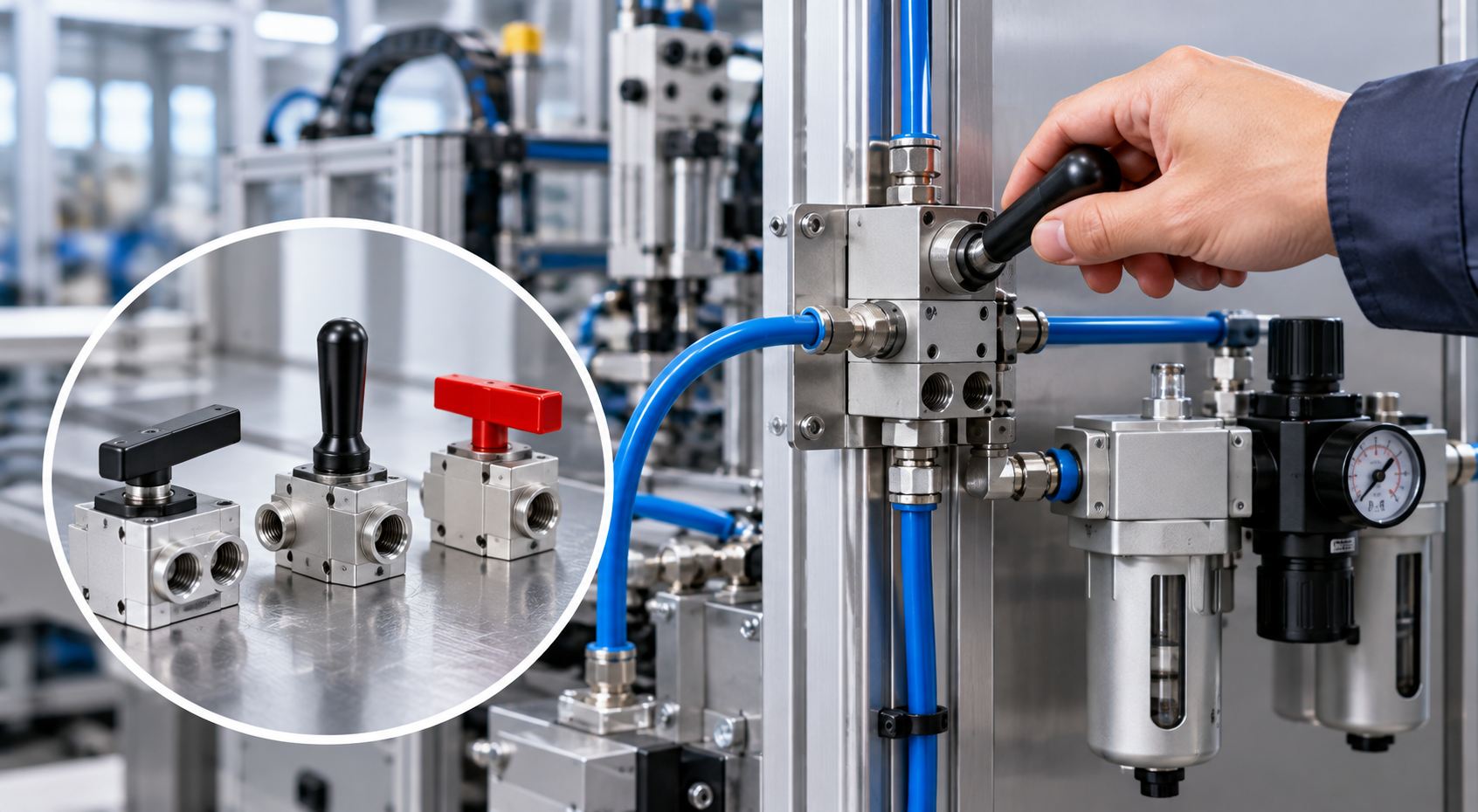
17 SepBy AdminHow to Choose a Pneumatic Hand Valve for Local Machine Isolation and MaintenanceA pneumatic hand valve is useful when a machine needs local airflow shutoff for setup or service, but selection should begin with the isolation task rather than the valve shape. Buyers need to know whether the line only needs on/off control, whether downstream pressure must be released after shutoff, where the operator will reach the valve, and which tube size and material are fixed in the machine. Those details affect function, installation, service access, and repeat-order consistency. This guide covers the decisions an OEM or factory buyer should settle before approving an inline pneumatic hand valve. What Isolation Function…
-
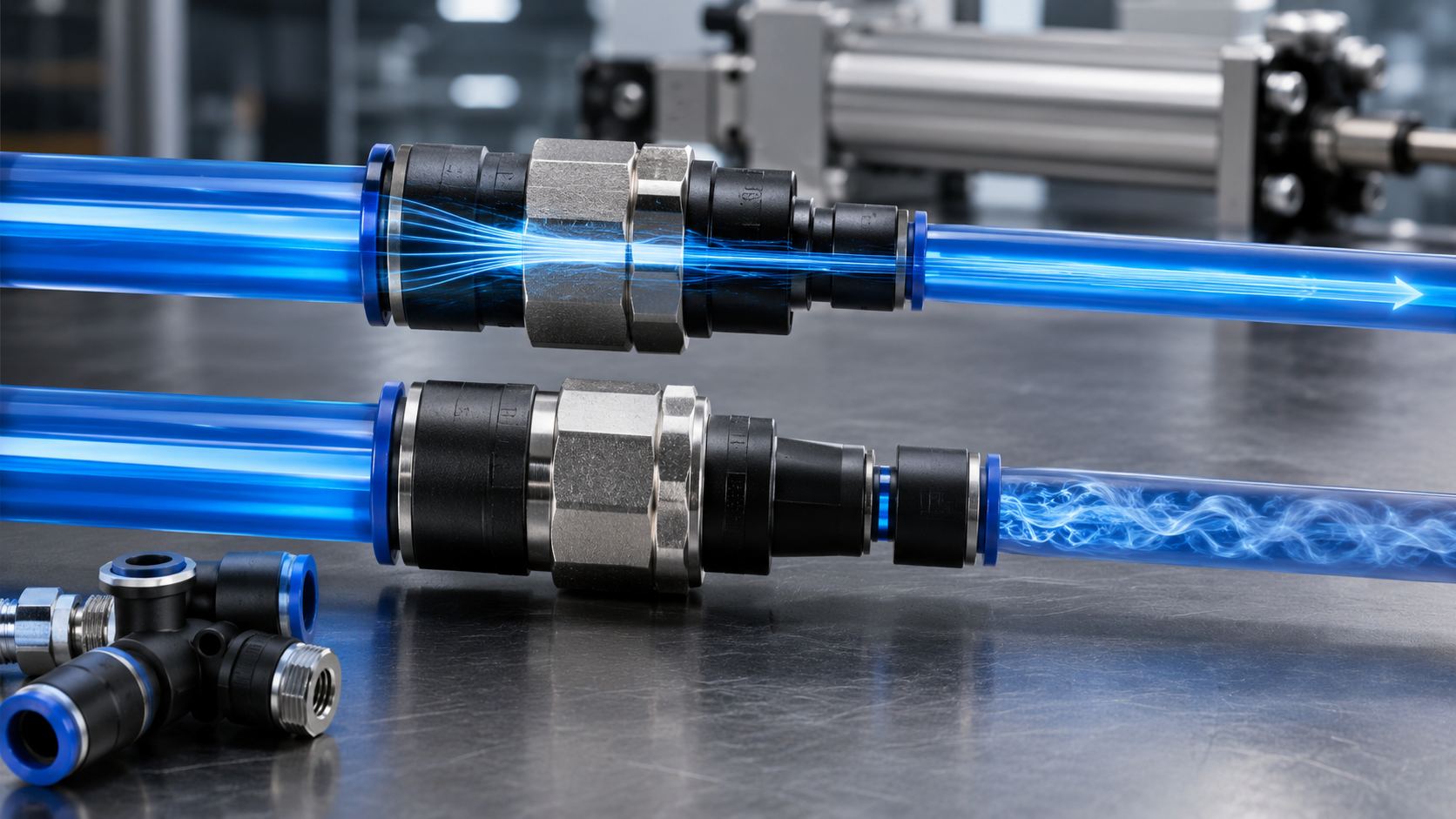
11 SepBy AdminHow to Size Reducing Push-to-Connect Fittings Without Creating Unnecessary Pressure DropReducing push-to-connect fittings solve a common pneumatic design problem: one part of a machine needs a smaller tube than the main air line. The mistake is assuming that any reducer with the correct two outside diameters will perform the same way. Reducing tube size changes the available flow area, and the location of that reduction can influence pressure drop, cylinder response, filling time, and future maintenance. For machine builders and B2B buyers, a reducer should therefore be selected as part of the complete air path. The useful question is not only “Will an 8 mm tube connect to a…
-
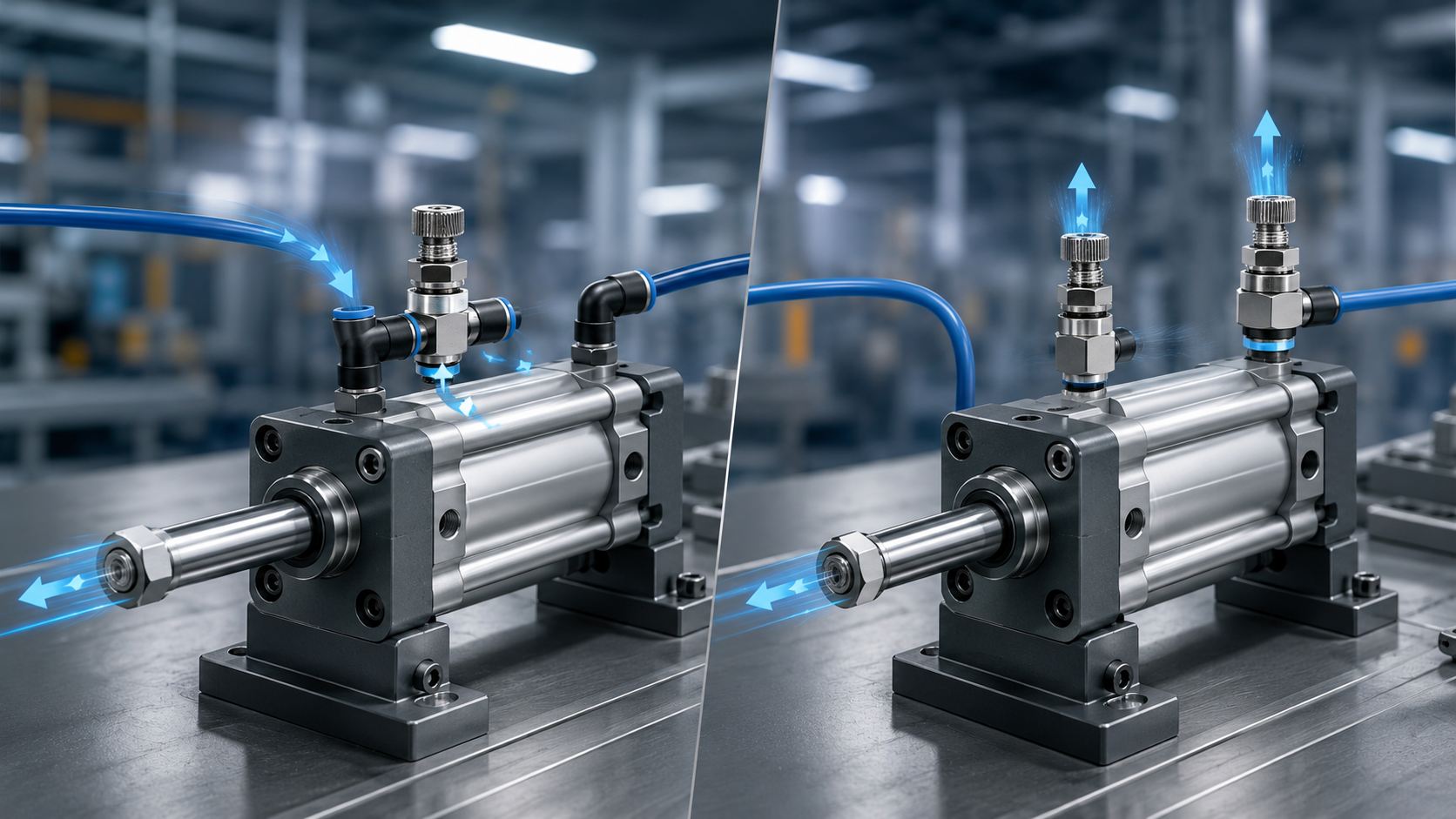
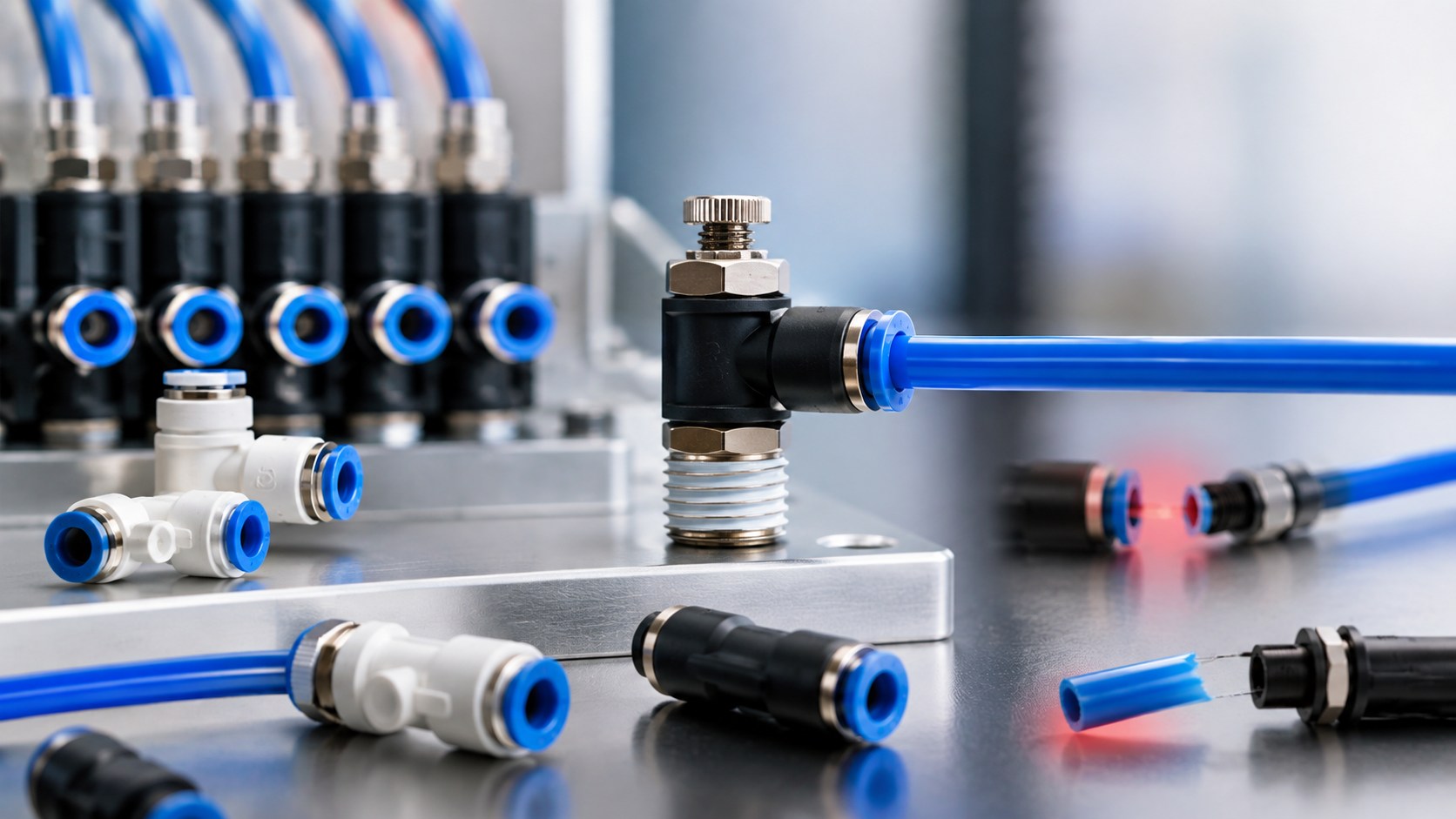
10 SepBy AdminMeter-In vs Meter-Out: How to Choose AS-Type Speed Controllers for Pneumatic CylindersA pneumatic cylinder can have the correct bore, pressure, valve, and tubing yet still move too fast, hesitate near the end of stroke, or change speed when the load changes. In many cases, the missing part of the design is airflow control. Meter-in and meter-out control both restrict airflow, but they restrict different sides of the cylinder and therefore produce different motion characteristics. For automation engineers and OEM buyers, choosing between them should be based on load direction, cylinder behavior, required speed stability, tubing layout, and the flow-control fitting itself. The goal is not simply to slow a cylinder…
-
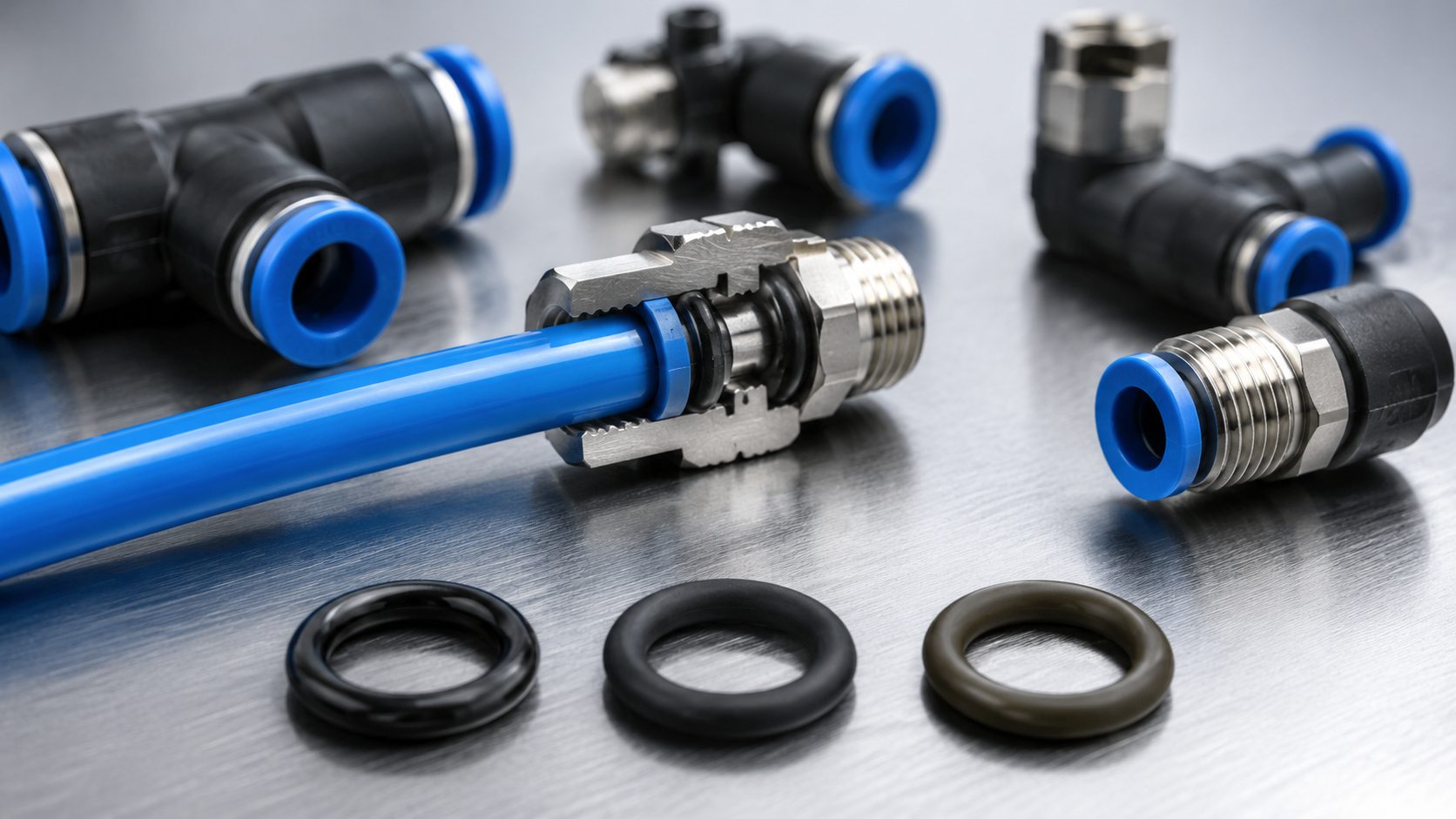
04 SepBy AdminChoosing the Right O-Ring Material for Pneumatic Fittings: NBR, EPDM, or FKM?The choice of an O-ring for a pneumatic fitting is primarily dictated by the environment, not the perceived sophistication of the elastomer. NBR is typically used for general compressed-air systems and contact with mineral oil. The use of EPDM is indicated whenever exposure to water, weather, or ozone is a factor, while FKM is the obvious choice for environments with high temperatures, oils, fuels, and aggressive chemicals. However, these categories should be used as a guideline only as the physical properties of the compound itself, plus the amount of compression, temperatures, exposure to lubricants and solvents, materials of construction, and…
-
03 SepBy AdminPush-to-Connect Fittings Installation Guide: 7 Mistakes That Reduce Pneumatic System PerformanceWhile push-to-connect fittings offer a rapid assembly process, they can prove unforgiving towards erroneous tube preparation and assembly procedures. Seven common mistakes that can occur during the assembly of these fittings include obtuse cut tube ends, incorrect tube size selection, insufficient insertion, improper thread engagement, excessive side loading, contamination, and neglecting the final leak test. These mistakes can lead to increased air loss in pneumatic systems, reduced tube retention, and intermittent failures upon machine startup. For Original Equipment Manufacturer (OEM) assemblers, maintenance technicians, and pneumatic-system buyers, the emphasis is on achieving fast assembly and ensuring each connection is repeatable to…