


Скрытая цена потерь энергии в пневматическом оборудовании: как полиуретановые трубки повышают эффективность более чем на 15%.
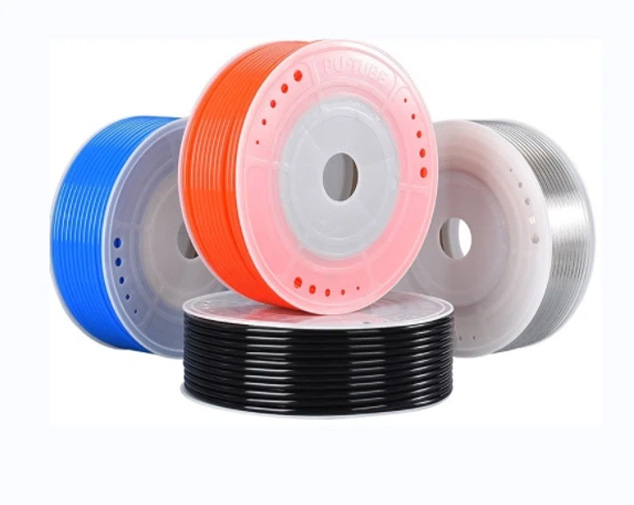
Сжатый воздух используется на множестве заводов. Он повсюду: в автоматизации, упаковке, сборочных линиях. Но вот в чем загвоздка — большинство предприятий сбрасывают воздух, не замечая этого. Утечки потребляют энергию. Счета растут. Производство незаметно замедляется.
Специалисты отрасли знают, как это работает. Министерство энергетики США оценивает средний уровень утечек в 20-30% от общего объема сжатого воздуха. В некоторых местах этот показатель достигает 40% и выше. Это означает, что компрессоры работают с большей нагрузкой и дольше. Затраты на электроэнергию быстро растут. Одна утечка в 1/8 дюйма при давлении 100 PSI? Легко 2500 долларов в год. Умножьте это на десятки мест утечки. Больно.
Руководители стремятся к значительной экономии. Новые компрессоры. Регулируемые приводы. Однако тихий вор — протекающие трубопроводы — часто остается без внимания. Вот тут-то и пригодятся более качественные трубки. Полиуретановые пневматические трубки сокращают эти потери. Их герметичность и гибкость удерживают воздух там, где ему положено быть. Реальные примеры замены показывают повышение эффективности на 15% и более. Меньше отходов. Снижение счетов. Более плавная работа.
В этой статье мы углубимся в цифры. Мы рассмотрим, почему утечки так сильно вредят здоровью. Как пневматические трубки из полиуретана противостоят этому. И простые шаги для выявления и устранения проблемы.
Реальная цена утечек сжатого воздуха
Утечки — это не просто раздражающее шипение. Они наносят серьезный удар по вашей прибыли.
Задумайтесь. Сжатый воздух является одним из самых дорогостоящих энергоресурсов на предприятии. Во многих компаниях он потребляет от 10 до 30% всей электроэнергии. Затем утечки отнимают в среднем 20-30% этого воздуха. В плохо обслуживаемых установках эта цифра еще выше.
Возьмем типичный компрессор мощностью 100 л.с. Работает круглосуточно при цене 0,10 доллара за кВт⋅ч. Небольшая система защиты от утечек — скажем, 10 небольших компрессоров общей производительностью 15 CFM — обходится более чем в 8000 долларов в год. Это реальные деньги. И это не учитывает простои из-за падения давления. Инструменты работают вяло. Циклы увеличиваются. Производительность падает.
По результатам моих обходов предприятий, самые проблемные места скрываются на виду. Старые резиновые шланги трескаются. Жесткие трубопроводы изнашиваются. Фитинги со временем ослабевают. Вибрация приводит к ослаблению уплотнений. Воздух выходит. Компрессоры включаются чаще.
На одной из линий по производству автозапчастей, которую я знаю, до проведения аудита наблюдалась утечка воздуха на 25%. После устранения утечек и модернизации трубопроводов потребление энергии заметно сократилось. Окупаемость пришла быстро.
Типичные источники утечек (в виде списка):
-
Треснувшие или изношенные шланги
-
Свободно стоящие быстроразъемные фитинги
-
Изношенные уплотнительные кольца и прокладки
-
Изогнутые или перекрученные линии
-
Некачественная маршрутизация, создающая нагрузку на соединения.
Устраните основные проблемы. Экономия последует.
Почему пневматические трубки из полиуретана имеют значение?
Полиуретановые пневматические трубки справляются со своей задачей лучше, чем многие альтернативные варианты. Они сохраняют гибкость, обеспечивают герметичность и устойчивы к износу.
Материал восстанавливает свою форму после изгибов. Отсутствуют перегибы, которые ограничивают поток или создают слабые места. Герметичные соединения удерживают давление. Воздух остается внутри. Меньше утечек.
По сравнению с жестким нейлоном или хрупким ПВХ, полиуретановые трубки поглощают вибрацию. Это имеет огромное значение в робототехнике или для подвижных манипуляторов. Меньшая нагрузка на суставы. Меньше микропротечек со временем.
Версии на основе эфиров лучше противостоят влаге. Не вызывают гидролиза, разрушающего стену изнутри. Эфиры устойчивы к маслам и топливу. Выберите правильный вариант. Он прослужит дольше. Утечек будет меньше.
В реальных условиях предприятия сообщают о снижении уровня утечек после перехода на новые технологии. На одном предприятии по упаковке потребление воздуха упало на 18% после полного внедрения полиуретановых трубок. Компрессоры работали реже. Снижались счета за электроэнергию. Улучшилось время безотказной работы.
Герметичность и гибкость в действии
Надежная герметизация начинается с самой трубки. Гладкая внутренняя стенка полиуретана уменьшает турбулентность. Но главное преимущество? Способ соединения с фитингами.
Быстроразъемные соединения обеспечивают надежное сцепление с полиуретаном. Небольшая эластичность трубки заполняет мельчайшие зазоры. Воздух не просачивается наружу.
Гибкость также облегчает прокладку кабелей. Аккуратные участки без резких изгибов. Меньшая нагрузка. Соединения держатся дольше и надежнее.
Износостойкость накапливается. Пыльные растения прогрызают трубки меньшего диаметра. Полиуретан не боится этого. Никаких микроотверстий от износа.
Это подтверждают данные. Замена трубок на качественные полиуретановые часто снижает потери, связанные с утечками, на 15-25%. Это приводит к заметному повышению эффективности — иногда более чем на 15% в целом, если учитывать результаты проверок.
Количественная оценка повышения эффективности
Цифры говорят сами за себя.
Начнем с базового уровня. Многие предприятия работают с общей эффективностью 10-15% при использовании сжатого воздуха. Большая часть энергии преобразуется в тепло. Утечки усугубляют ситуацию.
После устранения утечек с помощью более качественных полиуретановых пневматических трубок:
-
Потребность в воздухе снижается на 15-20%.
-
Соответственно, время работы компрессора сокращается.
-
Во многих случаях потребление энергии сокращается на 10-20%.
Предприятие среднего размера с компрессорами мощностью 200 л.с. Годовые расходы на сжатый воздух составляют около 150 000 долларов. Утечки сокращены на 20%. Экономия более 30 000 долларов. Окупаемость модернизации трубопроводов? Месяцы, а не годы.
Одна горнодобывающая компания провела тщательное исследование. Старые трубопроводы сильно протекали. После установки пневматических труб из полиуретана и соответствующих фитингов потери воздуха сократились вдвое. Эффективность выросла более чем на 15%. По их расчетам, окупаемость составила менее года.
Не гадайте. Измеряйте. Ультразвуковые детекторы быстро обнаруживают утечки. Помечайте их. Устраняйте утечки с помощью полиуретановых деталей. Отслеживайте расход воздуха до и после.
Шаги по сокращению потерь в вашей собственной системе
Готовы взяться за дело?
Для начала прислушайтесь. Пройдитесь по залу. Слышите шипение? Отметьте места.
А ещё лучше — используйте ультразвук. Он обнаруживает мельчайшие утечки, которые уши не замечают.
Затем проведите аудит. Проверьте все линии. Фитинги. Клапаны.
Расставьте приоритеты. В первую очередь устраняйте крупные протечки. Затем замените трубки на более качественные.
Используйте пневматические трубки из полиуретана. Подбирайте размер и тип в зависимости от задачи. Эфир для влажных помещений. Огнестойкий состав для защиты от искр.
Измените маршрут для плавных изгибов. Добавьте опоры. Уменьшите вибрацию.
Мониторинг продолжается. Утечки возобновляются. Запланировать проверки.
Многие видят в этом быстрые результаты. Одна электростанция сократила потребление воздуха на 22% за шесть месяцев.
Инструменты и поддержка для достижения лучших результатов
Не ослепните. Обратитесь за помощью.
Aisili предлагает возможности индивидуальной настройки и техническую поддержку. Предоставьте подробную информацию о вашей конфигурации. Они предложат подходящие варианты.
Они предоставляют бесплатные образцы для тестирования в реальных условиях. Убедитесь в разнице сами.
Для более подробной информации свяжитесь с ними, чтобы узнать о вариантах поддержки. Команда инженеров проверяет системы и указывает на слабые места.
Всё просто. Форма обратной связи на сайте. Быстрый ответ.
О компании Aisili Pneumatic
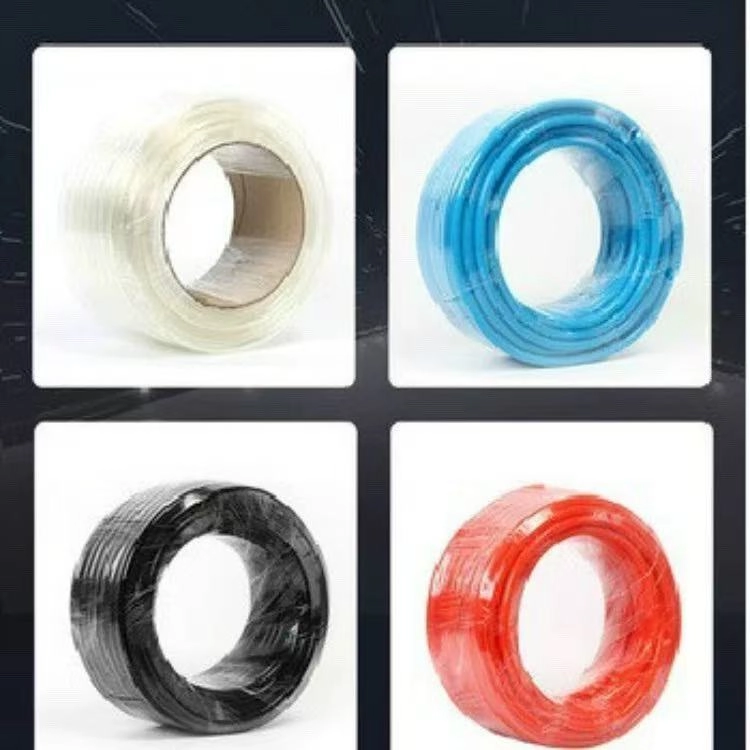
Aisili Пневматический выделяется как профессиональный производитель посвящено разработке и производству полиуретановые пневматические трубки и сопутствующих пневматических материалов. Компания, основанная в 2007 году в Яньтае, Китай, накопила опыт в производстве высококачественных полиуретановых труб. Два предприятия используют передовые экструзионные линии. Строгий контроль качества обеспечивает стабильность продукции. Продукция соответствует стандартам. стандарты RoHS и REACHОни обслуживают более 30 стран в сфере автоматизации, робототехники, упаковки и многого другого. Особое внимание уделяется индивидуальной настройке — размеры, цвета, твердость подбираются в соответствии с потребностями. Быстрая доставка и надежная поддержка обеспечивают стабильную работу систем.
Заключение
Утечки сжатого воздуха незаметно приводят к потере средств. Предприятия игнорируют их, стремясь к другим способам экономии. Но переход на качественные пневматические трубки из полиуретана меняет ситуацию. Герметичные уплотнения. Лучшая гибкость. Меньше отходов. Во многих случаях эффективность повышается на 15% и более. Снижаются счета за электроэнергию. Оптимизируются производственные процессы.
Внимательно изучите свои трубопроводы. Найдите утечки. Обновите систему с умом. Окупаемость окупится быстро. Свяжитесь с нами для получения образцов или консультации. Начните экономить уже сегодня.
Часто задаваемые вопросы
Во сколько на самом деле могут обойтись утечки сжатого воздуха для предприятия?
Утечки в среднем приводят к потере 20-30% сжатого воздуха. На типичном предприятии это добавляет тысячи долларов в год. Одна небольшая утечка может обойтись в 500-2500 долларов в год. Десятки утечек быстро накапливаются. Полиуретановые пневматические трубки сокращают эти потери благодаря лучшей герметизации и более длительному сроку службы.
Почему пневматические трубки из полиуретана помогают снизить потери энергии по сравнению с трубками из других материалов?
Полиуретановые пневматические трубки сохраняют гибкость и не перегибаются. Они плотно прилегают к фитингам. Вибрация не приводит к их быстрому ослаблению. Износостойкость предотвращает образование микротрещин. Реальные примеры замены показывают снижение потребности в сжатом воздухе на 15-20%. Компрессоры работают меньше. Экономия энергии происходит естественным образом.
Какого повышения эффективности я могу ожидать от перехода на пневматические трубки из полиуретана?
На многих предприятиях после модернизации наблюдается общий прирост производительности более чем на 15%. Резко снижается уровень утечек. На одной упаковочной линии потребление воздуха сократилось на 18%. В горнодобывающей промышленности потери сократились вдвое. Отслеживайте собственный показатель CFM до и после модернизации. Результаты быстро складываются.
С чего начать проверку пневматической системы на наличие утечек?
В тихие часы прислушивайтесь к шипению. Еще лучше — используйте ультразвуковой детектор. Он точно определяет даже мельчайшие утечки. Пометьте их. Затем замените слабые места пневматическими трубами из полиуретана. Аккуратно перенаправьте линии. Повторно проверьте после устранения неполадок. Экономия будет заметна быстро.
Может ли компания Aisili помочь с аудитом или улучшением моей пневматической системы?
Да. Компания Aisili предоставляет техническую поддержку и услуги по индивидуальной настройке. Поделитесь подробностями вашего проекта. Они рекомендуют варианты пневматических труб из полиуретана. Бесплатные образцы позволят вам протестировать систему в ваших условиях. Свяжитесь с ними для получения консультаций по устранению утечек и повышению эффективности.