


ท่อลมสำหรับสายการประกอบรถยนต์: Flexcoil แก้ปัญหา “ฝันร้ายของตัวยึดสายเคเบิล” ได้อย่างไร
ลองเดินไปตามสายการผลิตรถยนต์สมัยใหม่ดูสิ แล้วคุณจะได้ยินเรื่องราวเดียวกันจากทีมซ่อมบำรุง หุ่นยนต์กำลังเชื่อมโลหะ แขนกลกำลังแกว่งไปมา และเครื่องมือลมกำลังทำงานหลายร้อยครั้งต่อชั่วโมง แล้วจู่ๆ สายการผลิตก็หยุดลง สายลมอีกเส้นหนึ่งเกิดชำรุดภายในรางสายเคเบิล
ทีมงานรู้แน่ชัดว่าเกิดอะไรขึ้น ท่ออาจถูกบีบอัด เสียดสีกับข้อต่อโลหะ หรือบิดงอจนทำให้การไหลของอากาศหยุดชะงัก การผลิตต้องหยุดชั่วคราวขณะที่พวกเขาดึงส่วนที่เสียหายออกและติดตั้งส่วนใหม่เข้าไป การหยุดชะงักเหล่านี้เกิดขึ้นอย่างรวดเร็ว บางครั้งอาจทำให้สูญเสียผลผลิตไปหลายพันดอลลาร์ต่อนาที
นั่นคือ “ฝันร้ายของรางลำเลียงสายเคเบิล” ที่วิศวกรอุปกรณ์ในโรงงานผลิตรถยนต์ต้องเผชิญ ท่อตรงหรือสายยางพื้นฐานไม่ได้ถูกออกแบบมาให้ทนทานต่อการเคลื่อนที่ไปมาอย่างต่อเนื่อง การโค้งงอที่แคบ ละอองน้ำมัน และเศษโลหะจากการเชื่อม ซึ่งเป็นลักษณะเฉพาะของสายการผลิตความเร็วสูงในปัจจุบัน ท่อ Flexcoil PU จาก Aisili สมการนั้นเปลี่ยนไป
ปัญหาที่แท้จริงในระบบท่อลมของยานยนต์
สถานีเชื่อมแบบหุ่นยนต์และอุปกรณ์ปรับสมดุลเครื่องมือเคลื่อนที่ทำให้ท่อต้องเผชิญกับสภาวะที่รุนแรง รางสายเคเบิลงอหลายพันรอบต่อกะ ขอบโลหะเสียดสีกับท่อทุกครั้งที่มีการเคลื่อนไหว ละอองน้ำมันจากอุปกรณ์หล่อลื่นและประกายไฟจากการเชื่อมจะเกาะอยู่บนพื้นผิว
ท่อมาตรฐานมักจะแสดงร่องรอยการสึกหรอภายในไม่กี่สัปดาห์ คุณจะเห็นรอยแบน รอยตัดเล็กๆ ที่ขยายใหญ่ขึ้นจนกลายเป็นรอยรั่ว หรือรอยหักงออย่างกะทันหันที่ทำให้เส้นผ่านศูนย์กลางภายในยุบตัวลงและทำให้กระบอกสูบขาดอากาศ เมื่อเกิดเหตุการณ์เช่นนั้น ตัวกระตุ้นจะทำงานช้าลงหรือหยุดทำงานไปเลย ปัญหาด้านคุณภาพก็จะตามมา ในกรณีที่เลวร้ายที่สุด เครื่องมือที่ติดขัดอาจทำให้ตัวถังรถเสียหายได้
วิศวกรในโรงงานผลิตรถยนต์ได้ติดตามปัญหาเหล่านี้มานานหลายปีแล้ว ในสายการผลิตอัตโนมัติทั่วไปที่ทำงานกะละ 18 ชั่วโมง ทีมซ่อมบำรุงจะเปลี่ยนท่อที่เสียหายทุกๆ 4 ถึง 8 สัปดาห์ การเปลี่ยนแต่ละครั้งหมายถึงเวลาหยุดทำงาน 30 ถึง 90 นาที บวกกับค่าแรงในการจัดเส้นทางท่อใหม่ผ่านตัวลำเลียง คูณด้วยจำนวนสถานีหลายสิบสถานีแล้ว ต้นทุนแฝงก็จะมหาศาล
เหตุใดท่อธรรมดาจึงใช้งานไม่ได้ภายในตัวยึดสายเคเบิล
สายยางลมมาตรฐานส่วนใหญ่ขาดคุณสมบัติที่สมดุลระหว่างความยืดหยุ่นและความทนทาน อาจรับแรงดันได้ดีเมื่ออยู่นิ่ง แต่จะทำงานได้ไม่ดีเมื่อเริ่มมีการเคลื่อนไหว:
-
การเสียดสีซ้ำๆ เมื่อเสียดสีกับผนังของตัวกลาง จะทำให้ชั้นนอกสึกกร่อนอย่างรวดเร็ว
-
รัศมีโค้งแคบ อาจทำให้เกิดการบิดงอหรือยุบตัว โดยเฉพาะอย่างยิ่งเมื่อแขนเปลี่ยนทิศทางอย่างรวดเร็ว
-
การสัมผัสกับน้ำมันและสารเคมี สภาพแวดล้อมของโรงงานทำให้วัสดุเปราะบางลงเมื่อเวลาผ่านไป
-
ความจำไม่ดี ส่งผลให้เกิดการบิดงอและพันกันอย่างถาวร ซึ่งขัดขวางการไหลเวียนของอากาศ
ผลที่ตามมาคือ ประสิทธิภาพการทำงานของเครื่องมือไม่สม่ำเสมอ การหยุดทำงานโดยไม่คาดคิด และค่าใช้จ่ายด้านการบำรุงรักษาที่เพิ่มขึ้นอย่างต่อเนื่อง
ท่อ Flexcoil PU ทนทานต่อการใช้งานหนักได้อย่างไร
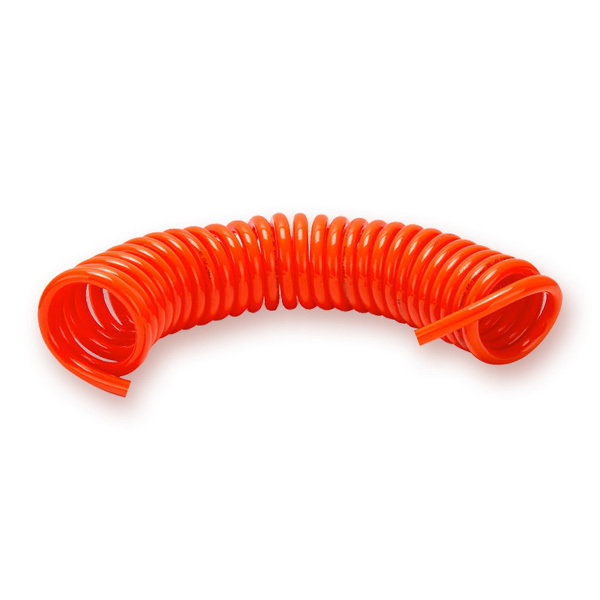
ท่อ Flexcoil PU เป็นท่อลมโพลียูรีเทนแบบเกลียวที่ออกแบบมาโดยเฉพาะสำหรับการใช้งานแบบไดนามิกเช่นนี้ ผลิตจาก TPU คุณภาพสูงที่ใช้เอสเทอร์หรืออีเทอร์เป็นส่วนประกอบหลัก จึงมีคุณสมบัติที่สมดุลอย่างเป็นเอกลักษณ์ซึ่งท่อตรงทั่วไปไม่สามารถเทียบได้
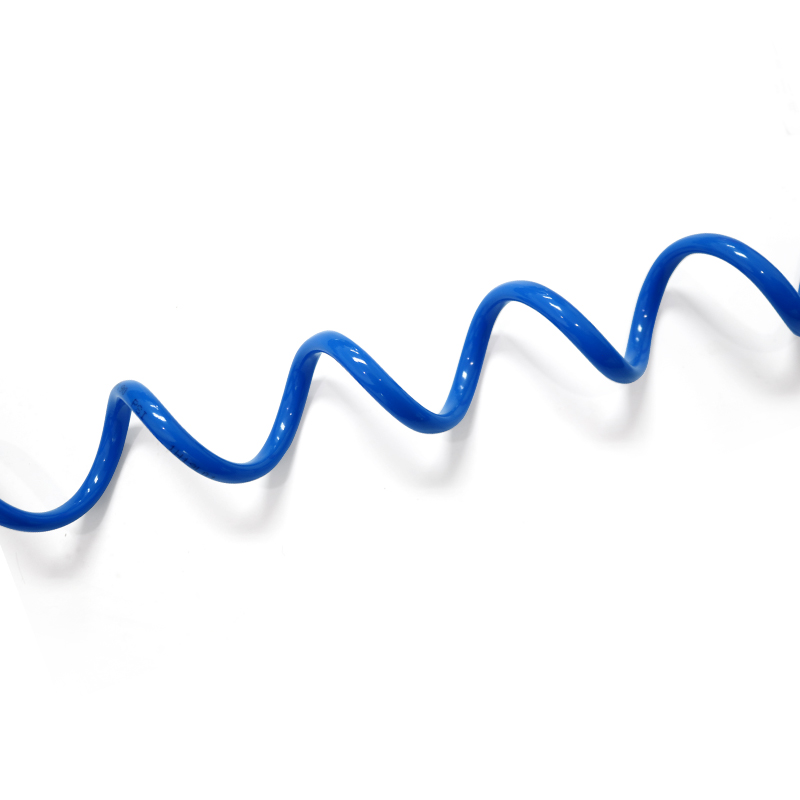
การออกแบบแบบเกลียวช่วยให้สายยางยืดออกได้อย่างราบรื่นเมื่อหุ่นยนต์หรือเครื่องมือเคลื่อนที่ แล้วจะหดกลับโดยอัตโนมัติเมื่อกลับมาถึงตำแหน่งเดิม การทำงานแบบหดกลับอัตโนมัตินี้ช่วยให้สายยางเรียบร้อยและป้องกันไม่ให้เกิดการพันกันหรือเกี่ยวกันภายในตัวยึด
ข้อดีที่สำคัญจะปรากฏให้เห็นในการใช้งานจริง:
-
ทนทานต่อการเสียดสีได้ดีเยี่ยม ทนทานต่อการเสียดสีกับข้อต่อโลหะอย่างต่อเนื่อง
-
เส้นผ่านศูนย์กลางขดลวดแคบและรัศมีโค้งเล็ก ช่วยให้เคลื่อนไหวได้อย่างราบรื่นแม้ในพื้นที่แคบโดยไม่ทำให้ชิ้นส่วนต่างๆ เสียรูปทรง
-
มีความทนทานต่อการฉีกขาดและมีความยืดหยุ่นสูง ป้องกันการบาดเจ็บจากเศษโลหะกระเด็นจากการเชื่อมหรือขอบคมต่างๆ
-
มีความยืดหยุ่นดีที่อุณหภูมิต่ำ ป้องกันการแตกร้าวระหว่างการสตาร์ทเครื่องยนต์ในสภาพอากาศเย็นหรือการทำงานในช่วงฤดูหนาว
ด้วยแรงดันใช้งานสูงสุด 10 บาร์ (แรงดันระเบิด 25 บาร์ ที่ 20°C) และช่วงอุณหภูมิใช้งานตั้งแต่ -15°C ถึง 60°C จึงสามารถส่งลมไปยังกระบอกสูบและเครื่องมือลมได้อย่างต่อเนื่องตลอดการทำงาน
มีขนาดเส้นผ่านศูนย์กลางภายนอกตั้งแต่ 4 มม. ถึง 16 มม. และสามารถสั่งตัดความยาวได้ตั้งแต่ไม่กี่เมตรจนถึง 20 เมตร คุณสามารถเลือกความแข็งได้ตั้งแต่ 90 ถึง 98 Shore A และเลือกสีให้ตรงกับข้อกำหนดด้านความปลอดภัยของโรงงาน สายการผลิตยานยนต์หลายแห่งใช้รุ่น 6 มม., 8 มม. หรือ 10 มม. สำหรับเครื่องปรับสมดุลเครื่องมือและแขนหุ่นยนต์
ประสิทธิภาพในโลกแห่งความเป็นจริงของการประกอบชิ้นส่วนยานยนต์
วิศวกรโรงงานที่เปลี่ยนมาใช้ท่อ Flexcoil PU ในงานลำเลียงสายเคเบิล รายงานว่าพบความแตกต่างอย่างเห็นได้ชัดแทบจะในทันที
โรงงานประกอบรถยนต์แห่งหนึ่งในแถบมิดเวสต์ที่ผลิตตัวถังรถ SUV จำนวนมาก ได้ติดตั้งท่อดังกล่าวในสถานีเชื่อมแบบหุ่นยนต์ 42 แห่ง ท่อเดิมใช้งานได้ประมาณหกสัปดาห์ก่อนที่จะเริ่มสึกหรอหรือบิดงออย่างเห็นได้ชัด หลังจากเปลี่ยนมาใช้ท่อใหม่แล้ว สายการผลิตเดียวกันนี้ใช้งานได้นานกว่าหกเดือนโดยไม่มีปัญหาใดๆ เกี่ยวกับท่อ หัวหน้างานฝ่ายบำรุงรักษาตั้งข้อสังเกตว่า คุณสมบัติการคืนตัวแบบเกลียวช่วยป้องกันไม่ให้ท่อบิดงอแม้ในขณะที่เปลี่ยนทิศทางอย่างรวดเร็ว
ผู้ผลิตชิ้นส่วนอิเล็กทรอนิกส์อีกรายที่ทำงานเกี่ยวกับท่อส่งแบตเตอรี่รถยนต์ไฟฟ้าประสบปัญหาท่อหักงอบ่อยครั้งในบริเวณโค้งงอแคบๆ Flexcoil ที่มีคุณสมบัติยืดหยุ่นสูงและแรงคืนตัวที่แข็งแรงช่วยแก้ปัญหานี้ได้ แรงดันลมที่เครื่องมือคงที่ และเวลาในการทำงานดีขึ้นเล็กน้อยเนื่องจากไม่ต้องรอให้แรงดันเพิ่มขึ้นหลังจากท่อหักงอคลายตัวอีกต่อไป
นี่ไม่ใช่ผลการทดสอบจากห้องแล็บ แต่มาจากสายการผลิตจริง ที่ทุกนาทีของการทำงานมีความสำคัญอย่างยิ่ง
ต่อไปนี้เป็นการเปรียบเทียบอย่างรวดเร็วโดยอิงจากการสังเกตภาคสนาม:
| ปัญหา | ท่อตรงมาตรฐาน | ท่อ Flexcoil PU |
|---|---|---|
| การสึกหรอจากผนังของตัวลำเลียง | สึกหรอหมดภายในไม่กี่สัปดาห์ | ต้านทานได้นานหลายเดือน |
| การบิดงอ / การยุบตัว | พบได้ทั่วไปในการกลับตัวที่แคบ | หายากเนื่องจากความจำแบบเกลียว |
| พันกันภายในกระเป๋าใส่ของ | บ่อย | น้อยที่สุด – หดกลับอัตโนมัติ |
| อายุการใช้งานโดยทั่วไปในรถยนต์ | 4–8 สัปดาห์ | ปฏิบัติหน้าที่ในลักษณะเดียวกันมาแล้ว 6 เดือนขึ้นไป |
| ความถี่ในการเปลี่ยน | สูง | ลดลงอย่างมีนัยสำคัญ |
รายละเอียดทางเทคนิคที่สร้างความแตกต่าง
Flexcoil ผลิตจากเม็ด TPU คุณภาพสูงที่อัดขึ้นรูปเป็นขดลวดเกลียวสม่ำเสมอ วัสดุนี้มีความยืดหยุ่นสูงก่อนขาด ซึ่งหมายความว่าสามารถยืดและคืนตัวได้ซ้ำๆ โดยไม่เสียรูปทรงถาวร
พื้นผิวด้านในที่เรียบลื่นช่วยรักษาการไหลเวียนของอากาศได้ดีเยี่ยมโดยมีการสูญเสียแรงดันน้อยที่สุด ผนังด้านนอกทนทานต่อละอองน้ำมัน น้ำยาหล่อเย็น และเศษโลหะจากการเชื่อมได้ดีกว่าท่อทั่วไปหลายชนิด เนื่องจากสามารถหดกลับได้โดยอัตโนมัติ คุณจึงหลีกเลี่ยงความเทอะทะและน้ำหนักที่เพิ่มขึ้นจากการใช้ท่อตรงที่ยาวกว่าหรืออุปกรณ์หดกลับภายนอก
สำหรับผู้บูรณาการระบบอัตโนมัติ นั่นหมายถึงการออกแบบตัวขนส่งที่เรียบง่ายขึ้น น้ำหนักโดยรวมของระบบลดลง และส่วนประกอบสนับสนุนน้อยลง
ขอแนะนำ Aisili Pneumatic
ก่อนที่คุณจะกำหนดสเปคท่อลมชุดต่อไป การรู้จักบริษัทที่อยู่เบื้องหลัง Flexcoil จะเป็นประโยชน์อย่างมาก Aisili นิวเมติก เป็นผู้ผลิตมืออาชีพที่ทุ่มเทให้กับการพัฒนาและการผลิตท่อลมโพลียูรีเทนและวัสดุนิวแมติกที่เกี่ยวข้อง ตั้งแต่ปี 2007 พวกเขาได้มุ่งเน้นไปที่... โซลูชัน PU ประสิทธิภาพสูง สำหรับระบบอัตโนมัติทางอุตสาหกรรม
ด้วยโรงงานผลิตที่ทันสมัยสองแห่งและสายการผลิตแบบอัดรีดขั้นสูง Aisili จึงส่งมอบผลิตภัณฑ์คุณภาพสม่ำเสมอและรวดเร็ว คำสั่งซื้อตามสั่งพร้อมด้วยการสนับสนุนทางเทคนิคที่ตอบสนองรวดเร็ว ผลิตภัณฑ์ของพวกเขาให้บริการลูกค้าในกว่า 30 ประเทศในอุตสาหกรรมยานยนต์ หุ่นยนต์ บรรจุภัณฑ์ และภาคส่วนอื่นๆ ที่ต้องการความทนทานสูง ทีมงานเข้าใจถึงความท้าทายในโลกแห่งความเป็นจริงในสายการผลิต และสร้างท่อที่มีอายุการใช้งานยาวนาน
บทสรุป
ปัญหาท่อร้อยสายเคเบิลที่ยุ่งยากไม่จำเป็นต้องเป็นส่วนหนึ่งของการประกอบรถยนต์ การชำรุดของท่อภายในตัวลำเลียงอย่างต่อเนื่องทำให้ต้นทุนการบำรุงรักษาสูงขึ้น สายการผลิตช้าลง และสร้างความหงุดหงิดให้กับทุกคนที่เกี่ยวข้อง ท่อ Flexcoil PU นำเสนอวิธีการที่ใช้งานได้จริงและได้รับการพิสูจน์แล้วในการลดปัญหาเหล่านั้น ความทนทานต่อการเสียดสี ความสามารถในการดัดงอได้อย่างแม่นยำ ความจำรูปทรงที่ดี และโครงสร้างโพลียูรีเทนที่ทนทาน ช่วยให้ลมไหลเวียนได้อย่างน่าเชื่อถือแม้ในการใช้งานแบบลูกสูบที่หนักหน่วงที่สุด
ครั้งต่อไปที่คุณตรวจสอบระบบนิวแมติกสำหรับเซลล์หุ่นยนต์หรือที่แขวนเครื่องมือ ลองคำนวณเวลาหยุดทำงานและต้นทุนการเปลี่ยนอะไหล่ดู หลายโรงงานพบว่าการเปลี่ยนมาใช้ Flexcoil นั้นคุ้มค่าในเวลาไม่นาน เนื่องจากมีการหยุดทำงานน้อยลงและลดภาระในการบำรุงรักษาลง
พร้อมที่จะทดสอบในสายการผลิตของคุณเองแล้วหรือยัง? ติดต่อ Aisili เพื่อขอตัวอย่างและคำแนะนำการใช้งานที่ปรับให้เหมาะสมกับความต้องการในการประกอบของคุณ
คำถามที่พบบ่อย
ท่อ Flexcoil PU แตกต่างจากท่อลมตรงทั่วไปที่ใช้ในรางสายเคเบิลอย่างไร?
Flexcoil คือสายรัดแบบเกลียวที่ยืดและหดได้โดยอัตโนมัติ ช่วยให้จัดระเบียบภายในที่จัดเก็บ ลดการพันกัน และลดโอกาสที่สายรัดจะหักงอหรือยุบตัวลงระหว่างการเคลื่อนไหวอย่างรวดเร็วซึ่งมักเกิดขึ้นในสายการผลิตยานยนต์
ท่อ Flexcoil PU ทนทานต่อการเสียดสีและละอองน้ำมันในสถานีเชื่อมได้ดีแค่ไหน?
สายยางนี้มีประสิทธิภาพสูงเนื่องจากผลิตจากวัสดุโพลียูรีเทนที่ทนทาน พื้นผิวด้านนอกทนต่อการสึกหรอจากข้อต่อโลหะ และทนต่อละอองน้ำมันและเศษเชื่อมได้ดีกว่าสายยางมาตรฐานทั่วไปหลายชนิด ส่งผลให้มีระยะเวลาการใช้งานที่ยาวนานขึ้น
ท่อ Flexcoil PU สามารถดัดโค้งได้แคบๆ ตามแบบแขนหุ่นยนต์สมัยใหม่หรือไม่?
ใช่แล้ว ด้วยขนาดเส้นผ่านศูนย์กลางของคอยล์ที่กะทัดรัดและความยืดหยุ่นที่ดีเยี่ยม ทำให้สามารถใช้งานได้อย่างราบรื่นแม้ในพื้นที่จำกัด โดยไม่ทำให้ข้อต่อเสียรูปทรงหรือจำกัดการไหลของอากาศ
มีขนาดและความยาวใดบ้างที่เหมาะสำหรับการใช้งานในอุตสาหกรรมยานยนต์?
ขนาดทั่วไปได้แก่ 6 มม., 8 มม. และ 10 มม. (เส้นผ่านศูนย์กลางภายนอก) โดยมีความยาวใช้งานตั้งแต่ไม่กี่เมตรจนถึง 20 เมตร สามารถสั่งทำตามแบบที่ต้องการได้ง่าย ไม่ว่าจะเป็นขนาดเส้นผ่านศูนย์กลาง ขนาดม้วน สี และความแข็ง ผ่านทาง Aisili
เหตุใดวิศวกรยานยนต์จึงควรเลือกใช้ท่อ Flexcoil PU แทนวัสดุทางเลือกที่ราคาถูกกว่า?
เนื่องจากต้นทุนที่แท้จริงจะปรากฏในรูปแบบของเวลาหยุดทำงานและการเปลี่ยนชิ้นส่วนบ่อยครั้ง ความทนทานและการออกแบบที่ดึงกลับอัตโนมัติของ Flexcoil ช่วยลดค่าใช้จ่ายเหล่านั้นได้อย่างมากในการใช้งานกับรางนำสายเคเบิลที่มีรอบการใช้งานสูง