


ท่อลมทำงานอย่างไร? หลักการ ส่วนประกอบ และการใช้งาน
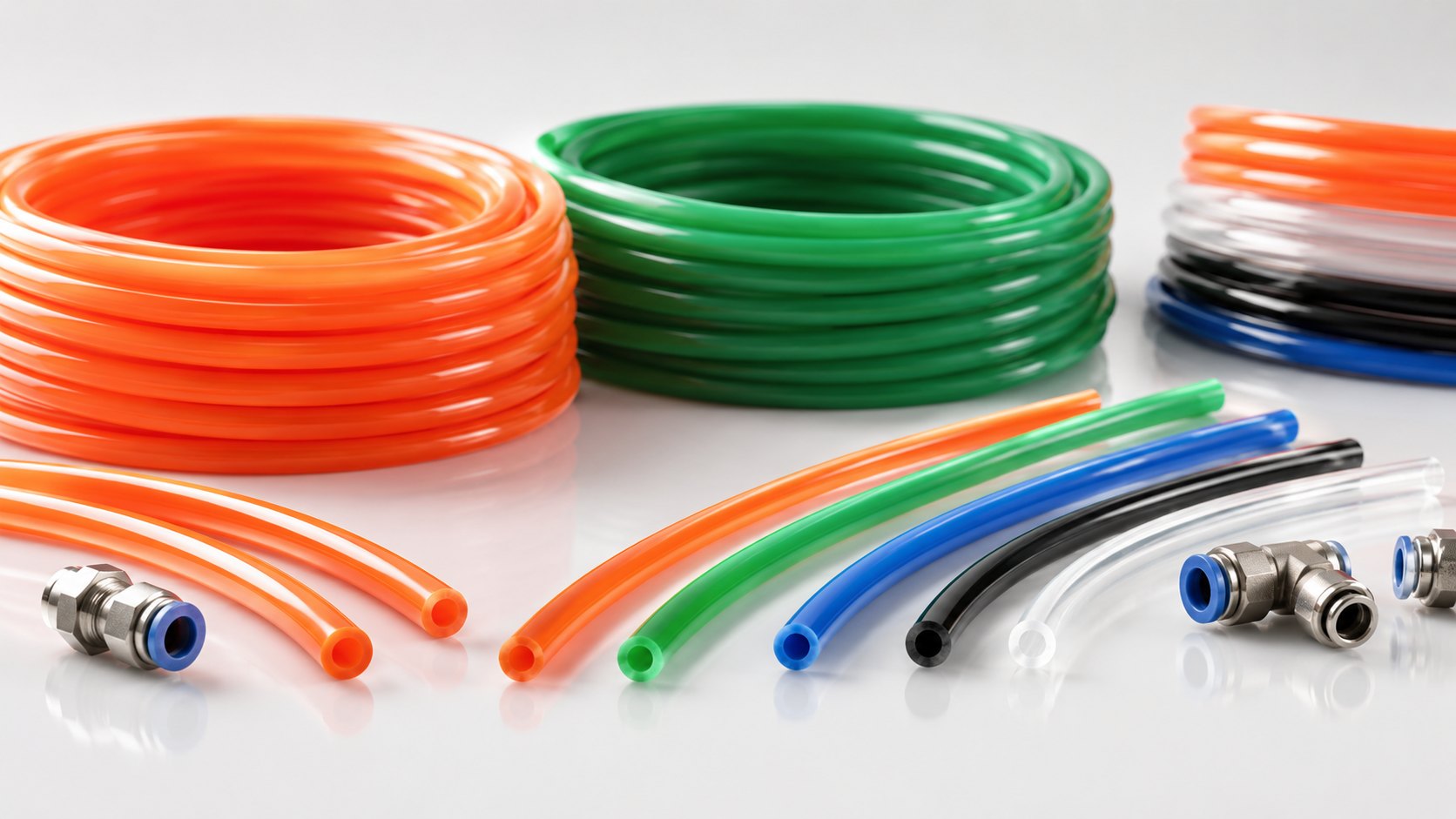 ดูเหมือนจะง่ายมากเลย – ท่อลมที่ทำจาก PUและแน่นอน ท่อลม ส่วนประกอบของระบบนิวแมติกของคุณน่าจะเป็นส่วนที่สัมผัสกับอากาศ เครื่องจักรที่ใช้งาน และมือของมนุษย์บ่อยที่สุด มันส่งผลกระทบอย่างมากต่อการส่งอากาศ การตอบสนองของเครื่องจักร ความเสี่ยงต่อการรั่วไหล ค่าใช้จ่ายในการบำรุงรักษา และความปลอดภัย และหากคุณเป็นผู้ซื้อจากสหรัฐอเมริกา วิศวกร ผู้รับเหมาด้านระบบอัตโนมัติ หรือผู้จัดซื้อ คุณจำเป็นต้องตรวจสอบสิ่งสำคัญบางประการ เกณฑ์ของท่อลม PU ท่อที่คุณเลือกนั้น จะทนต่อแรงดันใช้งานของระบบของคุณได้หรือไม่? รัศมีโค้งงอขั้นต่ำโดยไม่เสี่ยงต่อการเสียหายของผนังท่อคือเท่าใด? คุณต้องการข้อต่อแบบใด? คุณลักษณะด้านอุณหภูมิที่ต้องการคืออะไร? มีสารเคมีใดๆ หรือไม่ ท่อลม คุณจะติดต่อกับใคร? ระบบปรับอากาศของคุณมีข้อกำหนดการติดตั้งเฉพาะอะไรบ้าง?
ท่อลมส่งอากาศอัดผ่านระบบได้อย่างไร?
ท่อลมหรือสายยางลมเชื่อมต่อส่วนประกอบต่างๆ ของระบบลม เช่น กระบอกสูบลม ตัวจับยึด วาล์วลม และอุปกรณ์ขับเคลื่อนลมอื่นๆ ท่อลมจะลำเลียงอากาศอัดจากคอมเพรสเซอร์ลมหรือหน่วยเตรียมอากาศไปยังวาล์วควบคุม และสุดท้ายไปยังอุปกรณ์หรือตัวจับยึดปลายทาง
ความดันอากาศทำให้เกิดการเคลื่อนที่ได้อย่างไร?
อากาศอัดเก็บพลังงานไว้ภายใต้ความดัน เมื่อวาล์วควบคุมทิศทางเปิด อากาศจะไหลผ่านท่อลมเข้าไปในห้องขับเคลื่อน ความแตกต่างของความดันจะดันลูกสูบ หมุนตัวขับเคลื่อนแบบหมุน หรือขับเคลื่อนเครื่องกำเนิดสุญญากาศ
ตรวจสอบให้แน่ใจว่าอากาศสามารถไหลไปถึงชิ้นส่วนได้โดยมีแรงดันตกน้อยที่สุด หากท่อเล็กเกินไป ยาวเกินไป บิดงอ หรือรั่ว ตัวกระตุ้นอาจไม่เคลื่อนที่ หรือเคลื่อนที่ช้าหรือไม่สม่ำเสมอ
เหตุใดขนาดท่อจึงส่งผลต่อประสิทธิภาพ?
โดยทั่วไปแล้ว เส้นผ่านศูนย์กลางภายนอกของท่อจะถูกกำหนดให้ตรงกับข้อต่อมาตรฐาน ในขณะที่เส้นผ่านศูนย์กลางภายในมีความสำคัญต่อการไหลของอากาศ ท่อที่มีเส้นผ่านศูนย์กลางภายในใหญ่กว่าจะช่วยให้การไหลของอากาศมากขึ้น แต่ต้องการพื้นที่มากขึ้นและอาจมีราคาแพงกว่า ท่อขนาดเล็กกว่าจะติดตั้งง่ายกว่าในพื้นที่แคบมาก แต่ก็อาจกลายเป็นข้อจำกัดในการใช้งานที่มีรอบการทำงานสูง
สำหรับวิศวกรที่มีประสบการณ์ โดยทั่วไปแล้วจะตรวจสอบขนาดท่อโดยพิจารณาจากแรงดันใช้งาน อัตราการไหลที่ต้องการ ความเร็วรอบ และระยะห่างระหว่างช่อง
ส่วนประกอบใดบ้างที่ทำงานร่วมกับท่อลม?
ท่อลมเป็นเพียงส่วนหนึ่งของวงจรอากาศทั้งหมด ส่วนนี้จะทำงานได้อย่างเหมาะสมที่สุดก็ต่อเมื่อส่วนประกอบอื่นๆ รอบข้างมีความสอดคล้องกัน
โดยปกติแล้วส่วนใดบ้างที่เชื่อมต่อกันด้วยท่อลม?
ส่วนประกอบมาตรฐานทั่วไปสำหรับระบบจ่ายอากาศ ได้แก่ คอมเพรสเซอร์ เครื่องอบแห้งอากาศ ตัวกรอง ตัวควบคุมแรงดัน อุปกรณ์หล่อลื่น วาล์วโซลินอยด์ กระบอกสูบ ข้อต่อ ท่อร่วม ตัวเก็บเสียง และเซ็นเซอร์ ระบบอัตโนมัติส่วนใหญ่จะมีท่อส่งจากตู้ควบคุมไปยังส่วนที่เคลื่อนที่ได้ของเครื่องจักร
ตรวจสอบให้แน่ใจว่าท่อมีขนาดที่ถูกต้องพอดีกับข้อต่อทั้งหมด ได้แก่ ข้อต่อแบบกดเข้า ข้อต่อแบบเกลียว ช่องวาล์ว และข้อต่อตัวกระตุ้น การติดตั้งที่ไม่ถูกต้องเป็นหนึ่งในสาเหตุที่พบบ่อยที่สุดของการรั่วไหล
การติดตั้งและการเดินท่อมีผลต่อการรั่วไหลอย่างไร?
ในการติดตั้งข้อต่อแบบกดเข้า สิ่งสำคัญคือต้องตัดท่อให้เป็นสี่เหลี่ยมจัตุรัสที่เรียบร้อย การตัดเฉียง รอยขีดข่วน การเสียรูปวงรีเฉพาะจุด หรือการโค้งงอแหลมคมใกล้กับข้อต่อ ล้วนลดพื้นที่การปิดผนึกลง
การจัดวางท่อก็มีส่วนสำคัญในการเลือกใช้เช่นกัน ควรจัดวางท่อให้หลีกเลี่ยงขอบคม พื้นผิวที่ร้อน โซ่ที่เคลื่อนที่ ส่วนที่อาจถูกบีบอัด และแรงดึงที่มากเกินไป หากต้องดัดท่อซ้ำๆ ก่อนการติดตั้ง ควรตรวจสอบรัศมีโค้งและความยืดหยุ่นของท่อก่อนซื้อ
ผู้ซื้อควรเปรียบเทียบท่อลมที่ทำจาก PU, ไนลอน, PVC และท่อลมแบบผสมวัสดุอย่างไร?
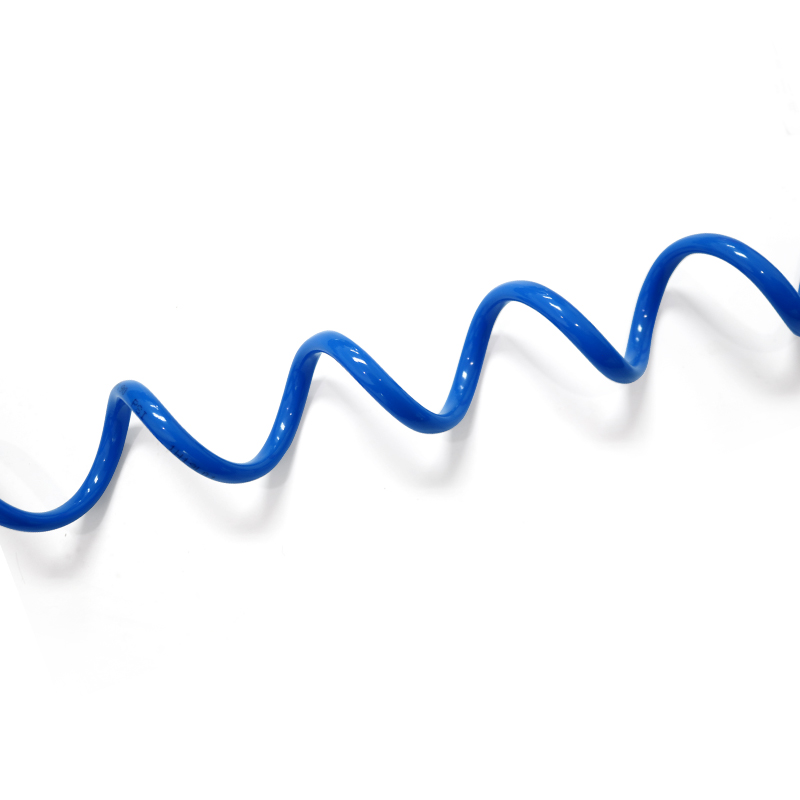
การเลือกใช้วัสดุมีผลโดยตรงต่อความยืดหยุ่น ความต้านทานแรงดัน ความต้านทานการสึกหรอ ความต้านทานต่อสารเคมี และอายุการใช้งาน การเลือกท่อโดยพิจารณาจากสีหรือราคาเพียงอย่างเดียวจึงไม่ใช่เรื่องที่ฉลาด
เมื่อใดที่ท่อโพลียูรีเทนจึงเป็นตัวเลือกที่เหมาะสม?
โดยทั่วไปแล้ว ท่อโพลียูรีเทนจะถูกเลือกใช้สำหรับการจัดวางท่อที่ยืดหยุ่น เส้นผ่านศูนย์กลางภายนอกที่กะทัดรัดยังทำให้เป็นท่อที่เหมาะสำหรับการใช้งานในระบบอัตโนมัติขนาดกะทัดรัด การใช้งานบนแขนหุ่นยนต์ ในเครื่องจักรบรรจุภัณฑ์ และสำหรับท่อส่งอากาศอัดอื่นๆ เนื่องจากท่อโพลียูรีเทนไม่แข็งเท่าวัสดุอื่นๆ จึงเหมาะอย่างยิ่งสำหรับการจัดวางท่อในพื้นที่แคบๆ ซึ่งท่อชนิดอื่นๆ ทำไม่ได้
ผู้ซื้อจะต้องตรวจสอบแรงดันใช้งาน การจำแนกประเภทอุณหภูมิ ความต้านทานต่อการไฮโดรไลซิส ความต้านทานต่อน้ำมัน และความสามารถในการดัดงอของท่อ PU ท่อ PU ทุกชนิดไม่ได้เหมาะสมกับการใช้งานทุกประเภทเสมอไป
ผู้ซื้อควรพิจารณาใช้ท่อลมแบบหลายวัสดุเมื่อใด?
ท่อลมแบบหลายวัสดุเป็นตัวเลือกที่เหมาะสมสำหรับการติดตั้งในส่วนต่างๆ ที่ต้องการการใช้งานที่แตกต่างกัน เช่น ส่วนที่ยืดหยุ่นได้ในบริเวณเครื่องจักร ส่วนที่เป็นเส้นตรงยาวๆ ในโรงงาน การใช้งานกลางแจ้ง หรือความทนทานต่อสารเคมีสูง สำหรับบริเวณเครื่องจักรที่ต้องการความทนทานสูง สามารถใช้ท่อไนลอนได้ และสำหรับการใช้งานที่เบาและต้นทุนต่ำกว่า ท่อ PVC ก็เหมาะสมกว่า
หลักการง่ายๆ ในการเลือกท่อด้านนอกที่ถูกต้องคือ เลือกวัสดุของท่อที่สอดคล้องกับสภาพการใช้งานจริง ไม่ใช่เพียงแค่คำอธิบายในแคตตาล็อกที่พิมพ์ไว้เท่านั้น
|
วัสดุ |
ความแข็งแกร่งเชิงปฏิบัติ |
ผู้ซื้อควรระมัดระวัง |
|
ท่อลม PU |
การกำหนดเส้นทางที่ยืดหยุ่นและการติดตั้งที่กะทัดรัด |
ตรวจสอบแรงดัน น้ำมัน ความร้อน และความชื้น |
|
ท่อไนลอน |
สภาวะทางกลที่ยากขึ้น |
อาจมีความยืดหยุ่นน้อยลงในพื้นที่แคบ |
|
ท่อพีวีซี |
การใช้งานเบาและคำนึงถึงต้นทุน |
ตรวจสอบแรงดัน การเสื่อมสภาพ และขีดจำกัดความยืดหยุ่น |
|
ท่อหลายวัสดุ |
ข้อกำหนดการใช้งานแบบผสมผสาน |
ตรวจสอบบทบาทที่แท้จริงของวัสดุแต่ละชนิด |
ควรตรวจสอบข้อกำหนดใดบ้างก่อนสั่งซื้อท่อลม?
ขอแนะนำว่าก่อนที่ผู้ซื้อจะอนุมัติการซื้อ ควรขอเอกสารข้อมูลจำเพาะโดยละเอียด เพื่อให้แน่ใจว่าแม้ท่อจะดูถูกต้องเมื่อส่งมอบ แต่จะใช้งานได้อย่างถูกต้องเมื่อติดตั้งแล้ว
ควรตรวจสอบข้อมูลทางเทคนิคใดก่อนเป็นอันดับแรก?
คุณลักษณะสำคัญที่ใช้ในการเสนอราคา ได้แก่ เส้นผ่านศูนย์กลางภายนอก เส้นผ่านศูนย์กลางภายใน แรงดันใช้งาน แรงดันแตก อุณหภูมิ รัศมีโค้ง เกรดวัสดุ ความแข็ง สี ความยาวต่อม้วน และความเข้ากันได้ของข้อต่อ
เงื่อนไขการติดตั้งแบบใดบ้างที่อาจทำให้อายุการใช้งานสั้นลง?
ปัจจัยทั่วไปที่ลดอายุการใช้งานของผลิตภัณฑ์ ได้แก่ ความร้อน ละอองน้ำมัน รังสียูวี น้ำ สารเคมี การสั่นสะเทือน การงอ เป็นต้น สายการผลิตที่ติดตั้งในบริเวณเครื่องเชื่อม เตาอบ เครื่องมือตัด หรืออุปกรณ์ป้องกันเครื่องจักรที่เคลื่อนที่ จะได้รับผลกระทบเป็นพิเศษและจำเป็นต้องได้รับการตรวจสอบเป็นพิเศษ
ผู้ซื้อควรสอบถามด้วยว่าท่อดังกล่าวจะใช้สำหรับการเดินสายแบบคงที่ หรือในรางนำสายเคเบิลที่เคลื่อนที่ได้เป็นครั้งคราว หรือในพื้นที่ที่ต้องล้างทำความสะอาด หรือในการใช้งานที่มีรอบการใช้งานสูง วัสดุและรัศมีโค้งที่เหมาะสมมีความสำคัญอย่างยิ่งในการใช้งานเหล่านี้
ผู้ซื้อควรพิจารณาประเด็นด้านความปลอดภัยและการปฏิบัติตามกฎระเบียบใดบ้าง?
.jpg) ท่อในระบบนิวแมติกนั้นต้องรับแรงดันสูงมาก ดังนั้นจึงไม่ควรมองข้ามเรื่องความปลอดภัย ความปลอดภัยต้องได้รับการพัฒนาให้เหมาะสมกับเครื่องจักร สถานที่ และลักษณะการใช้งานเฉพาะ โดยอิงตามมาตรฐานที่เกี่ยวข้องและกฎระเบียบทั่วไปในสถานที่ทำงาน
ท่อในระบบนิวแมติกนั้นต้องรับแรงดันสูงมาก ดังนั้นจึงไม่ควรมองข้ามเรื่องความปลอดภัย ความปลอดภัยต้องได้รับการพัฒนาให้เหมาะสมกับเครื่องจักร สถานที่ และลักษณะการใช้งานเฉพาะ โดยอิงตามมาตรฐานที่เกี่ยวข้องและกฎระเบียบทั่วไปในสถานที่ทำงาน
มาตรฐานใดบ้างที่อาจนำมาใช้กับระบบนิวแมติกส์?
มาตรฐาน ISO 4414:2010 นี้ระบุถึงกฎเกณฑ์และข้อกำหนดทั่วไปเกี่ยวกับความปลอดภัยของระบบกำลังของเหลวแบบนิวแมติกและส่วนประกอบต่างๆ ที่เป็นส่วนหนึ่งหรือติดตั้งอยู่กับเครื่องจักร การมีส่วนร่วมในการพัฒนามาตรฐานนี้เป็นไปโดยสมัครใจ อย่างไรก็ตาม อาจมีการกำหนดให้เป็นข้อบังคับโดยสัญญา โดยข้อกำหนดของโครงการ โดยข้อกำหนดของผู้ซื้อ หรือโดยกฎระเบียบท้องถิ่น (ISO)
สำหรับการใช้งานในสถานที่ทำงานในสหรัฐอเมริกา OSHA 29 CFR 1910.242(b) ระบุว่าสำหรับการทำความสะอาดด้วยอากาศอัด ควรลดแรงดันลงให้ต่ำกว่า 30 psi และใช้ร่วมกับอุปกรณ์ป้องกันเศษวัสดุและอุปกรณ์ป้องกันส่วนบุคคลที่เหมาะสม มาตรฐาน OSHA นี้เกี่ยวข้องกับการทำความสะอาดด้วยอากาศอัด และไม่ได้มีวัตถุประสงค์เพื่อใช้กับการทำงานปกติของท่อลม
เอกสารใดบ้างที่ช่วยลดความเสี่ยงในการจัดซื้อจัดจ้าง?
ลูกค้าจำเป็นต้องขอข้อมูลจากผู้ซื้อที่มีศักยภาพเพื่อตัดสินใจว่าจะซื้อหรือไม่ เช่น เอกสารข้อมูลผลิตภัณฑ์ รายละเอียดวัสดุ ระดับแรงดัน รายละเอียดบรรจุภัณฑ์ รายงานการทดสอบ (ถ้ามี) และข้อมูลความเข้ากันได้ของข้อต่อ
หากใช้ท่อในอุปกรณ์ OEM อาจต้องมีเอกสารเพิ่มเติมสำหรับ RoHS, REACH, การตรวจสอบการสัมผัสอาหาร, การกำหนดรหัสสี, บรรจุภัณฑ์ภายใต้แบรนด์ของลูกค้า หรือการตรวจสอบเฉพาะของลูกค้า ผู้ซื้อควรแยกแยะเอกสารเกี่ยวกับวัสดุของผลิตภัณฑ์ออกจากใบรับรองจากโรงงานหรือการประกาศตนเองของผู้จำหน่าย
บริษัท Yantai Aisili New Material Co., Ltd. สามารถให้การสนับสนุนผู้ซื้อท่อลมได้อย่างไร?
Yantai Aisili บริษัท วัสดุใหม่ จำกัดบริษัท ซึ่งดำเนินธุรกิจผ่านทางอินเทอร์เน็ตในชื่อ Aisili Pneumatic เป็นบริษัทชั้นนำในประเทศจีนที่เชี่ยวชาญด้านการออกแบบและผลิตท่อลมโพลียูรีเทนคุณภาพสูง สายยาง PU ข้อต่อลม ฯลฯ สำหรับระบบอัตโนมัติทางอุตสาหกรรม บนเว็บไซต์ของบริษัท มีการนำเสนอท่อโพลียูรีเทนและข้อต่อลมแบบสั่งทำพิเศษ ซึ่งใช้ในงานระบบอัตโนมัติทางอุตสาหกรรมทั่วโลก
เมื่อเปรียบเทียบท่อลมที่ทำจาก PU ของเรากับของบริษัทคู่แข่ง บริษัทของเราสามารถให้คำแนะนำในการเลือกท่อ สี และขนาด รวมถึงหารือเกี่ยวกับการติดแบรนด์ OEM และสื่อสารในกรณีสั่งซื้อจำนวนมากได้
บทสรุป
ท่อลมทำงานโดยการลำเลียงอากาศอัดระหว่างส่วนประกอบต่างๆ ของระบบ เพื่อให้แอคชูเอเตอร์และวาล์วทำงานได้อย่างถูกต้อง การเลือกท่อที่ดีที่สุดขึ้นอยู่กับวัสดุ ขนาด แรงดัน รัศมีโค้ง อุณหภูมิ ข้อต่อ การจัดวาง และสภาพการบำรุงรักษา ท่อโพลียูรีเทนมีประโยชน์สำหรับรูปแบบการทำงานอัตโนมัติที่ยืดหยุ่น แต่ผู้ซื้อควรตรวจสอบสภาพแวดล้อมการทำงานจริงก่อนสั่งซื้อ มาตรฐานต่างๆ เช่น ISO 4414:2010 และกฎของ OSHA อาจมีความเกี่ยวข้องขึ้นอยู่กับการออกแบบระบบและการใช้งานในสถานที่ทำงาน การตรวจสอบข้อกำหนดอย่างรอบคอบสามารถลดการรั่วไหล การหยุดทำงาน ค่าใช้จ่ายในการเปลี่ยน และข้อพิพาทกับผู้จำหน่ายได้
คำถามที่พบบ่อย
1. ท่อลม PU ใช้สำหรับอะไร?
ท่อลมที่ทำจากโพลียูรีเทน (PU) ใช้สำหรับลำเลียงอากาศอัดระหว่างชิ้นส่วนนิวแมติก เช่น วาล์วอากาศ ข้อต่อ กระบอกสูบนิวแมติก และองค์ประกอบนิวแมติกอื่นๆ ในระบบอัตโนมัติ เครื่องจักรบรรจุภัณฑ์ สายการประกอบ และระบบอากาศอัดทุกประเภท
2. ฉันจะเลือกขนาดท่อลมที่เหมาะสมได้อย่างไร?
ตรวจสอบเส้นผ่านศูนย์กลางภายนอก (OD) ของท่อเพื่อให้พอดีกับข้อต่อ ตรวจสอบเส้นผ่านศูนย์กลางภายใน (ID) ของท่อเพื่อให้ได้ปริมาณลมไหลที่ถูกต้อง ตรวจสอบระดับแรงดันของท่อ ความยาวของท่อ รัศมีโค้งงอ และความเร็วที่ต้องการของอุปกรณ์ควบคุม
3. ท่อโพลียูรีเทนดีกว่าท่อไนลอนหรือไม่?
นั่นขึ้นอยู่กับการใช้งานของคุณ โดยทั่วไปแล้วท่อโพลียูรีเทนจะมีความยืดหยุ่นมากกว่า แต่สำหรับการใช้งานเชิงกลที่หนักหน่วงกว่า หรือในกรณีที่คุณต้องใช้ท่อที่มีระยะความยาวตรงยาวๆ ท่อไนลอนอาจเหมาะสมกว่า
4. อะไรเป็นสาเหตุให้ท่อลมรั่ว?
ข้อผิดพลาดที่พบบ่อยที่สุดบางส่วนเกิดจากการตัดท่อที่ไม่ถูกต้อง การเลือกขนาดท่อที่ไม่เหมาะสม พื้นผิวสกปรก ข้อต่อสึกหรอ การดัดงอมากเกินไป ความเสียหายจากความร้อน และการติดตั้งที่ไม่ถูกต้อง การตัดให้เป็นสี่เหลี่ยมจัตุรัสและการติดตั้งที่ถูกต้องนั้นเพียงพอแล้ว!
5. ก่อนสั่งซื้อท่อลม ควรสอบถามอะไรบ้างจากผู้จำหน่าย?
รายละเอียดเกี่ยวกับประเภทวัสดุ ความคลาดเคลื่อนของขนาด แรงดันใช้งาน แรงดันระเบิด อุณหภูมิ รัศมีโค้ง การกำหนดค่าข้อต่อ รายละเอียดบรรจุภัณฑ์ ปริมาณสั่งซื้อขั้นต่ำ ระยะเวลานำส่ง และเอกสารต่างๆ มีให้บริการ