


ท่อลมแบบหลายวัสดุเทียบกับท่อยาง: แบบไหนใช้งานได้นานกว่ากัน?
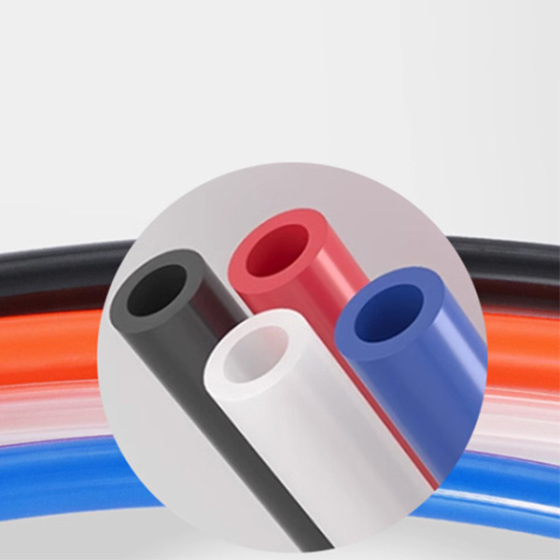
ท่อลมเป็นเครือข่ายที่สำคัญยิ่งในระบบอัตโนมัติทางอุตสาหกรรม ทำหน้าที่ลำเลียงอากาศอัดไปยังแอคชูเอเตอร์ วาล์ว และอุปกรณ์ควบคุมต่างๆ ด้วยความแม่นยำ การเลือกวัสดุท่อที่เหมาะสมส่งผลต่อประสิทธิภาพการทำงาน การใช้พลังงาน และความน่าเชื่อถือของระบบ ในปัจจุบัน... ท่อลมหลายวัสดุ ปัจจุบันวัสดุชนิดนี้กลายเป็นตัวเลือกที่ดีกว่าสายยางแบบเดิม ๆ การเปลี่ยนแปลงนี้เกิดจากความทนทานต่อสภาพอากาศและการสึกหรอ บทความนี้จะเปรียบเทียบวัสดุทั้งสองชนิดนี้ในแง่ของความทนทาน การใช้งาน และความคุ้มค่า
ปัจจัยสำคัญที่ส่งผลต่ออายุการใช้งานของท่อ
อายุการใช้งานของท่อลมขึ้นอยู่กับปัจจัยภายนอกและภายใน ภายนอกนั้น การเปลี่ยนแปลงของอุณหภูมิ การสัมผัสกับรังสียูวี และการสัมผัสกับสารเคมีหรือน้ำมัน จะเร่งการเสื่อมสภาพ ภายในนั้น สภาพอากาศภายในมีความสำคัญมาก ความชื้นหรือฝุ่นละอองอาจทำให้เกิดสนิมหรือความเสียหายบนพื้นผิวภายใน แรงกดทางกายภาพ เช่น การงอ การเขย่า และการเปลี่ยนแปลงความดัน ก็เป็นปัจจัยที่กำหนดว่าท่อจะคงสภาพแข็งแรงได้นานแค่ไหนก่อนที่จะแตกหัก
ท่อลมแบบหลายวัสดุและท่อยางธรรมดามีความแตกต่างกันอย่างไรในด้านวัสดุ?
ก่อนที่เราจะตรวจสอบผลงานของพวกเขาในสภาพแวดล้อมจริง เราต้องพิจารณาสไตล์การแต่งหน้าและรูปร่างหน้าตาของพวกเขาก่อน
องค์ประกอบและลักษณะโครงสร้าง
ท่อลมแบบหลายวัสดุมักจะมี ประกอบด้วยชั้นหลายชั้นที่เชื่อมต่อกัน ชั้นเหล่านี้ใช้วัสดุพลาสติกที่แตกต่างกัน เช่น โพลียูรีเทน (PU), ไนลอน (PA) หรือเทอร์โมพลาสติกอีลาสโตเมอร์ (TPE) แต่ละส่วนมีคุณสมบัติเฉพาะตัว ชั้นในสุดช่วยให้การไหลเวียนของอากาศราบรื่นและต้านทานสารเคมี ชั้นกลางช่วยเพิ่มความแข็งแรงในการดึง และชั้นนอกสุดช่วยป้องกันรอยขีดข่วน
เมื่อเปรียบเทียบกันแล้ว ท่อยางทำจากยางธรรมชาติหรือยางสังเคราะห์ เช่น EPDM หรือ NBR ซึ่งมีความยืดหยุ่นและโค้งงอได้ดี แต่ก็อาจบวมหรือแตกได้เมื่อสัมผัสกับสารเคมีบางชนิดเป็นเวลานาน
คุณลักษณะด้านประสิทธิภาพที่ได้มาจากการออกแบบวัสดุ
โครงสร้างแบบเรียงซ้อนของท่อหลายวัสดุช่วยเพิ่มกำลังดึง ในขณะเดียวกันก็ยังคงความยืดหยุ่นไว้ได้ ความทนทานต่อการขูดขีดดีกว่าท่อยางธรรมดา เนื่องจากชั้นพลาสติกด้านนอกช่วยป้องกันความเสียหายที่พื้นผิวได้ดี ท่อยางธรรมดาใช้งานได้ดีกว่าในงานที่ต้องการการดัดงอมาก แต่ก็มักจะเสียรูปทรงภายใต้แรงกดหรือความร้อนเป็นเวลานาน การเรียงซ้อนของวัสดุหลายชั้นช่วยกระจายแรงกดไปทั่วทั้งโครงสร้าง ส่งผลให้ลดการเปลี่ยนแปลงรูปทรงและยืดเวลาการทำงานได้
แต่ละประเภทมีประสิทธิภาพอย่างไรภายใต้สภาวะอุตสาหกรรม?
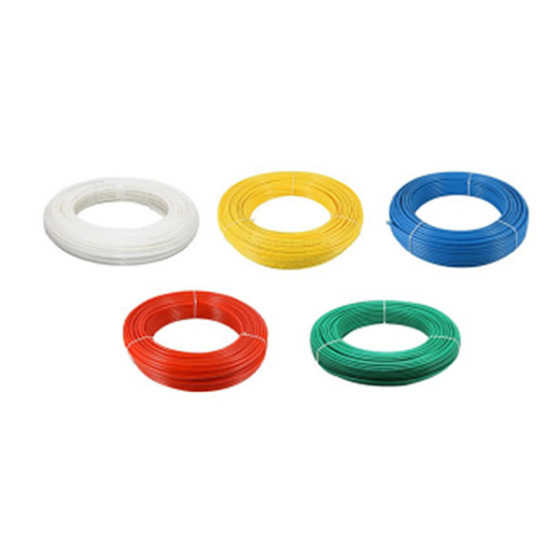
ในสภาพแวดล้อมโรงงานที่เข้มงวด ทั้งสองชนิดแสดงปฏิกิริยาที่แตกต่างกันไปตามแรงกดดันภายนอก ต่อไปนี้เราจะมาดูจุดแข็งของพวกมันเมื่อเผชิญกับความท้าทายทั่วไปกัน
ความต้านทานต่อปัจจัยกดดันจากสิ่งแวดล้อม
ด้ามจับท่อลมแบบหลายวัสดุ ทนต่อการเปลี่ยนแปลงของอุณหภูมิและความชื้นได้ดีกว่า โครงสร้างแบบผสมช่วยรักษารูปทรงให้คงที่แม้ในสภาพอากาศที่เปลี่ยนแปลง คุณสมบัตินี้สำคัญมากสำหรับระบบที่ทำงานต่อเนื่องตลอดกะการทำงาน ท่อยางอาจอ่อนตัวในสภาพอากาศร้อนหรือแข็งตัวในสภาพอากาศเย็น เมื่อเวลาผ่านไป อาจทำให้เกิดการแตกและอากาศรั่วได้
ความเข้ากันได้ทางเคมีและความต้านทานการกัดกร่อน
ระบบนิวแมติกในโรงงานมักต้องสัมผัสกับน้ำมัน น้ำยาทำความสะอาด จาระบี และน้ำยาล้างต่างๆ ท่อที่ทำจากวัสดุหลายชนิดเข้ากันได้ดีกับสารเคมีหลายชนิด เนื่องจากมีชั้นภายในที่ไม่ทำปฏิกิริยากับสารเคมี ท่อยาง โดยเฉพาะอย่างยิ่งที่ทำจากยางผสมธรรมชาติ จะเสื่อมสภาพได้เร็วกว่าเมื่อสัมผัสกับของเหลวที่มีฤทธิ์กัดกร่อนสูงหรือในบริเวณที่มีโอโซนสูง ซึ่งจะเห็นได้จากการแตกร้าวที่ผิวหรือความยืดหยุ่นที่ลดลง
การรักษาแรงดันและการควบคุมการรั่วไหลของอากาศ
ความสามารถในการรักษาแรงดันช่วยประหยัดพลังงานในระบบนิวแมติก ท่อที่ทำจากวัสดุหลายชนิดได้รับประโยชน์จากการผสมพลาสติกอัจฉริยะ ซึ่งช่วยลดการรั่วไหลของอากาศเล็กน้อยด้วยการเชื่อมต่อที่แน่นหนาในระดับเล็ก ท่อดังกล่าวโดยทั่วไปจะรับแรงดันขาดได้สูงกว่าท่อยางมาตรฐาน เมื่อเวลาผ่านไป โครงสร้างที่มีรูพรุนของยางจะทำให้อากาศรั่วซึมออกไปทีละน้อย แม้ว่าจะไม่ก่อให้เกิดอันตรายที่ชัดเจน แต่ก็เพิ่มภาระให้กับคอมเพรสเซอร์และต้นทุนการดำเนินงาน
ตัวเลือกใดมีอายุการใช้งานยาวนานกว่า?
ในการประเมินอายุการใช้งาน เราต้องตรวจสอบความต้านทานต่อแรงกระทำทางกายภาพซ้ำๆ เรายังต้องพิจารณาถึงการเสื่อมสภาพในระยะยาวด้วย
ตัวชี้วัดความทนทานในการใช้งานระยะยาว
การทดสอบด้วยการดัดงอซ้ำๆ แสดงให้เห็นว่า ท่อลมแบบหลายวัสดุยังคงมีความยืดหยุ่น หลังจากใช้งานหลายรอบแล้ว จะช่วยป้องกันการแตกร้าวขนาดใหญ่หรือการแยกชั้น อายุการใช้งานจะยาวนานขึ้นเนื่องจากมีชิ้นส่วนไนลอนหรือ TPE ช่วยเสริมความแข็งแรงภายใน ท่อยางจะแสดงสัญญาณการสึกหรอเร็ว เช่น พื้นผิวแข็งหรือรอยแตกร้าวเล็กๆ หลังจากใช้งานต่อเนื่องเป็นเวลานาน นอกจากนี้ การสัมผัสกับอากาศยังเร่งการเกิดสนิมในส่วนผสมของยาง ทำให้ลดอายุการใช้งานลง
ข้อกำหนดในการบำรุงรักษาและความถี่ในการเปลี่ยนชิ้นส่วน
ในพื้นที่โรงงานที่เวลาหยุดงานหมายถึงการสูญเสียเงิน การตรวจสอบจึงมีความสำคัญ ท่อที่ทำจากวัสดุหลายชนิดต้องการการตรวจสอบน้อยกว่า เนื่องจากคุณสมบัติทางกายภาพคงที่ตลอดเวลา ในขณะที่ท่อยางต้องตรวจสอบอย่างสม่ำเสมอเพื่อหาจุดอ่อนหรือรอยรั่วของอากาศจากสภาพอากาศ แม้ว่าการเลือกใช้ท่อที่ทำจากวัสดุหลายชนิดอาจมีต้นทุนสูงกว่าในตอนแรก แต่ระยะเวลาการเปลี่ยนที่ยาวนานกว่าจะช่วยลดต้นทุนโดยรวม ซึ่งรวมถึงค่าแรงและค่าหยุดงานด้วย
การติดตั้งและความยืดหยุ่นมีผลต่ออายุการใช้งานอย่างไร?
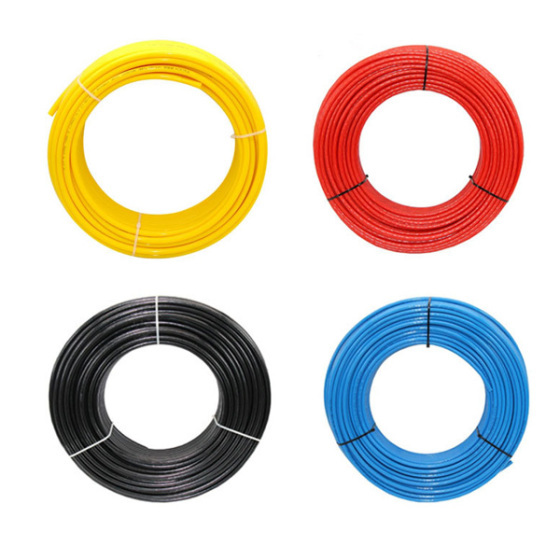
สภาพแวดล้อมในการติดตั้งก็มีผลต่อประสิทธิภาพการใช้งานของวัสดุแต่ละชนิดเช่นกัน เรามาสำรวจเรื่องนี้กันต่อไป
ติดตั้งง่ายในระบบที่ซับซ้อน
ระบบอัตโนมัติแบบใหม่มักต้องการเส้นทางที่แคบและคดเคี้ยวรอบชิ้นส่วนเครื่องจักร ท่อลมแบบหลายวัสดุช่วยให้สามารถโค้งงอได้แคบกว่าท่อยางแบบเดิม คงรูปทรงได้โดยไม่บิดงอ น้ำหนักที่เบากว่าทำให้ติดตั้งได้ง่ายขึ้นในระบบที่มีการเคลื่อนไหว เช่น แขนหุ่นยนต์ ซึ่งการเคลื่อนไหวเป็นสิ่งสำคัญอย่างยิ่ง
ผลกระทบของความยืดหยุ่นต่อความล้าเชิงกล
ความยืดหยุ่นช่วยให้การติดตั้งสะดวกสบาย แต่การงอมากเกินไปอาจทำให้เกิดการแตกหักก่อนกำหนดหากไม่จัดการอย่างถูกวิธี ท่อยางรับแรงสั่นสะเทือนได้ดี แต่จะเกิดรอยแตกตามจุดที่งอซ้ำๆ ท่อผสมที่เสริมความแข็งแรงจะกระจายแรงทางกายภาพได้ดีกว่าในแต่ละชั้น ซึ่งจะช่วยลดจุดรับแรงกดที่กระจุกตัวซึ่งมักเป็นสาเหตุของการแตกร้าวในโครงสร้างแบบชั้นเดียวพื้นฐาน
เหตุใดท่อลมแบบหลายวัสดุจึงได้รับความนิยมมากขึ้นในการทดแทนท่อยาง?
การเพิ่มขึ้นของการใช้ตัวเลือกวัสดุหลายชนิดเป็นผลมาจากวิธีการผลิตที่ดีขึ้น นอกจากนี้ยังเชื่อมโยงกับผลกำไรที่ชัดเจนอีกด้วย
ความก้าวหน้าทางเทคโนโลยีผลักดันการนำไปใช้
ขั้นตอนใหม่ในวิธีการอัดขึ้นรูปเชื่อมต่อช่วยให้สามารถวางชั้นพลาสติกได้อย่างแม่นยำในกระบวนการผลิต ทำให้ได้รูปทรงผสมที่ออกแบบมาเพื่อความสมดุลระหว่างกำลังและน้ำหนัก รวมถึงความทนทานต่อสภาพอากาศ พื้นผิวเรียบภายในท่อเหล่านี้ช่วยลดการสูญเสียแรงต้านในกระแสลม ส่งผลให้การทำงานของระบบโดยรวมดีขึ้นและลดการใช้พลังงาน
ผลประโยชน์ทางเศรษฐกิจตลอดวงจรชีวิตของผลิตภัณฑ์
ต้นทุนเริ่มต้นอาจสูงกว่าท่อยาง แต่เมื่อพิจารณาตลอดอายุการใช้งาน ต้นทุนรวมจะเอนเอียงไปทางท่อแบบหลายวัสดุมากกว่า เนื่องจากมีการซ่อมแซมน้อยกว่าและระยะเวลาการเปลี่ยนที่ยาวนานกว่า อายุการใช้งานที่ยาวนานช่วยลดการหยุดทำงานกะทันหันจากท่อแตกหรือรั่ว ทำให้ได้ผลผลิตที่เพิ่มขึ้นอย่างแท้จริงในสายการผลิตรถยนต์
บริษัท Yantai Aisili New Material Co., Ltd. คือใคร? – แหล่งจำหน่ายท่อลมแบบหลายวัสดุที่เชื่อถือได้
Yantai Aisili บริษัท วัสดุใหม่ จำกัด เป็นผู้ผลิตที่มีชื่อเสียงซึ่งมุ่งเน้นเทคโนโลยีการผลิตท่อพลาสติกขั้นสูง พวกเขาสร้างท่อลมที่มีอายุการใช้งานยาวนานสำหรับระบบอัตโนมัติในโรงงานทั่วโลก บริษัทให้ความสำคัญกับการตรวจสอบคุณภาพอย่างเข้มงวดผ่านขั้นตอนการผลิตที่แม่นยำ ซึ่งรองรับกฎการทดสอบอย่างครบถ้วนเกี่ยวกับความแข็งแรงในการดึง การควบคุมการรั่วซึม และการตรวจสอบความทนทานต่อสภาพอากาศ สิ่งนี้สร้างความมั่นใจได้ในคุณภาพของผลิตภัณฑ์ในทุกล็อตที่จำหน่ายทั่วโลก
บทสรุป
ท่อลมแบบหลายวัสดุมีข้อดีเหนือกว่าท่อยางแบบดั้งเดิมในหลายด้าน เช่น ทนต่อสารเคมี รักษาแรงดันได้ดี มีความแข็งแรงทนทาน และประหยัดค่าใช้จ่ายในการซ่อมแซม การออกแบบแบบเรียงซ้อนทำให้มีความทนทานมากขึ้นในสภาพแวดล้อมที่ใช้งานหนักในโรงงาน และยังคงความโค้งงอได้ตามต้องการสำหรับการติดตั้งที่ซับซ้อน สำหรับผู้ผลิตที่ต้องการโซลูชันที่แข็งแรงทนทานในระบบยานยนต์ การเลือกใช้ท่อแบบหลายวัสดุจะช่วยให้การทำงานมีเสถียรภาพและมีต้นทุนตลอดอายุการใช้งานต่ำกว่าท่อยางแบบเก่า
คำถามที่พบบ่อย
คำถามที่ 1: เหตุผลหลักอะไรบ้างที่ทำให้ท่อลมแบบหลายวัสดุมีอายุการใช้งานยาวนานกว่าท่อยาง?
การออกแบบโดยใช้วัสดุหลายชนิดผสมผสานโพลิเมอร์หลายประเภทเข้าด้วยกัน ซึ่งช่วยเพิ่มความทนทานต่อการเสียดสี ลดผลกระทบจากความเสื่อมสภาพ และรักษาความยืดหยุ่นภายใต้แรงกด ซึ่งเป็นปัจจัยที่ช่วยยืดอายุการใช้งานโดยรวมเมื่อเทียบกับท่อยางแบบชั้นเดียว
Q2: ท่อลมแบบหลายวัสดุสามารถใช้แทนท่อยางเดิมในระบบเก่าได้โดยตรงหรือไม่?
โดยส่วนใหญ่แล้วสามารถทำได้ หากขนาดของข้อต่อตรงกับข้อกำหนดของระบบ อย่างไรก็ตาม แนะนำให้ตรวจสอบความเข้ากันได้กับระดับแรงดันและการสัมผัสกับสารเคมีก่อนการติดตั้ง
คำถามที่ 3: บริษัท Yantai Aisili มั่นใจได้อย่างไรว่าผลิตภัณฑ์ท่อลมของตนมีคุณภาพสม่ำเสมอ?
บริษัทฯ ใช้กระบวนการอัดรีดที่มีความแม่นยำสูง มาตรฐานการคัดเลือกวัตถุดิบที่เข้มงวด และโปรโตคอลการทดสอบที่ครอบคลุม ซึ่งรวมถึงความแข็งแรงดึง อัตราการรั่วซึม และความทนทานต่อสภาพแวดล้อม เพื่อรับประกันประสิทธิภาพของผลิตภัณฑ์ที่คงที่ในทุกชุดการผลิต