


รหัสสีของท่อลม: สีที่แตกต่างกันมีความสำคัญจริงหรือไม่?
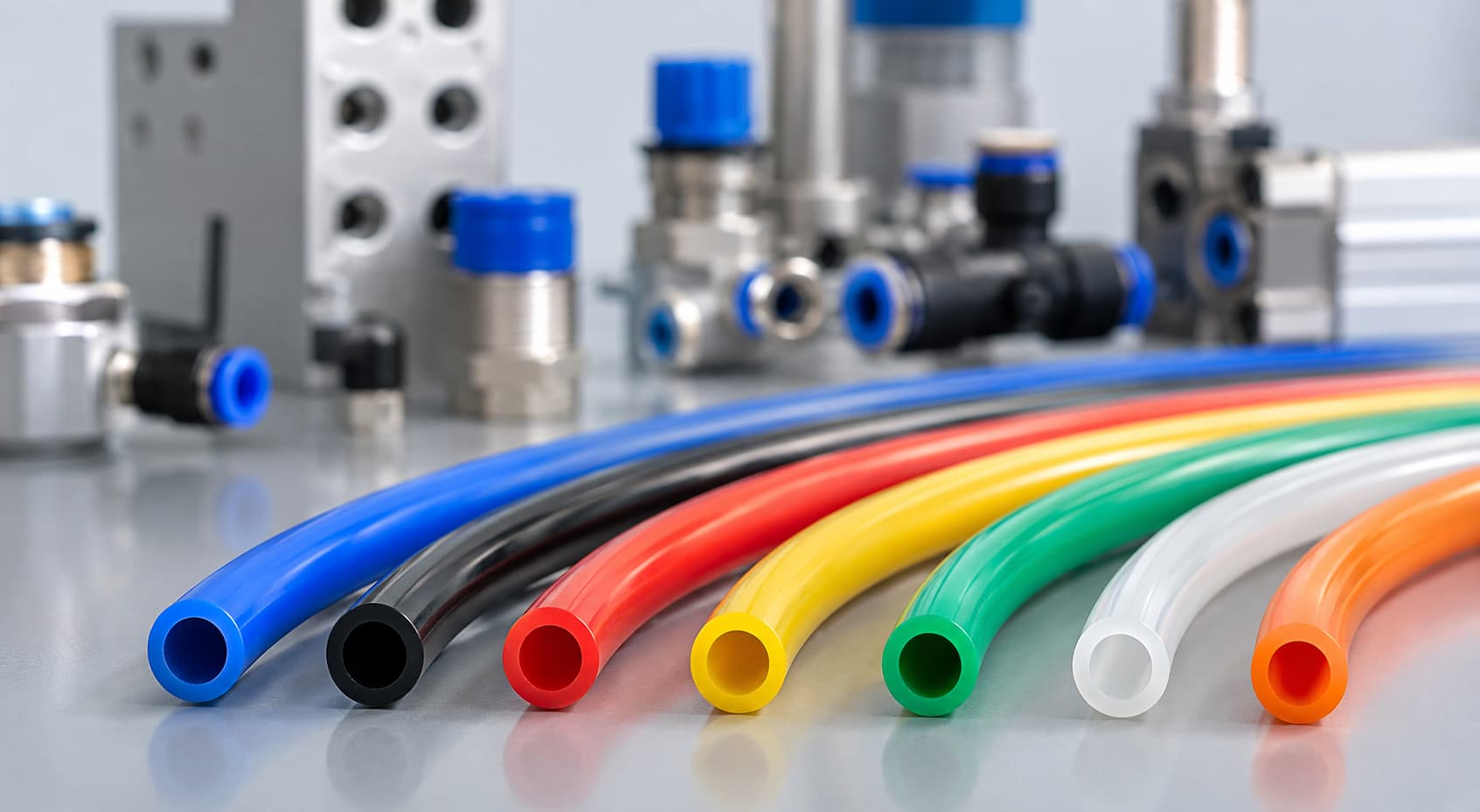
ท่อลม ท่อลมเป็นส่วนสำคัญในระบบอัดอากาศ ทำหน้าที่ลำเลียงอากาศหรือก๊าซไปยังเครื่องมือ อุปกรณ์ขับเคลื่อน และอุปกรณ์อื่นๆ ในโรงงานที่มีท่อลมหลายเส้นทำงานพร้อมกัน การใช้รหัสสีช่วยให้ทุกอย่างชัดเจนและเป็นระเบียบ สีที่แตกต่างกันช่วยให้คนงานและเจ้าหน้าที่ซ่อมบำรุงสามารถมองเห็นเส้นทางอากาศที่แตกต่างกันได้อย่างรวดเร็ว ซึ่งช่วยลดความสับสนในระหว่างการติดตั้งหรือการซ่อมแซม ผู้เชี่ยวชาญบางคนกล่าวว่าสีของท่ออาจส่งผลต่อประสิทธิภาพการทำงานเนื่องจากมีการเติมสีย้อม แต่ส่วนใหญ่คิดว่าสีช่วยในการระบุท่อเป็นหลัก ไม่ได้ส่งผลต่อความแข็งแรงหรือความยืดหยุ่นของวัสดุแต่อย่างใด
จุดประสงค์ของการใช้รหัสสีสำหรับท่อลมคืออะไร?
ก่อนที่เราจะพิจารณาว่าสีอาจส่งผลต่อการทำงานอย่างไร เราต้องเข้าใจก่อนว่าทำไมหลักเกณฑ์เหล่านี้จึงมีความสำคัญ
บทบาทเชิงฟังก์ชันของการกำหนดรหัสสีในระบบนิวแมติก
การใช้รหัสสีช่วยให้ระบุท่ออากาศได้ง่ายตามหน้าที่ แรงดัน หรือสิ่งที่ลำเลียง ตัวอย่างเช่น ท่อสีน้ำเงินมักแสดงถึงท่อจ่ายอากาศหลัก ท่อสีแดงอาจหมายถึงท่อระบายอากาศหรือท่อส่งกลับ การจัดระบบแบบนี้ช่วยให้แก้ไขปัญหาได้รวดเร็วขึ้น นอกจากนี้ยังลดโอกาสการต่อสายผิดหรือการสับสนในการซ่อมแซม ในระบบอัตโนมัติที่มีการทำงานอย่างต่อเนื่อง สีที่ชัดเจนช่วยเพิ่มความปลอดภัย ป้องกันไม่ให้คนงานสัมผัสท่อที่มีแรงดันสูงหรือท่อที่มีความเสี่ยงโดยไม่ได้ตั้งใจ หลายอุตสาหกรรมใช้กฎสีที่กำหนดไว้ ซึ่งทำให้ทุกอย่างเป็นไปในทิศทางเดียวกันในโรงงานและช่วยให้พนักงานทุกคนเข้าใจได้อย่างรวดเร็ว
มาตรฐานอุตสาหกรรมที่ควบคุมรหัสสีของสายลม
กฎระเบียบระดับโลก เช่น ISO 14743 และ SAE J844 กำหนดวิธีการทำเครื่องหมายและทดสอบท่อลม กฎเหล่านี้ช่วยให้มั่นใจได้ถึงแนวปฏิบัติที่เป็นมาตรฐานในการผลิต ครอบคลุมถึงวัสดุ ขนาด และป้ายกำกับที่ยอมรับได้ กฎของ ANSI ยังครอบคลุมถึงป้ายกำกับท่อและการระบุจุดสำคัญด้านความปลอดภัยด้วย แต่แต่ละพื้นที่ก็มีมาตรฐานที่แตกต่างกัน ในยุโรป ผู้ผลิตมักยึดตามแนวทาง ISO อย่างเคร่งครัด ในอเมริกาเหนือ โรงงานต่างๆ มักใช้รูปแบบ SAE โดยมีการปรับเปลี่ยนบ้างเล็กน้อย แม้จะมีการเปลี่ยนแปลงเหล่านี้ เป้าหมายหลักยังคงเหมือนเดิม คือการช่วยให้การทำงานปลอดภัยและแก้ไขปัญหาได้อย่างรวดเร็วด้วยป้ายบอกทางที่ดี
สีที่แตกต่างกันมีผลต่อประสิทธิภาพของท่อลมโพลียูรีเทนหรือไม่?
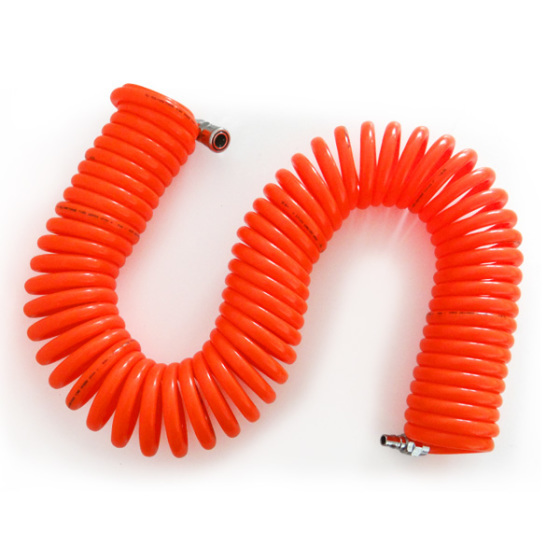
เมื่อเรารู้แล้วว่ารหัสต่างๆ มีอยู่เพื่ออะไร เราควรตรวจสอบดูว่าการเพิ่มสีเข้าไปจะเปลี่ยนแปลงอะไรบ้าง ท่อลมโพลียูรีเทนใช้งานได้
คุณสมบัติของวัสดุเทียบกับผลกระทบของการสร้างเม็ดสี
คุณสมบัติหลักของโพลียูรีเทน เช่น ความยืดหยุ่น ความทนทานต่อการสึกหรอ และความแข็งแรงในการดึง มาจากส่วนประกอบพื้นฐานของมัน มีการเติมสีในปริมาณน้อยมาก ซึ่งแทบจะไม่เปลี่ยนแปลงคุณสมบัติหลัก เช่น การยืดตัวหรือจุดแตกหัก อย่างไรก็ตาม สีบางสีอาจปรับเปลี่ยนคุณสมบัติเล็กน้อยได้ ตัวอย่างเช่น สีเข้มอาจช่วยป้องกันความเสียหายจากแสงแดดภายนอกได้ดีกว่า เนื่องจากสีเข้มสามารถสะท้อนแสงได้ดีกว่าท่อใสหรือท่อโปร่งแสง ท่อโพลียูรีเทนใสเหมาะสำหรับการใช้งานที่ต้องการมองเห็นการไหลเวียนของอากาศหรือการสะสมของน้ำ ส่วนสีทึบเหมาะสำหรับใช้งานในที่ทุรกันดารเพื่อการใช้งานที่ยาวนานกว่า
ข้อควรพิจารณาเชิงปฏิบัติในการเลือกสีท่อ
ในการใช้งานจริง การเลือกสีท่อที่เหมาะสมจะช่วยเพิ่มความเป็นระเบียบในการติดตั้ง ลดเวลาที่เสียไปกับการตรวจสอบหรือการเปลี่ยนแปลง สีสดใส เช่น สีเหลืองหรือสีส้ม ช่วยให้มองเห็นในที่มืดหรือบริเวณที่มีเครื่องจักรทำงานหนาแน่นได้ดีขึ้น ช่วยลดความเสี่ยงในการสะดุดล้มและทำให้การติดตามเส้นทางง่ายขึ้น สำหรับงานกลางแจ้ง การโดนแดดเป็นเวลานานอาจทำให้สีซีดจางหรือเปลี่ยนไปตามกาลเวลา ดังนั้นควรใช้สีย้อมที่ทนต่อแสงแดดเพื่อรักษารูปลักษณ์และการกำหนดตำแหน่งเส้นให้ถูกต้องตลอดการใช้งาน
ผู้เชี่ยวชาญเลือกใช้รหัสสีสายลมที่ถูกต้องได้อย่างไร?
การเลือกใช้รหัสสีของสายลมเป็นการผสมผสานความต้องการทางเทคนิคเข้ากับปัจจัยในการทำงานประจำวัน
ปัจจัยที่มีอิทธิพลต่อการเลือกสีในสภาพแวดล้อมทางอุตสาหกรรม
พนักงานจะเลือกสีตามขนาดของการติดตั้ง กฎความปลอดภัย และวิธีการซ่อมแซม การใช้สีเดียวกันกับอุปกรณ์ทั้งหมดหมายความว่าสมาชิกทีมใหม่จะเรียนรู้บทบาทในสายงานได้เร็วขึ้น ไม่จำเป็นต้องมีการฝึกอบรมมากมาย สีน้ำเงินมักใช้กับท่อส่งอากาศหลัก สีแดงสำหรับท่อระบายอากาศ สีดำสำหรับระบบดูดฝุ่น และสีเขียวสำหรับท่อควบคุม การใช้สีเดียวกันนี้ช่วยลดข้อผิดพลาดในการประกอบหรือซ่อมแซม นอกจากนี้ยังช่วยให้เป็นไปตามกฎคุณภาพของบริษัทด้วย
ข้อควรพิจารณาในการปรับแต่งและสร้างแบรนด์
นอกเหนือจากความต้องการในการทำงานแล้ว บริษัทต่างๆ มักเลือกสีหลอดไฟให้เข้ากับสไตล์ของบริษัทหรือลักษณะของโรงงาน ผู้ผลิตมักจะให้ตัวเลือกสีพิเศษหากมีการร้องขอ ซึ่งช่วยให้ผู้ซื้อสามารถรักษาความสอดคล้องกับแบรนด์โดยไม่สูญเสียสัญญาณการทำงานที่ชัดเจน แต่การเบี่ยงเบนจากรหัสทั่วไปมากเกินไปอาจทำให้ทีมตรวจสอบภายนอกสับสนได้ ดังนั้น กลุ่มต่างๆ จึงต้องชั่งน้ำหนักระหว่างความต้องการด้านสไตล์กับผลประโยชน์ด้านการระบุตำแหน่งที่ยั่งยืน
เหตุใดโพลียูรีเทนจึงเป็นที่นิยมใช้ในงานท่อลม?
.jpg)
เพื่อเป็นการสรุปเรื่องสี เราต้องกล่าวถึงเหตุผลว่าทำไมโพลียูรีเทนจึงเป็นวัสดุยอดนิยมสำหรับท่อในงานระบบนิวแมติก
ข้อดีที่สำคัญของวัสดุท่อโพลียูรีเทน
ท่อลมโพลียูรีเทนดัดงอได้ดี แม้ในที่เย็นจัด วัสดุนี้ทนทานต่อการบิดงอและรอยขีดข่วนจากชิ้นส่วนที่เคลื่อนไหว ซึ่งดีกว่าวัสดุไนลอนหรือโพลีเอทิลีน โพลียูรีเทนทนทานต่อการดัดงอและการกระแทกได้หลายครั้ง คุณสมบัติเหล่านี้มีความสำคัญในเครื่องจักรที่มีการเคลื่อนไหวอย่างต่อเนื่อง ช่วยให้การทำงานคงที่ภายใต้แรงดันที่เปลี่ยนแปลง วัสดุจะไม่แข็งตัวเมื่อเวลาผ่านไป
ความเข้ากันได้กับระบบนิวแมติกต่างๆ
โพลียูรีเทนยังคงเป็นที่นิยมเนื่องจากสามารถใช้งานได้กับระบบนิวแมติกหลายประเภท ตั้งแต่หุ่นยนต์ไปจนถึงเครื่องมือบรรจุภัณฑ์ คุณสมบัติที่ผสมผสานระหว่างความแข็งแรงและการดัดงอทำให้สามารถรับมือกับการเลี้ยวที่รวดเร็วในชิ้นส่วนหุ่นยนต์ได้ ช่วยให้รอยต่อแน่นสนิท และพื้นผิวด้านในที่เรียบช่วยลดการสูญเสียแรงดันในระยะทางยาว ซึ่งส่งผลให้ประหยัดพลังงานในระบบเครือข่ายอากาศ
บริษัท Yantai Aisili New Material Co., Ltd. คือใคร?
Yantai Aisili บริษัท วัสดุใหม่ จำกัด บริษัท Yantai Aisili New Material Co., Ltd. ผลิตท่อลมโพลียูรีเทนสำหรับระบบอัตโนมัติในโรงงานทั่วโลก บริษัทฯ นำเสนอผลิตภัณฑ์หลากหลายประเภท รวมถึงขนาด ระดับความแข็ง (ระดับ Shore A) และสีที่กำหนดเอง เพื่อตอบสนองความต้องการที่แม่นยำในหลากหลายอุตสาหกรรม ด้วยเครื่องมือการอัดรีดคุณภาพสูงและการตรวจสอบคุณภาพอย่างเข้มงวดในทุกขั้นตอน บริษัท Yantai Aisili New Material Co., Ltd. จึงส่งมอบผลิตภัณฑ์ที่มีขนาดสม่ำเสมอและทนทานในทุกล็อตการผลิตทั่วโลก
บทสรุป
รหัสสีของท่อลม สีมีความสำคัญอย่างยิ่งต่อการทำงานที่ปลอดภัยและการแก้ไขปัญหาอย่างรวดเร็วในระบบอัดอากาศ ช่วยให้มองเห็นจุดบกพร่องได้ชัดเจน สีไม่ได้เปลี่ยนแปลงการทำงานทางกลโดยตรง เม็ดสีมีผลเพียงเล็กน้อยต่อความแข็งแรงหรือการโค้งงอของโพลียูรีเทน แต่จะเพิ่มข้อดีที่แท้จริง เช่น การมองเห็นที่ดีขึ้นและการป้องกันแสงแดดในบางกรณี โพลียูรีเทนเป็นวัสดุชั้นนำในงานระบบลมเนื่องจากมีคุณสมบัติที่ผสมผสานกันอย่างลงตัวระหว่างความทนทานและความยืดหยุ่นในจุดใช้งาน ผู้ปฏิบัติงานควรใช้กฎสีที่กำหนดจาก ISO หรือ SAE พวกเขายังสามารถใช้สีที่กำหนดเองจากผู้ผลิตเช่น Yantai Aisili New Material Co., Ltd. ซึ่งจะช่วยให้การทำงานราบรื่นและเข้ากับระบบโรงงานในปัจจุบัน
คำถามที่พบบ่อย
เหตุผลหลักที่ต้องใช้สีต่างกันในท่อลมคืออะไร?
สีที่แตกต่างกันช่วยให้ช่างเทคนิคสามารถระบุวงจร ประเภทสื่อ หรือโซนแรงดันได้อย่างรวดเร็วในระหว่างการติดตั้งและการบำรุงรักษา โดยไม่ต้องไล่ตามสายแต่ละเส้นด้วยตนเอง
สีของท่อโพลียูรีเทนมีผลต่อระดับแรงดันหรือไม่?
ไม่ครับ ค่าความต้านทานแรงดันขึ้นอยู่กับความหนาของผนังและส่วนผสมของวัสดุมากกว่าการเลือกใช้สี อย่างไรก็ตาม สีที่เข้มกว่าอาจให้การป้องกันรังสียูวีได้ดีกว่าเล็กน้อย
ฉันสามารถปรับแต่งสีของท่อลมให้เข้ากับการจัดวางพื้นที่ของโรงงานได้หรือไม่?
ใช่แล้ว ผู้ผลิตหลายราย รวมถึง Yantai Aisili เสนอตัวเลือกสีแบบกำหนดเองเพื่อให้เข้ากับรูปแบบขององค์กร ในขณะเดียวกันก็ยังคงปฏิบัติตามระบบการติดฉลากตามฟังก์ชันการใช้งานได้