


مقارنة بين الراتنج الخام والمواد المعاد تدويرها في أنابيب الهواء المضغوط للمشترين بالجملة
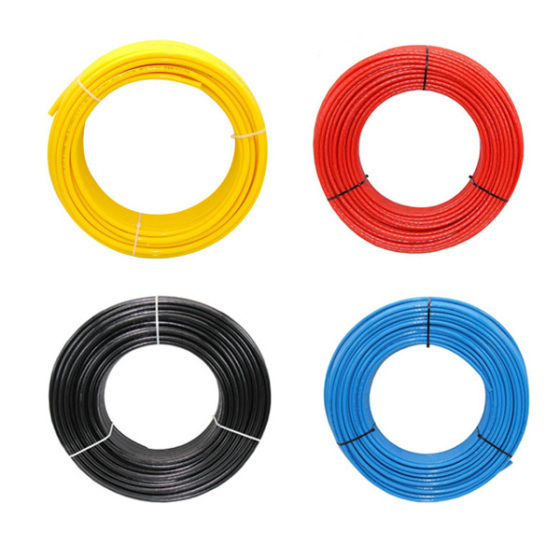
عند اختيار المواد الخام لنظام هوائي صناعي، يتحدد أداء الأنابيب ومتانتها ومطابقتها للمواصفات بناءً على المادة المختارة. بالنسبة للمشترين بكميات كبيرة من الأنابيب الهوائية إن قرار استخدام الراتنج الخام أو المواد المعاد تدويرها لا يقتصر على السعر فحسب، بل هو قرار استراتيجي يؤثر على النظام ككل. عند الشراء بكميات كبيرة، يجب على المشتري مراعاة مدى ملاءمة المادة المختارة لعملياته. فالمادة المختارة تؤثر بشكل مباشر على جودة الأنابيب، فضلاً عن متانتها على المدى الطويل في مواجهة التآكل وتقلبات الضغط والظروف البيئية. لذا، من المهم للمشترين فهم الخصائص التقنية للمواد المختلفة لتمكينهم من اختيار أفضل المواد الخام لأنابيبهم الهوائية.
ما هي الاختلافات الرئيسية بين الراتنج الخام والمواد المعاد تدويرها في الأنابيب الهوائية؟
قبل الخوض في فحص الجودة وتكاليف دورة الحياة، من المفيد تحديد الاختلافات الأساسية بين المواد الخام والمواد المعاد تدويرها وتكوينها الهيكلي.
خصائص التركيب والنقاء
يُصنع الراتنج البكر من مواد بوليمرية جديدة ذات بنية جزيئية مضبوطة لضمان تجانس دفعات الإنتاج. أما المواد المُعاد تدويرها، فتُصنع من بوليمرات مُستعملة، قد تكون خليطًا من سلاسل قديمة، بعضها قد يكون مُتدهورًا نتيجة الاستخدام السابق. هذا التباين قد يؤثر على جودة السطح والمرونة والشفافية. كما أن محتوى الإضافات في المواد المُعاد تدويرها قد يؤثر بشكل كبير على مقاومتها للتشقق الناتج عن الإجهاد والتلف الناتج عن الأشعة فوق البنفسجية. ويمكن أن يكون للمثبتات والملدنات المُضافة أثناء عملية إعادة التدوير تأثير كبير على المنتج النهائي.
الآثار المترتبة على الأداء في التطبيقات الصناعية
المواد الخام هي يوصى به عمومًا لتطبيقات الأنابيب الهوائية حيثما يكون ضغط الهواء ثابتًا، يوفر هذا النوع من المواد سماكة جدار ثابتة وأعلى مستوى من المتانة الميكانيكية. وهذا أمر بالغ الأهمية لتحديد ضغط الانفجار، بالإضافة إلى استطالته عند تعرضه للضغط المتكرر. في حين أن بعض المواد التي تحتوي على مواد معاد تدويرها قد تلبي متطلبات الضغط المنخفض/المتطلبات الهوائية غير الحرجة لتطبيق معين وتوفر وفورات في التكاليف، فإن المواد المستخدمة في تطبيقات الضغط العالي، وكذلك في التطبيقات التي تتطلب تحكمًا دقيقًا، تُصنع من مواد خام بنسبة 100% نظرًا لثبات أبعادها الفائق ومقاومتها للإجهاد.
كيف يؤثر اختيار المواد الخام على فحص جودة الأنابيب؟
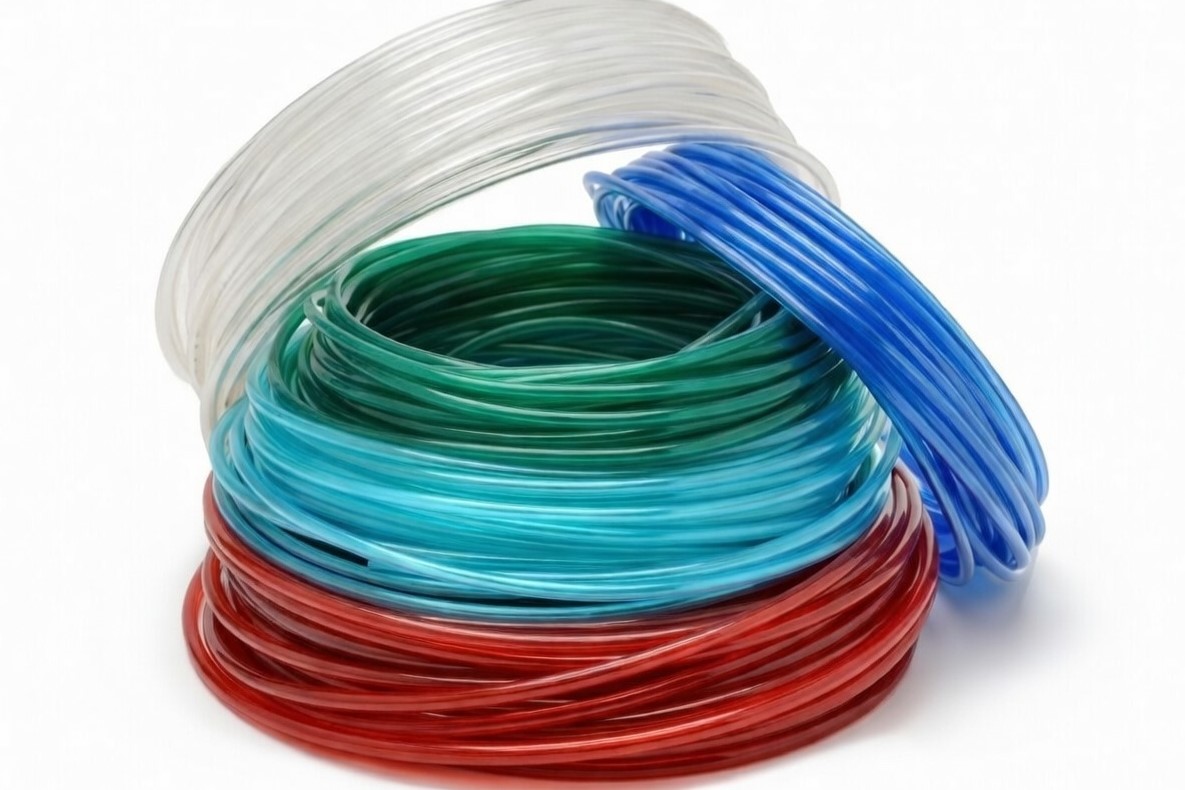
يؤثر التركيب المادي للأجزاء على كيفية فحصها أثناء الإنتاج وكذلك بعد التصنيع.
معايير فحص أنابيب الراتنج الخام
تُجرى فحوصات جودة على منتجات الأنابيب المصنوعة من الراتنج الخام للتحقق من تجانس الخصائص البصرية، مثل اللون واللمعان والتشطيب السطحي، والتي تدل على جودة عملية البثق. وفي التطبيقات الهوائية، يُعدّ التحقق من الأبعاد لضمان توافق الوصلات أمرًا بالغ الأهمية. إضافةً إلى ذلك، تُجرى سلسلة من الاختبارات الميكانيكية، مثل التحقق من ضغط الانفجار وقياس الاستطالة، لتحديد مدى استيفاء الأنابيب لمعايير التصميم الخاصة بالقوة والمرونة. هذه الاختبارات نموذجية لتلك التي تُجرى على المنتجات النهائية المخصصة للمشترين بكميات كبيرة، وذلك للتحقق من موثوقيتها قبل شحنها.
اعتبارات الفحص لأنابيب المواد المعاد تدويرها
تتطلب المواد المعاد تدويرها مزيدًا من التدقيق نظرًا لاحتمالية احتوائها على شوائب أو مواد مالئة متبقية أو ملوثات أخرى قد تؤثر على خصائصها الأساسية. ولذلك، يُجرى تحليل للملوثات في المواد المسترجعة للتحقق من وجود جزيئات معدنية أو بوليمرات غير متوافقة قد تُضعف قوة الشد للمنتج النهائي. كما تُجرى اختبارات الشد للمواد بشكل دوري للتحقق من أي اختلافات بين الدفعات وللتأكد من أن الخصائص الميكانيكية للمادة تقع ضمن النطاق المحدد لضمان إنتاج متسق. إضافةً إلى ذلك، تُستخدم وثائق التتبع التي تُؤكد نسبة المواد المعاد تدويرها لضمان الامتثال للوائح وتوفير البيانات اللازمة لتقارير الاستدامة وفقًا لسياسات الشراء الحديثة.
لماذا ينبغي على مشتري الكميات الكبيرة تقييم كفاءة التكلفة على المدى الطويل بما يتجاوز السعر الأولي؟
في حين أن سعر الشراء الأولي قد يؤثر على قرار الشراء، فإن الآثار الاقتصادية طويلة الأجل للأجزاء تتحدد من خلال وتيرة الصيانة وفترات الاستبدال.
تحليل تكلفة دورة حياة خيارات المواد
على الرغم من أن المواد المعاد تدويرها توفر عادةً تكاليف أولية أقل، إلا أن هذه الوفورات قد تتضاءل بمرور الوقت إذا تطلبت الأنابيب استبدالًا مبكرًا بسبب التآكل أو التشوه. توفر أنابيب الراتنج الخام أداءً موثوقًا طوال فترة خدمتها مع الحد الأدنى من انقطاعات الصيانة. عند حساب التكلفة الإجمالية للملكية، يجب تضمين عوامل مثل خسائر وقت التوقف، وأجور التركيب، ومخزون قطع الغيار إلى جانب سعر الشراء. بالنسبة لشبكات الهواء المضغوط واسعة النطاق التي تعمل باستمرار، غالبًا ما يؤدي العمر الافتراضي الأطول الناتج عن استخدام مواد عالية الجودة إلى قيمة دورة حياة أفضل على الرغم من ارتفاع التكاليف الأولية.
المخاطر التشغيلية المرتبطة بتدهور المواد
مع ذلك، يؤثر التعرض البيئي على المواد ذات الجودة والتركيب المختلفين بمعدلات متفاوتة للغاية. قد تتدهور المواد المعاد تدويرها ذات الجودة أو الدرجة المنخفضة بسرعة نتيجة التعرض للأشعة فوق البنفسجية أو بسبب مواد التشحيم المستخدمة في الأنظمة الهوائية. ومع تقدم عمر المادة، تقل قدرتها على مقاومة الإجهاد، مما يؤدي إلى ظهور تشققات دقيقة داخلها تزيد من تسرب الهواء. وينتج عن ذلك زيادة في استهلاك الطاقة وزيادة في وتيرة الصيانة. إن فهم تأثير التقادم على المواد وجدولة الصيانة المطلوبة مسبقًا سيساعد في تقليل المخاطر التي تهدد كفاءة التشغيل مع تدهور المواد.
كيف تؤثر اللوائح البيئية على اختيار المواد؟
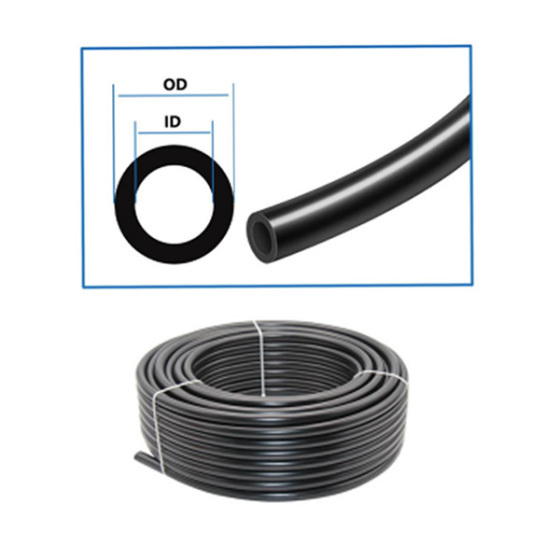
يخضع التصنيع على نطاق عالمي بشكل متزايد لقوانين ولوائح صارمة تتعلق بالمواد الكيميائية المستخدمة بالإضافة إلى ممارسات التصنيع المستدامة.
الامتثال لمعايير الصناعة والشهادات
تحدد المعايير الدولية، مثل ISO 8573 لجودة الهواء المضغوط، وRoHS لتقييد استخدام المواد الخطرة، وREACH لتسجيل وتقييم وترخيص المواد الكيميائية، الإضافات المسموح بها في مكونات البوليمر المستخدمة في المعدات الصناعية. وبينما يسهل توثيق المواد الخام، إذ تقتصر سلسلة التوريد على مرحلتي البلمرة والبثق، تتوفر في السوق أيضًا مواد معاد تدويرها معتمدة، تستوفي متطلبات الامتثال، شريطة معالجتها في ظروف محكمة واستيفائها لمستويات النقاء المطلوبة. وبذلك، تستطيع الشركات تحقيق أهدافها في مجال الاستدامة دون المساس بالسلامة.
اعتبارات الاستدامة في سياسات المشتريات المؤسسية
كجزء من استراتيجيتهم البيئية والاجتماعية والحوكمة، تقوم العديد من الشركات بتضمين مصادر مستدامة مع محتوى معاد تدويره في سياسة الشراء الخاصة بها حيثما كان ذلك مناسبًا. للشركات التي تعتمد على الأنابيب الهوائية في عمليات الإنتاج، يظل التحدي الذي يواجه قسم المشتريات هو ضمان التوريد المستدام مع الحفاظ على الجودة. وتُعدّ تقارير الموردين بشأن نسبة إعادة التدوير والبصمة الكربونية شفافة، ولها أثر إيجابي على صورة الشركة، وتدعم التزاماتها تجاه الاستدامة على الصعيد العالمي.
ما هو الدور الذي تلعبه شركة يانتاي أيسيلي للمواد الجديدة المحدودة كمورد موثوق لأنابيب الهواء المضغوط؟
شركة يانتاي أيسيلي للمواد الجديدة المحدودة تتميز شركة يانتاي أيسيلي للمواد الجديدة المحدودة بكونها شركة تصنيع متخصصة في حلول أنابيب الهواء المضغوط عالية الأداء، باستخدام تقنيات بثق متطورة مصممة لتطبيقات التحكم الدقيق. وتطبق الشركة بروتوكولات صارمة لإدارة الجودة تغطي جميع مراحل الإنتاج، بدءًا من اختيار المواد الخام وصولًا إلى فحص المنتج النهائي، لضمان تحقيق معايير أداء متسقة في جميع دفعات الإنتاج لعملائها حول العالم. ويقدم فريقها الفني خدمات تركيب مخصصة تُمكّن من تكييف مواد الأنابيب وفقًا لمتطلبات محددة، مثل نطاق تحمل درجات الحرارة أو متطلبات التوافق الكيميائي ذات الصلة بقطاعات الأتمتة الصناعية. بالإضافة إلى ذلك، تقدم الشركة استشارات متخصصة لمساعدة المشترين بالجملة في اختيار الراتنج الخام أو المركبات المعاد تدويرها، بناءً على أولويات التشغيل، مثل معايير المتانة مقابل معايير الاستدامة. وبفضل بنيتها التحتية اللوجستية المتينة التي تدعم شبكات التوزيع الدولية، تضمن الشركة توافرًا مستقرًا للمنتجات حتى خلال فترات ذروة الطلب، مما يجعلها شريكًا موثوقًا به لمصنعي المعدات الأصلية الذين يسعون إلى ضمان استمرارية إمداد أنابيب الهواء المضغوط.
خاتمة
ل التوريد الاستراتيجي للأنابيب الهوائية يجب أن تتضمن نماذج تقييم اختيار المواد المواد الخام، وبيانات الأداء الهندسي، ومعايير الاستدامة. يوفر الراتنج البكر أفضل اتساق لتحقيق الأداء العالي المطلوب، وعمرًا طويلًا، وتحكمًا دقيقًا في الضغط. تُعد المواد المُعاد تدويرها مناسبة للتطبيقات التي تُعطى فيها أهمية للتكلفة أو الاستدامة. مع ذلك، يجب فحصها بدقة أكبر فيما يتعلق بالجودة لضمان استيفاء متطلبات السلامة بشكل متسق، حتى على مستوى الدفعات. فقط من خلال مواءمة المادة مع أهداف المستخدم طويلة الأجل، يمكن لهذه المادة أن توفر أفضل موثوقية ممكنة للنظام، مع تحقيق أهداف الاستدامة للشركة في الوقت نفسه.
الأسئلة الشائعة
1. ما هي العوامل التي تحدد ما إذا كان الراتنج الخام أو المواد المعاد تدويرها أكثر ملاءمة لتطبيق هوائي معين؟
عند اختيار المواد اللازمة لبناء أحد المكونات، هناك عدد من العوامل التي يجب أخذها في الاعتبار، بما في ذلك ضغط التشغيل، ودرجة الحرارة المحيطة، والتعرض للطقس، والأشعة فوق البنفسجية أو المواد الكيميائية، وعمر النظام في الخدمة كما يحدده المصممون، واللوائح المعمول بها المتعلقة بمواد بناء المكونات في قطاعات صناعية محددة.
2. كيف يمكن للمشترين بالجملة التحقق من اتساق جودة الأنابيب الهوائية المعاد تدويرها؟
عند شراء مواد الألمنيوم، يطلب المشتري وثائق اعتماد الدفعة التي تتضمن معلومات عن نقائها، بالإضافة إلى نتائج الاختبارات الميكانيكية، مثل اختبار الشد، والتي يتم التحقق منها من قبل مختبرات خارجية. كما تضمن عمليات التدقيق الدورية لعمليات إنتاج المورد جودة المواد باستمرار.
3. هل يؤدي استخدام المواد المعاد تدويرها إلى المساس بالسلامة في أنظمة الهواء المضغوط عالية الضغط؟
عند معالجة المواد المعاد تدويرها في بيئة تصنيع مضبوطة، مع ضمان نقاء المواد الخام وتطابق خصائصها الفيزيائية مع المواصفات، يمكن معالجتها بأمان. ومع ذلك، ولضمان أقصى قدر من الموثوقية عند الضغط العالي المستمر، نوصي باستخدام المواد الخام الأصلية نظرًا لسلامة جزيئاتها الفائقة.