


أسباب تشقق أو انثناء أو انفجار الأنابيب الهوائية: أسباب جوهرية يجب على المشترين معرفتها
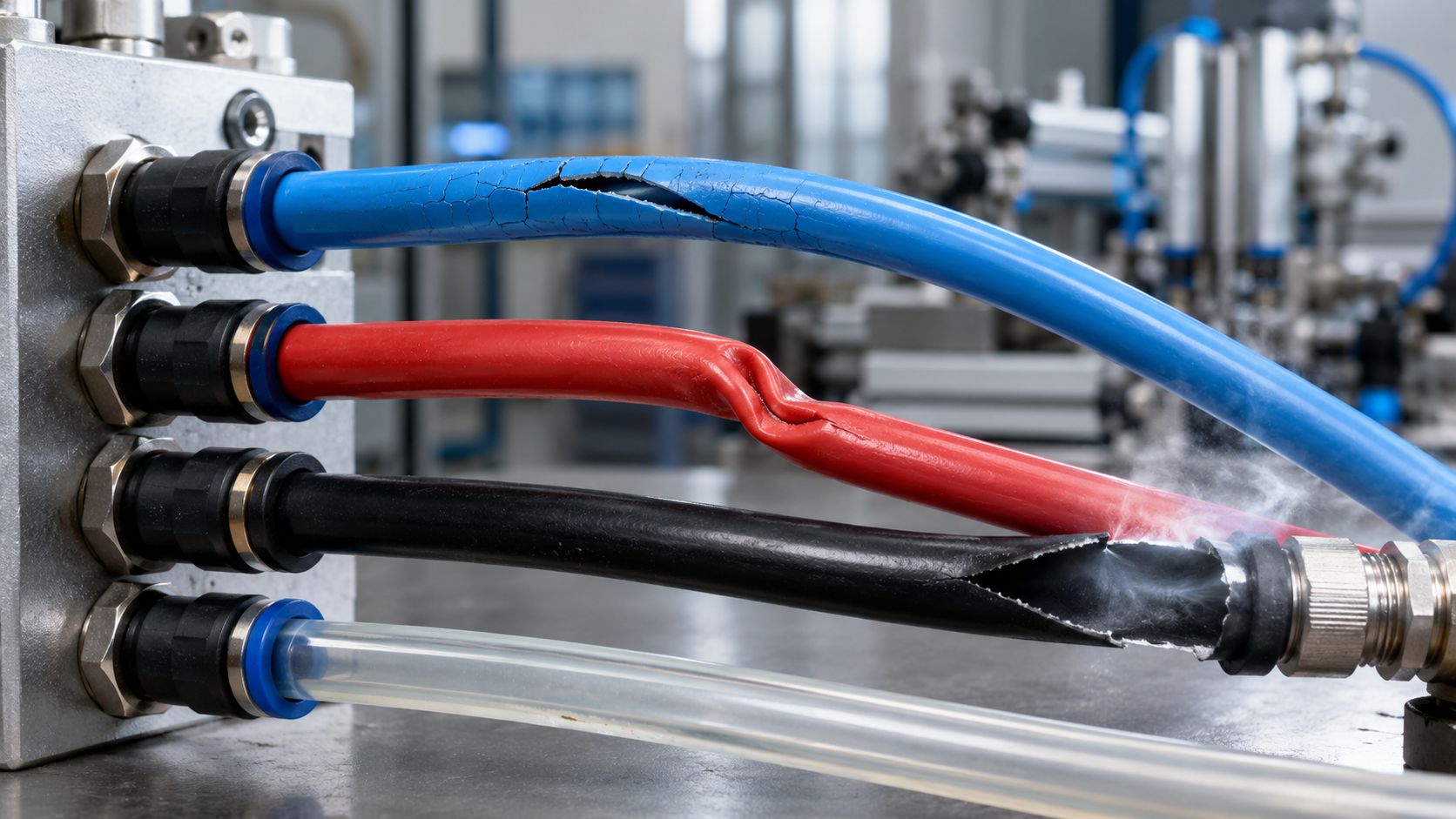
الأنابيب الهوائية يُعدّ الهواء شريان الحياة لأنظمة الطاقة الهوائية. يُستخدم لتشغيل أنظمة الأتمتة والروبوتات والعديد من عمليات التصنيع الأخرى. تُصنع الأنابيب عالية الجودة باستخدام أفضل المواد وأحدث تقنيات التصنيع. مع ذلك، حتى أفضل الأنابيب قد تتعرض للتلف، غالبًا نتيجة لسوء التركيب أو التشغيل في بيئات قاسية. قد تتشقق الأنابيب أو تنثني أو تنفجر، مما يؤدي إلى توقفات مكلفة للتشغيل، وربما يُعرّض المشغل للخطر. تعود أسباب هذه الأعطال غالبًا إلى خصائص المواد المستخدمة في الأنابيب وطرق ربطها لتشكيل النظام. في أنابيب البولي يوريثان والأنظمة متعددة المواد، توجد أسباب محددة لحدوث الأعطال، وطرق لتجنبها من خلال اختيار الأنابيب المناسبة واتباع عدد من تقنيات الصيانة البسيطة.
لماذا تتشقق الأنابيب الهوائية بمرور الوقت؟
يُعدّ تشقق الأنابيب الهوائية ظاهرة متفاقمة، تتأثر بعوامل بيئية خارجية بالإضافة إلى الإجهادات الميكانيكية.
إجهاد المواد وتدهور البوليمر
تُحدث تقلبات الضغط في الأنظمة الهوائية تشققات دقيقة في سلاسل البوليمر للخراطيم المرنة. ومع مرور الوقت، تتطور هذه التشققات الدقيقة إلى تشققات مرئية، مما يؤدي بدوره إلى تسرب الهواء. وتتأثر خراطيم البولي يوريثان المرنة (PU) بالأشعة فوق البنفسجية والأوزون. ويؤدي هذا التأكسد السطحي إلى إضعاف جزيئات سطح الخرطوم. وقد أظهرت اختبارات المواد البوليمرية ودراسات تقادمها في المختبر وفي الميدان أن قوة الشد للمادة عند استخدامها بكثافة تنخفض بنسبة تصل إلى 25% خلال عام واحد. ويكون انخفاض قوة الشد أكثر وضوحًا عند الاستخدام الخارجي وفي درجات الحرارة المرتفعة، حيث يكون التأكسد على سطح الخرطوم أكثر وضوحًا في هذه الظروف.
مشاكل التوافق الكيميائي
من الأسباب الأخرى لتلف الأنابيب المبكر عدم التوافق الكيميائي. إذ يمكن لبعض مواد التشحيم والتنظيف والملوثات المحمولة جوًا أن تتفاعل مع الأسطح الداخلية للأنابيب الهوائية. على سبيل المثال، قد تتسبب الزيوت القائمة على الإستر في جعل أنابيب البولي يوريثان هشة، وبالتالي تشققها نتيجة فقدان مرونتها تحت ضغط التشغيل العادي. يُمكن تجنب هذه المشاكل باستخدام أنابيب هوائية ذات مقاومة كيميائية مُثبتة لسوائل مُحددة، والتي يتم اختيارها بناءً على مواصفات ISO أو ASTM المناسبة. عند تصميم نظام هوائي سيُستخدم مع سوائل أو أبخرة شديدة التفاعل، يُنصح بالرجوع إلى جدول التوافق الكيميائي عند اختيار الأنابيب المناسبة.
ما الذي يسبب انثناء الأنابيب الهوائية أثناء التركيب أو التشغيل؟
قد يحدث انثناء في تجميعات الخراطيم أثناء التركيب؛ ومع ذلك، يمكن أن يحدث الانثناء أيضًا أثناء تشغيل الخرطوم إذا لم يتم مراعاة القيود في مساره.
نصف قطر الانحناء غير المناسب وممارسات التوجيه
عند ثني الأنابيب الهوائية، من الضروري الالتزام بنصف قطر الانحناء الأدنى المحدد من قبل الشركة المصنعة. في حال عدم الالتزام بهذا الحد الأدنى، سينثني السطح الداخلي للأنبوب. قد يكون من الممكن استعادة شكل الأنبوب بعد حدوث انحناء حاد، ولكن في معظم الحالات، سيتسبب الانحناء في مشاكل في تدفق الهواء عبر الجزء المتأثر من الأنبوب، وقد يؤدي إلى تلف دائم. وكما ذُكر سابقًا، فإن الانحناءات الضيقة بدون دعم مناسب قد تُسبب مشاكل. تنص الإرشادات الواردة في معيار ISO 4414 على ضرورة التأكد من أن نصف قطر الانحناء عند أي ثني لا يقل عن ثلاثة أضعاف القطر الخارجي للأنبوب الهوائي لتجنب حدوث الانحناء الحاد. سيساعد استخدام أدوات تثبيت مناسبة، مثل مشابك التوجيه ومسارات الكابلات، عند تمرير الأنابيب الهوائية عبر المناطق ذات الوصول المحدود، في تحقيق نصف قطر الانحناء الأدنى الموصى به.
مرونة المادة ونسبة سمك الجدار
يجب تحقيق التوازن بين مرونة الأنابيب وسلامتها الهيكلية، وذلك عادةً من خلال التحكم في نسبة سُمك الجدار إلى قطر الأنبوب. عند محاولة تصنيع أنابيب مرنة للغاية (مثل أنابيب البولي يوريثان اللينة) لاستخدامها في بيئة مفرغة من الهواء، يجب توخي الحذر الشديد لتجنب جعل جدران الأنابيب رقيقة جدًا. في المقابل، تحتوي بعض الأنابيب الهوائية متعددة الطبقات المقواة على طبقات داخلية مرنة محاطة بطبقة خارجية صلبة أو أكثر، وتحافظ هذه الطبقات على شكلها تحت إجهاد الانحناء المتكرر. لذلك، يجب اختيار نسبة القطر الداخلي للأنبوب إلى قطره الخارجي (نسبة القطر الداخلي إلى القطر الخارجي) لمنع الانسداد والإجهاد. تُعد هذه الأنابيب مناسبة جدًا للاستخدام في تطبيقات مثل الأذرع الروبوتية التي تتحرك بشكل متكرر.
لماذا تنفجر الأنابيب الهوائية تحت الضغط؟
تُعدّ أعطال الانفجار من أخطر المشكلات التي تحدث في الأنظمة الهوائية. وأخطر أشكال هذه الأعطال هو الفقدان المفاجئ للضغط، والذي قد يكون له تأثير خطير على المعدات المجاورة.
تجاوز ضغط التشغيل المقنن
يُصمَّم كل أنبوب بحد أقصى لضغط التشغيل بناءً على تركيبه المادي وشكل جداره. عندما تتجاوز تقلبات النظام هذا الحد - كما هو الحال أثناء بدء التشغيل أو أعطال الصمامات - يتجاوز الإجهاد الداخلي مقاومة البوليمر، مما يؤدي إلى تمزقه. تشير التقييمات المخبرية إلى أن أنابيب البولي يوريثان تتحمل ارتفاعات قصيرة الأجل تصل إلى 150% من ضغطها المُصنَّف قبل أن تنفجر؛ ومع ذلك، فإن تكرار حالات الضغط الزائد يُقلِّل بشكل كبير من عمرها الافتراضي. ولمنع حدوث مثل هذه الحالات، يُعدّ المعايرة الدورية للمنظمات وصمامات الأمان أمرًا بالغ الأهمية.
تقلبات درجة الحرارة وتأثيرات التآزر في الضغط
يمكن أن يتأثر ضغط انفجار الوصلات الهوائية بشكل كبير بدرجة الحرارة المحيطة. البولي يوريثان، وهو مادة شائعة الاستخدام مادة لأنابيب الهواء المضغوطعلى سبيل المثال، قد تفقد المواد ما يصل إلى 30% من قدرتها على تحمل الضغط عند تسخينها إلى درجات حرارة عالية. من ناحية أخرى، قد تؤدي درجات الحرارة المنخفضة إلى هشاشة المواد، ما يجعلها عرضة للكسر الفوري أثناء دورة الضغط دون أي تشوه مسبق. يُعد التصميم متعدد المواد، كاستخدام طبقة داخلية مرنة من البولي يوريثان وطبقة خارجية مقاومة للحرارة من النايلون، مناسبًا تمامًا لمثل هذه التطبيقات. يسمح هذا النوع من الأنابيب بالاستخدام الآمن في درجات حرارة تتراوح بين -40 درجة مئوية و+80 درجة مئوية.
كيف يؤثر اختيار المواد على الأداء على المدى الطويل؟
إن اختيار المادة المناسبة له تأثير كبير على متانة النظام ومرونته، وفعاليته من حيث التكلفة وموثوقيته.
مقارنة مواد الأنابيب الهوائية الشائعة
أنابيب البولي يوريثان (PU)
لا تزال أنابيب البولي يوريثان تُستخدم بكثرة في التطبيقات الديناميكية نظرًا لمرونتها العالية ومقاومتها للتآكل. لذا، تُعدّ أنابيب البولي يوريثان مثالية للتطبيقات المتحركة في المصانع، مثل خطوط الإنتاج الآلية، أو للاستخدام في الروبوتات للإمساك بالأجزاء والأدوات أو تثبيتها.
أنابيب نايلون (PA)
يتميز النايلون بقوة شد أعلى ومقاومة ضغط أفضل من البولي يوريثان، ولكنه أقل مرونة. وهو الأنسب للتطبيقات الثابتة، حيث تضمن صلابة النايلون ثباتًا أكبر في الأبعاد على المدى الطويل تحت الأحمال أو في درجات الحرارة العالية.
أنابيب البولي إيثيلين (PE)
تُعد أنابيب البولي إيثيلين بديلاً اقتصادياً لأنابيب الضغط العالي الميكانيكية، فهي منتج خفيف الوزن يُستخدم في تطبيقات الضغط المنخفض. يقلل تجويفها الأملس من مقاومة التدفق، لكنها غير مناسبة لتطبيقات الضغط العالي.
دور البناء متعدد المواد في تعزيز المتانة
يمكن تصنيع الأنابيب الهوائية متعددة المواد من مواد مختلفة، يتم دمجها بتقنية البثق المشترك. ومن خلال الجمع بين مزايا هذه المواد، تُدمج عادةً طبقة من البولي يوريثان داخل طبقة من النايلون. يزيد هذا الغلاف الخارجي من النايلون من مقاومة المواد الكيميائية، مع الحفاظ على مرونة الطبقة الداخلية. تتميز الهياكل المصنعة بتقنية البثق المشترك بثبات أبعادها، مما يسهل ثنيها. وهذا أمر بالغ الأهمية لتصميمات الآلات المدمجة. وقد أظهرت الاختبارات الميدانية أن هذه الأنابيب الهجينة تحقق عمرًا تشغيليًا أطول بنسبة تصل إلى 35% مقارنةً بالأنابيب أحادية المادة المماثلة، وذلك في ظل دورات ضغط ودرجة حرارة ثابتة.
كيف يمكن للمشترين تقليل تكاليف الصيانة ووقت التوقف عن العمل؟
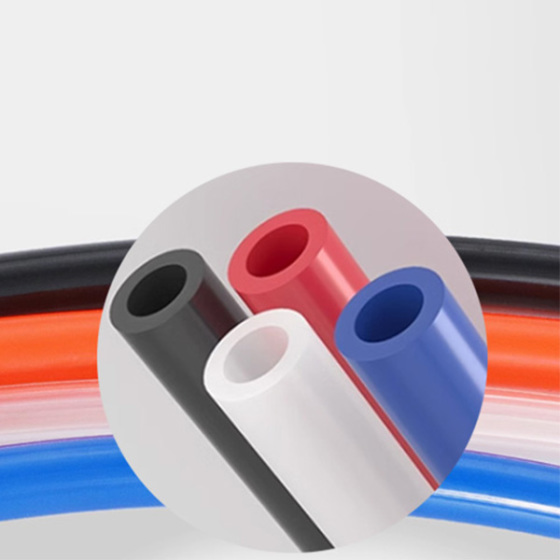
يمكن أن يساعد الفحص الاستباقي والاستراتيجي للمنتجات، بالإضافة إلى ممارسات الشراء المدروسة جيدًا، في تقليل وقت التوقف عن العمل.
جداول الفحص الوقائي والاستبدال
تساعد عمليات الفحص البصري الدورية على تحديد علامات الإنذار المبكر، مثل تغير اللون أو تشققات السطح أو الانتفاخ الموضعي، قبل حدوث عطل كامل. ويتيح دمج برامج الصيانة التنبؤية المرتبطة بمستشعرات التدفق مراقبة انحرافات الأداء في الوقت الفعلي، والناتجة عن التآكل الداخلي أو التسرب الدقيق داخل الأنابيب. ويقلل التدخل المبكر من حالات التوقف غير المخطط لها، مع إطالة عمر المكونات من خلال الاستبدال المجدول بدلاً من الإصلاحات التفاعلية.
تحليل التكلفة والعائد لتحسين جودة المواد
على الرغم من أنها مميزة أنابيب هوائية متعددة المواد على الرغم من ارتفاع التكاليف الأولية - عادةً ما تزيد بنسبة 15-25% عن الخيارات القياسية - إلا أن الوفورات طويلة الأجل كبيرة. ويؤدي انخفاض وتيرة الاستبدال إلى خفض نفقات العمالة المرتبطة بتدخلات الصيانة بنسبة تصل إلى 40%. بالإضافة إلى ذلك، يُترجم استمرار تشغيل النظام إلى عائد استثمار أعلى من خلال دورات إنتاج متواصلة وتقليل حوادث السلامة المتعلقة بأعطال الانفجار.
من هي شركة يانتاي أيسيلي للمواد الجديدة المحدودة؟
يانتاي Aisili المواد الجديدة المحدودة شركة متخصصة في تصنيع حلول أنابيب البوليمر الصناعية، وتستخدم أساليب البثق الدقيقة لإنتاج أنابيب هوائية تُستخدم في الأتمتة والتعبئة والتغليف وتطبيقات التحكم في السوائل الأخرى. تشمل منتجاتنا أنابيب هوائية من البولي يوريثان ومجموعة من الخراطيم الهوائية الهجينة المصنعة بتقنية البثق المشترك لتطبيقات درجات الحرارة العالية. لدينا فريق فني ذو خبرة عالية يسعده تقديم المشورة الفنية بشأن اختيار مواد الخراطيم بناءً على الخصائص الكيميائية المطلوبة لتتوافق مع بيئة العميل. شركة يانتاي أيسيلي للمواد الجديدة المحدودة نقدم خدمات تصنيع المعدات الأصلية/تصميم المعدات الأصلية والتي يمكن إنتاجها وفقًا لأبعاد العميل الدقيقة والتحقق منها من خلال نظام مراقبة الجودة ISO الخاص بنا. كما يمكن توفير الوثائق الداعمة، بما في ذلك بيانات اختبار الانفجار وبيانات نصف قطر الانحناء، للمساعدة في التحقق الهندسي.
خاتمة
عندما تتعرض الأنابيب للتلف نتيجة التشقق أو الانثناء أو الانفجار، فغالبًا ما يكون ذلك بسبب عدم امتلاك مادتها الخصائص المناسبة لتحمل الضغوط الناتجة عن استخدامها، أو بسبب مشاكل تحدث أثناء التركيب. يُعد استخدام أنابيب متعددة المواد عالية الجودة لمختلف التطبيقات والبيئات، والمصممة للعمل في درجات حرارة قصوى ومناطق التلامس الكيميائي، أحد السبل لزيادة الموثوقية. كما أن إطالة عمر الخدمة وتجنب خسائر توقف الإنتاج من خلال الصيانة الاستباقية المنتظمة يُعدّان مفيدين أيضًا. وقد شهدت تركيبة البوليمر المستخدمة في الأنابيب المرنة تحسنًا كبيرًا في السنوات الأخيرة، مما أتاح قوة أكبر مع الحفاظ على الكفاءة الاقتصادية على مدى فترات تشغيل طويلة.
الأسئلة الشائعة
ما هو العمر الافتراضي النموذجي لأنابيب البولي يوريثان الهوائية في البيئات الصناعية؟
يتراوح العمر الافتراضي النموذجي للحجاب الحاجز بين سنتين وخمس سنوات. ومع ذلك، قد يختلف هذا العمر اختلافًا كبيرًا تبعًا لعدة عوامل، مثل دورات الضغط، والتعرض لدرجات حرارة مختلفة، بالإضافة إلى احتمالية ملامسة الحجاب الحاجز لمواد كيميائية قوية. ويمكن للكشف المبكر عن أي علامات تآكل أو تلف خلال عمليات الفحص الدورية أن يطيل عمر الحجاب الحاجز.
كيف يمكنني تحديد الحجم الصحيح لأنابيب الهواء المضغوط لنظامي؟
يعتمد تحديد حجم الأنابيب عادةً على معدل تدفق الهواء المطلوب مقابل انخفاض الضغط المقبول لطول خط معين. يمكن مراجعة أفضل قطر داخلي/خارجي للأنابيب ونوع الوصلة في جداول الشركة المصنعة لاختيار الأنبوب الأمثل وضمان عدم تعرضه لإجهاد زائد نتيجة الحمل الديناميكي.
هل تستحق الأنابيب الهوائية متعددة المواد التكلفة الأولية الأعلى؟
نعم. استثمار أولي أعلى ثم تكاليف إجمالية أقل في السنوات اللاحقة بسبب احتمالية انخفاض عدد مرات الاستبدال بنسبة 40٪ وخصائص ميكانيكية أفضل لفترات زمنية أطول حتى الاستبدال.