


Wie man einen Pneumatikschlauch anhand von Material und Anwendung auswählt
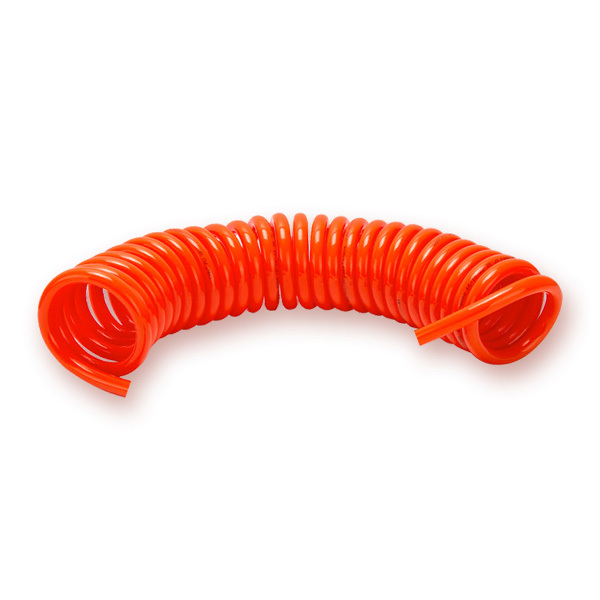
Pneumatische Systeme benötigen die richtigen Schläuche für eine einwandfreie Funktion. Zur Auswahl stehen verschiedene Materialien wie Polyurethan- (PU-), Nylon- und Polyethylenschläuche. Die Wahl des Materials hängt stark von der Anwendung und der Umgebung ab, in der das System eingesetzt werden soll. Neben Sicherheitsaspekten… die Wahl der pneumatischen Röhre wird sich auch erheblich auf die potenziellen Wartungskosten im Laufe der Zeit auswirken. In diesem Artikel untersuchen wir die Schlüsselfaktoren, die die Wahl von Druckluftleitungen beeinflussen, und erörtern die Leistungsfähigkeit von Polyurethanschläuchen in typischen industriellen Anwendungen.
Welche Faktoren sollten bei der Auswahl einer pneumatischen Rohrpost berücksichtigt werden?
Die Wahl des richtigen pneumatischen Schlauchs hängt von einer Reihe technischer Parameter ab, die Einfluss auf die Betriebssicherheit haben.
Materialverträglichkeit und Chemikalienbeständigkeit
Es gibt viele verschiedene Schlauchmaterialien, die unterschiedlich auf Öle, Lösungsmittel und Feuchtigkeit reagieren. Polyurethanschläuche sind sehr flexibel und bieten eine durchschnittliche chemische Beständigkeit. Sie eignen sich am besten für dynamische Anwendungen wie automatisierte Maschinen oder Robotersysteme. Nylonschläuche sind für Hochdruckanwendungen geeignet. Sie neigen jedoch dazu, mit der Zeit Feuchtigkeit aufzunehmen, was die mechanischen Eigenschaften des Schlauchs beeinträchtigen kann. Polyethylenschläuche sind beständig gegen viele Chemikalien, aber nicht flexibel genug für Anwendungen mit beweglichen Teilen.
Temperatur- und Druckanforderungen
Pneumatikschläuche verfügen über spezifische Temperatur- und Druckgrenzen für einen sicheren Betrieb. In typischen Anwendungen der Fabrikautomation arbeiten PU-Schläuche im Temperaturbereich von -20 °C bis +60 °C. Für höhere Temperaturen oder höhere Drücke, wie beispielsweise in Lackieranlagen für die Automobilindustrie oder Druckluftverteilern, können Schläuche aus verstärktem Nylon oder Polyethylen erforderlich sein. Die Auswahl des passenden Schlauchs für das pneumatische System ist entscheidend, um Schäden und kostspielige Ausfallzeiten zu vermeiden. Besonders wichtig ist es, den gewählten Schlauch an den Ausgangsdruck des Kompressors anzupassen.
Mechanische Eigenschaften und Flexibilität
Die mechanischen Eigenschaften von Schläuchen sind sowohl für die Installation als auch für die spätere Lebensdauer entscheidend. Polyurethanschläuche sind beispielsweise bei sehr niedrigen Temperaturen flexibel und minimieren so das Risiko des Abknickens bei der Verlegung durch Installationen mit kleinen Öffnungen. Nylonschläuche hingegen sind steifer und bieten daher eine höhere Dimensionsstabilität für feste Installationen, bei denen nur geringe Bewegungen zulässig sind. Der Biegeradius für Schläuche sollte daher in Bezug auf die jeweilige Installationsplanung überprüft werden, um Leckagen oder vorzeitige Ermüdungsrisse zu vermeiden.
Wie beeinflusst die Anwendungsumgebung die Rohrauswahl?
Die Umgebungsbedingungen im pneumatischen System bestimmen im Allgemeinen, welches Material am besten geeignet ist.
Industrielle Automatisierungssysteme
In Roboterarmen oder Fördersystemen, in denen die Bewegung häufig ist, PU-Druckluftschläuche werden bevorzugt. Aufgrund ihrer Elastizität und Abriebfestigkeit gewährleisten sie durch ihre Fähigkeit, wiederholtem Biegen ohne Rissbildung standzuhalten, eine gleichmäßige Luftzufuhr über Tausende von Bewegungszyklen hinweg – ein Schlüsselfaktor für die Aufrechterhaltung der Präzision in automatisierten Montagelinien.
Lebensmittel- und pharmazeutische Anwendungen
In hygienischen Branchen wie der Lebensmittelverpackungs- und Pharmaindustrie müssen Schläuche den FDA- oder EU-Lebensmittelstandards entsprechen, um Kontaminationen zu vermeiden. Wir empfehlen ungiftige Polyurethanschläuche, die für Reinräume zertifiziert, flexibel, reaktionsarm und glatt sind, um Bakterienwachstum zu verhindern.
Raue Außenbedingungen
Bei Außeninstallationen sind die Schläuche UV-Strahlung, Ozon und wechselnden Temperaturen ausgesetzt. Standardkunststoffe haben unter UV-Bestrahlung eine relativ kurze Lebensdauer. Schläuche aus UV-stabilisiertem Polyurethan hingegen weisen eine längere Lebensdauer auf. In Chemieanlagen oder Yachthäfen mit Salzwasser, wo Korrosionsgefahr durch Ölnebel und Ozon besteht, müssen die Schläuche gegen beides beständig sein.
Warum sind Polyurethanschläuche bei Konstrukteuren pneumatischer Systeme so beliebt?
-1.jpg)
Die ausgewogenen Eigenschaften von Polyurethan sind der Grund, warum es in so vielen Branchen eingesetzt wird.
Gleichgewicht zwischen Flexibilität und Kraft
PU-Druckluftschläuche sind elastisch Sie weisen eine ausreichende Berstfestigkeit für Anwendungen mit mittlerem Druck auf, beispielsweise bei Druckluftwerkzeugen oder Aktuatoren. Ihre weiche Außenfläche ermöglicht ein einfaches Verlegen des Schlauchs durch beengte Bereiche innerhalb einer Maschine. Auch die Installation in Maschinen gestaltet sich unkompliziert, da keine Spezialwerkzeuge benötigt werden.
Kosteneffizienz über den gesamten Lebenszyklus
Obwohl Polyurethan in der Anschaffung etwas teurer sein mag als PVC-Alternativen, bedeutet seine höhere Langlebigkeit, dass es seltener ausgetauscht werden muss. Laut der European Fluid Power Association (EFPA) kann dies eine Reduzierung um bis zu 30 % bedeuten. Berücksichtigt man die Arbeitskosten für Wartungsstillstände, führt die längere Lebensdauer von Polyurethan langfristig zu erheblichen Einsparungen.
Geräuschreduzierung und Schwingungsdämpfung
Der Vorteil von Polyurethan gegenüber anderen starren Kunststoffen wie Nylon liegt in seiner Fähigkeit, Vibrationen zu absorbieren. Diese dämpfende Eigenschaft von Polyurethan trägt zur Reduzierung des Geräuschpegels im Druckluftsystem bei. In Präzisionsfertigungslinien und Laboren, wo höchste Genauigkeit gefragt ist, ist die Geräuschkontrolle im Druckluftsystem entscheidend für den Komfort der Bediener und die Genauigkeit ihrer Messungen.
Wie beeinflussen Installations- und Wartungspraktiken die Leistung von Rohren?
Die Art und Weise, wie ein pneumatisches Rohrpostsystem während der Installation gehandhabt wird, ist entscheidend für die Art der Gegenstände, für die es verwendet wird, um die maximale Lebensdauer des Systems zu erreichen.
Richtige Schneide- und Verbindungstechniken
Beim Schneiden von PU-Rohren ist es sehr wichtig, saubere Schnitte mit scharfen Werkzeugen durchzuführen, um die Entstehung von Mikrorissen im Material zu verhindern. Diese Mikrorisse können sich unter Druckbelastung ausbreiten. Zum Verbinden von PU-RohrenVerwenden Sie kompatible Fittings aus Messing oder Edelstahl, um eine Verformung des weichen Wandmaterials zu verhindern. Die Fittings gewährleisten eine dichte Abdichtung auch bei Druckschwankungen.
Regelmäßige Inspektionspläne
Überprüfen Sie Ihre Ölnebelfilter alle sechs Monate auf Verschleißerscheinungen wie Verfärbungen oder Verhärtungen durch Hitze. Reinigen Sie außerdem regelmäßig die Außenseiten der Luftstromflächen von Staub. Verstopfte Luftkanäle können die Systemleistung um bis zu 10 % verringern.
Welche Fehler werden häufig bei der Auswahl von Rohrpostsystemen gemacht?
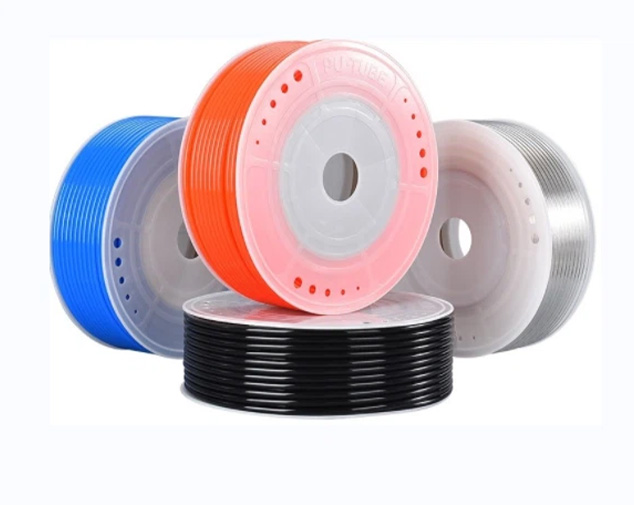
Nicht einmal erfahrene Ingenieure können sich immer an alles Wichtige erinnern, um die richtigen Komponenten auszuwählen.
Umweltfaktoren ignorieren
Die Verwendung nicht beständiger Materialien in öl- und chemikalienbelasteten Umgebungen verringert die Lebensdauer der Schläuche erheblich. Beispielsweise wird ein Standard-PVC-Schlauch in Hydraulikölumgebungen innerhalb weniger Monate spröde, im Gegensatz zu Polyurethan, das in denselben Umgebungen viele Jahre lang beständig bleibt.
Übersehen der Druckangaben
Die Verwendung von minderwertigen PU-Schläuchen in Hochdruckkreisläufen kann dazu führen, dass sich die Schläuche unter Last aufblähen und sogar platzen. Dies ist eine häufige Ursache für plötzliche Ausfälle, die Schäden an umliegenden Bauteilen verursachen können.
Vernachlässigung der Wartungskosten bei ROI-Berechnungen
Bei der Berechnung des Return on Investment (ROI) ist es wichtig, neben dem Kaufpreis pro Zähler auch Faktoren wie Austauschintervalle, Ausfallzeiten und den Arbeitsaufwand für eine Neuinstallation zu berücksichtigen. Obwohl die anfängliche Investition höher sein kann, können die Gesamtbetriebskosten über mehrere Jahre kontinuierlichen Betriebs langfristig betrachtet niedriger ausfallen.
Wer ist Yantai Aisili New Material Co., Ltd.?
Yantai Aisili neue Material Co., Ltd. Wir sind ein Hersteller von pneumatischen Schläuchen, spezialisiert auf Produkte aus Polyurethan (PU), Nylon (PA) und Polyethylen (PE). Unsere Produkte werden weltweit in der Automatisierung, Robotik, Verpackung und Automobilmontage eingesetzt. Als ISO 9001-zertifizierter Hersteller gewährleisten wir durch unser Qualitätsmanagementsystem eine gleichbleibend hohe Qualität in allen Produktionschargen. Wir fertigen pneumatische Schläuche nach Maß im Extrusionsverfahren – exakt nach Ihren Vorgaben, inklusive Durchmesser und Härte. Darüber hinaus bieten wir Ihnen technische Beratung zur Fluidverträglichkeit, Unterstützung bei der Schlauchverlegung und Beratung für Installateure. Dank unseres weltweiten Logistiknetzwerks ist eine stabile Versorgung unserer OEM-Kunden und Partner sichergestellt. Wir setzen auf langfristige Partnerschaften und langlebige Produkte von exzellenter Qualität.
Abschluss
Die Materialauswahl für Druckluftschläuche erfordert einen Kompromiss zwischen den gewünschten Materialeigenschaften und den vielfältigen Anforderungen hinsichtlich Umgebungsbedingungen, Kosten und Wartungsfreundlichkeit. Für dynamische Anwendungen in der Industrie eignen sich Polyurethanschläuche am besten. Bei fachgerechter Installation und regelmäßiger Inspektion gewährleisten sie eine lange und zuverlässige Lebensdauer. Aus Sicht eines Ingenieurs ist die Zusammenarbeit mit technisch qualifizierten Lieferanten wie Yantai Aisili New Material Co., Ltd. ideal. So lässt sich die Qualität der Druckluftschläuche sicherstellen und die Lebenszykluskosten kontrollieren. Dies gilt für verschiedene Produktionsanlagen.
Häufig gestellte Fragen
1. Wie hoch ist die typische Lebensdauer eines Polyurethan-Druckluftschlauchs?
Unter normalen Betriebsbedingungen haben ordnungsgemäß installierte PU-Druckluftschläuche eine typische Lebensdauer von 3 bis 5 Jahren, abhängig von den vor der Installation durchgeführten Maßnahmen und der regelmäßigen Inspektion.
2. Können PU-Schläuche mit ölverunreinigter Druckluft verwendet werden?
Ja – PU-Schläuche sind gegenüber mäßigen Ölmengen relativ unempfindlich. Hohe Ölkonzentrationen in der Luft können jedoch mit der Zeit zu einem Flexibilitätsverlust des PU-Schlauchs führen. Zum Schutz empfindlicher Bauteile kann ein Inline-Filter installiert werden.
3. Ist Polyurethan für Vakuumanwendungen geeignet?
Polyurethanschläuche eignen sich für Anwendungen mit geringem Vakuum. Bei höheren Vakuumwerten können herkömmliche Polyurethanschläuche jedoch kollabieren. Für diese Anwendungen empfehlen wir verstärkte Polyurethanschläuche.
4. Welchen Innendurchmesser muss mein System haben?
Um den erforderlichen Innendurchmesser für Ihr System anhand des benötigten Durchflusses zu berechnen: Zu kleine Rohre erhöhen den Druckverlust, zu große Rohre verschwenden Energie und verringern die Strömungseffizienz Ihres Systems.
5. Auf welche Qualitätszertifizierungen sollte ich beim Kauf von Druckluftschläuchen achten?
Achten Sie auf die Qualitätszertifizierung nach ISO9001 sowie auf Dokumentationen zur RoHS- oder REACH-Konformität, um zu bestätigen, dass die in den Schläuchen verwendeten Materialien international für den industriellen Einsatz sicher sind.