


Wie man pneumatische Mehrkomponentenschläuche für industrielle Automatisierungssysteme auswählt
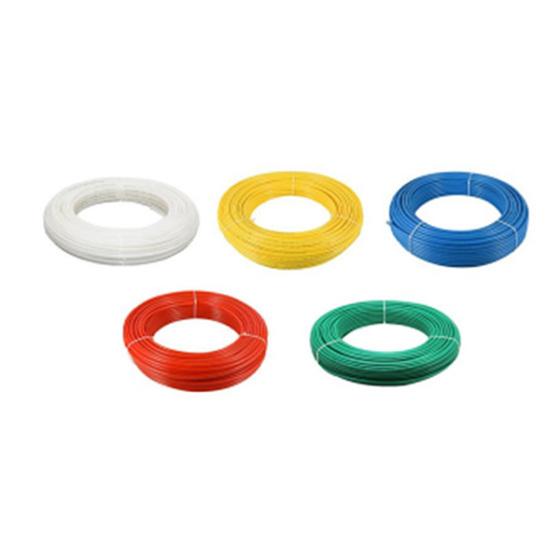
Pneumatikschläuche in industriellen Automatisierungssystemen müssen zuverlässig und effizient funktionieren. Die Wahl des geeigneten Pneumatikschlauchs hängt von verschiedenen Faktoren ab. Nylonschlauch, LLDPE-Schläuche, oder verstärkte PVC-Rohre Die Effizienz eines Systems, seine Lebensdauer und die damit verbundenen Wartungskosten werden maßgeblich beeinflusst. Um pneumatische Mehrkomponentenschläuche für den Einsatz in der industriellen Automatisierung zu bewerten, werden die verschiedenen Leistungsmerkmale in Verbindung mit der Anwendungsumgebung und den zugehörigen Lebenszykluskosten betrachtet.
Welche Faktoren sollten bei der Auswahl von Materialien für pneumatische Schläuche berücksichtigt werden?
Bei der Wahl zwischen Nylon, LLDPE und verstärktem PVC müssen Ingenieure mehrere wichtige Leistungskriterien abwägen.
Druckwerte und Temperaturbereiche
Bei der Auswahl eines Schlauchs oder Rohrs für eine Anwendung müssen die Druck- und Temperaturanforderungen dieser Anwendung berücksichtigt werden. Nylonschläuche zeichnen sich durch hohe Zugfestigkeit und Formstabilität aus und eignen sich daher ideal für Hochdruckanwendungen. LLDPE-Schläuche sind für Anwendungen mit mittlerem Druck geeignet und kostengünstig. Verstärkte PVC-Schläuche sind flexibel und widerstehen Temperaturschwankungen sowie häufigen Start-Stopp-Zyklen. Die Norm ISO 4414 ermöglicht es Ihnen, den Betriebsdruck Ihres Schlauchs oder Rohrs sicher zu bestimmen und die industriellen Sicherheitsanforderungen zu erfüllen.
Chemische Kompatibilität und Umweltbeständigkeit
Chemische Einflüsse können bestimmte Polymere mit der Zeit zersetzen. Nylon ist beständig gegen Kohlenwasserstoffe wie Öle und Kraftstoffe und eignet sich daher für Schmierkreisläufe. LLDPE weist eine hohe Beständigkeit gegenüber wasserbasierten Medien und schwachen Säuren auf, während verstärktes PVC eine ausgewogene Beständigkeit gegen Lösungsmittel und UV-Strahlung bietet. Ingenieure sollten vor dem Einsatz in chemisch aktiven Umgebungen stets die Kompatibilität anhand der Materialdatenblätter des Herstellers überprüfen.
Anforderungen an Installationsflexibilität und Biegeradius
In kompakten Systemen mit begrenztem Platzangebot müssen die Schläuche extrem flexibel sein. Nylonschläuche sind zwar relativ steif, behalten aber auch bei Druckänderungen ihre Formstabilität. LLDPE-Schläuche hingegen lassen sich aufgrund ihrer Weichheit leicht verlegen. Verstärktes PVC ist zwar nicht so robust wie andere Schlauchtypen, bietet aber die einzigartige Kombination aus Flexibilität und hoher Berstfestigkeit. Dadurch eignet es sich ideal für dynamische Anwendungen mit ständiger Bewegung oder starken Vibrationen.
Wie schneiden Nylon-, LLDPE- und verstärkte PVC-Schläuche im Leistungsvergleich ab?
Jedes Material besitzt eigene mechanische Eigenschaften, die die Langzeitzuverlässigkeit eines Bauteils bestimmen.
Mechanische Eigenschaften und Haltbarkeit
Nylonschläuche zeichnen sich durch hohe Abriebfestigkeit aus und eignen sich daher ideal für Automatisierungsanlagen mit hoher Taktfrequenz, wie z. B. Roboterarme oder pneumatische Aktuatoren. LLDPE-Schläuche sind leicht und kostengünstig für Niederdrucksysteme wie pneumatische Steuerungen oder Sensoranschlüsse. Die mehrschichtige Struktur von verstärktem PVC ermöglicht im Vergleich zu einschichtigen Schläuchen eine überlegene Vibrationsfestigkeit und mechanische Belastbarkeit.
Kosteneffizienz und Lebenszyklusbetrachtungen
Auf den ersten Blick mag Nylon im Vergleich zu Polyethylen-basierten Materialien höhere Anschaffungskosten verursachen; die längere Lebensdauer gleicht die höheren Kosten jedoch langfristig aus. Laut Branchenangaben von Parker Hannifin halten Nylonschläuche in Systemen mit kontinuierlichem Einsatz bis zu 30 % länger als vergleichbare Schläuche aus Polyethylen. Für einen Kostenvergleich empfiehlt es sich, die Gesamtbetriebskosten zu betrachten und die Austauschzeiten zu berücksichtigen.
Geräuschreduzierung und Luftstromstabilität
Glatte Innenflächen aller drei Materialien minimieren Turbulenzen in pneumatischen Kreisläufen. Dies verbessert die Stabilität des Luftstroms und reduziert Energieverluste durch Druckabfall. In Umgebungen wie Verpackungslinien oder Montagestationen dämpft verstärktes PVC zudem vibrationsbedingte Geräusche und erhöht so den Arbeitskomfort, ohne die Durchflussleistung zu beeinträchtigen.
Wie beeinflussen Betriebsumgebungen die Materialauswahl?
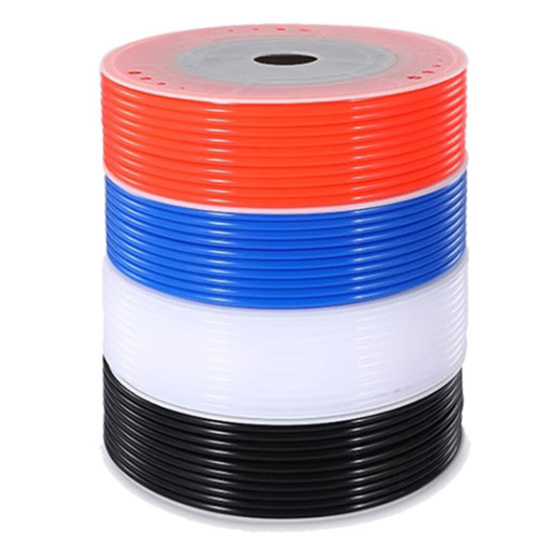
Im Allgemeinen entscheiden die Umgebungsbedingungen darüber, ob ein bestimmtes Material für dauerhafte Ergebnisse geeignet ist oder nicht.
Hohe Luftfeuchtigkeit oder korrosive Bedingungen
Manche Polymere können durch Feuchtigkeitsaufnahme aufquellen oder reißen. Nylon beispielsweise wird in feuchten Umgebungen üblicherweise mit einer Schutzschicht versehen oder mit einer Feuchtigkeitssperre ausgestattet. Dieses Material weist eine sehr geringe Wasseraufnahmerate von unter 0,01 % auf, wodurch LLDPE ideal für den Einsatz in feuchten Umgebungen wie der Lebensmittelverarbeitung und in Bereichen mit häufigen Reinigungsarbeiten wie Badezimmern und Bars geeignet ist.
Anwendungen für stark vibrierende oder mobile Maschinen
Verstärkte PVC-Schläuche werden für Anwendungen empfohlen, bei denen die Schläuche häufigen Bewegungen ausgesetzt sind. Die strukturelle Verstärkung dieser Schlauchart verhindert ein Abknicken während der verschiedenen Bewegungszyklen. Nylonschläuche bleiben formstabil, benötigen jedoch unter Umständen zusätzliche, sichere Verbindungen, um Materialermüdung an den Verbindungsstellen, die Vibrationen ausgesetzt sind, vorzubeugen.
Welche häufigen Herausforderungen treten bei Installation und Wartung auf?
Die Zuverlässigkeit des Flüssigkeitssystems und die Maßnahmen zur Leckageverhütung hängen von einer korrekten Installation ab.
Passgenauigkeit und Leckageverhinderung
Die Verbindung zwischen einem Fitting und dem Außendurchmesser eines Rohres muss exakt sein, um bei unterschiedlichen Drücken eine dichte Abdichtung zu gewährleisten. Bei Rohren mit konstanter Wandstärke, wie z. B. Nylon- oder LLDPE-Schläuchen, werden häufig Steckverbindungen bevorzugt. Für verstärkte PVC-Rohre mit dickeren Wänden bieten hingegen Schlauchtüllen eine dichtere Abdichtung bei hohen Drücken.
Inspektionshäufigkeit und Austauschplanung
Regelmäßige Inspektionen alle 6 bis 12 Monate ermöglichen die frühzeitige Erkennung von Verschleißerscheinungen und verhindern so einen plötzlichen Ausfall. Die Sichtprüfung auf Verfärbungen, Oberflächenrisse oder Verformungen erlaubt einen geplanten Produktwechsel und vermeidet unnötige Stillstandszeiten in allen Produktionsschichten.
Wie können Mehrkomponenten-Schläuche die Systemeffizienz verbessern?
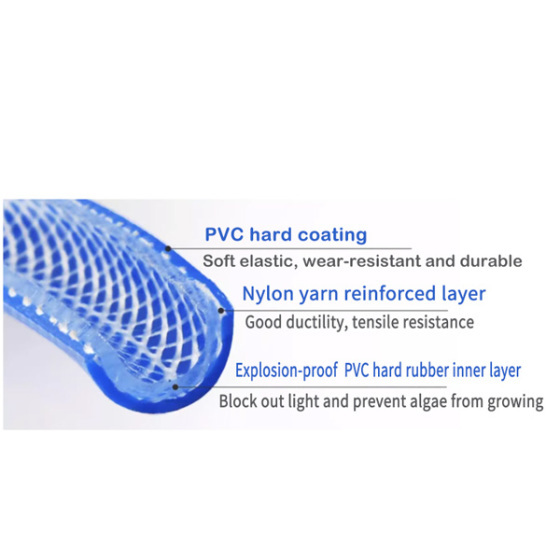
Die Verwendung unterschiedlicher Materialien innerhalb eines pneumatischen Systems bietet technische und wirtschaftliche Vorteile.
Kombination der Materialstärken für Hybridsysteme
Durch die Verwendung einer Hybridkonfiguration kann Nylon in der Nähe der Aktuatoren, wo der höchste Druck auftritt, und LLDPE oder verstärktes PVC in den flexiblen Leitungsteilen eingesetzt werden. Dies gewährleistet höchste Festigkeit für die jeweilige Anwendung bei gleichzeitig niedrigen Kosten, da bei der Wartung nur die verschlissenen Teile des Schlauchsystems und nicht das gesamte System ausgetauscht werden müssen.
Fallbeispiel: Modernisierungsprojekt für eine Montagelinie (Allgemeines Szenario)
Ein Mittelklassewagenhersteller hat seine Polyethylen-Schläuche aus einer einzigen Komponente durch Hybridschläuche ersetzt. Die Schläuche bestehen im Bereich der Aktuatoren aus Nylon, um eine hohe Druckstabilität zu gewährleisten. Im Bereich der Kompressoren sind sie aus verstärktem PVC gefertigt, um die nötige Flexibilität für starke Vibrationen zu gewährleisten. Nach sechs Monaten Betrieb konnten die Luftverluste um 15 % reduziert und die Anzahl der Wartungseinsätze deutlich verringert werden. Dies ist messbar und belegt somit eine Steigerung der Effizienz und der Betriebszeit.
Wer ist Yantai Aisili New Material Co., Ltd.?
Yantai Aisili neue Material Co., Ltd. ist ein Unternehmen in der chinesischen Provinz Shandong, das entwirft und produziert pneumatische Mehrmaterialschläuche Yantai Aisili New Material Co., Ltd. beliefert den globalen Markt für industrielle Automatisierung. Das Produktportfolio umfasst Nylonschläuche, LLDPE-Schläuche, PU-Schläuche, PTFE-ausgekleidete Schläuche und PVC-Schläuche mit Verstärkung für unterschiedliche Betriebsdrücke und Medien. Neben der Fertigung bietet Yantai Aisili New Material Co., Ltd. auch damit verbundene Dienstleistungen an, darunter technische Beratung nach ISO/CE-Normen, kundenspezifische Extrusion für OEMs, Dokumentation der Chargenrückverfolgbarkeit und Rapid Prototyping für F&E-Teams, die pneumatische Bauteile entwickeln.
Abschluss
Die Auswahl der richtigen pneumatischen Mehrkomponenten-Schläuche erfordert die Berücksichtigung verschiedener Faktoren. Um die langfristige Effizienz industrieller Automatisierungssysteme zu gewährleisten, müssen die Schläuche robust und umgebungsverträglich sein. Bei der Auswahl der passenden Schläuche sind Faktoren wie Druckfestigkeit, chemische Beständigkeit, Flexibilität, Installationsanforderungen und langfristige Kosten zu berücksichtigen. Durch die intelligente Kombination von Materialien wie Nylon und LLDPE oder robustem PVC mit besonders langlebigen Komponenten lassen sich effiziente pneumatische Netzwerke realisieren, die kontinuierlich arbeiten und über den gesamten Produktionslebenszyklus hinweg Mehrwert generieren.
Häufig gestellte Fragen
1. Warum werden Nylonschläuche in pneumatischen Hochdrucksystemen verwendet?
Weil Nylonschläuche eine Zugfestigkeit von bis zu 12–14 MPa aufweisen und auch bei hohen Drücken formstabil bleiben, ohne sich zu verformen oder zu platzen.
2. Kann LLDPE-Schlauchmaterial für Außenarbeiten verwendet werden?
Ja, vorausgesetzt, der Schlauch besteht aus UV-stabilisiertem Material. Herkömmliche Schläuche werden innerhalb kurzer Zeit spröde, wenn sie längere Zeit der Sonne ausgesetzt sind.
3. Wie flexibel ist verstärktes PVC im Vergleich zu Polyurethan?
Verstärktes PVC ist weniger elastisch als Polyurethan, bietet aber einen großen Vorteil in puncto Knickfestigkeit, wenn es beim Transport von Geräten immer wieder um Ecken gebogen wird.
4. Wie kann die Lebensdauer von Druckluftleitungen durch regelmäßige Wartung verlängert werden, um deren einwandfreie Funktion zu gewährleisten?
Prüfen Sie die Druckluftleitungen regelmäßig auf Anzeichen von Verschleiß. Reinigen Sie alle Druckluftverschraubungen vor Gebrauch. Achten Sie beim Verlegen der Druckluftleitungen auf einen geeigneten Biegeradius, um vorzeitigen Verschleiß zu vermeiden.
5. Sind Installationen aus verschiedenen Materialien schwer zu handhaben?
Nein. Unsere standardisierten Fittings sind für verschiedene Polymerarten geeignet. Dadurch lassen sie sich problemlos in Ihr System integrieren. Außerdem wird so ein gleichbleibender Luftstrom im gesamten Systemnetzwerk gewährleistet.