


Résistance à l'hydrolyse du TPU expliquée : pourquoi certains tubes en polyuréthane durent des années de plus ?
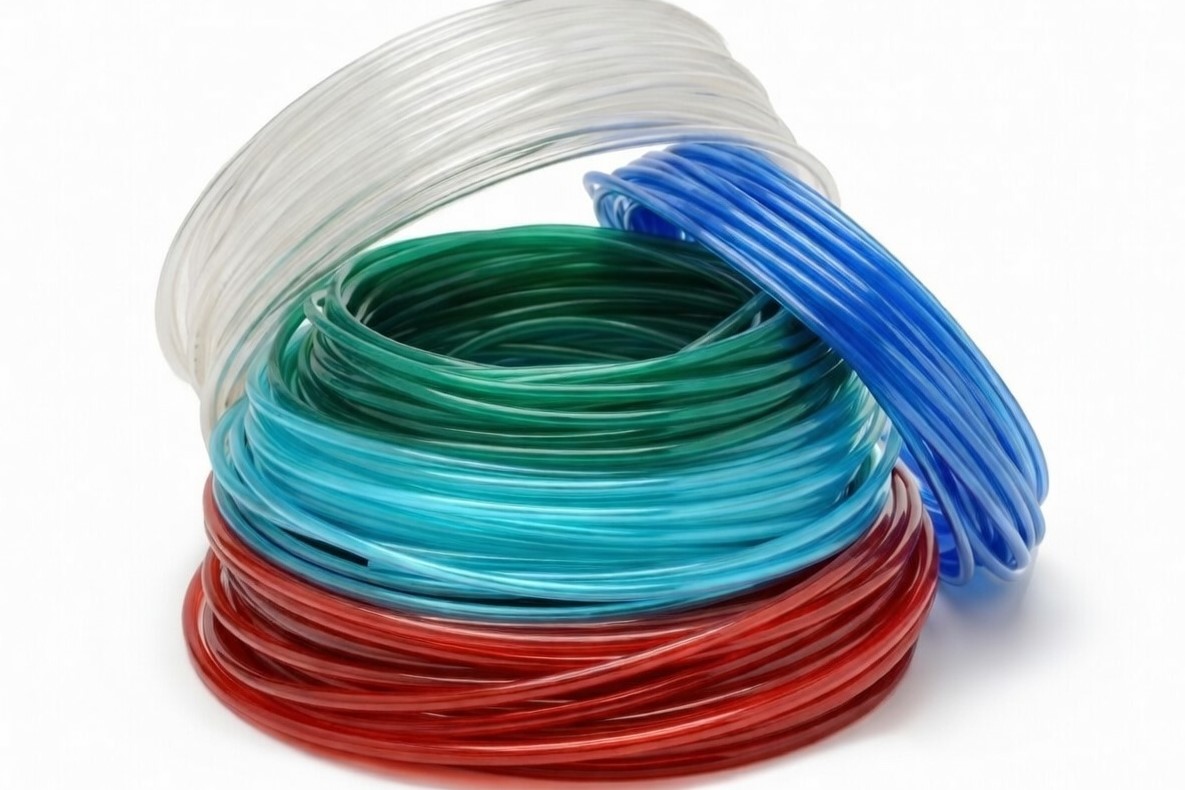
Les défaillances des tubes d'automatisation pneumatique ne sont pas nécessairement dues à une surpression. Elles résultent souvent d'une dégradation progressive des tubes dans l'environnement au fil du temps. L'un des principaux facteurs est la dégradation chimique par l'humidité. La résistance à l'hydrolyse du TPU est cruciale pour son utilisation. tubes en polyuréthane afin de garantir la résistance mécanique des tubes en milieu humide, en extérieur ou en environnement humide de production. Pour les ingénieurs et les services achats, l'utilisation de tubes en polyuréthane résistant à l'hydrolyse peuvent être cruciales pour la fiabilité de leurs systèmes d'automatisation, ainsi que pour l'intervalle de maintenance et le coût total de possession.
Pourquoi la résistance à l'hydrolyse du TPU est-elle importante pour les tubes pneumatiques dans des applications réelles ?
La résistance à l'hydrolyse du TPU est essentielle car les tubes pneumatiques sont généralement exposés à l'eau, à l'humidité de l'air comprimé et aux variations de température.
Comment l'hydrolyse affecte-t-elle les performances des tubes pneumatiques flexibles ?
L'hydrolyse est la réaction chimique au cours de laquelle l'eau décompose les longues chaînes polymères du polyuréthane. Les tuyaux pneumatiques flexibles sont particulièrement sensibles à cette dégradation. À mesure que l'hydrolyse progresse, le tuyau perd sa souplesse et des fissures apparaissent en surface. Il devient également incapable de résister à la pression et peut durcir ou devenir cassant, entraînant des fuites ou des ruptures. Dans les systèmes automatisés, cela peut causer des problèmes importants.
Pourquoi est-ce important dans les systèmes pneumatiques industriels ?
Dans les systèmes d'alimentation en air continu utilisés en usine, même des dommages mineurs aux tuyauteries peuvent affecter la précision de l'actionneur et la stabilité de son cycle. Des équipements tels que les bras robotisés, les chaînes de montage et les machines d'emballage dépendent d'une alimentation en air stable. Une légère hydrolyse peut déjà engendrer des problèmes d'alimentation en air, comme un débit d'air instable, pouvant entraîner un positionnement imprécis de l'équipement, voire une panne complète.
Qu’est-ce qui provoque la dégradation des tubes en polyuréthane en milieu humide ?
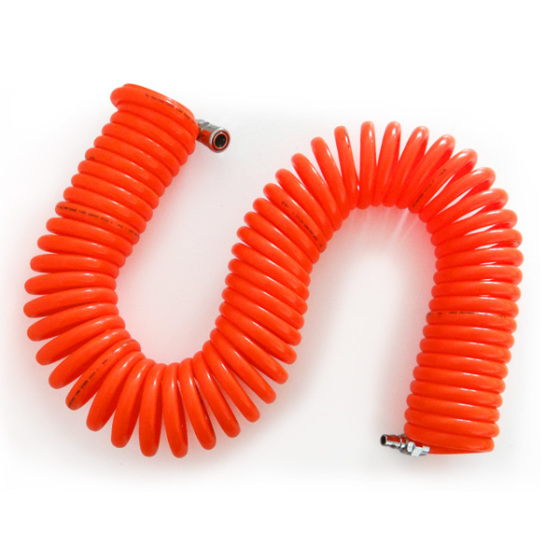
L'humidité est la principale cause de la dégradation du polyuréthane, mais elle n'en est pas la seule responsable.
Pourquoi la température et l'humidité accélèrent-elles la dégradation du TPU ?
Dans les environnements de production plus chauds et plus humides, la température élevée, combinée à une humidité plus importante, accélère la dégradation des chaînes moléculaires du matériau. Les molécules d'eau pénètrent rapidement dans le matériau, en particulier lorsque la tubulure est soumise à une pression constante. Cela accélère considérablement le processus de vieillissement du matériau. Par conséquent, la durée de vie du service durée de vie des tubes en polyuréthane est considérablement réduite.
Quel est le rôle des produits chimiques et de la qualité de l'air comprimé ?
L'air comprimé industriel peut contenir un mélange de brouillard d'huile, de solvants de nettoyage ou d'autres produits chimiques industriels. Ces substances peuvent migrer des matériaux TPU et accélérer leur hydrolyse. Le traitement de l'air et le choix des tubes sont donc essentiels.
Quelles sont les différences de performance entre le TPU polyéther et le TPU polyester en matière de résistance à l'hydrolyse du polyuréthane ?
La composition chimique de base du TPU est le principal facteur qui influencera sa résistance à l'hydrolyse.
Pourquoi le TPU polyéther est-il plus résistant à l'hydrolyse ?
Le TPU polyéther offre généralement une meilleure résistance à l'hydrolyse car sa structure moléculaire est moins sensible à la rupture des chaînes induite par l'eau. Il est donc idéal pour la fabrication de tubes en TPU destinés aux usines humides, aux environnements marins ou aux applications nécessitant des lavages fréquents.
Quelles sont les limites du TPU polyester ?
Un TPU à base de polyester présente une résistance mécanique et une résistance à l'abrasion supérieures à celles d'un polyuréthane hydrogéné équivalent. Cependant, sa résistance à l'hydrolyse est moindre. Par conséquent, bien qu'un tube en polyuréthane à base de polyester résiste à une exposition prolongée à l'humidité, il se dégrade plus rapidement que son homologue hydrogéné, notamment en présence de températures élevées. Dans des environnements secs ou contrôlés, le TPU à base de polyester constitue néanmoins une alternative appropriée.
|
Type TPU |
résistance à l'hydrolyse |
Résistance mécanique |
Meilleure application |
|
TPU polyéther |
Haut |
Moyen |
Systèmes extérieurs humides et mouillés |
|
Polyester TPU |
Moyen/Faible |
Haut |
Environnements industriels secs |
Quel est l’impact de l’hydrolyse sur la durée de vie des tubes en TPU soumis à des contraintes de pression et de température ?
L'hydrolyse peut provoquer une défaillance, mais elle n'est pas le seul facteur. Elle interagit avec d'autres facteurs tels que la pression et la température, et ensemble, ils peuvent accélérer la défaillance.
Comment la contrainte de pression influence-t-elle le vieillissement des matériaux ?
L'association de la pression nominale du TPU et d'une pression interne prolongée engendre des contraintes mécaniques dans le matériau. Dans cet état de contrainte, l'hydrolyse peut accélérer l'apparition de microfissures. Ceci réduit la durée de vie de ces tubes et augmente le risque de fuites dans les circuits pneumatiques.
Comment les variations cycliques de température aggravent-elles la dégradation ?
Les cycles répétés de chauffage et de refroidissement provoquent la dilatation et la contraction des tuyaux en polyuréthane. Ces variations permettent à l'humidité de pénétrer plus profondément dans le matériau, ce qui accélère la réaction d'hydrolyse. Ce problème est particulièrement préoccupant lorsque le système de fluide est exposé aux intempéries ou subit des variations de température saisonnières.
Comment les acheteurs doivent-ils choisir des tubes pneumatiques résistants à l'hydrolyse pour les systèmes industriels ?
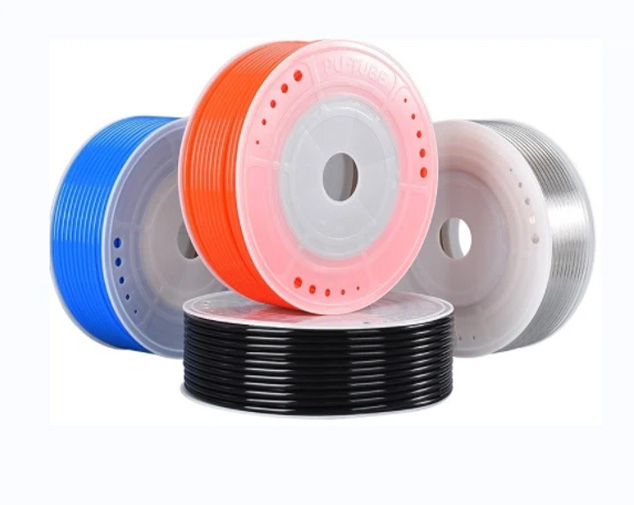
Le choix des tubes est un compromis entre la résistance chimique, les caractéristiques mécaniques et d'autres caractéristiques de l'installation.
Quels paramètres techniques doivent être évalués ?
Pour bien choisir ses tubes, il est essentiel de prendre en compte la dureté Shore du TPU, sa résistance à l'hydrolyse, la pression supportée, l'épaisseur de paroi, le rayon de courbure et la température de service. De plus, la compatibilité du tube avec les raccords et connecteurs doit être vérifiée afin d'éviter les fuites à long terme.
Quels sont les cas d'utilisation qui nécessitent des tubes résistants à l'hydrolyse ?
Si une résistance à l'hydrolyse est requise pour des composants destinés aux lignes de production alimentaire, au remplissage de boissons, aux installations d'automatisation à forte humidité, aux stations de lavage pneumatiques ou à des applications extérieures, un polyuréthane spécial est recommandé. Dans tous ces cas, l'exposition à l'humidité est constante et inévitable, et le choix d'un matériau adapté est alors primordial.
Quel fournisseur peut prendre en charge les projets de tubes pneumatiques en polyuréthane ?
Yantai Aisili nouveau matériel Co., Ltd. est un fabricant chinois de tubes pneumatiques en polyuréthane L'entreprise propose également des systèmes de tuyauterie flexibles multi-matériaux pour applications industrielles. Elle offre une large gamme de matériaux de tuyauterie présentant différentes résistances à l'hydrolyse. En fonction de l'humidité, de la température et des exigences du système d'air comprimé, il existe des matériaux de tuyauterie adaptés. Ces tubes sont utilisés dans l'automatisation industrielle, les systèmes de commande pneumatiques et la production d'autres équipements nécessitant un flux d'air stable. En tant que fournisseur des équipes d'approvisionnement, Yantai Aisili New Material Co., Ltd. accompagne également les équipes dans le choix des matériaux, spécifie les données techniques requises et propose des produits personnalisés pour chaque application. Pour une décision finale concernant les spécifications, l'acheteur doit toutefois comparer les données techniques, la pression de service admissible et la compatibilité avec le système.
Conclusion
La résistance à l'hydrolyse du TPU est un facteur clé qui détermine la fiabilité à long terme des tubes pneumatiques en polyuréthane dans les environnements humides et exigeants. L'hydrolyse fragilise progressivement la structure du matériau, affectant sa flexibilité, sa stabilité sous pression et les performances globales du système. Le TPU polyéther offre généralement une résistance supérieure au TPU polyester, ce qui le rend plus adapté aux applications en milieu humide. Toutefois, le choix du matériau doit toujours prendre en compte la pression, la température et la qualité de l'air. Un choix judicieux de tube contribue à prolonger sa durée de vie, à réduire la fréquence de maintenance et à améliorer la stabilité du système pneumatique.
FAQ
1. Qu'est-ce que la résistance à l'hydrolyse du TPU ?
Cette propriété du polyuréthane décrit sa résistance à l'eau stable dans le temps.
2. Pourquoi les tubes en polyuréthane se dégradent-ils en milieu humide ?
L'humidité pénètre dans le matériau et brise les chaînes polymères, notamment sous des températures et/ou pressions élevées.
3. Quel type de TPU présente la meilleure résistance à l'hydrolyse ?
D’après notre expérience, en milieu humide, le TPU polyéther est généralement plus performant que le TPU polyester.
4. L'hydrolyse peut-elle affecter la résistance à la pression du TPU ?
Oui, la dégradation des matériaux réduit également la résistance structurelle. À terme, cela entraîne une diminution de la résistance effective à la pression.
5. Comment les acheteurs peuvent-ils prolonger la durée de vie des tubes en polyuréthane ?
Utilisation de matériaux résistants à l'hydrolyse, contrôle de l'air, pression et température correctes.